The Stryker Medium Caliber Weapon System (MCWS) program represents a significant advancement in soldier lethality, with its focus on enhanced firepower, operational flexibility, and soldier-centered design. As the program moves through critical milestones, it has significant future growth potential not only for the U.S. Army but also for international allies and partners seeking adaptable and effective weapon systems.
Meeting Modern Battlefield Demands
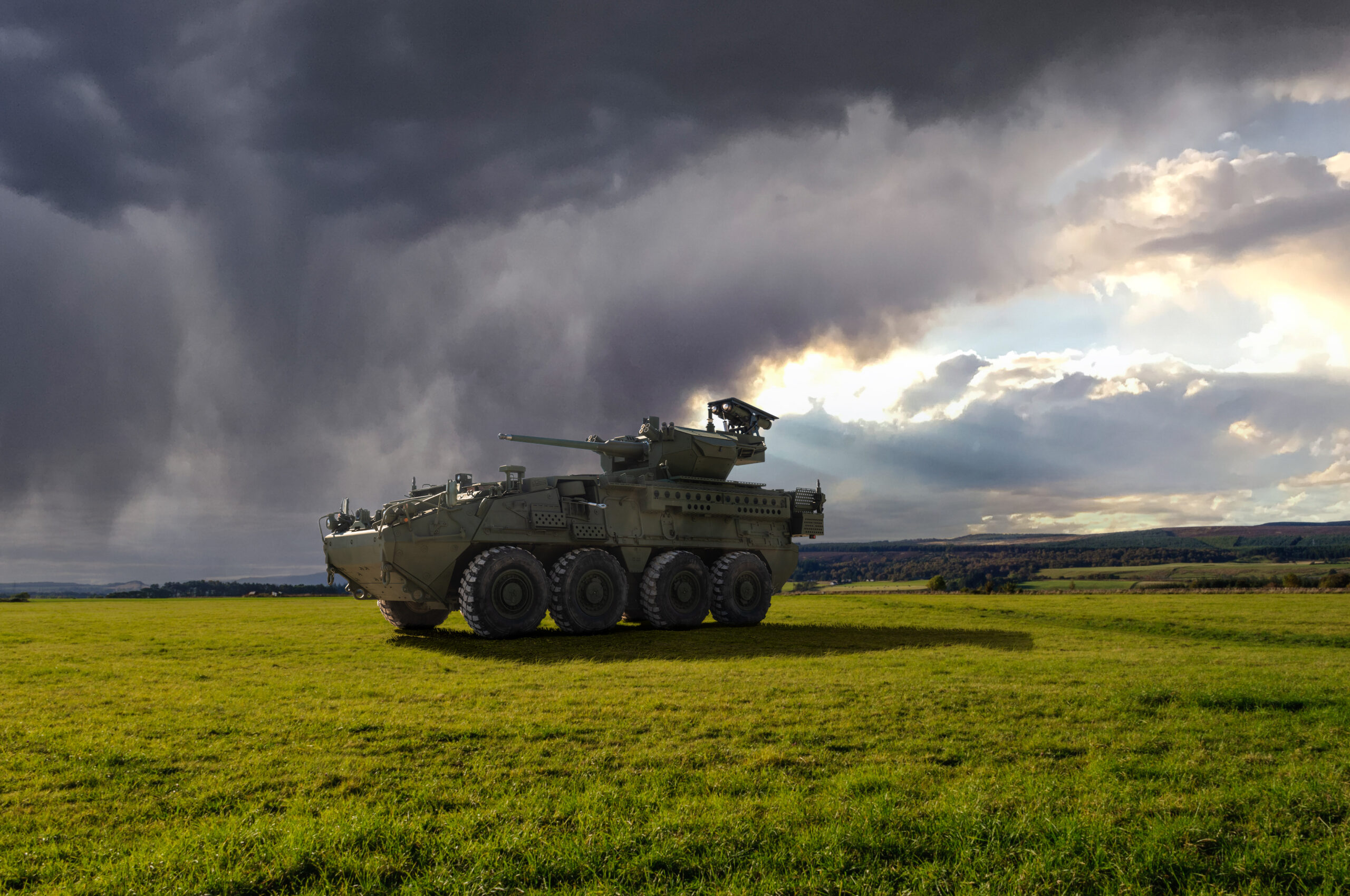
The MCWS Program of Record integrates the Oshkosh Defense weapon system onto the Stryker Infantry Carrier Double V Hull (ICVVA1), creating a formidable platform capable of handling modern battlefield threats. The Oshkosh MCWS incorporates a blend of features specifically designed for the Stryker mission.
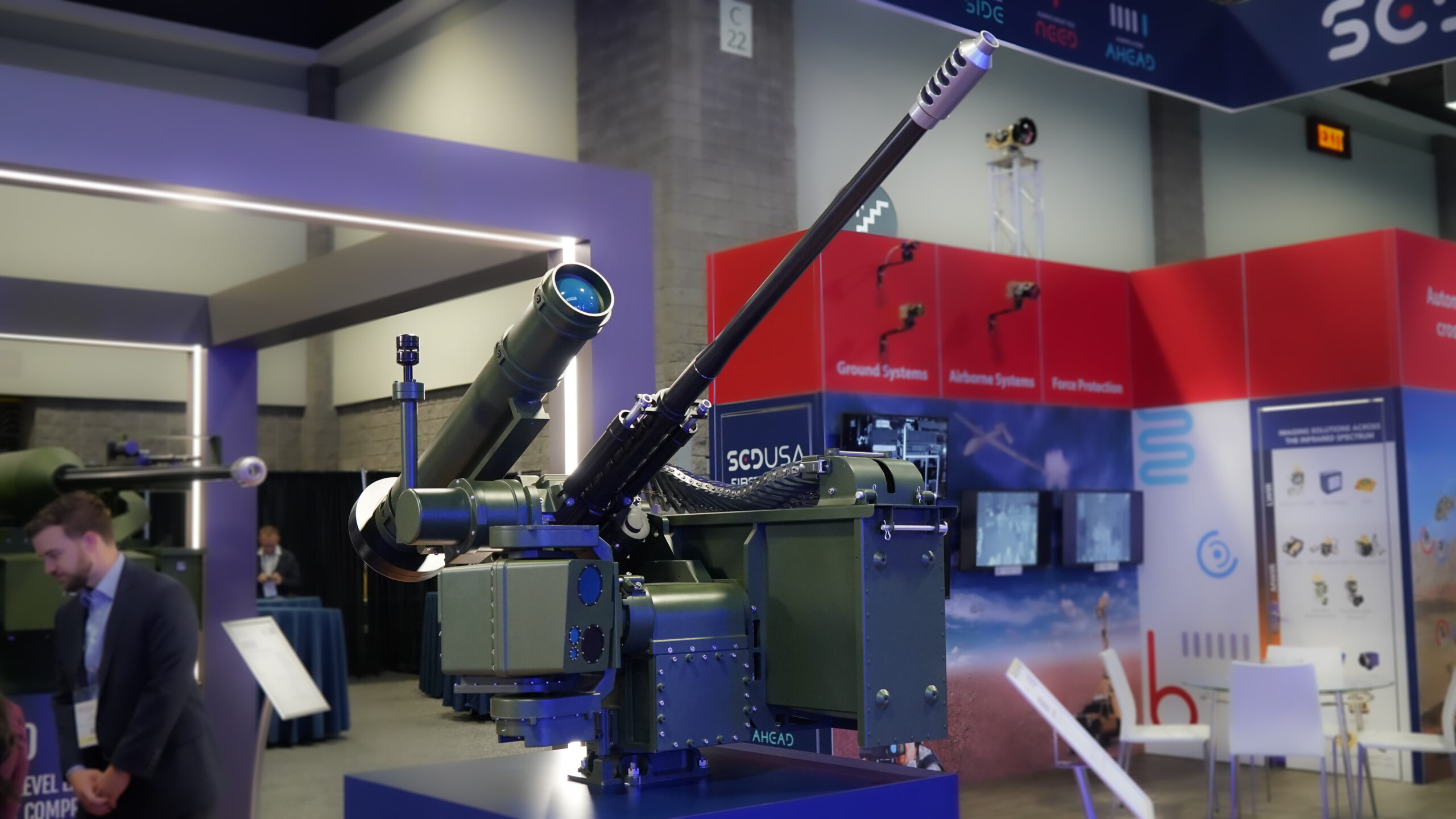
Based on the proven Rafael Samson Remote Weapon System (RWS), the MCWS introduces several improvements aimed at addressing previous performance gaps in the Stryker “Dragoon” vehicle, which it replaces. It provides an effective and efficient Remote Weapon Station (RWS) for the XM813 30mm cannon, M240 coaxial machine gun, Ammunition Handling System (AHS), and optics.
“The Stryker MCWS provides improved firepower and increased accuracy at longer ranges,” said Pat Williams, chief programs officer at Oshkosh Defense. “It is a lightweight system that does not compromise the mobility or survivability of the Stryker platform, ensuring that soldiers can operate effectively in diverse combat environments.”
Key Milestones and Progress to Date
In June 2021, Oshkosh Defense secured a five-year requirements contract, which includes production for up to six Stryker Brigade Combat Teams (SBCTs). To date, Oshkosh has received orders for three SBCTs, with more than 100 systems delivered to the U.S. Army.
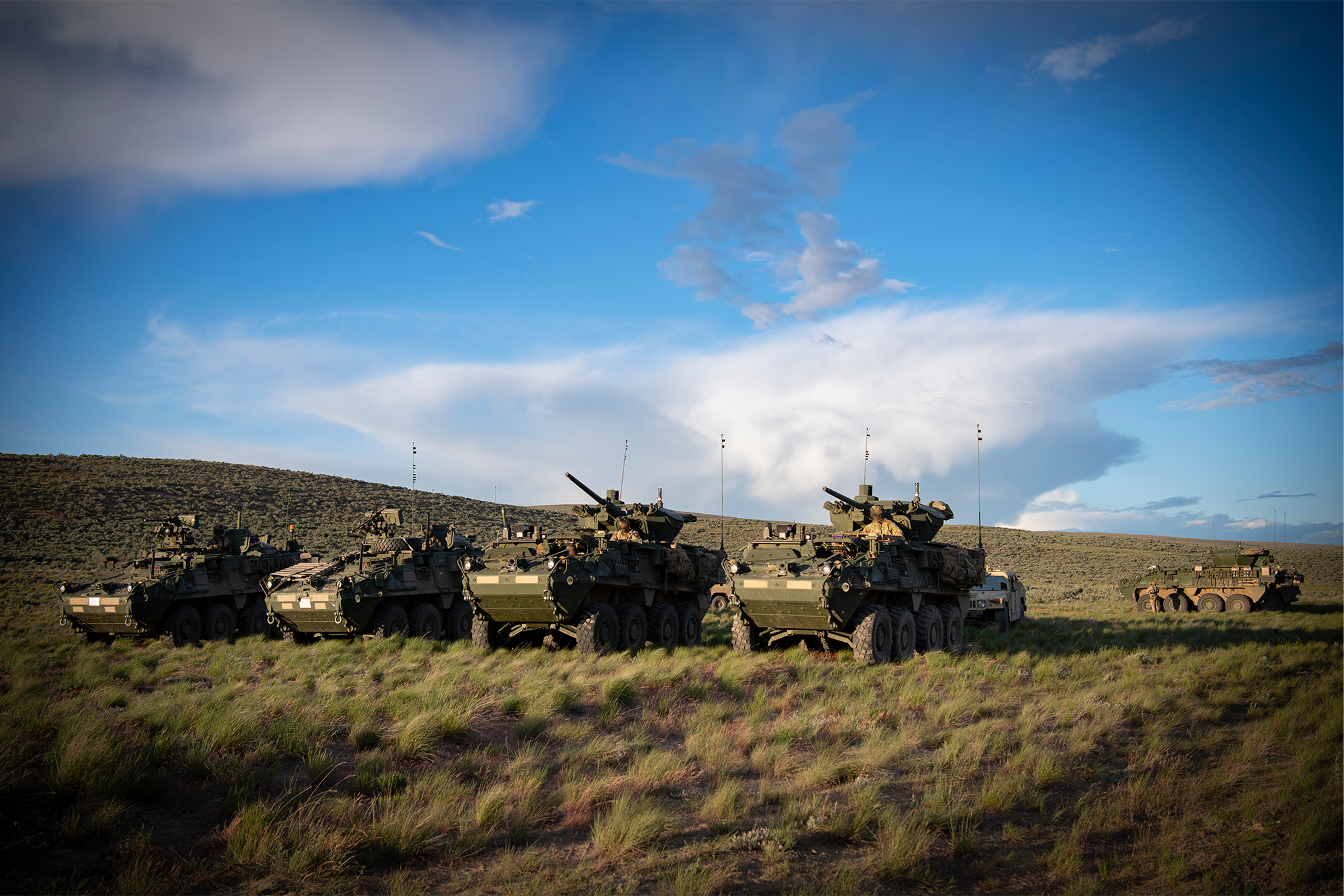
Oshkosh recently completed Production Verification Testing (PVT) at Aberdeen Test Center in Maryland, as well as Follow-On Operational Test and Evaluation (FOT&E) at Yakima Training Center in Washington. These evaluations involved rigorous gunnery and force-on-force exercises, where Soldiers operated the MCWS in realistic battlefield conditions.
“FOT&E is a critical part of the test process because it puts the system in the hands of Soldiers,” Williams explained. “We’ve received positive feedback about the increased capability, and while we expect to make some changes based on Soldier input, it will not delay the fielding of the system in early 2025.”
Soldier-Centric Design and Feedback Integration
One of the defining aspects of the Oshkosh MCWS is its close collaboration with the U.S. Army throughout the program to ensure that the MCWS addresses operational challenges faced by troops in the field. The MCWS includes a dual feed, linkless ammunition handling system that is critical for maintaining high levels of operational flexibility in dynamic environments. Other key enhancements include improved day/night optics, increased ammunition storage, and enhanced situational awareness.
“The system we are delivering today is a direct result of Soldier feedback,” Williams said. “Their input helped shape the requirements for this program, and we are proud to deliver a system that meets their needs on the modern battlefield.”
Fielding and Future Plans
The Stryker MCWS program is on track for fielding in early 2025, starting with the first. All systems for this brigade have already been delivered, signaling the beginning of a broader rollout to additional units.
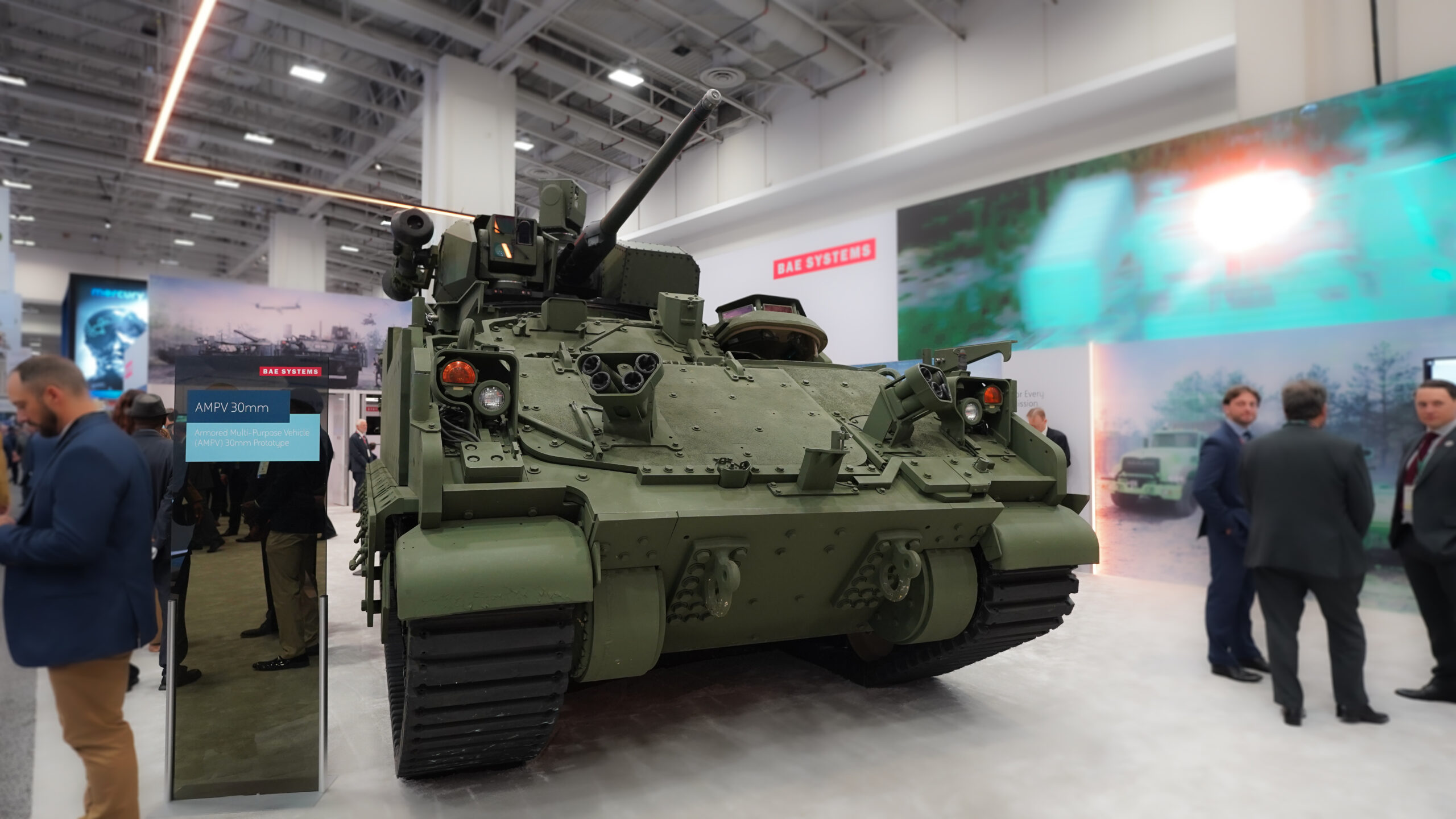
While Oshkosh Defense’s immediate priority is to meet the U.S. Army’s needs, the company is also eyeing future opportunities for the MCWS platform. The turret’s lightweight and flexible design make it adaptable to a variety of platforms, expanding its potential use beyond the Stryker vehicle. Oshkosh has already demonstrated the integration of the MCWS turret on BAE Systems’ Armored Multi-Purpose Vehicle (AMPV) and the Oshkosh Defense Robotic Combat Vehicle (RCV), showcasing the system’s versatility in both manned and unmanned applications.
“We’ve shown that the MCWS has the flexibility to be integrated onto various platforms,” Williams noted. “And we continue to explore additional capabilities, such as an Anti-Tank Guided Missile (ATGM) pop-up launcher, for international partners interested in that capability.”
Enhancing the Army’s Modernization Efforts
As the Army continues its modernization efforts, the Stryker MCWS is positioned to play a critical role in enhancing the combat effectiveness of SBCTs. The system’s ability to provide increased lethality while maintaining mobility and survivability makes it an ideal solution for the evolving demands of modern warfare.
Moreover, the MCWS meets the Army’s affordability goals, delivering a high-performance solution while staying under budget. This balance of cost-effectiveness and operational capability has been a driving factor in the program’s success to date.
“The MCWS delivers transformational lethality at a price well below the Army’s affordability targets,” Williams emphasized. “It’s a win for the Soldiers, the Army, and the taxpayer.”
Looking Ahead: A Future Built on Flexibility
As the Stryker MCWS program moves toward full-scale fielding, its future potential continues to grow. The system’s modular design allows for easy upgrades and integration of additional technologies, ensuring that it can evolve to meet new threats and challenges.
With its demonstrated performance in testing and the positive feedback from Soldiers, the MCWS is set to become an asset of the U.S. Army’s armored vehicle fleet for years to come. Oshkosh Defense remains committed to working closely with the Army to deliver innovative solutions that enhance the safety, survivability, and lethality of the warfighter.
“We’re excited to see this system in the hands of Soldiers and look forward to building on its success,” Williams said. “Innovation never rests, and neither do we.”
PHOTOS: AUSA 2024

 Gallery