SPACEPOWER 2024 — The head of US Space Forces Indo-Pacific sees his brand new field component in Japan as an two way opportunity — with the US side helping Japan flesh out its still nascent military space organization and the Japanese side using its planned investments to grow allied operational capabilities to face ever-increasing threats from China in the region.
Brig. Gen. Anthony Mastalir told reporters at the Space Force Association’s Spacepower conference in Orlando, Fla., that the new United States Space Forces – Japan at Yokota Air Base, stood up Dec. 4, “is going to be really key as United States transforms US Forces Japan into an operational headquarters.”
Secretary of Defense Lloyd Austin announced in July plans to elevate US Forces Japan, also headquartered at Yokota, to a joint force headquarters which will report to the commander of the Indo-Pacific Command, Adm. Samuel Paparo.
Mastalir said the newest Space Force component will be “working very closely” with the commander of US Forces Japan, Lt. Gen. Stephen Jost, and Japanese forces at the Japan Joint Operations Center “to fully integrate the space component.
“As we evolve that relationship back in Oahu, we continue integrating across all the other service components throughout the INDOPACOM headquarters and with allies and partners,” he said. “And this is manifested in terms of better integration of space and space equities into our internal processes, … identifying exercise objectives as part of the joint exercise life cycle, and providing some joint training, because the joint force, in many cases, depends on the Guardians assigned to those organizations to help them understand the equities of space and how it impacts their war fighting capabilities.”
Mastalir said that from the time Space Forces Indo-Pacific was activated, his intent was to “have some organization in country” largely to focus on integrating with the Japan Self Defense Force as it builds up its Space Operations Squadron, which was launched in 2020. He noted that the Japanese military intends to first elevate the squadron to a wing, and “eventually” to its own command.
“Additionally, Japan has in their defense spending plan allocated billions [of dollars] US to increase space capabilities, and to the extent that we’re able to help shape and inform those investments in a way that makes the alliance [better], it makes working and fighting alongside allies more interoperable and more effective. And I wanted to have an organization there that could contribute to that solution,” he added.
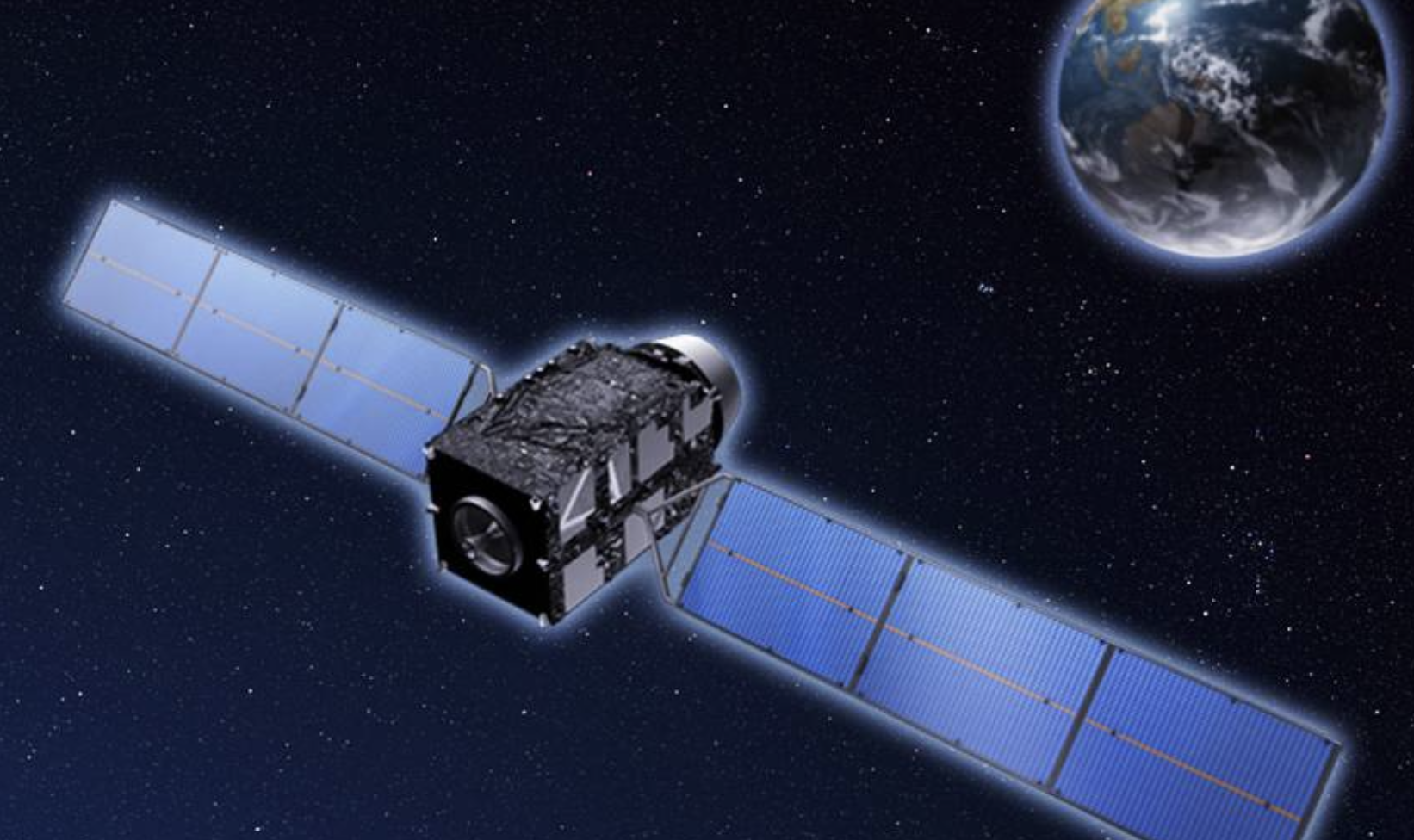
Mastalir noted that the US and Japan already are working closely on a number of space programs, including Tokyo’s Quasi-Zenith Satellite System (QZSS) constellation. The sixth and seventh QZSS satellites will carry Space Force space surveillance payloads, with the QZSS 6 launching early in fiscal year 2026 and QZSS 7 early in fiscal 2027.
Further, the US last year agreed to use data from Japan’s evolving deep space radar to improve its space domain awareness, and Mastalir expressed interest in the country’s plans to also launch a “free flying” space domain awareness satellite.
Space domain awareness is one of US Space Command’s top priorities, with a keen eye to the on-orbit activities of China that US military leaders see as a growing threat.
“We must protect and defend our blue space assets to ensure that the Joint Force can close the long-range kill chains that they intend to execute. Second, we must be prepared to challenge red space in order to break the PLA’s long-range kill chains and protect the Joint Force from space-enabled attack,” Mastalir said.
“Those are themes that you heard earlier today from the [Chief of Space Operations Gen. Chance Saltzman], and they are absolutely 100 percent imperative when you look at the threats that we’re facing in the Indo-Pacific,” he added.
Breaking Defense Video