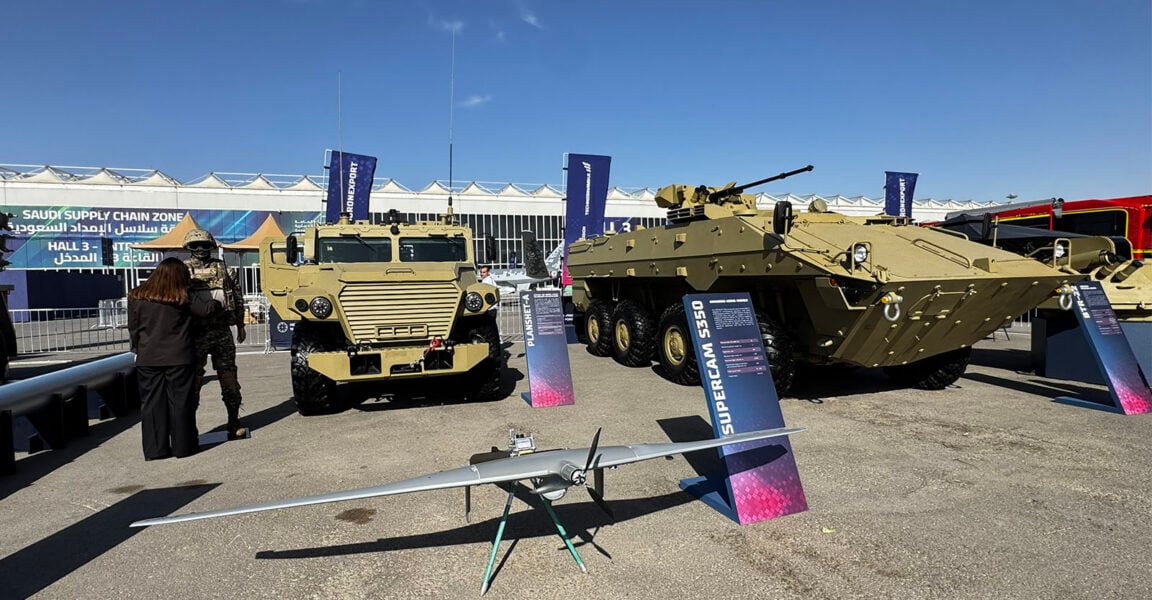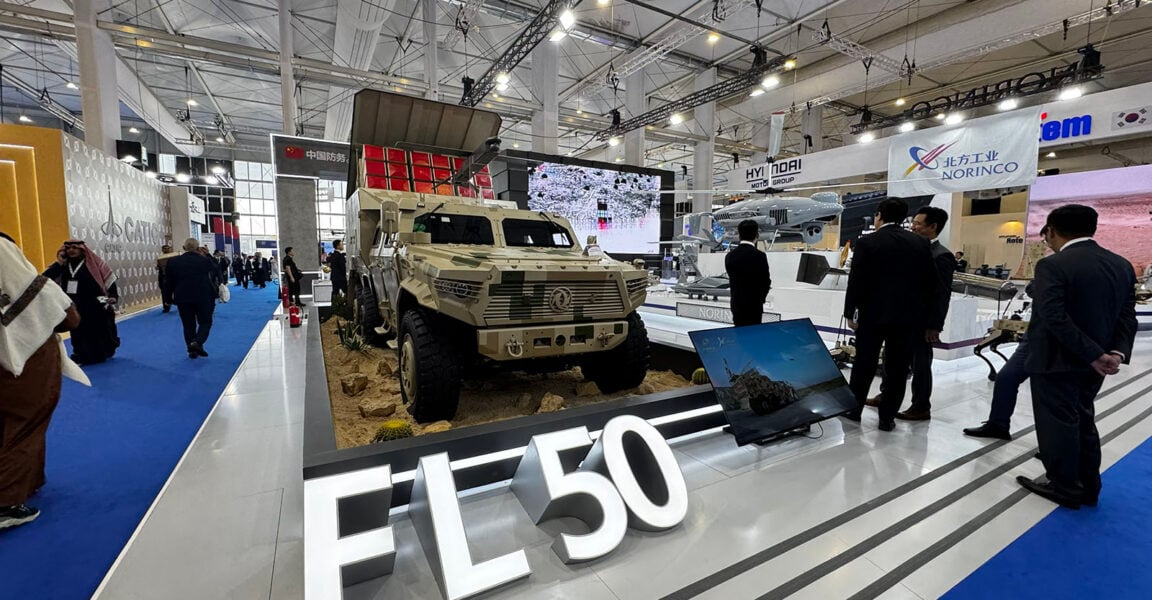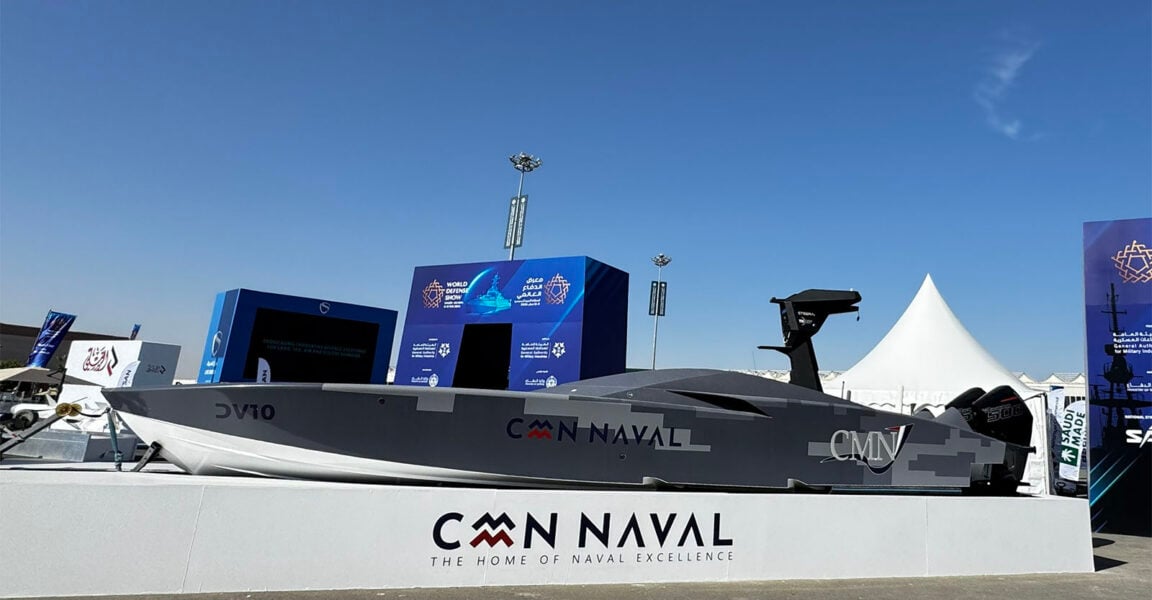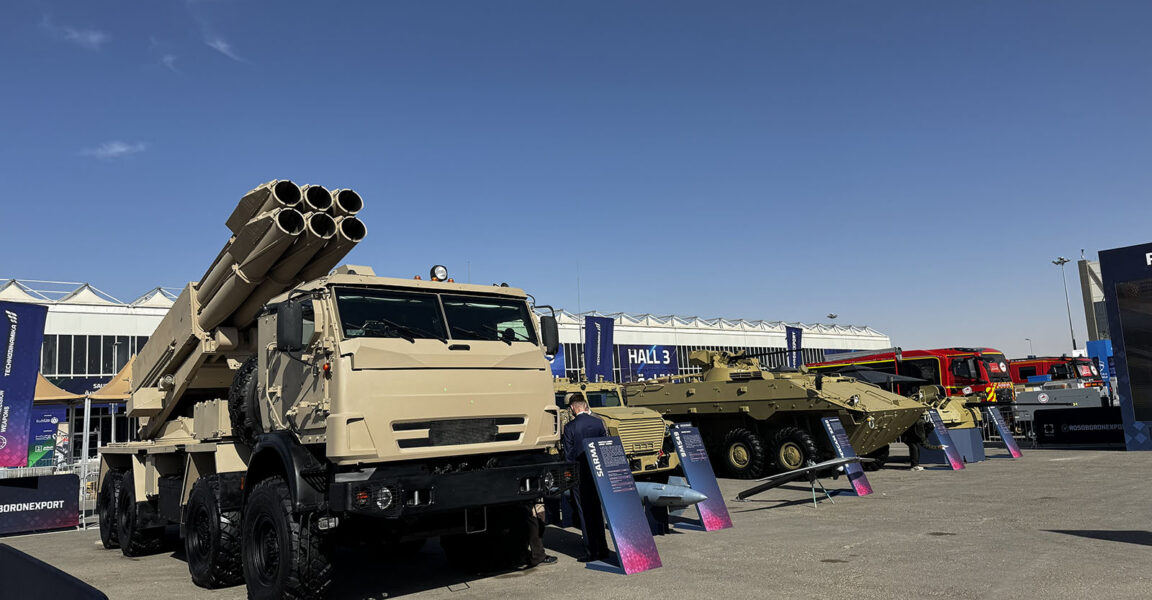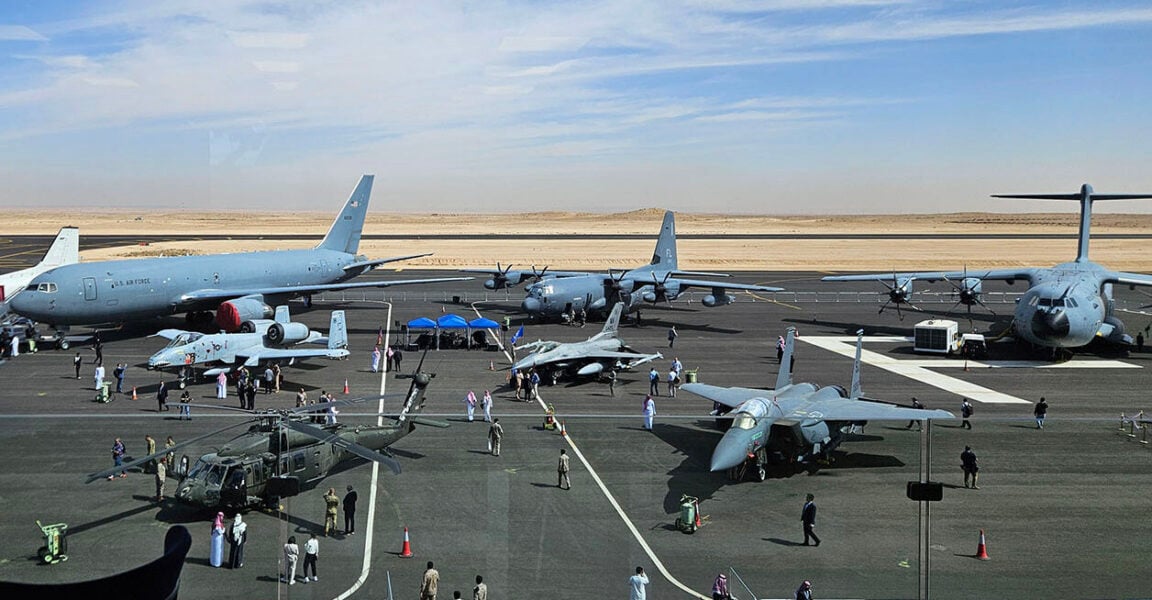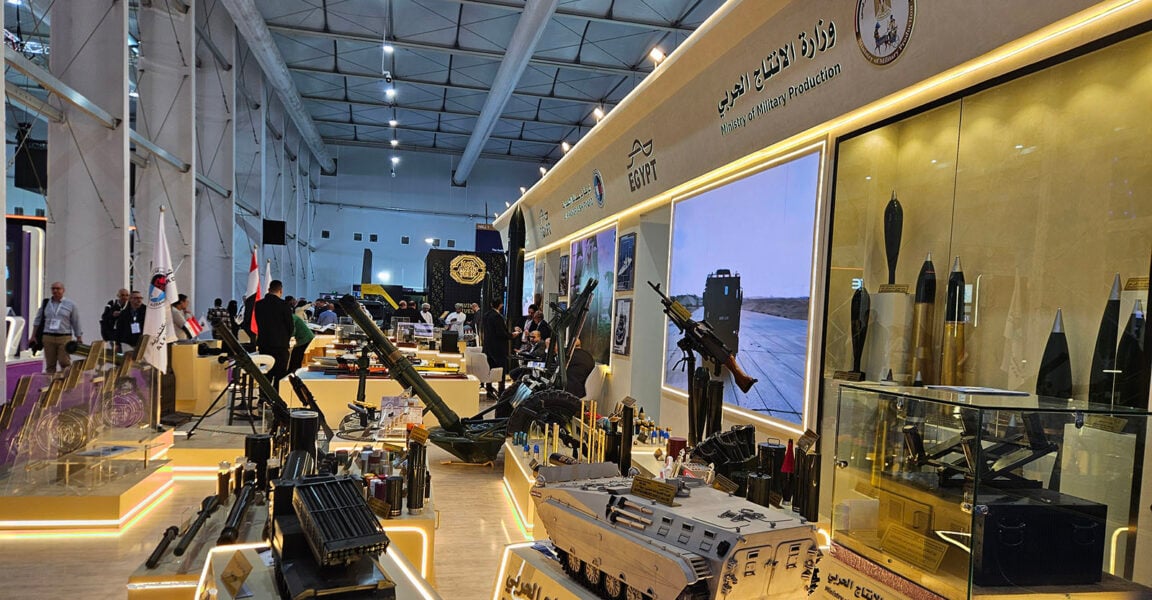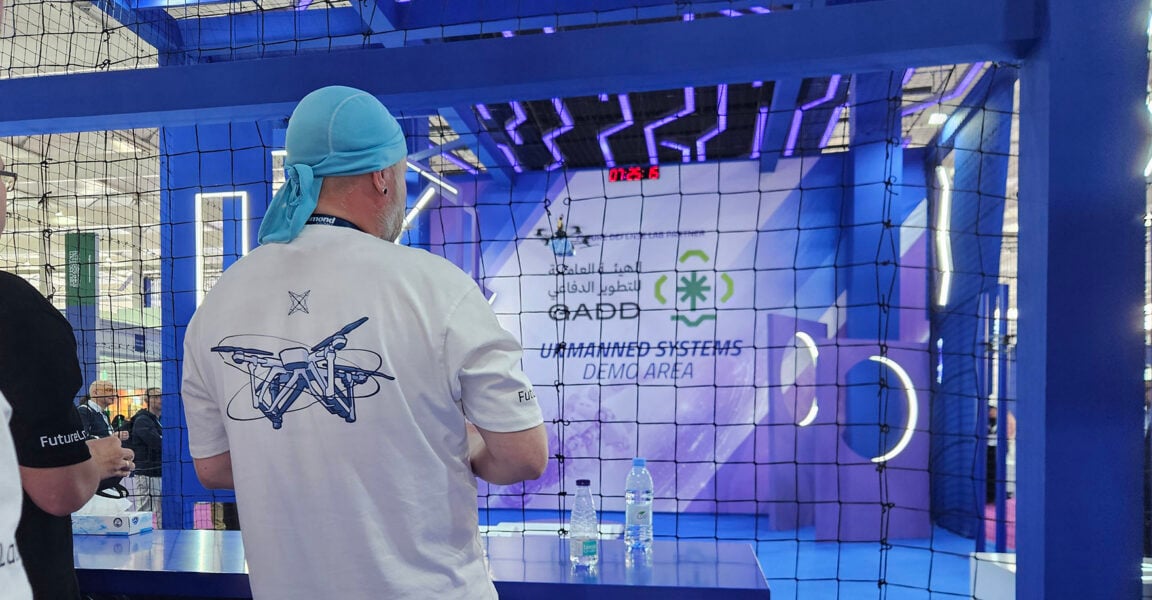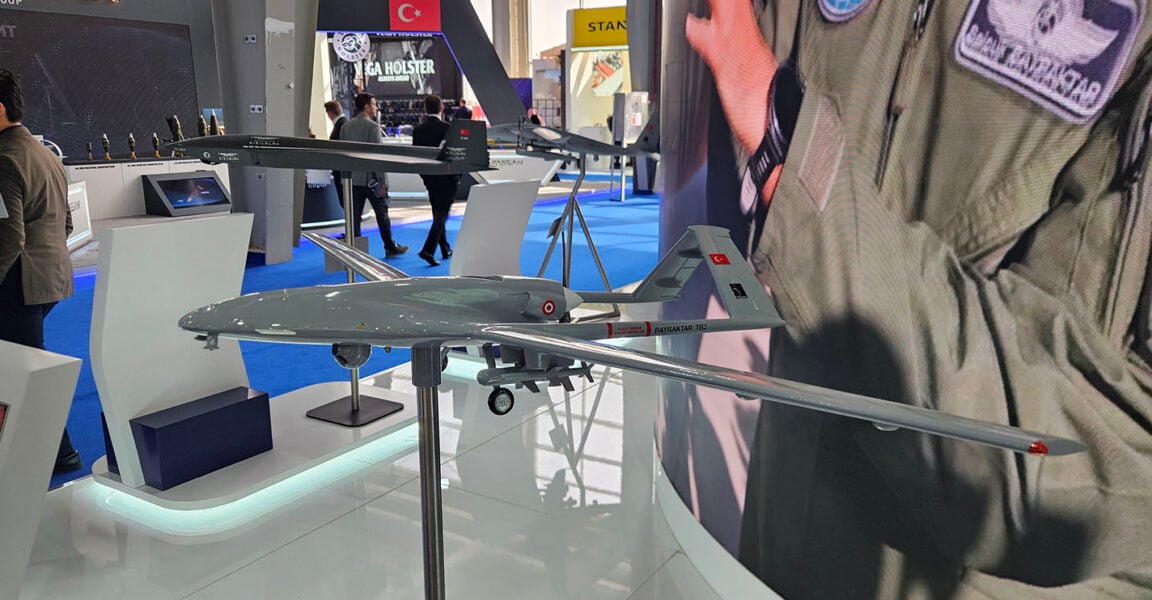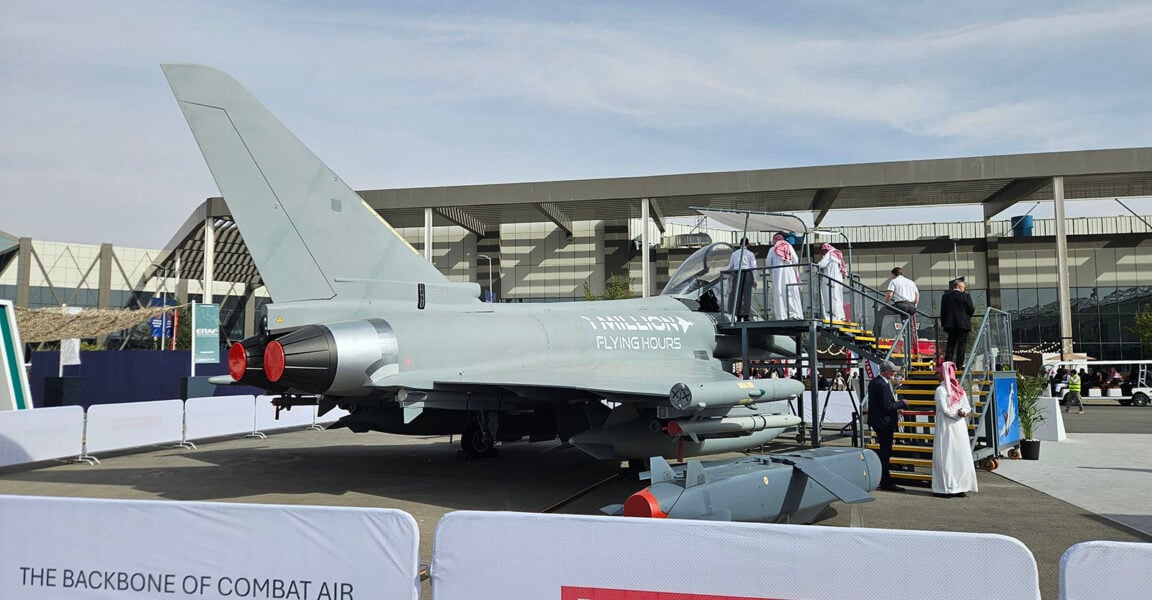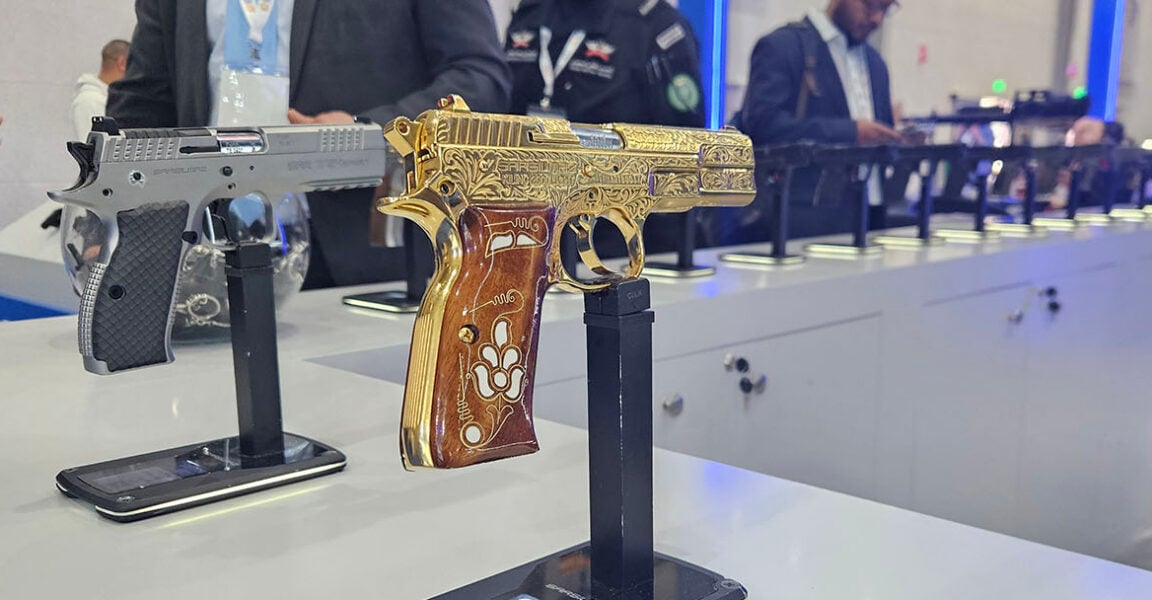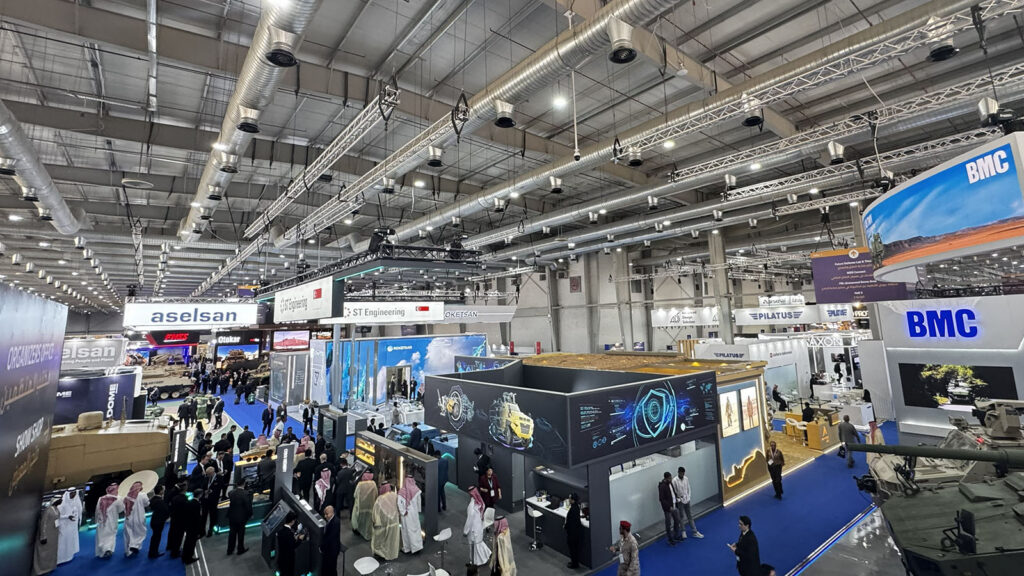
WORLD DEFENSE SHOW 2026 — Emirati defense firms didn’t show up at the third edition of World Defense show taking place in the Kingdom of Saudi Arabia, a move experts said is likely tied to deteriorating relations between the two Gulf countries.
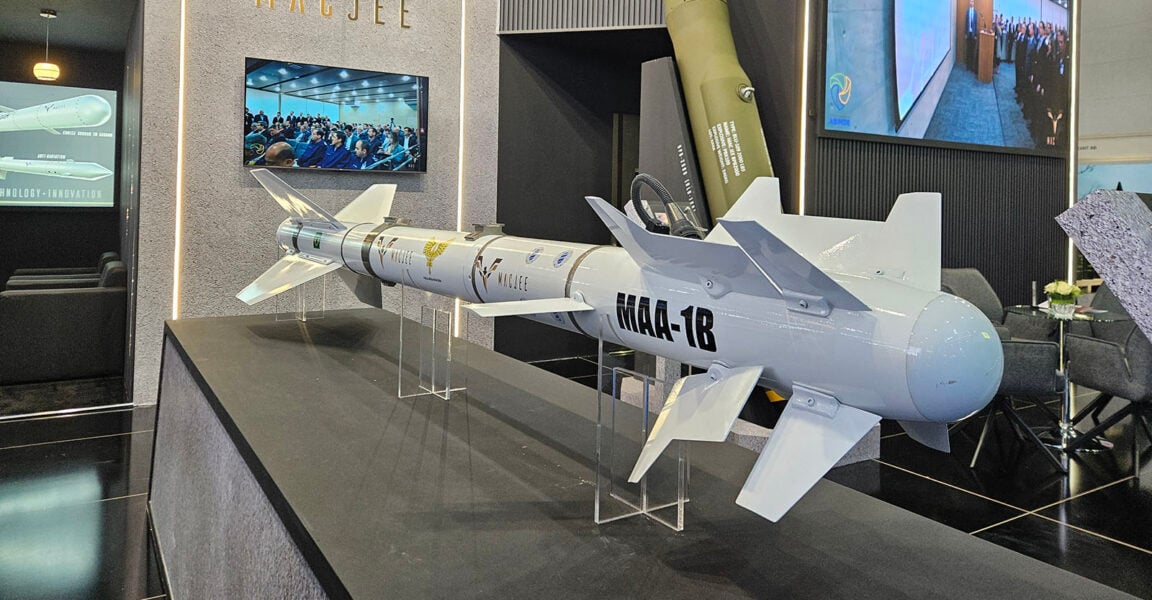
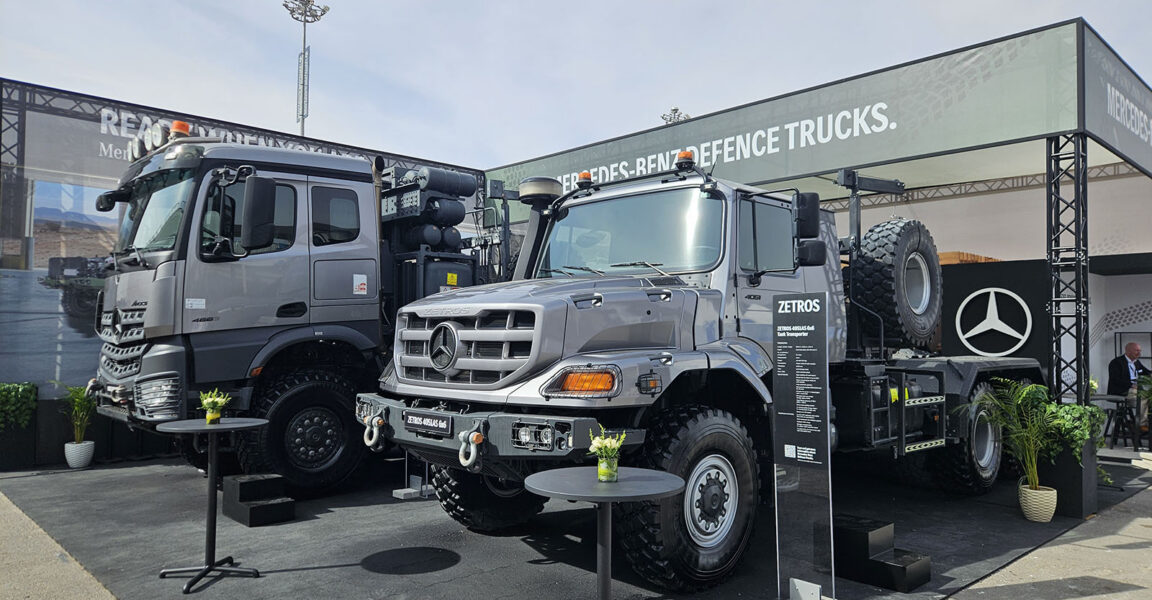
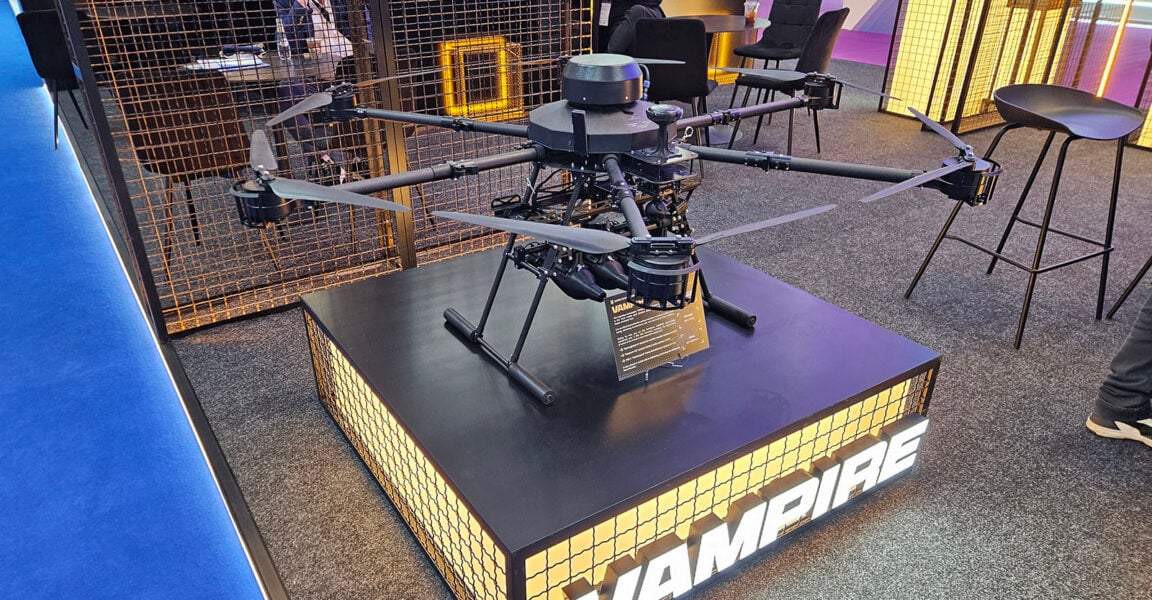
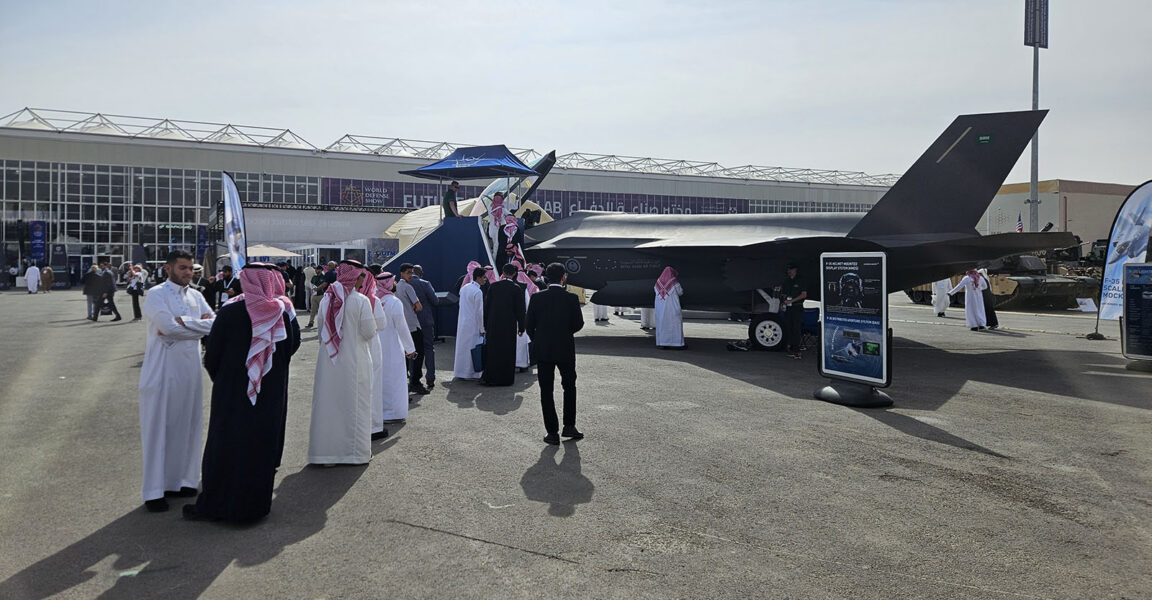
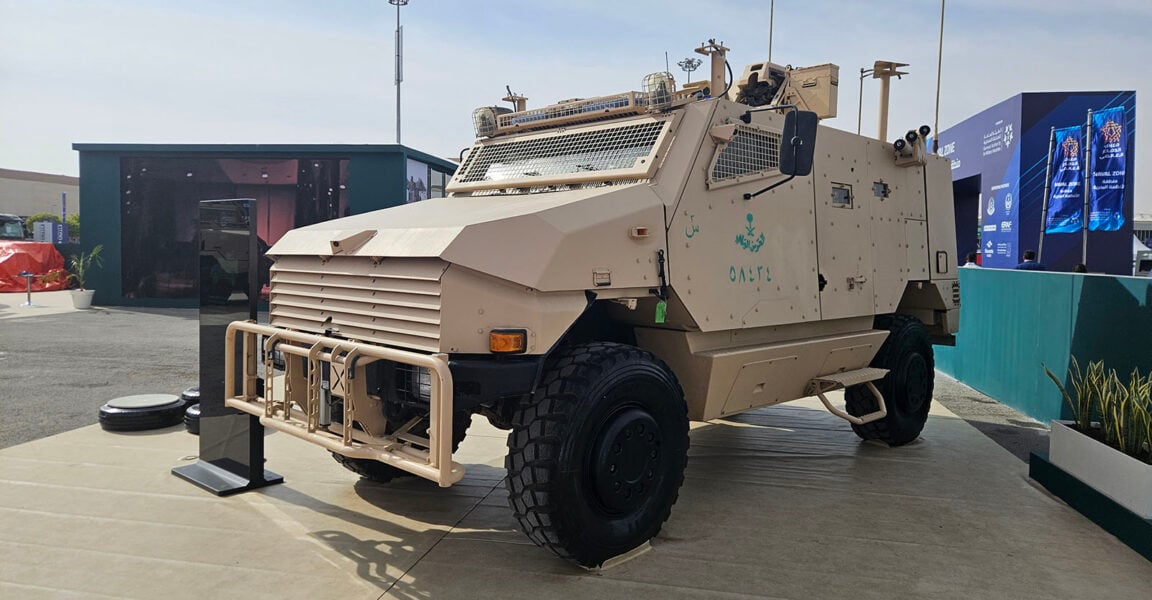
Some 30 Emirati entities are officially listed as WDS exhibitors, but Emirati presence is almost nowhere to be found on the show floor. Some companies with ties to the United Arab Emirates do have their wares on display, but generally through parent, subsidiary or sister firms.
Reuters first reported over the weekend that some Emirati firms were planning to pull out of the show.
Regional analysts said they suspect ramifications from a dramatic split over the conflict in Yemen is likely to blame.
RELATED: Defense’s biggest players are heading to the World Defense Show. Here’s what to expect.
Both Saudi Arabia and the United Arab Emirates are backing anti-Houthi forces in Yemen, but in recent weeks have fallen out — so much so that in December a Saudi-led coalition launched an airstrike on what it said was a UAE-linked weapons shipment in Yemen.
Ryan Bohl, a senior Middle East and North Africa analyst at the RANE Network, told Breaking Defense the Emiratis “are trying to signal to Saudi Arabia their displeasure and some of the economic consequences for Saudi Arabia taking such a strident stance against the UAE’s proxy there.”
“Relations are a bit tense,” Gulf defense expert David Des Roches agreed.
The tension over Yemen comes amid a broader rivalry between the two nations. Des Roches said that the Kingdom’s requirement from companies to relocate regional headquarters to Saudi Arabia to do business with it “can be seen as a zero sum game where KSA’s gain is Dubai’s loss.”
Both experts said they didn’t expect the situation between the two Gulf States to go beyond the absence at the exhibition and to deteriorate into an hard operational boycott in the Gulf Cooperation Council.
“Tactical and operational stuff will continue. Missile defense is a US-led mission. Even during the Qatar blockade, Qatari forces participated in GCC staffing and exercises,” Des Roches said.
Bohl told Breaking Defense that “almost certainly both Saudi Arabia and the UAE will try to signal to one another in subtle way their displeasure with each other’s policies. That could well escalate into a soft boycott of one another’s conventions for both defense and other sectors.”
Longer term, Jonathan Panikoff, director of the Atlantic Council’s Scowcroft Middle East Security Initiative, said the rivalry is one to watch closely.
“Their quarreling will shape the region for the next decade, including how they approach security engagements with Western powers, how they court private-sector investments, and how they choose to engage in several ongoing and brewing regional conflicts,” he wrote in Foreign Affairs last week.
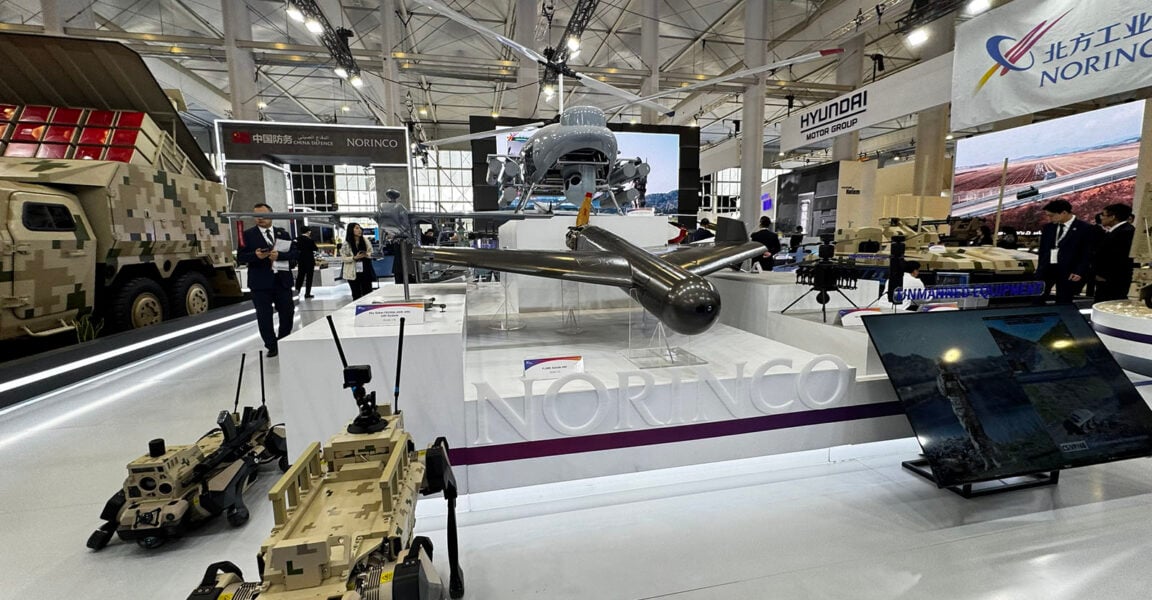
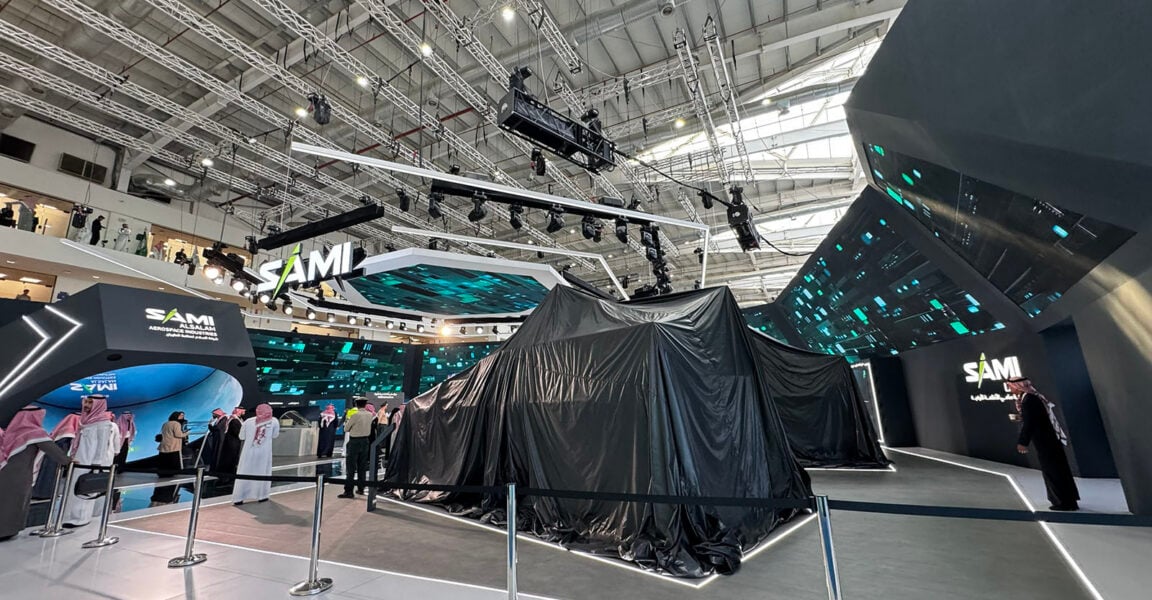
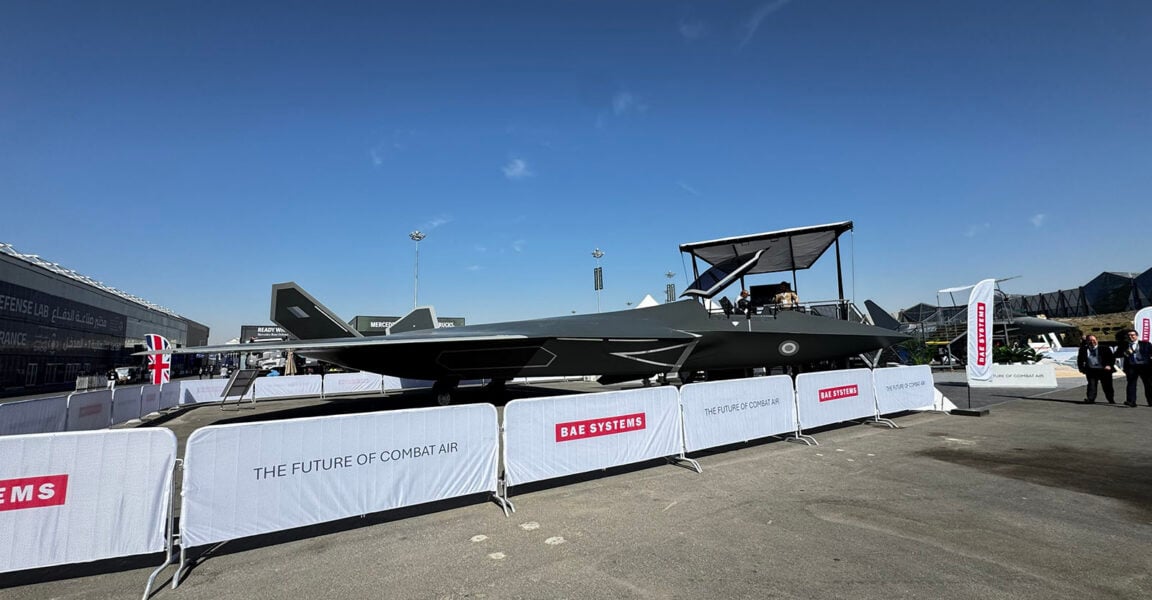
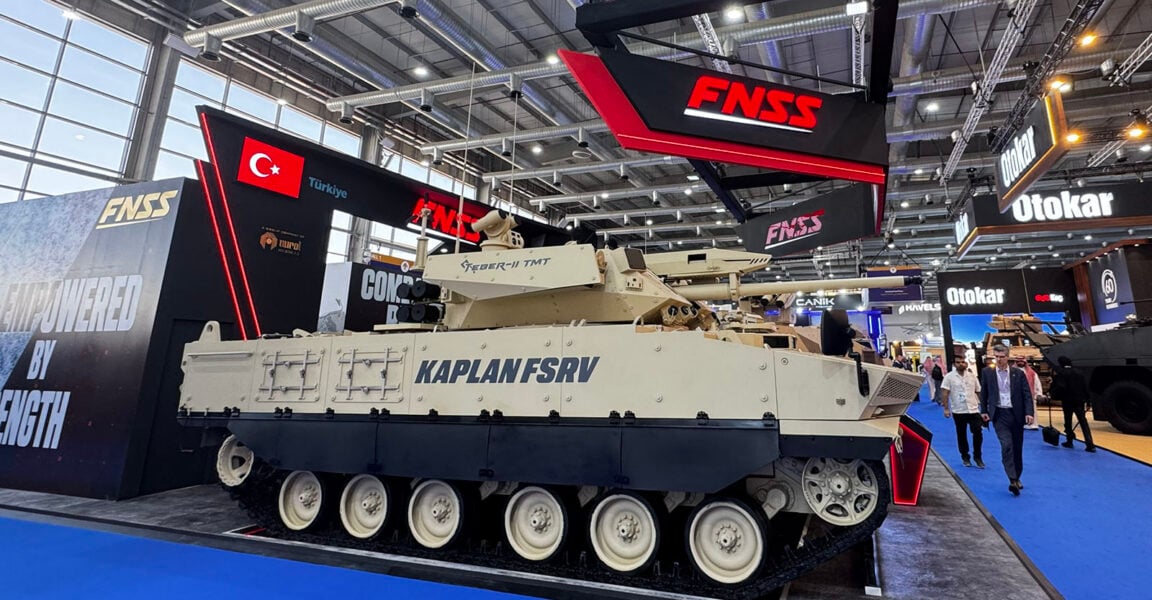
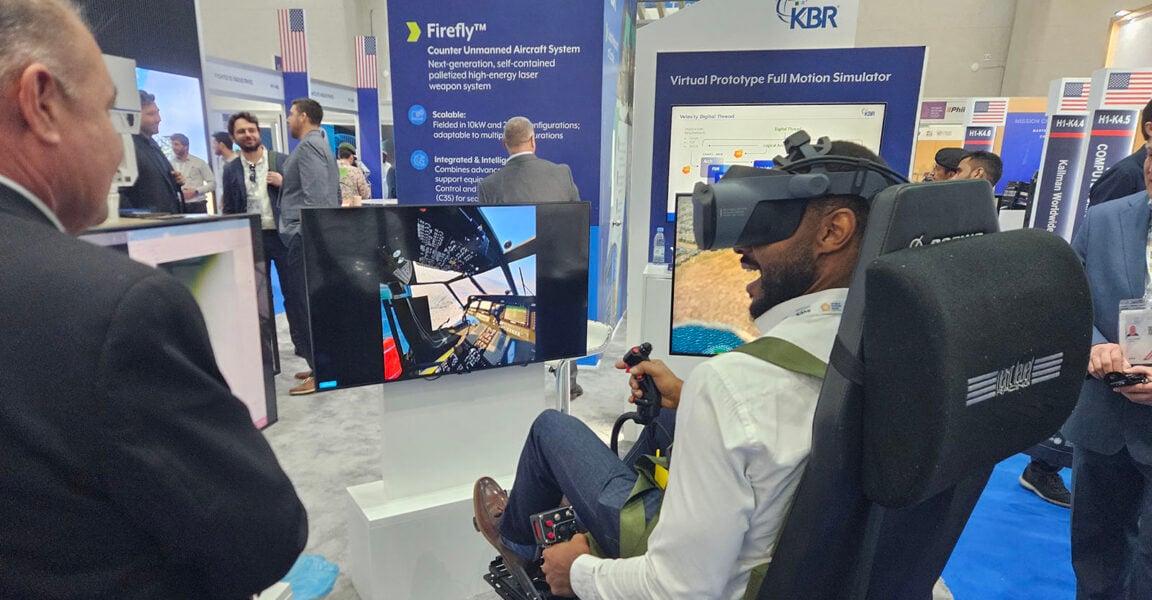
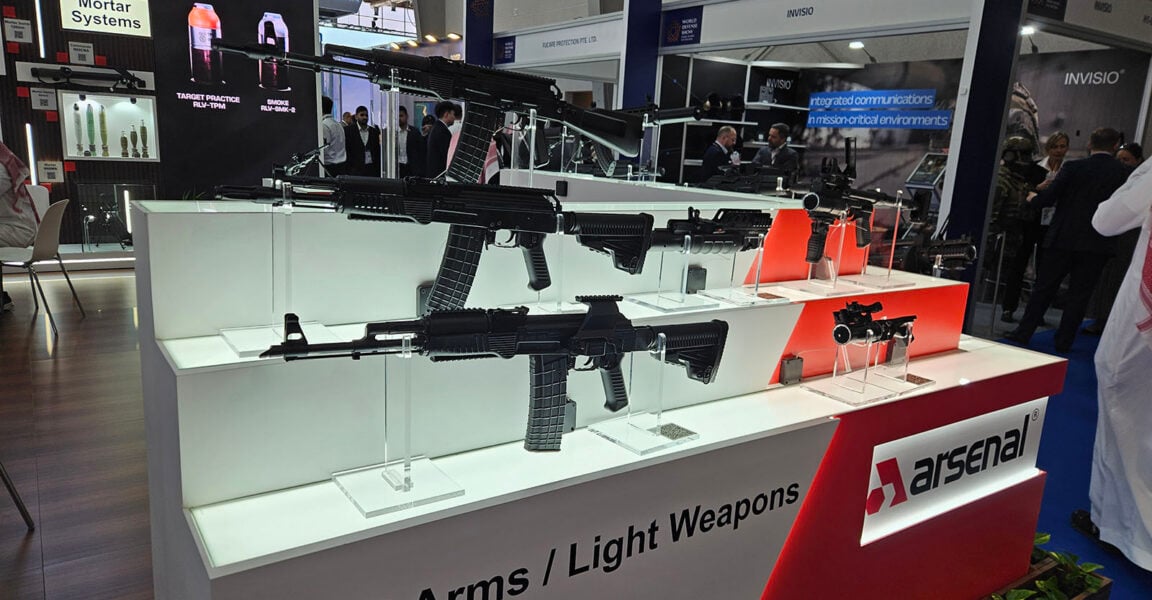
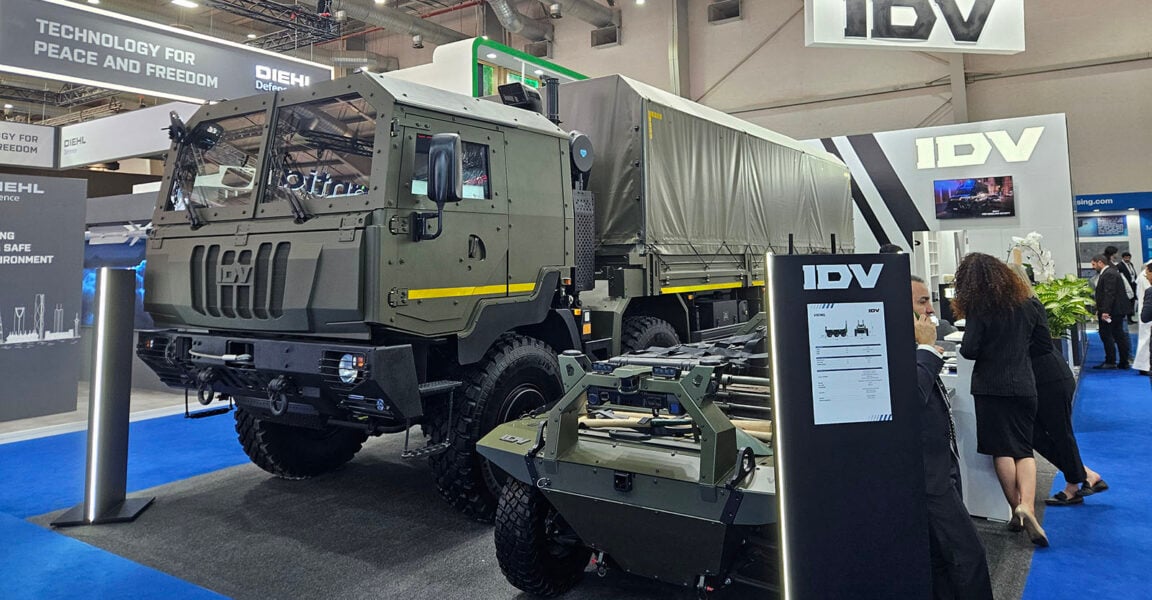
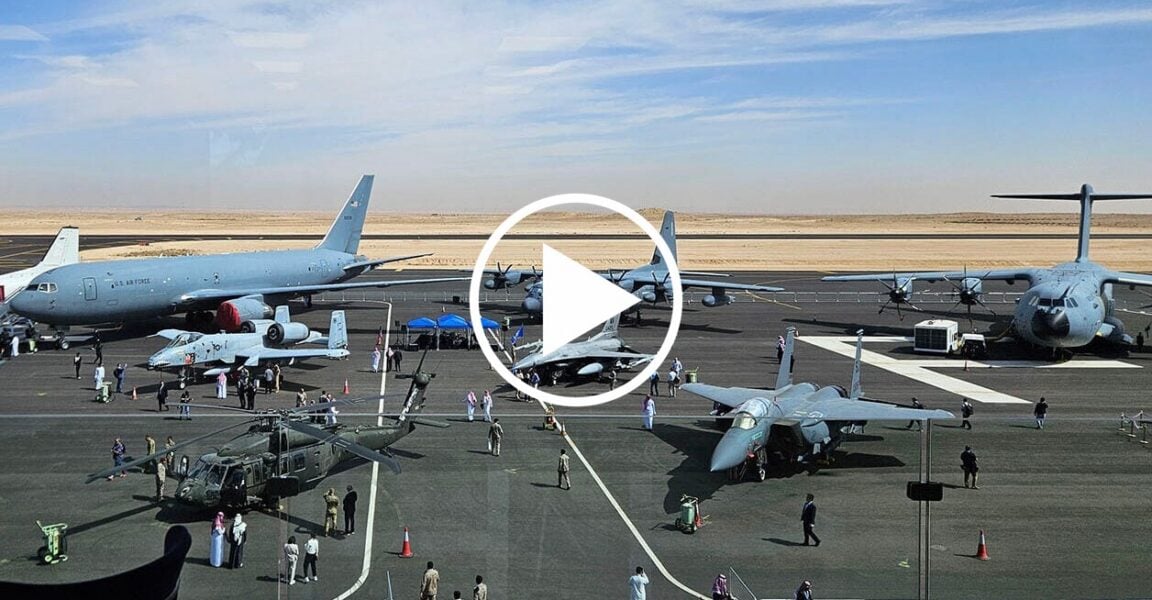
PHOTOS: World Defense Show 2026
 Gallery