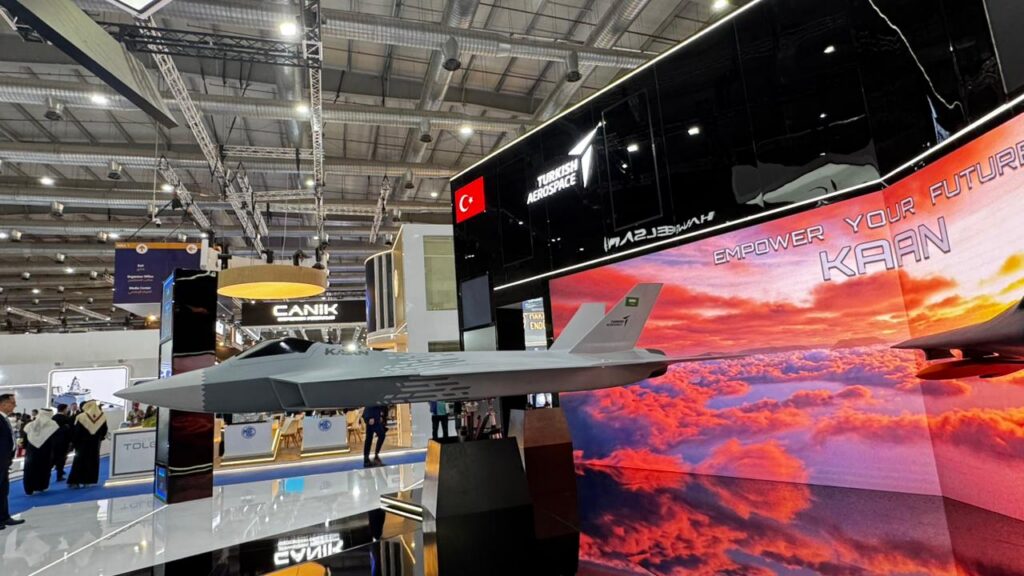
WORLD DEFENSE SHOW 2026 — A senior executive at Turkish Aerospace says a decision could be close regarding Saudi Arabia’s potential participation in Turkey’s next-generation KAAN fighter program.
“It is in the final stages of decision-making process,” Mehmet Demiroglu, the firm’s general manager, told Breaking Defense on Monday. “We are hoping to reach a milestone this year, [the] start of a program at any level.”
He said that could amount to a sale of some 20 of the planes, which is a “small squadron.” Or it could mean sharing parts of production.
“The models and the feasibility studies require certain numbers. If you want to build something here [in Saudi Arabia], like a final assembly line, that feasibility study suggests that it should be at least 50 [planes],” he said. “To further develop future systems like sixth-generation and beyond, or build something here locally that will also add up, but for a sixth-generation fighter, and [looking at] about a Saudi size, it will be a sizeable number.”
Speaking on the sidelines of the World Defense Show outside Riyadh, Demiroglu said that TA, formerly known as Turkish Aerospace Industries (TAI), discussed “pretty much everything, with the timeline, with the benefit, with the cost, all the feasibility studies is there,” and the firm is waiting for a decision to be made by the “Saudi friends” on what model of purchase and cooperation the KAAN program will take. Demiroglu said he hopes to hear a yes sometime in 2026.
A model of the plane was on display at TA’s exhibit at the World Defense Show, suggestively tagged with a Saudi flag on its tail.
Vision 2030 of the Kingdom of Saudi Arabia mandates 50 percent defense production in the Kingdom by 2030, which is the drive behind foreign companies proposals to localize production of systems and subsystems in the Kingdom.
“This is an ambitious goal, [with] like five years left, and for defense companies to start production at some level here in the Kingdom it will take time, but we are fully supporting it,” Demiroglu told Breaking Defense during the interview at World Defense Show in the Kingdom.
Riyadh has not said publicly how it plans to next upgrade its fighter fleet, and several options are on the table. Saudi Arabia flies scores of Boeing-made F-15 fighters, a mix of older C/D variants and some newer SA models, and this week Boeing executives said they stand by ready to upgrade any mix of those to equal the capabilities of the most advanced EX version.
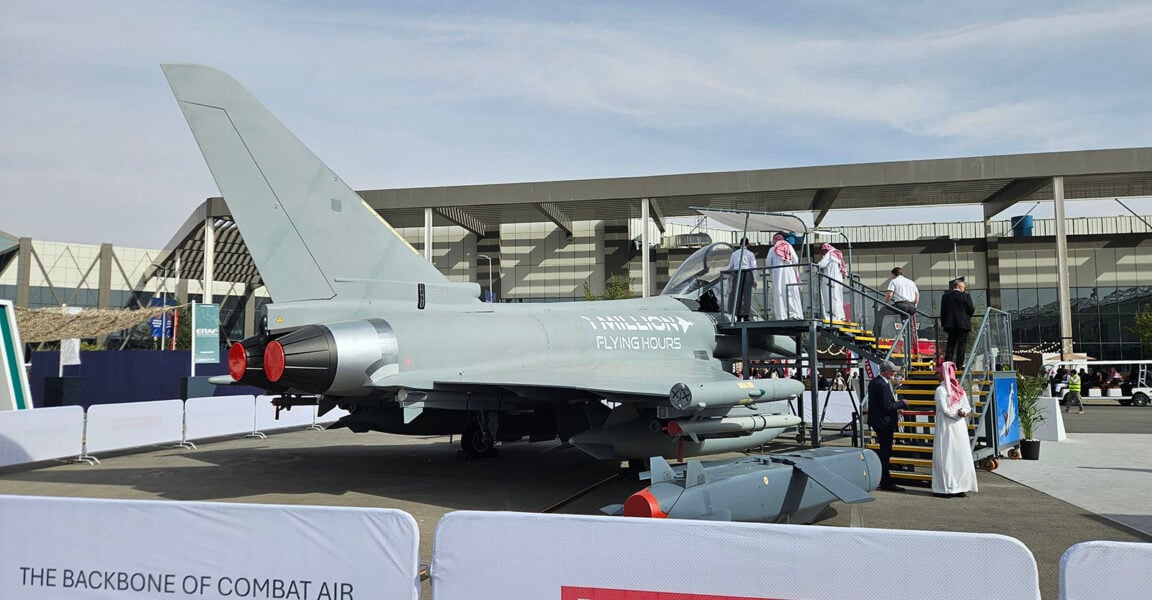
The Kingdom also flies dozens of Eurofighter Typhoons, though talks about additional aircraft have been stalled for years. A real potential shakeup came in November, when the White House announced it had cleared Riyadh to buy an undisclosed number of fifth-generation F-35 fighter jets, though there’s been little news on that front.
KAAN’s Own CCAs And Engines
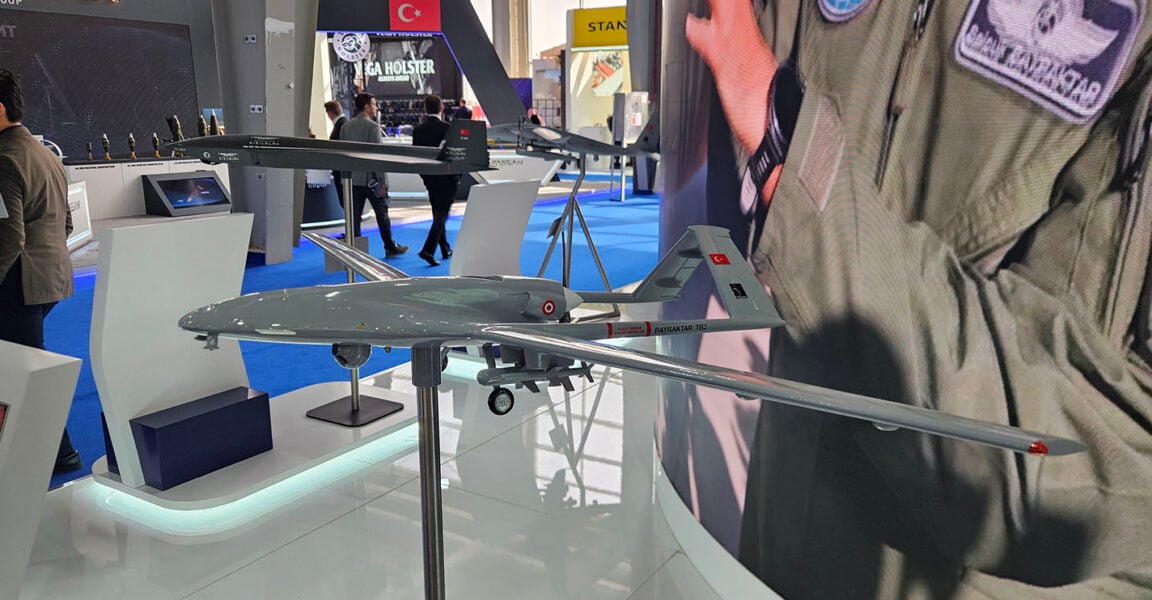
At the World Defense Show, two other aircraft flanked the KAAN: Anka 3 unmanned aerial vehicles, marketed as collaborative combat aircraft.
Those, Demiroglu, are “part of the sixth generation discussion, for sure. Because when you talk about the sixth generation, it means manned-unmanned teaming is essential part of it, plus many other aspects.”

Demiroglu said TA has two Anka 3 prototypes flying already, and “based on those test results and the advancement in the design, we updated the design, and now it is more capable in terms of range, in terms of payload, in terms of RCS [radar cross section]. … The updated and upgraded model is already going into production for prototypes first and the serial production at the same time.”
During the interview, Demiroglu also revealed he didn’t expect any delays for the KAAN’s engine, an F110 made by US-based General Electric, despite the threat coming from trade barriers. TA plans to develop 10 prototypes and afterwards production of the first batch will start.
“We already have 10 engines, enough to cover all our prototypes. We don’t have any problem in terms of development,” he said pointing that the first batch to be delivered to Turkish air force will start early 2029.
“We are expecting engines from the US, and it is in the final stage of approval, as we speak, and based on our communication with Turkish government authorities, like foreign affairs and also US, we don’t see any problem of the delivery or export license of those engines. We should receive the approval, maybe this month, maybe next, for the first batch [for] Block 10 and 20,” he said.
Using the F110, the KAAN is considered at 4.5-gen fighter, but the company wants to eventually equip Block 30 planes with a purpose-made, domestically produced engine to bring it up for fifth-generation capabilities.
“It’s a challenging project. It’s a very high-end engine in terms of design, in terms of material, in terms of manufacturing, and our goal is [by] 2032 for first test, and the 2033 is the final delivery,” he concluded.
Elsewhere during WDS 2026, TA signed a memorandum of understanding (MOU) with Saudi Arabia’s General Authority for Military Industries for international coproduction of its Gokbey utility helicopter in the Kingdom of Saudi Arabia.
Within the framework of the agreement production of the “required helicopter configurations will be carried out in Saudi Arabia together with a designated local industrial partner,” TA said in a statement, highlighting that the co-produced helicopters in KSA will be available to export market.
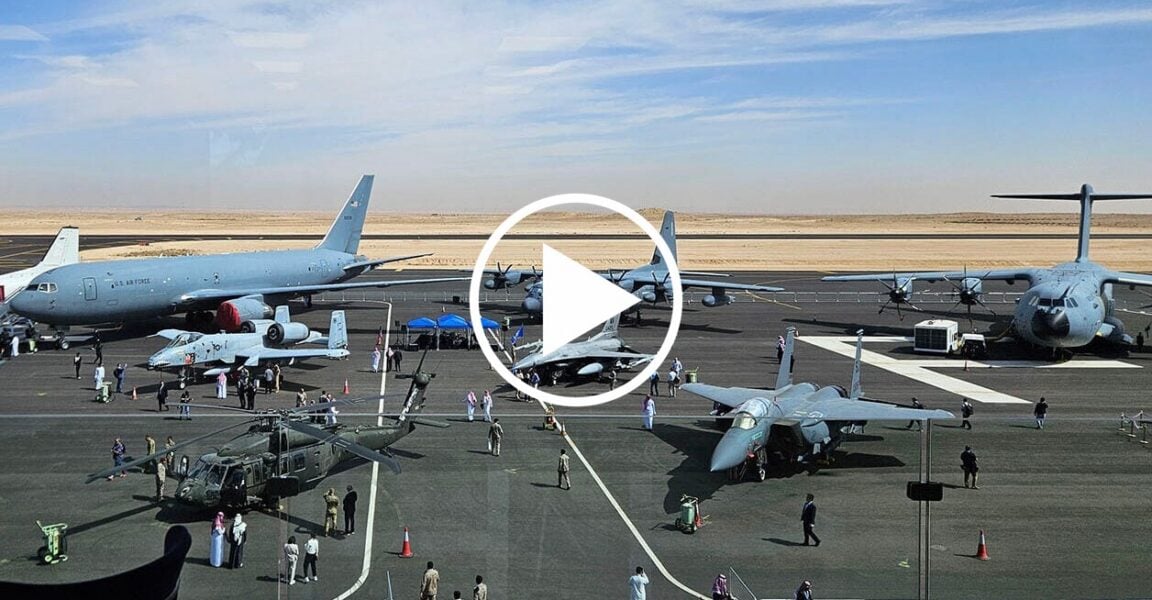
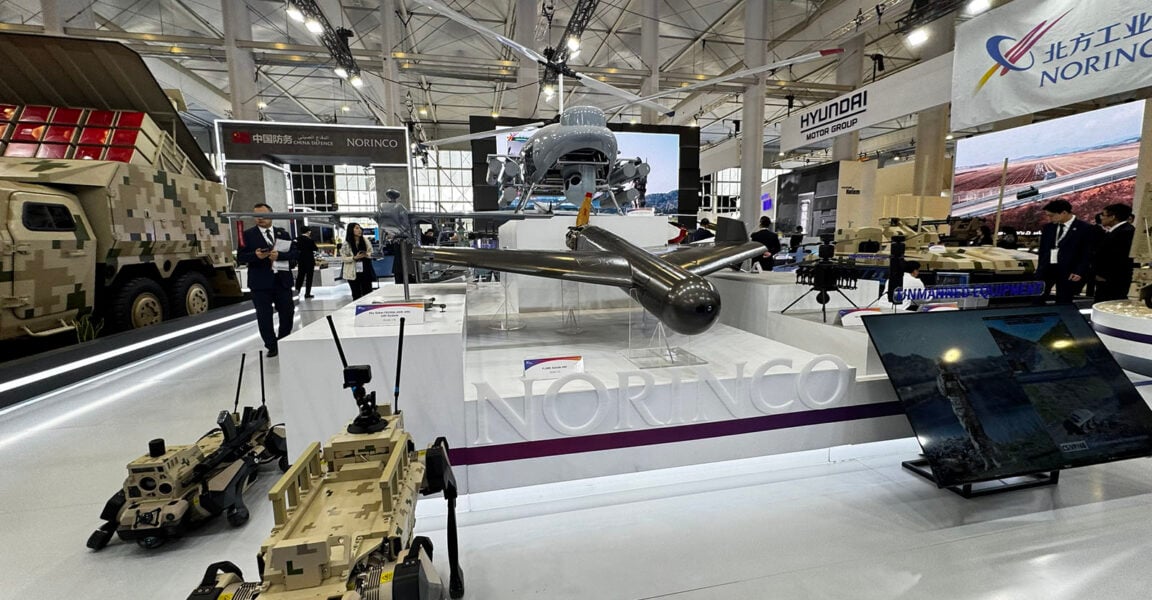
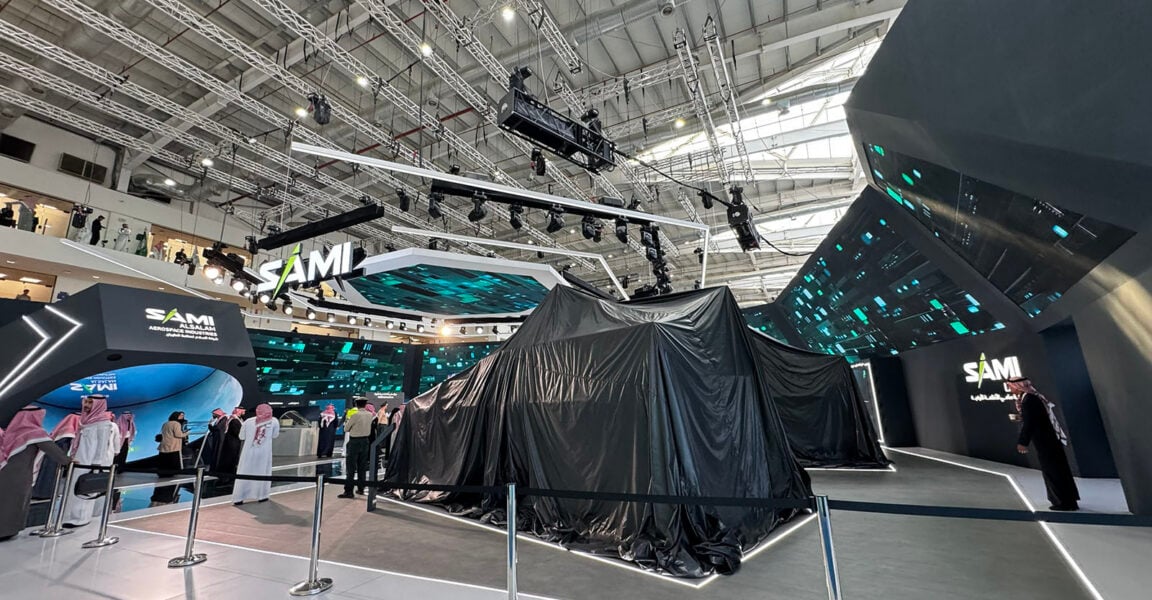
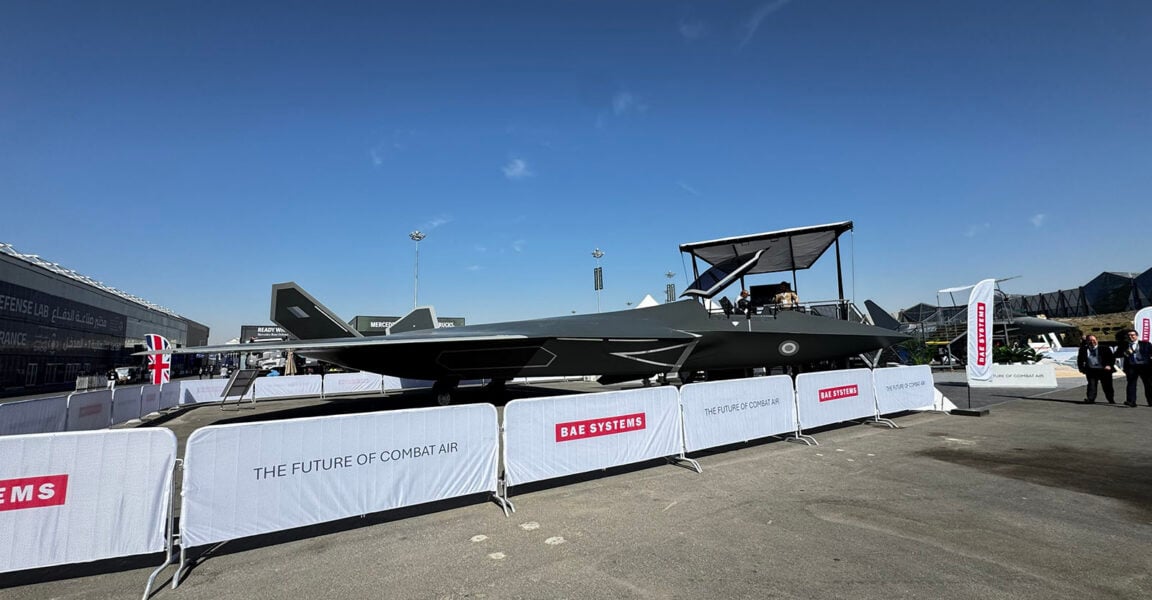
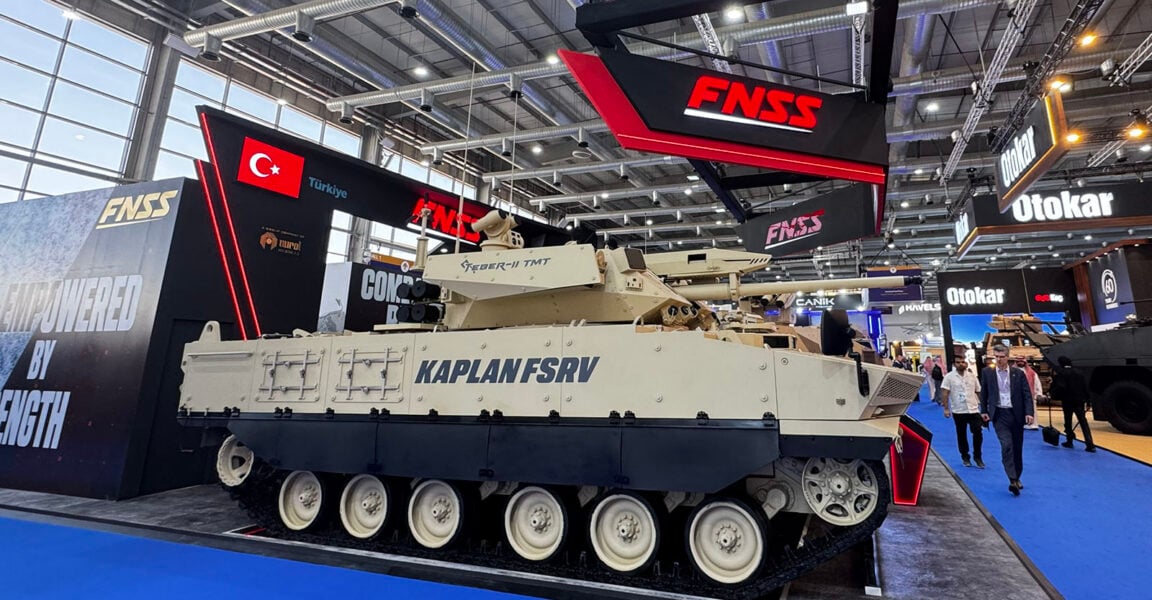
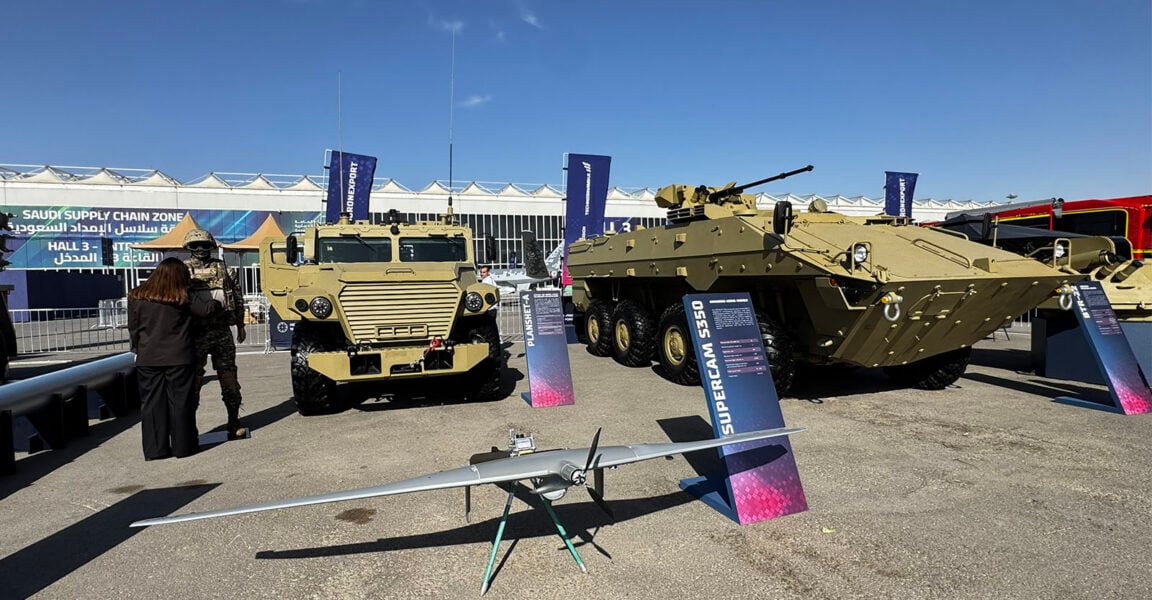
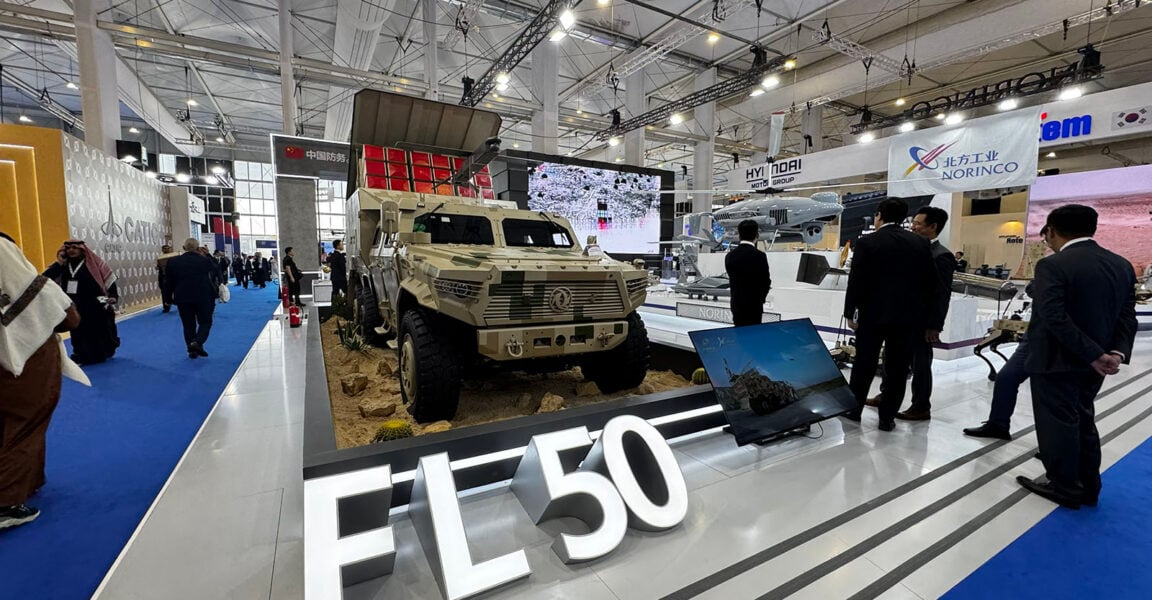
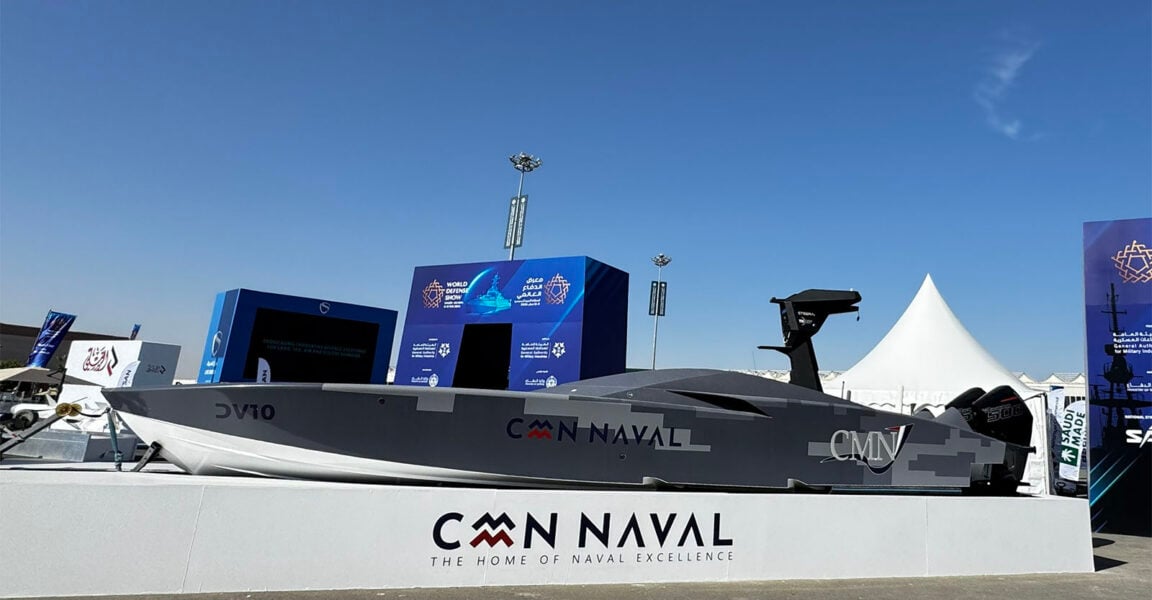
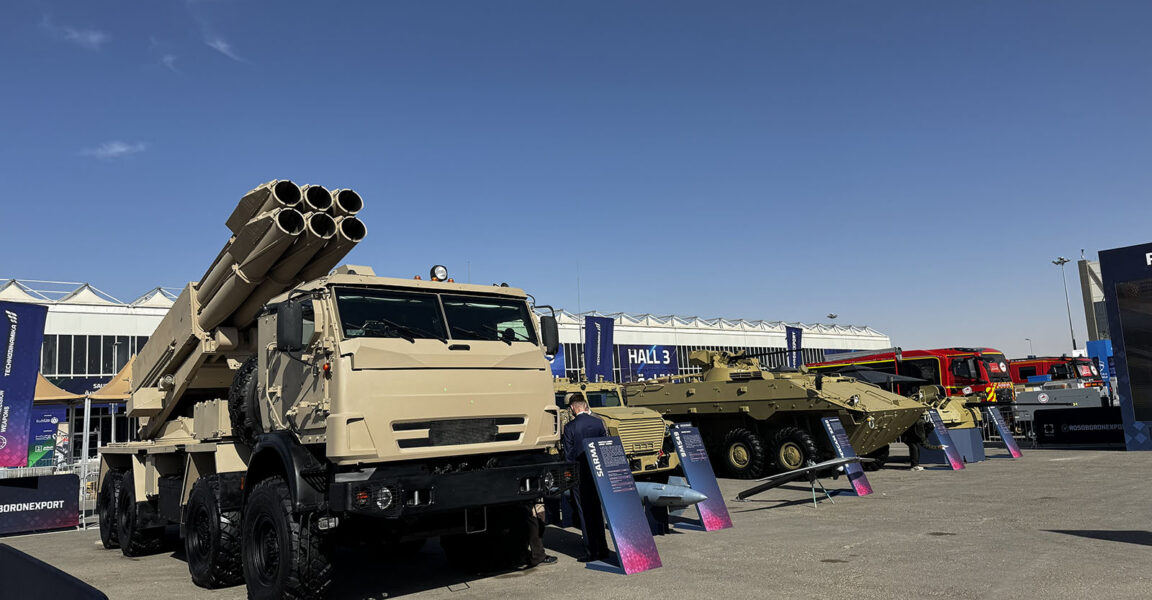
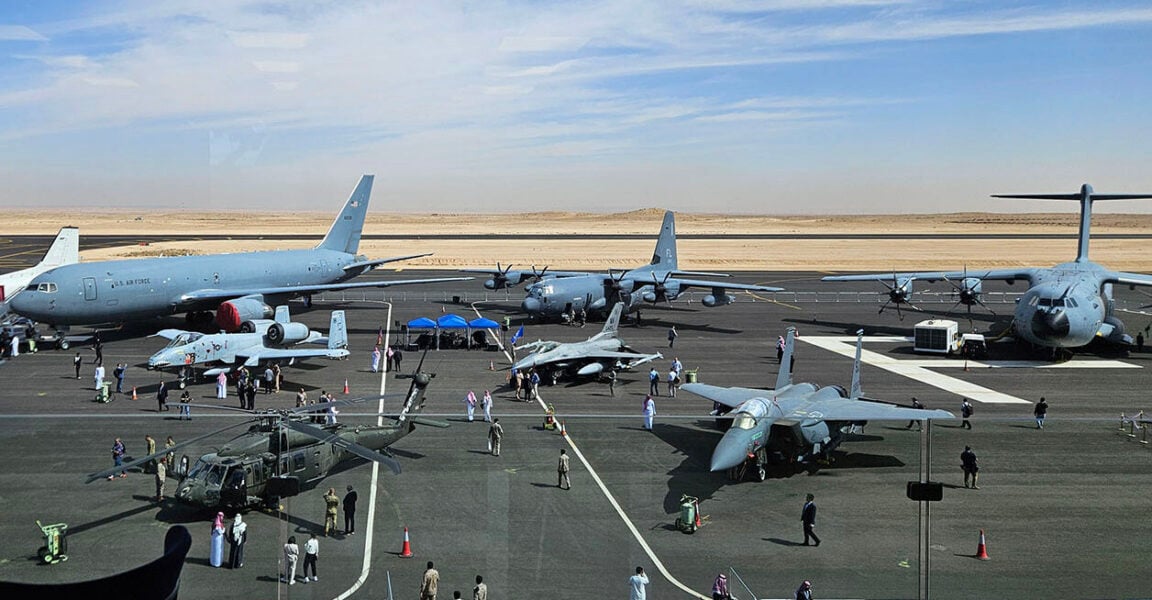
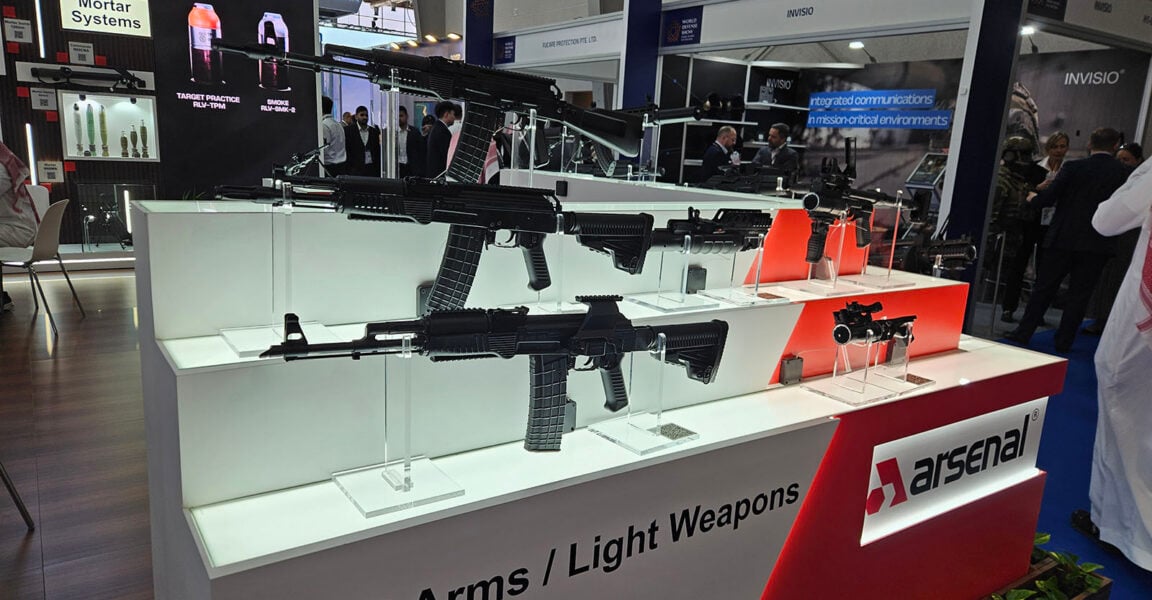
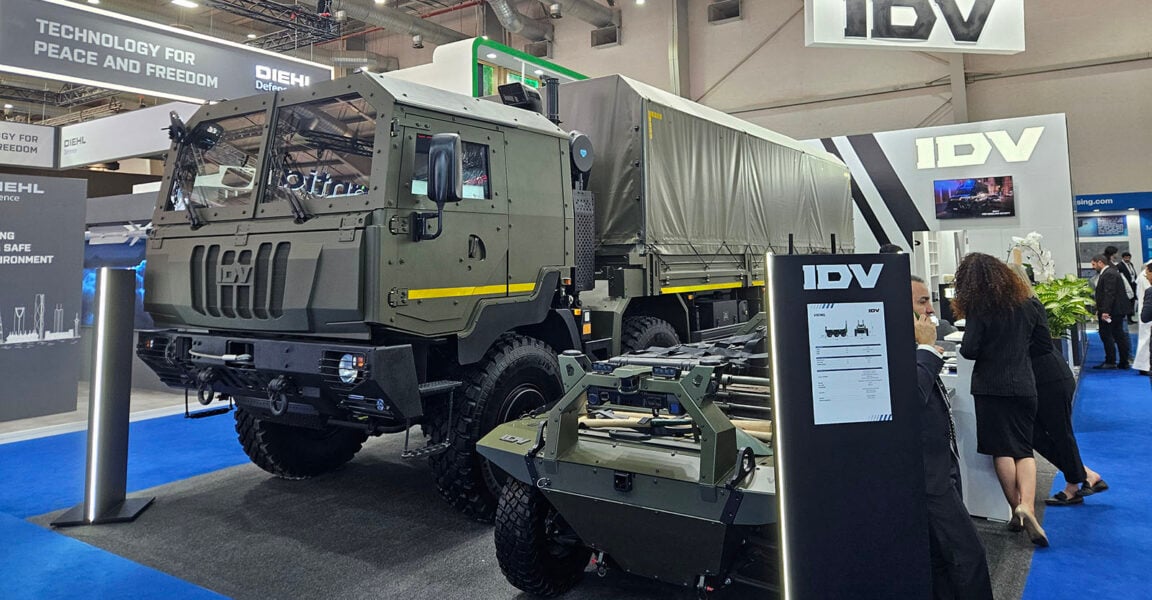
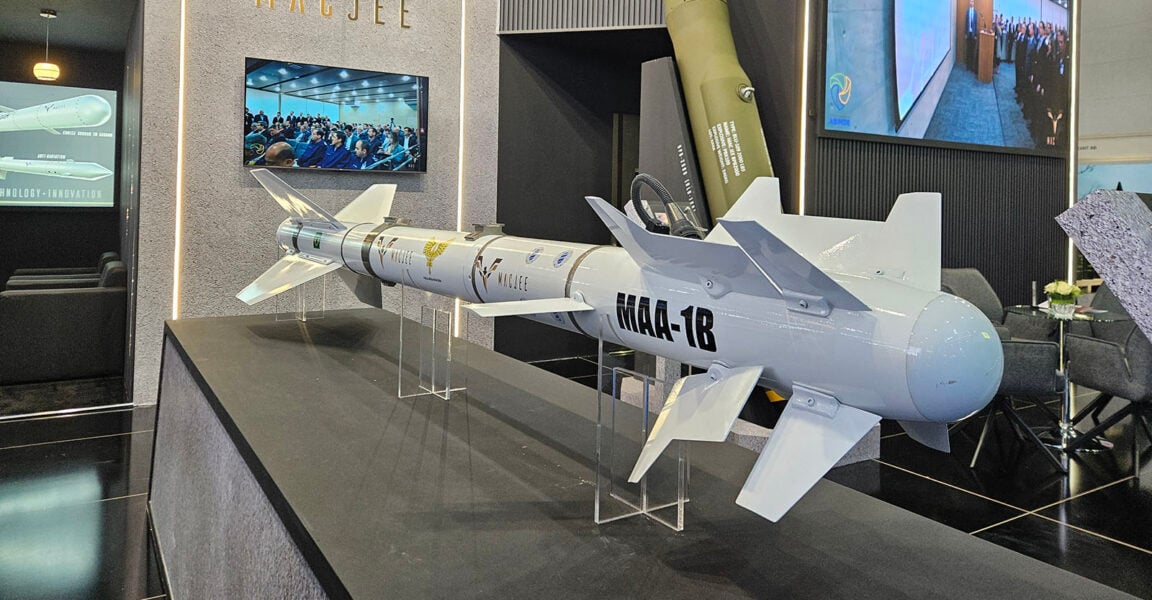
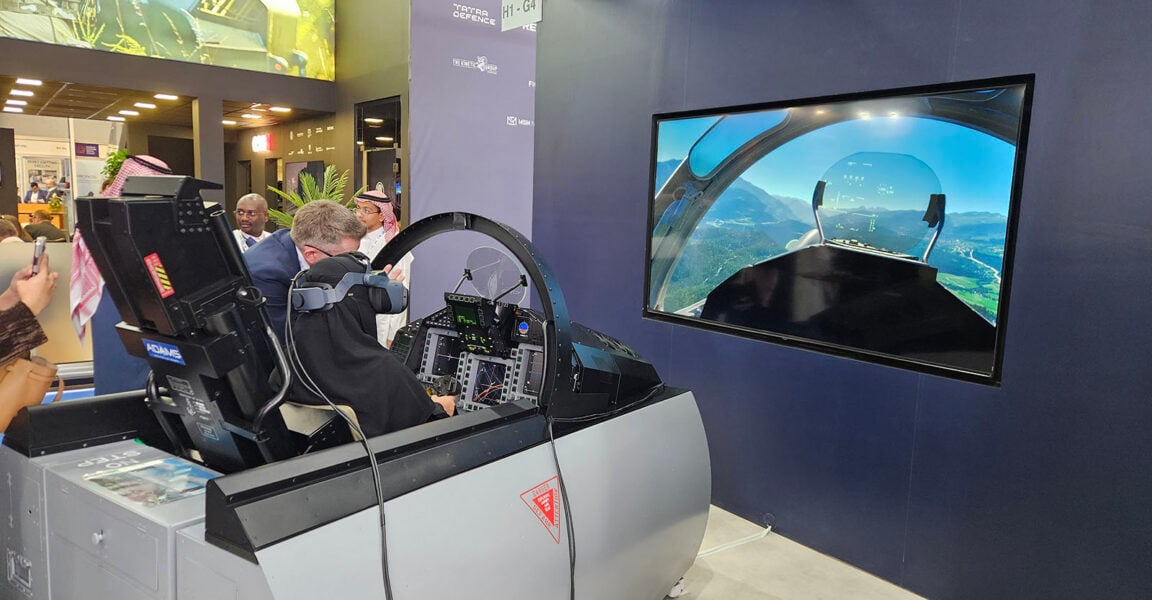
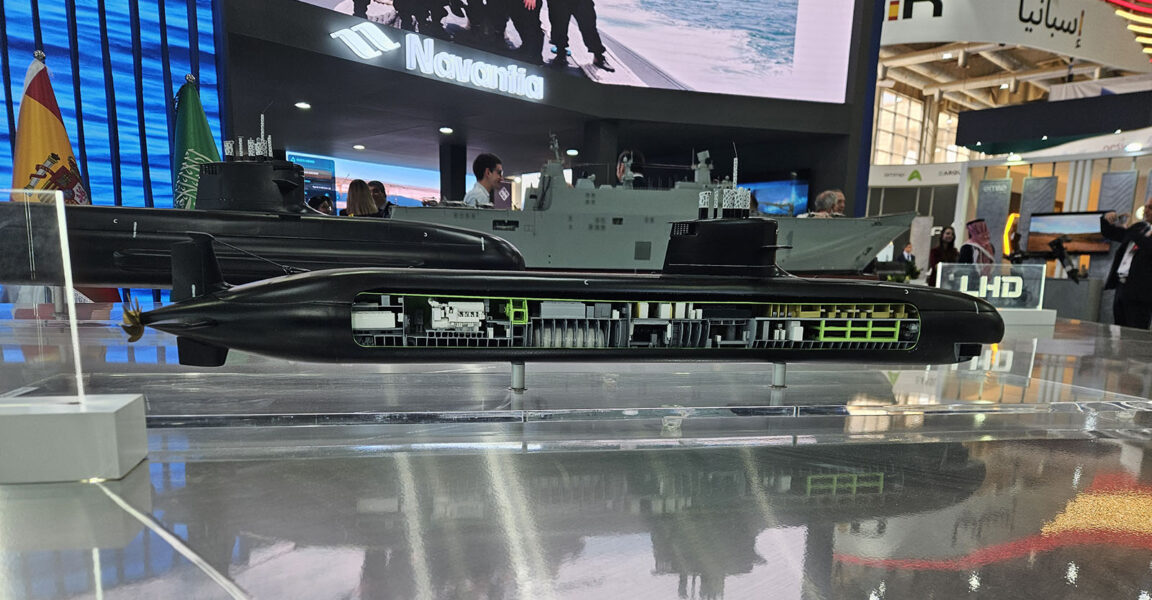
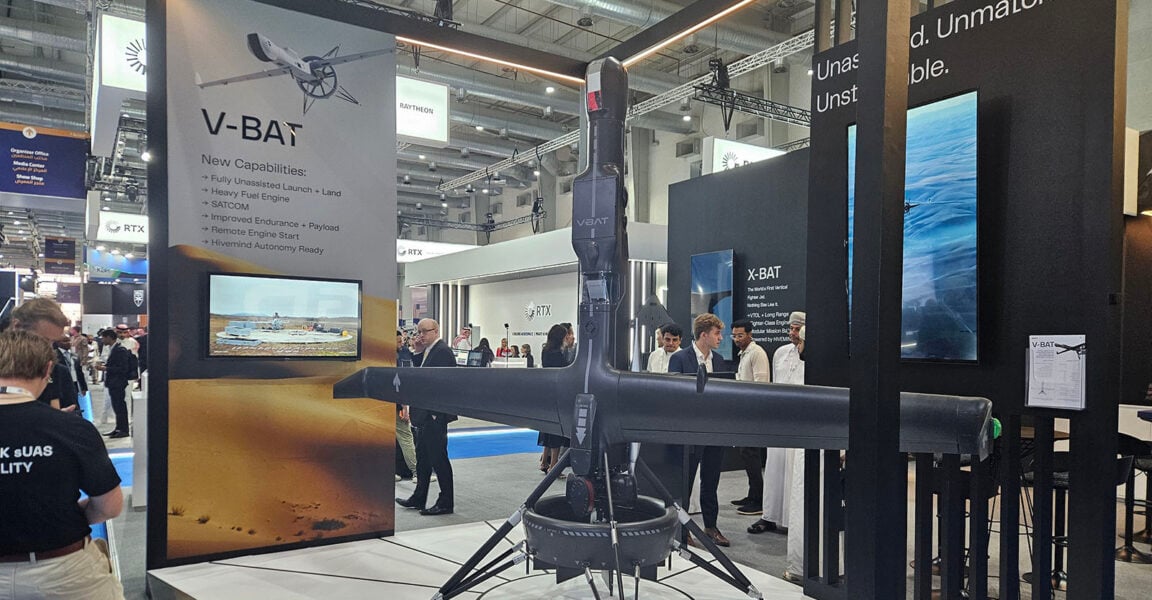
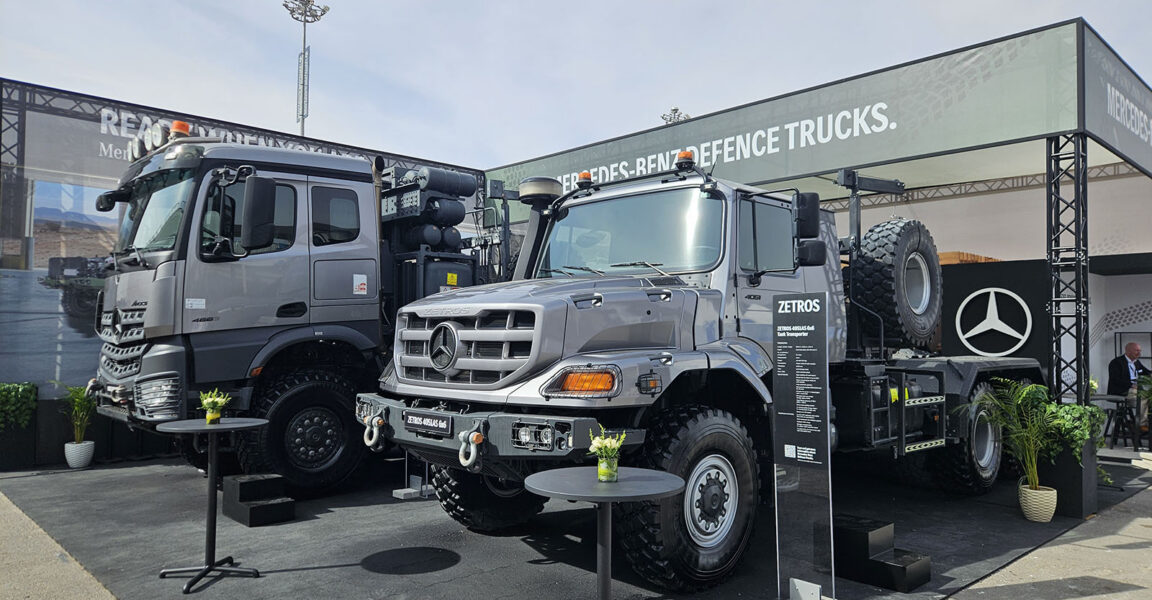
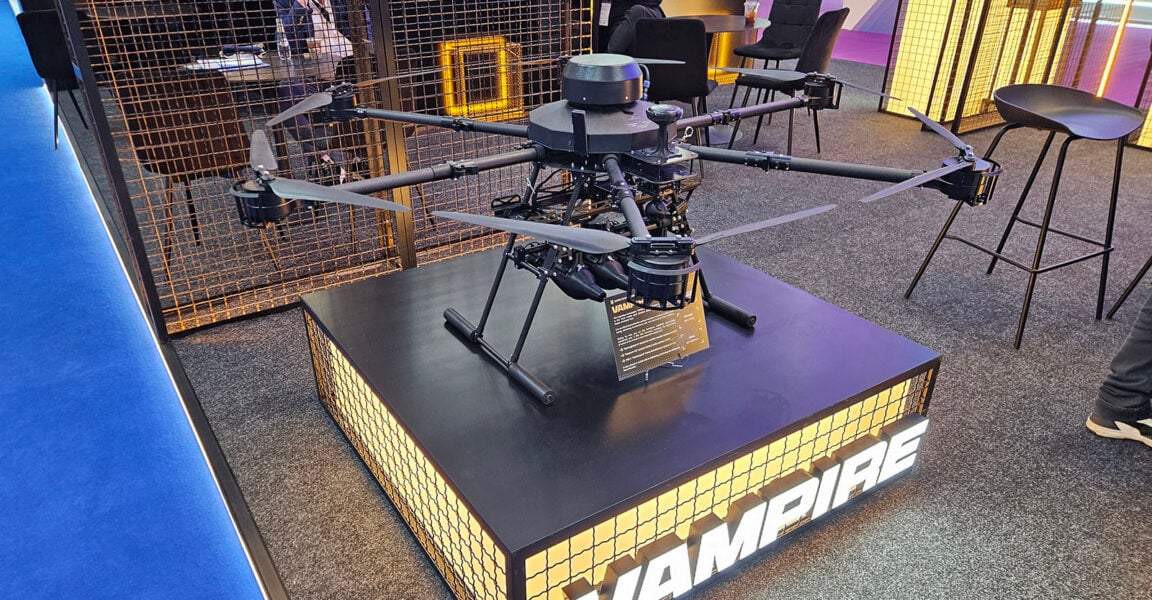
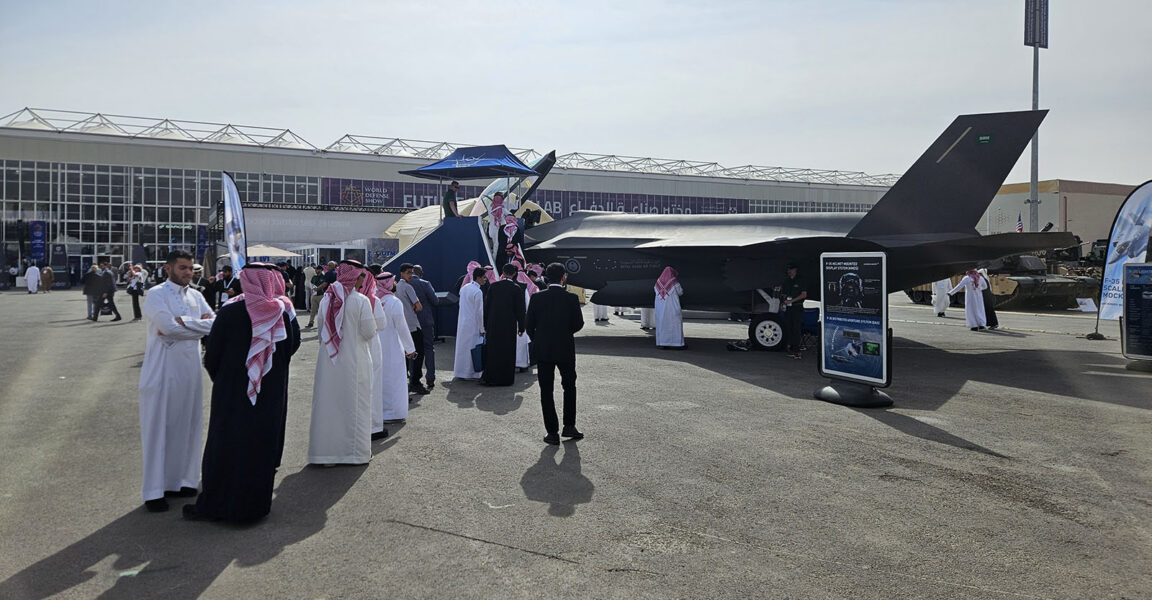
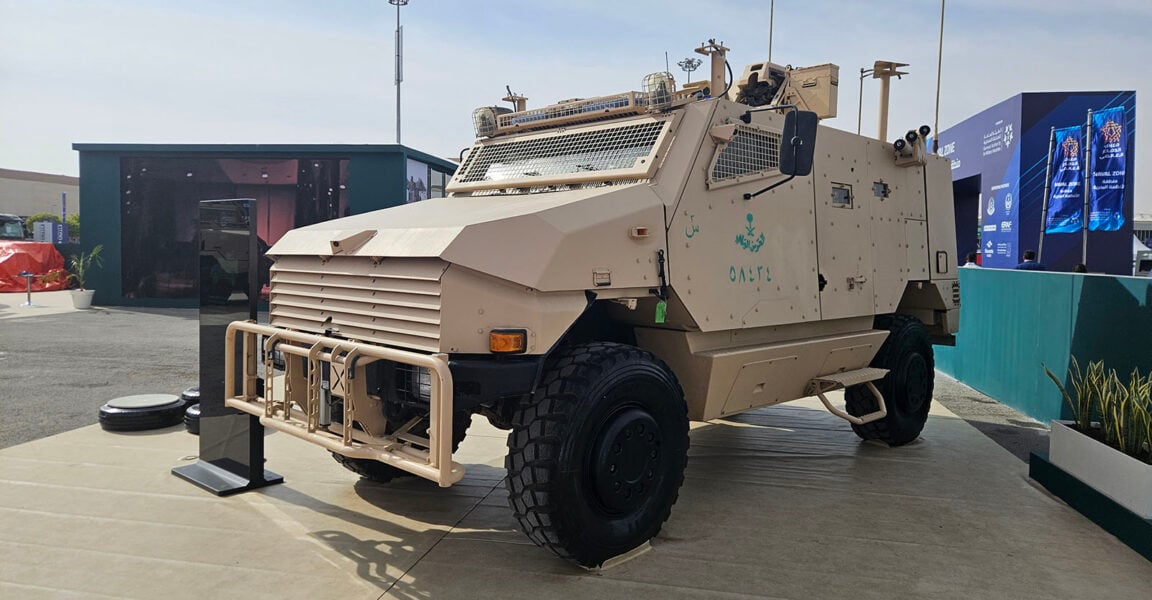
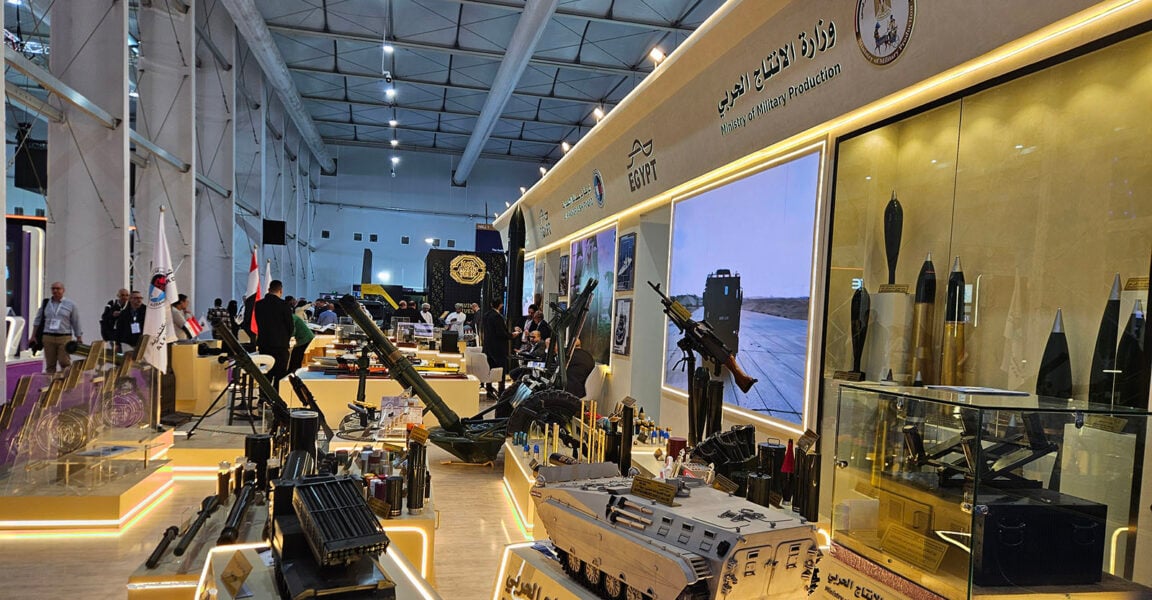
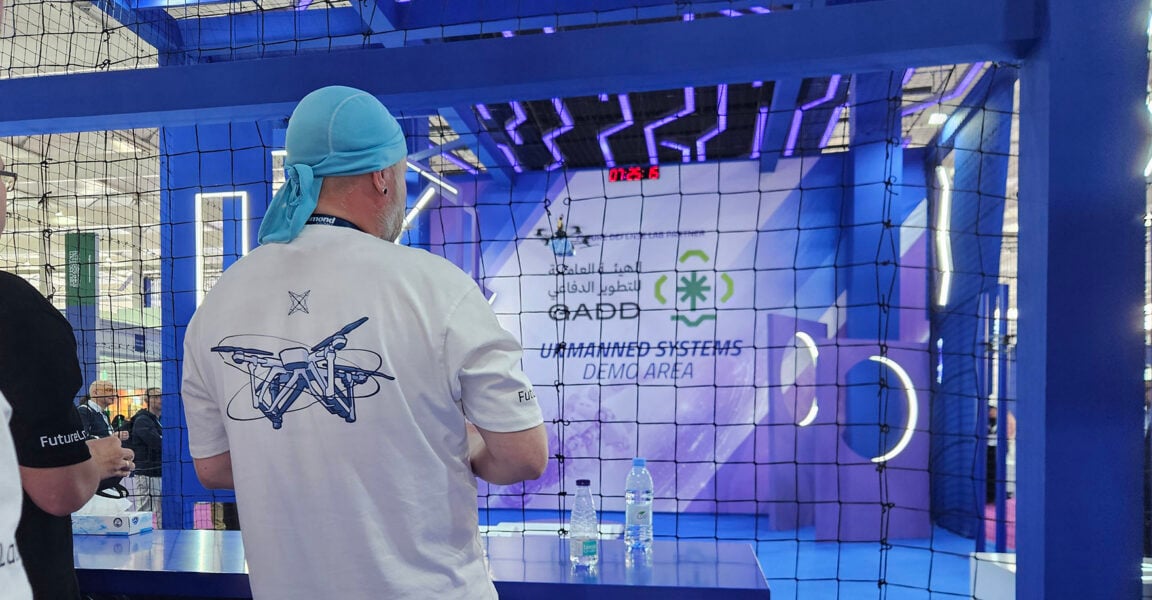
PHOTOS: World Defense Show 2026
 Gallery



Breaking Defense Video