NATIONAL HARBOR, Md. — As the Navy looks at maritime warfare in the Gulf, the Black Sea, and potentially the West Pacific, its leaders are increasingly convinced the future fleet requires a wide range of unmanned systems, each specialized for a different region and mission.
“What’s going on in Iran right now … is laying a lot of this stuff bare,” said Rear Adm. Douglas Sasse, director of the assessment division under the Chief of Naval Operations. It’s important to learn those lessons, Sasse told the Navy League’s annual Sea-Air-Space mega-conference here on Monday, without over-generalizing them.
“Something that worked over in the Red Sea may not translate over to the Pacific,” he warned here at a gathering of industry and naval officials at the Sea Air Space exposition, echoing the call for “tailored forces” in CNO Adm. Daryl Caudle’s new Fighting Instructions.
Likewise, Sasse went on, some of Ukraine’s spectacular successes against Russia’s Black Sea Fleet relied on small, inexpensive unmanned vessels that could hide in buildings along the coast, then dash out for a short-ranged strike against relatively nearby Russian bases. That works well in a “very constrained sea,” he said, but there are few such hiding places in an open ocean like the Pacific, where the much greater distances involved also require larger unmanned vessels with longer range.
“As we start fleshing out these concepts,” Sasse said, “what we start to understand is that … something that is a really great capability over in EUCOM or CENTCOM right now may not translate over to the Pacific, where the distances are way, way greater.”
It’s not just distances and available cover that vary, Navy experts say, but weather, currents, and even details like the salinity level of the water, which can affect how well sonar detects submarines.
“The GIUK Gap is different from the Sulu Sea, which is different than the Strait of Malacca, and in each of these places, the environment matters,” said Dan Packer, director of AUKUS (Australia-UK-US) collaboration for the Commander, Submarine Forces. “We want to develop these hedge capabilities [for] specific missions and specific geographies [and] against specific adversaries: Russia and China are not the same.”
“We can’t be the hammer that looks at both square pegs and round pegs in the same way,” Packer said in January at the Apex Defense conference.
At least since the end of the Cold War, however, the Navy has preferred to purchase general-purpose warships, capable of conducting a wide range of tasks anywhere in the world. The mainstay of the surface fleet is the oft-upgraded Arleigh Burke (DDG-51) destroyer, which can do everything from sub-hunting to missile defense. But such robust capability drives up size and cost: The latest Burkes cost an estimated $2.7 billion apiee and weigh roughly twice as much as the Cold War Adams and Farragut destroyers they replaced.
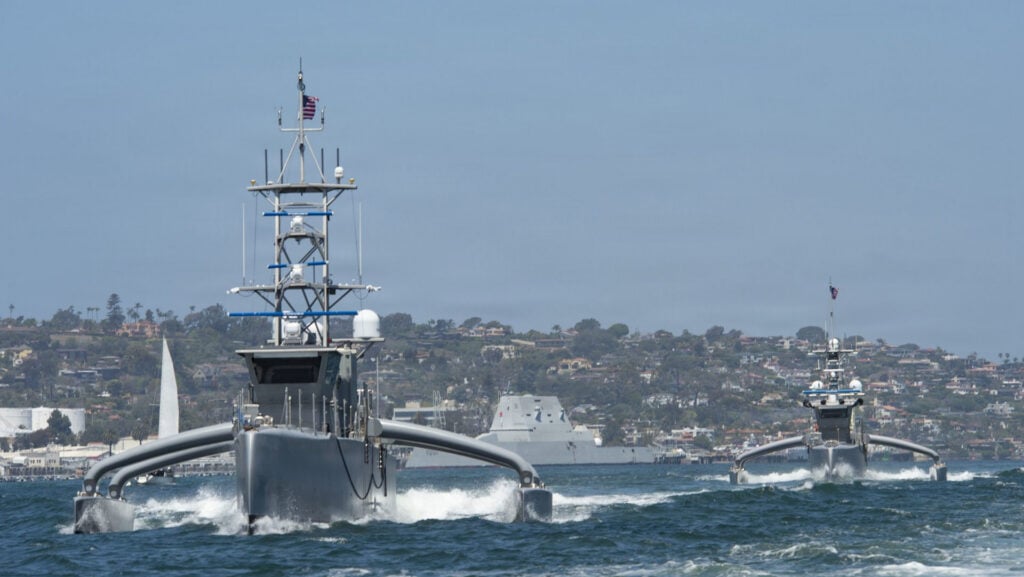
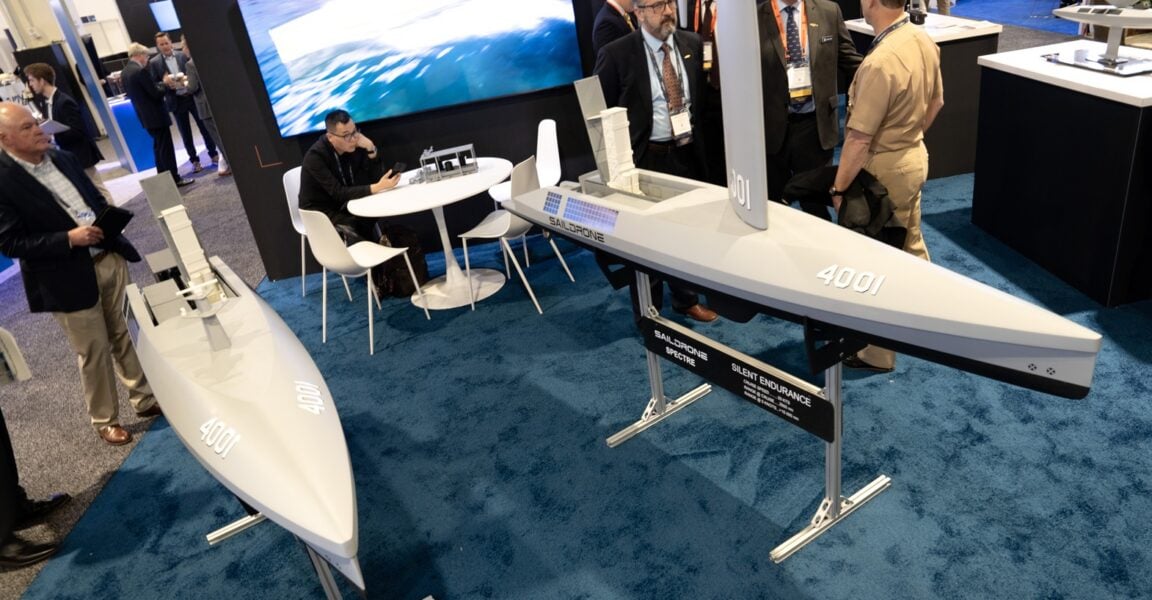
“We’ll continue to have large multi-mission warships, but we will add unmanned surface vessels, and we will add small service combatants, so that lead commanders have more options,” said Rear Adm. Derek Trinque, director of the surface warfare division on the CNO’s staff (OPNAV N96), speaking alongside Sasse at Sea-Air-Space. “This allows us to avoid having … an all-DDG force, which is the most expensive way to solve all of your problems.”
“We’re expanding the high-low mix,” Trinque said.
A New Outreach To Industry
Buying a larger number and wider variety of smaller, more specialized vessels, Trinque continued, will require a different relationship with industry — including both traditional defense contractors and new entrants.
Historically, “one of the things we’ve done is to lock ourselves into singular contracts with very large partners who give us the same thing over and over,” Trinque said. That approach has advantages for large, multi-purpose ships, he said, but it doesn’t work as well for smaller, specialized unmanned systems.
In the near future, Trinque said, the Navy’s Medium Unmanned Surface Vessel (M-USV) program offers an opportunity to take a different, more diversified approach.
“As a marketplace opens for medium USVs, [we] can accept bids [from] and actually award contracts to multiple partners, as long as all of their offerings can do what we need to do,” Trinque said. “What that does for the United States is help us improve our industrial base and expand our industrial base laterally, so that we have more partners across the country.”
It’s not just shipyards that can contribute to the new approach, Navy officers and officials made clear, because much of the “tailoring” will involve, not entirely different vessels, but different mission systems — radars, sonars, jammers, etc. — that can plug-and-play into the same hull, or even different software in the same hardware.
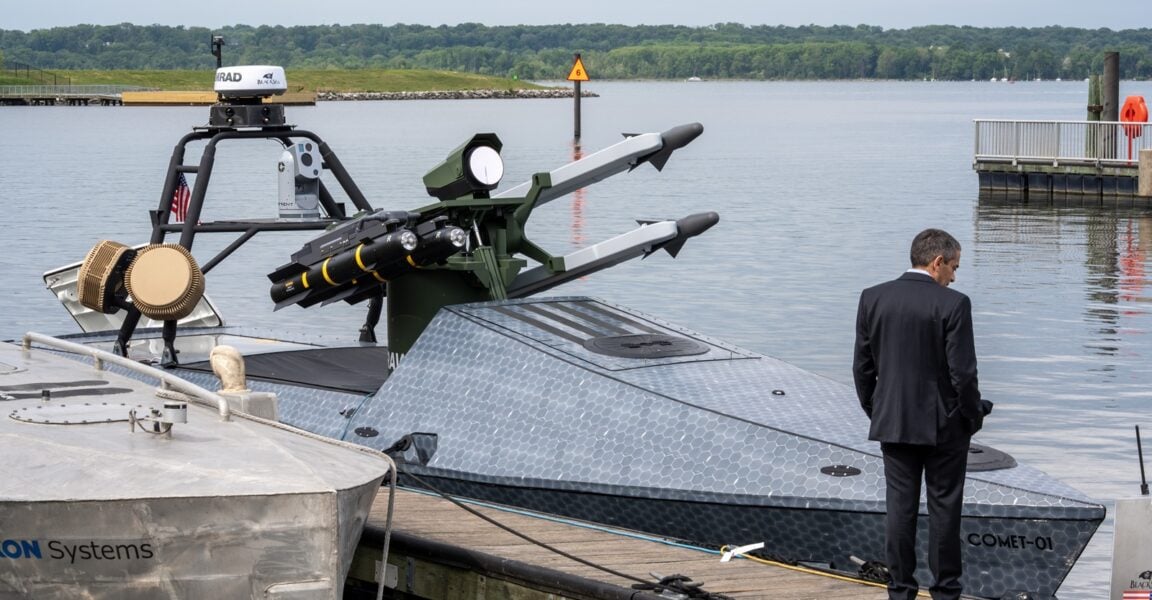
True, some regions and missions will drive different hull designs: The open Pacific, for example, generally requires larger, longer-ranged, more seaworthy vessels than coastal waters like the Persian Gulf, Black Sea, or Baltic. But Trinque is also leading a “Containerized Capability Campaign” looking at a variety of different plug-and-play payloads that can go on the MUSV and other unmanned vessels, he said.
And in some cases “tailoring” may simply mean training AI algorithms on different data. For example, the same sonar system will function differently in the warm, salty shallows of the Gulf than in the icy North Atlantic.
“The core of this capability is the software,” said Nicholas Bergeron, deputy Portfolio Acquisition Executive for Robotic & Autonomous Systems (PAE-RAS), at the Sea-Air-Space conference on Tuesday. “It’s the information warfare. So in traditional Navy shipbuilding, we build the ship and we figure out how much IW can we fit on top. We’re really flipping that script, [so] IW and software integration is going to lead the way, and then the vessels become the trucks, or commoditized, and in many cases, [with] modular payloads and sensors.”
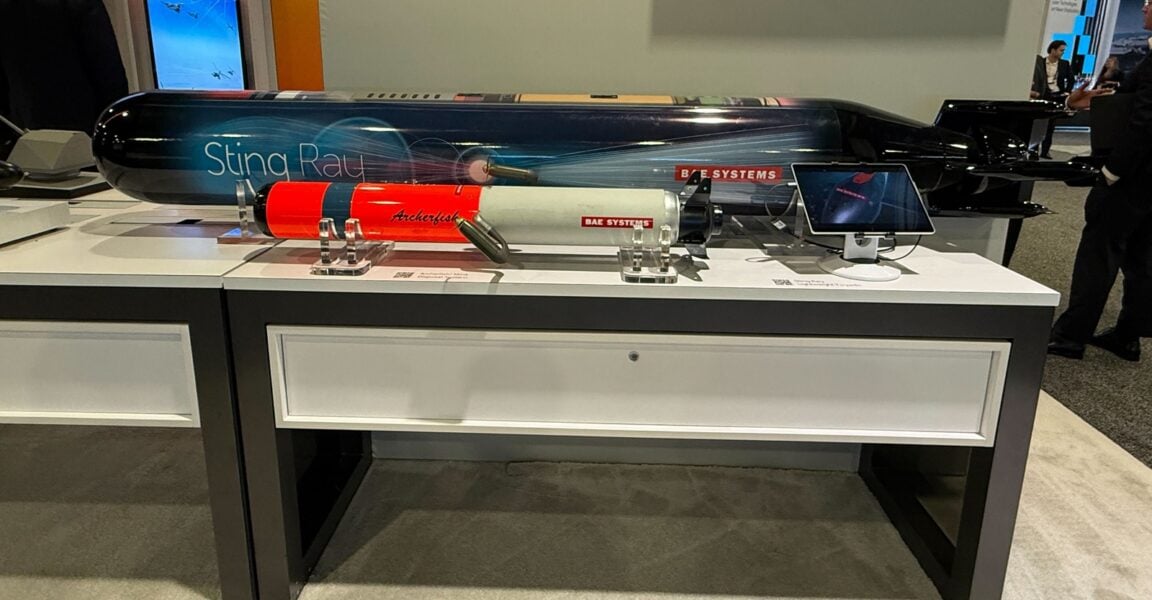
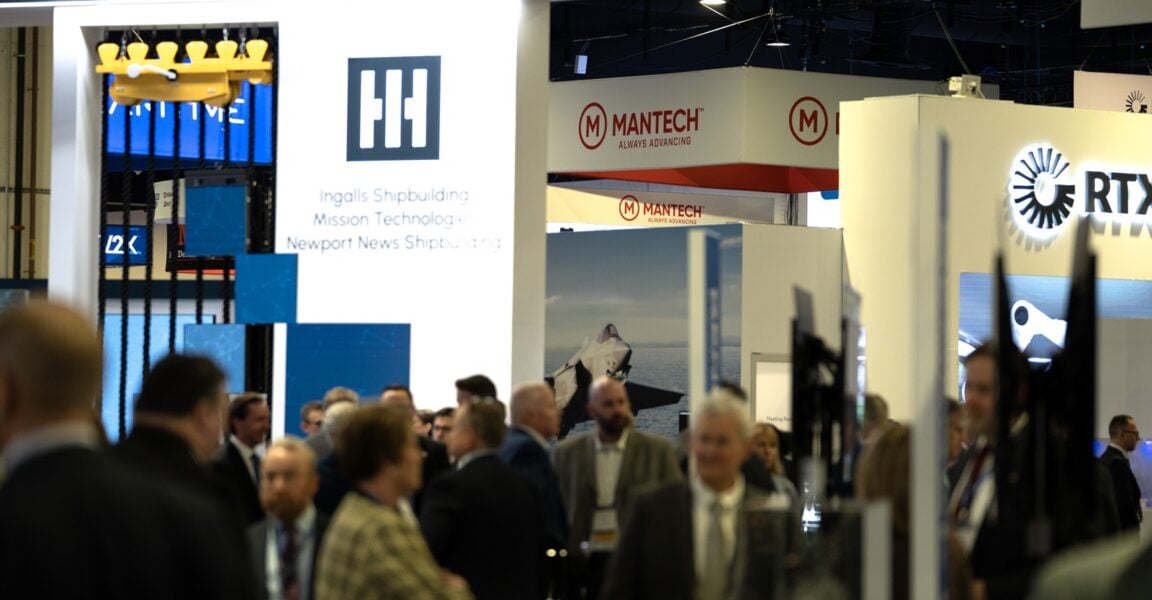
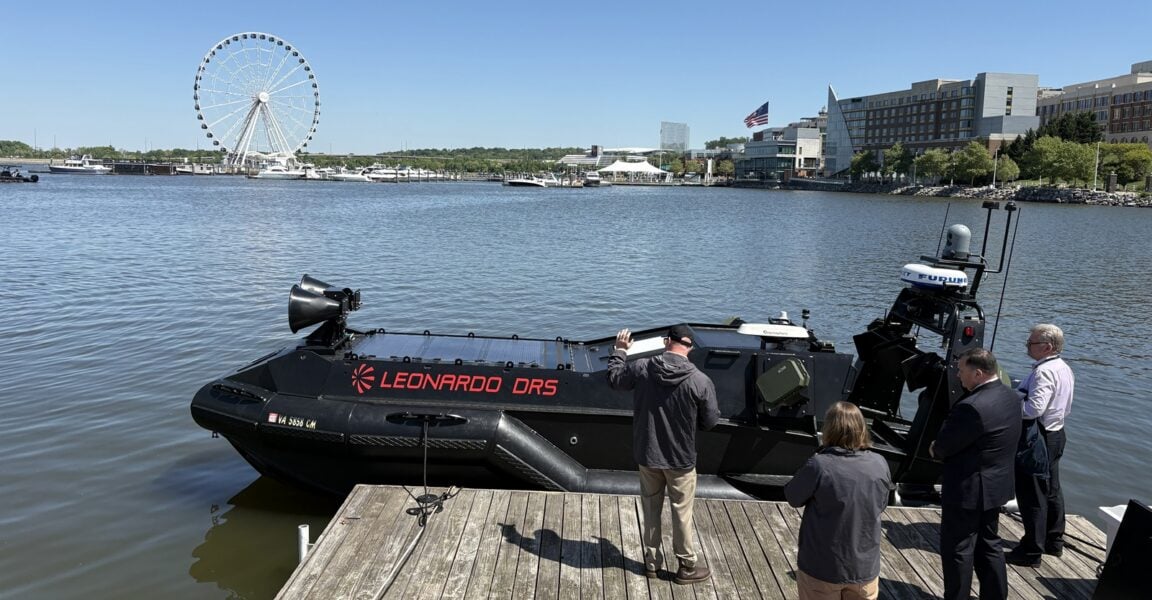
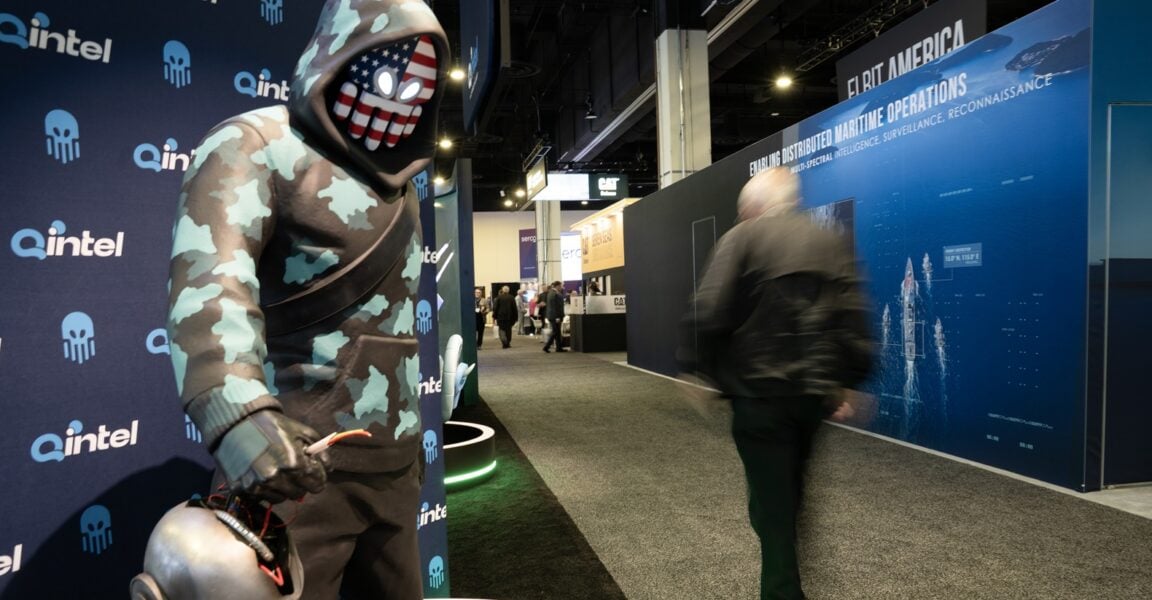
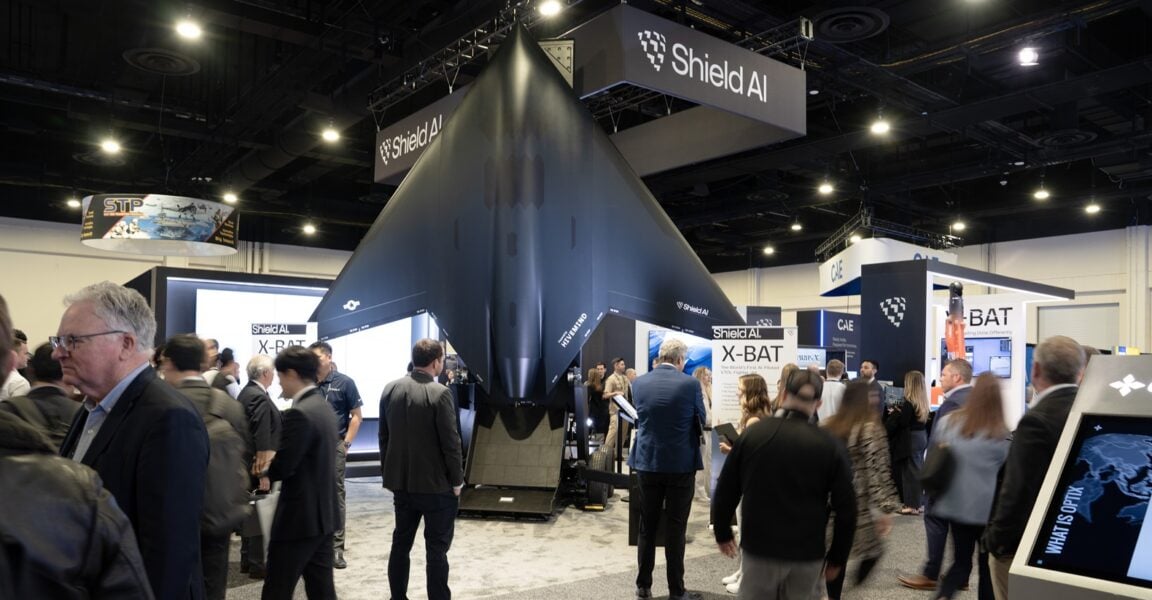
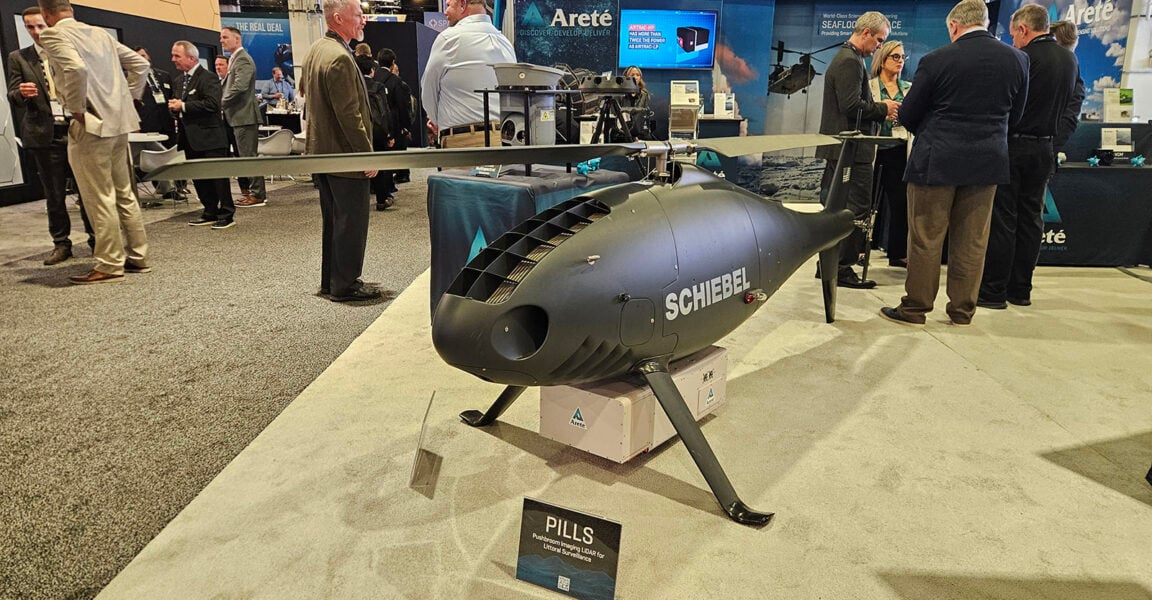
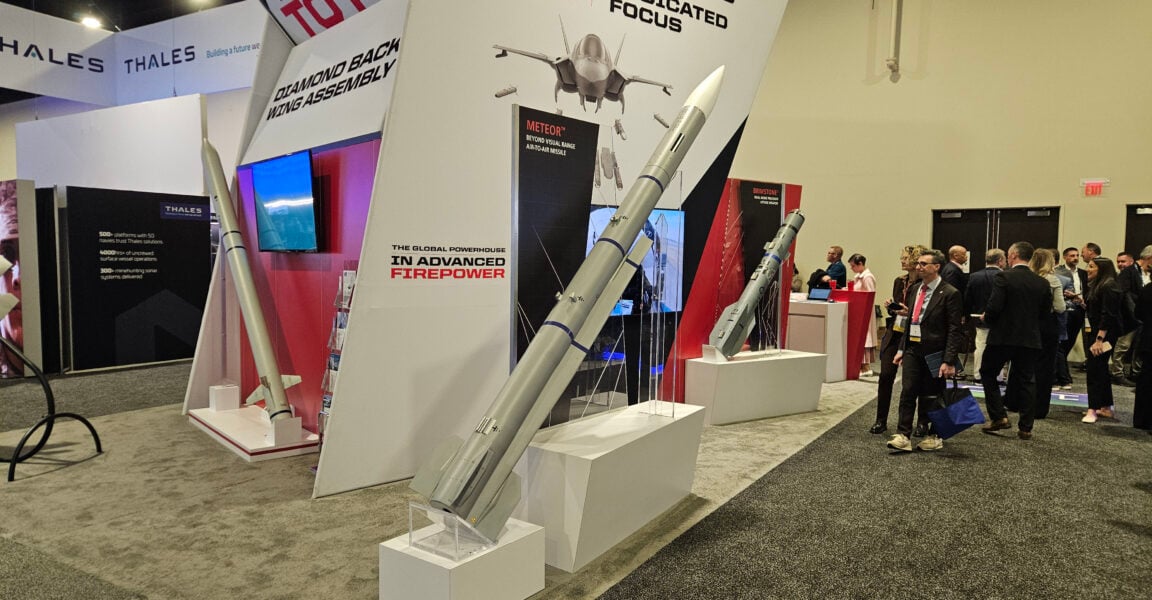
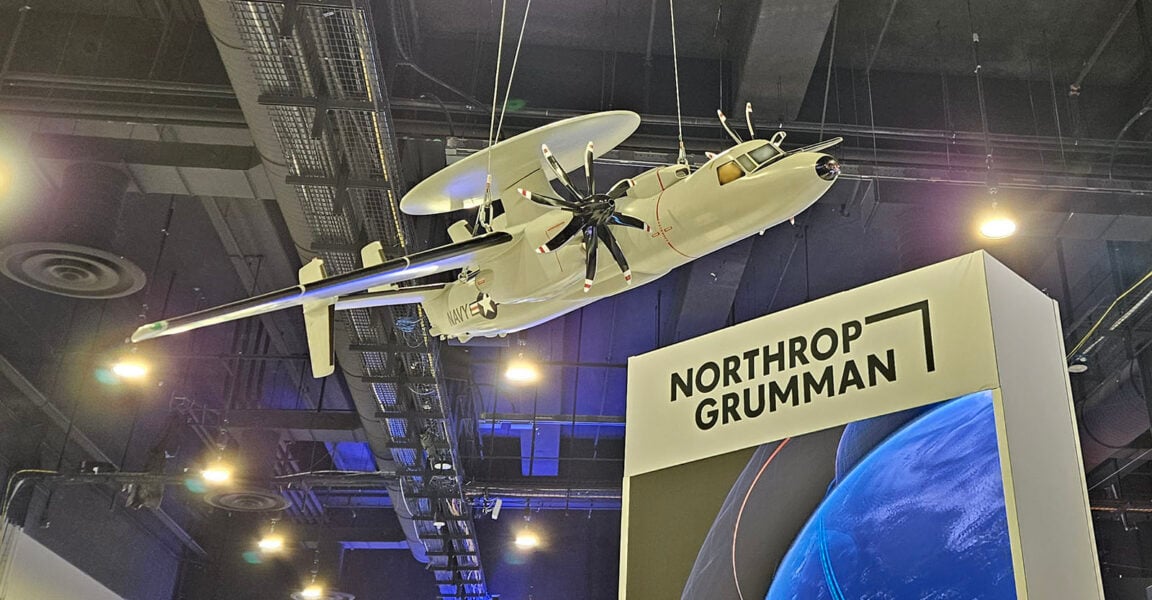
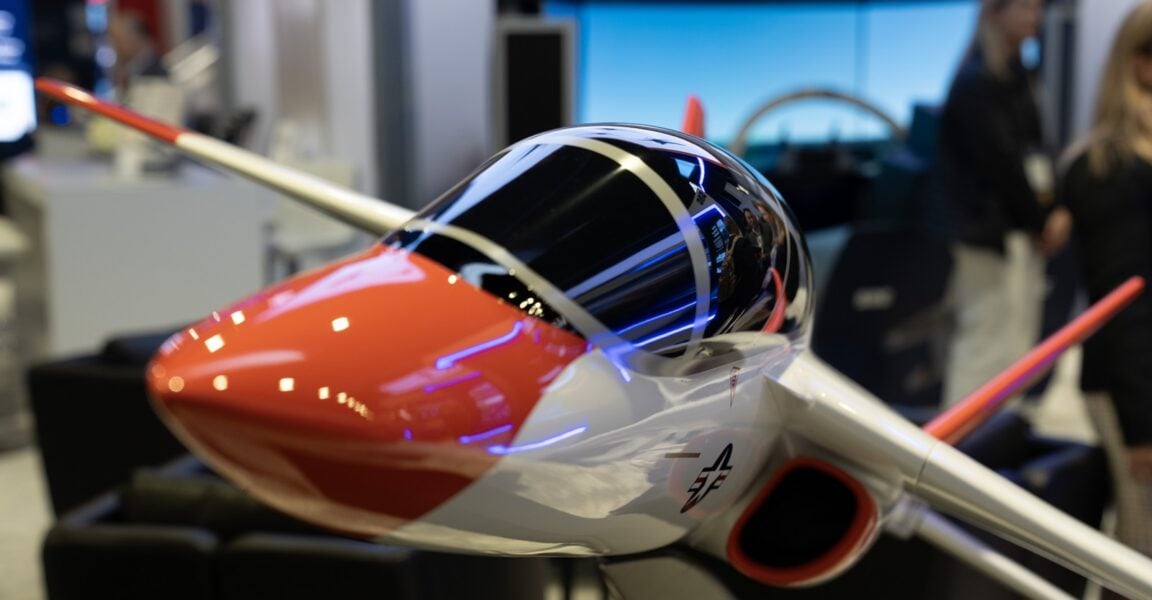
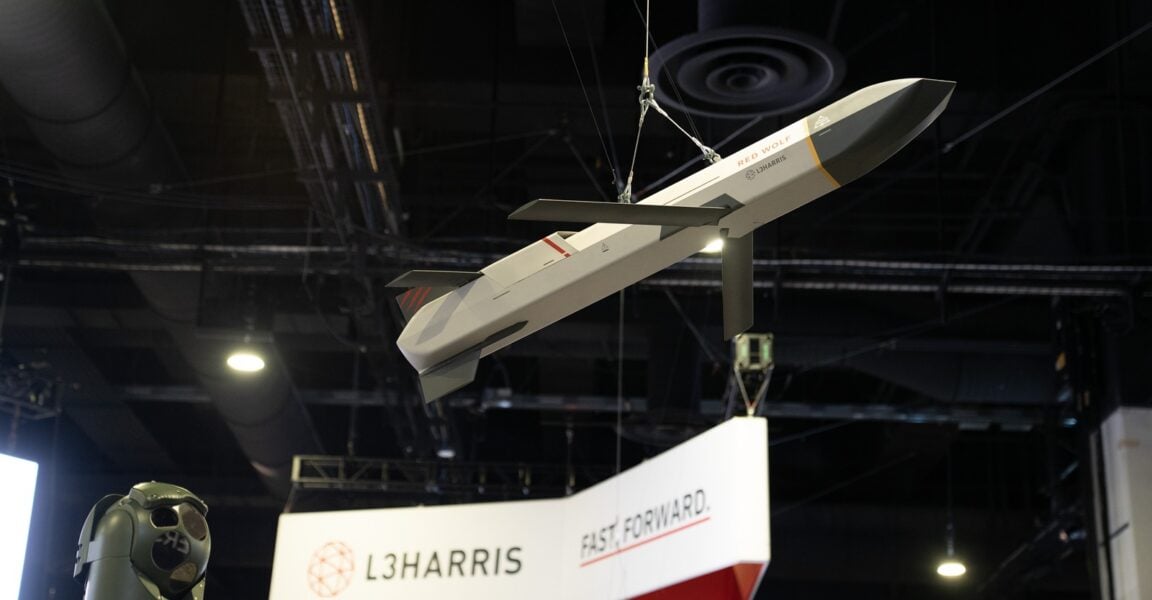
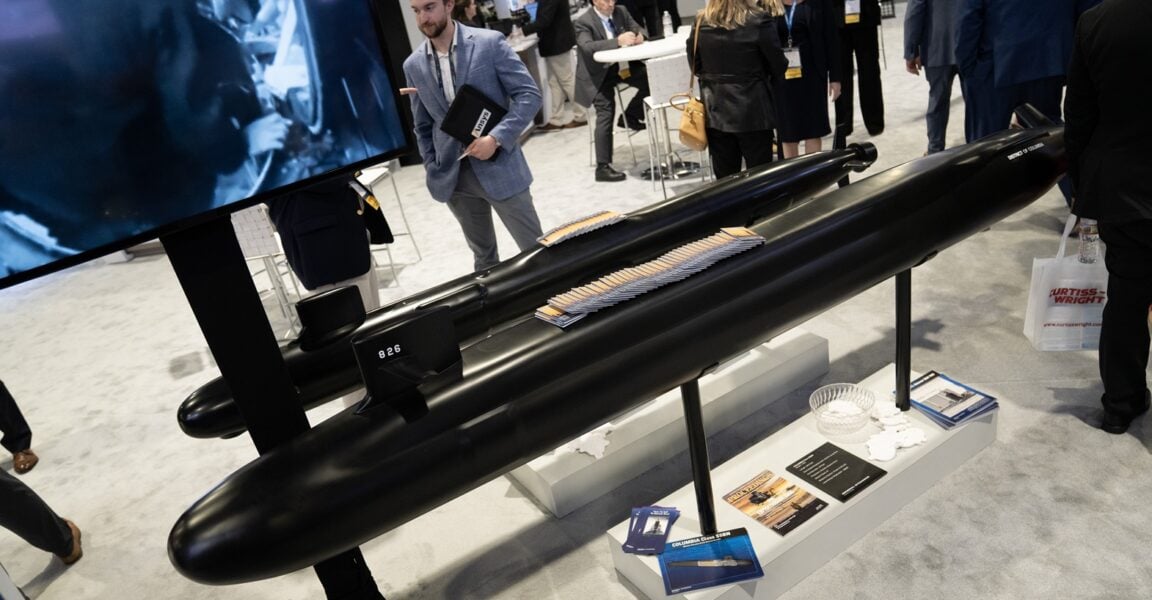
PHOTOS: Sea Air Space 2026

 Gallery
Breaking Defense Video