HUNTSVILLE, Ala — An Army unit has been picked to begin training and testing out plans for the Pentagon’s Golden Dome air defense mission, according to a three-star general helping with plans.
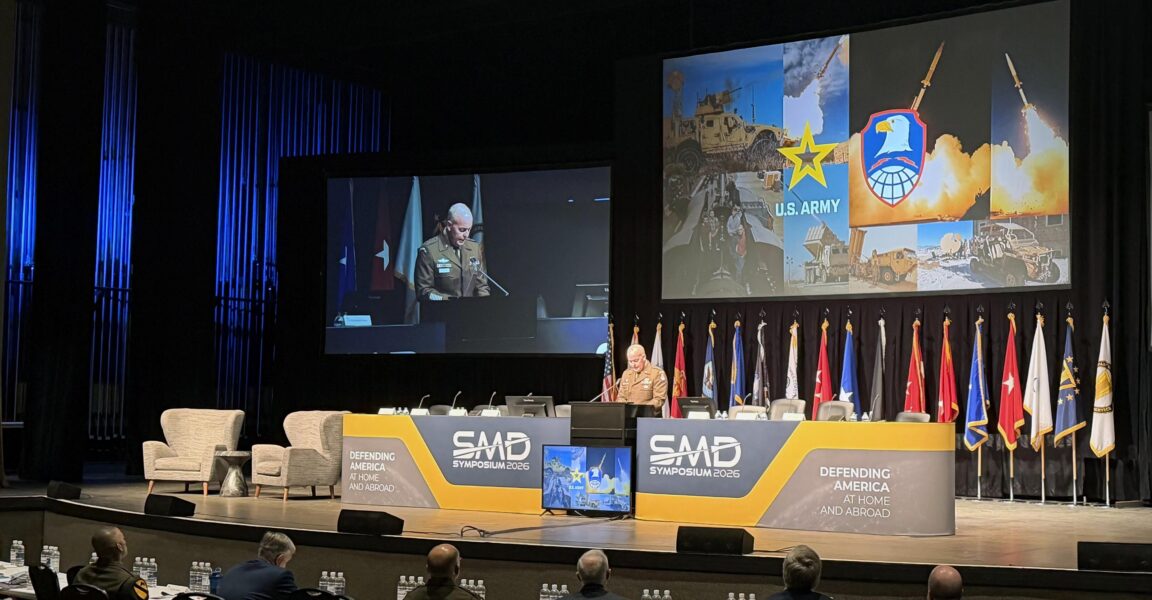
“It’s a battalion-size formation that will be the Army’s initial contribution to [Golden Dome], but there will be elements from other echelons that’ll have to play a role in that,” Lt. Gen. John Rafferty, who heads up Army Space and Missile Defense Command (SMDC) and Joint Task Force-Gold (JTF-Gold), told Breaking Defense today on the sidelines of the annual Army Space and Missile Defense Symposium.
While he didn’t disclose which air defense unit had been selected, Rafferty said it came from the existing force structure given the tight timeline to have Golden Dome operational by mid-2028.
“Leading up to [2028], we’re going to do a lot of experimentation and test with this unit to make sure that we’re ready to fight with it when it’s delivered,” Rafferty added. “That’s [the] plan and program that we’re developing now as the material solution is coming into focus.”
In early 2025, President Donald Trump rolled out plans to build a sprawling, multilayered homeland air defense system. While the Pentagon has not publicly disclosed that missile defense architecture, officials have said it’s envisioned to include new and existing space- and land-based systems, along with command and control assets.
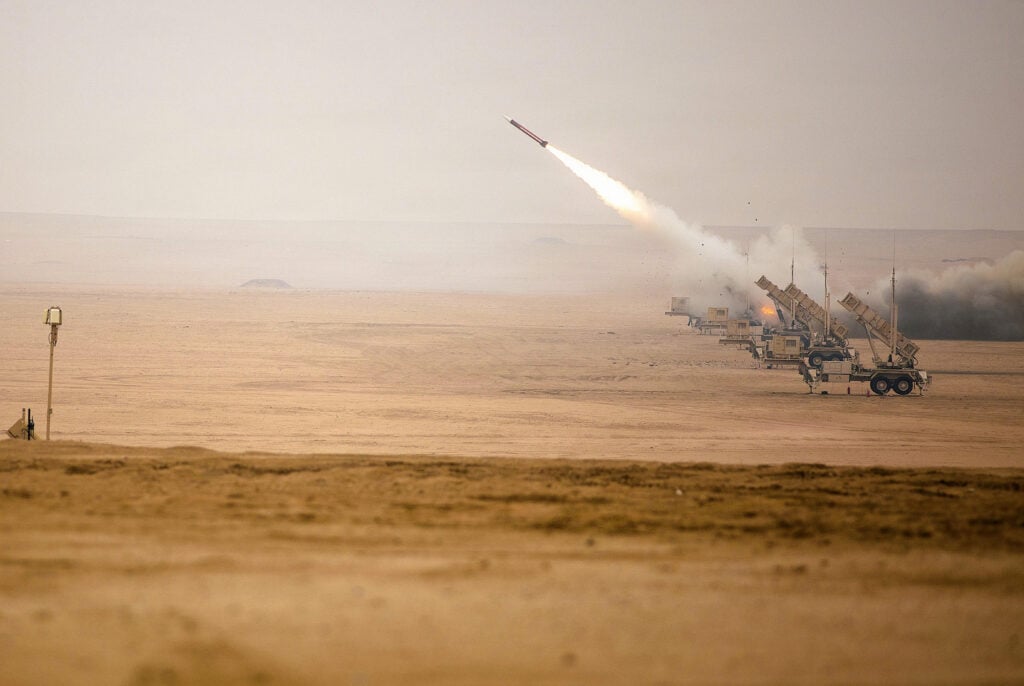
The Army already operates a variety of air defense systems, including Patriot and Terminal High Altitude Area Defense (THAAD), while also working on new systems, like the Indirect Fire Protection Capability (IFPC) Increment 2 and various directed-energy weapons.
Army National Guard battalions are already working in the homeland air defense arena, including the protection of the National Capital Region.
“We do a lot of this mission already. [Golden Dome] is just an expansion in many ways,” the three-star general said. “We’re just continuing to improve our position and defend the homeland better.
“We’ve got the right experience. We have the right, you know, institutional knowledge about how to build and sustain these sorts of programs and capabilities, and we just need to to figure out how to optimize our manning solution and our command and control approach,” he added.
The Pentagon’s work on Golden Dome comes at a time when there is a growing focus on air defense forces in the Middle East, which continue to guard US bases from incoming Iranian threats.
While much focus has been given to questions about the dwindling stockpiles of munitions, including Patriot Advanced Capability-3 (PAC-3) and THAAD interceptors, Rafferty also acknowledged how the conflict is stressing an already overworked air defense force. The service must balance operational demands, readiness and modernization plans.
“You’ve got less time to train, and prepare and test,” he said. “And [we] are challenged to complete our modernization path because of the demand on the force.”
“Clearly, this places … a huge strain on soldier readiness and unit readiness,” Rafferty added.
To help mitigate the strain, he told Breaking Defense the service is pushing upgrades and new tech forward to deployed troops instead of waiting for them to return home.
The Army also already had plans to grow its Patriot force from 16 battalions to 18 battalions, and is continuing to revisit that number to account for global demand and Golden Dome plans as part of the service’s annual Total Army Analysis process.
“We’re always looking at what’s the right mix of… all of our warfighting functions to optimize the force of the future,” Rafferty said. “But I’m confident in our path to growing the Patriot force, and I know the demand will lead us to the right number.”
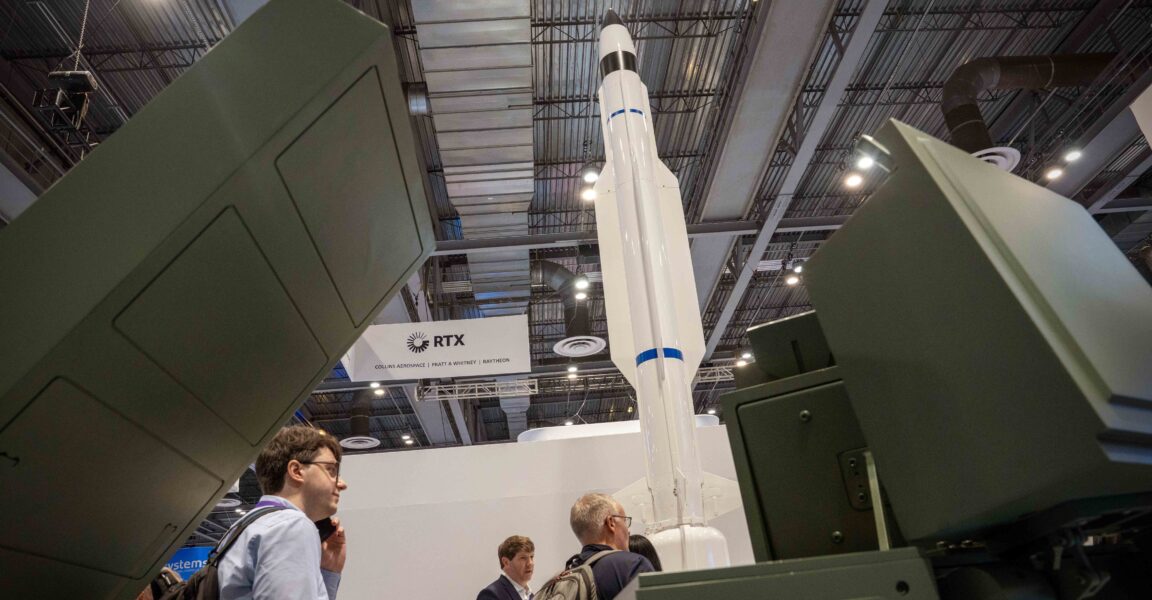
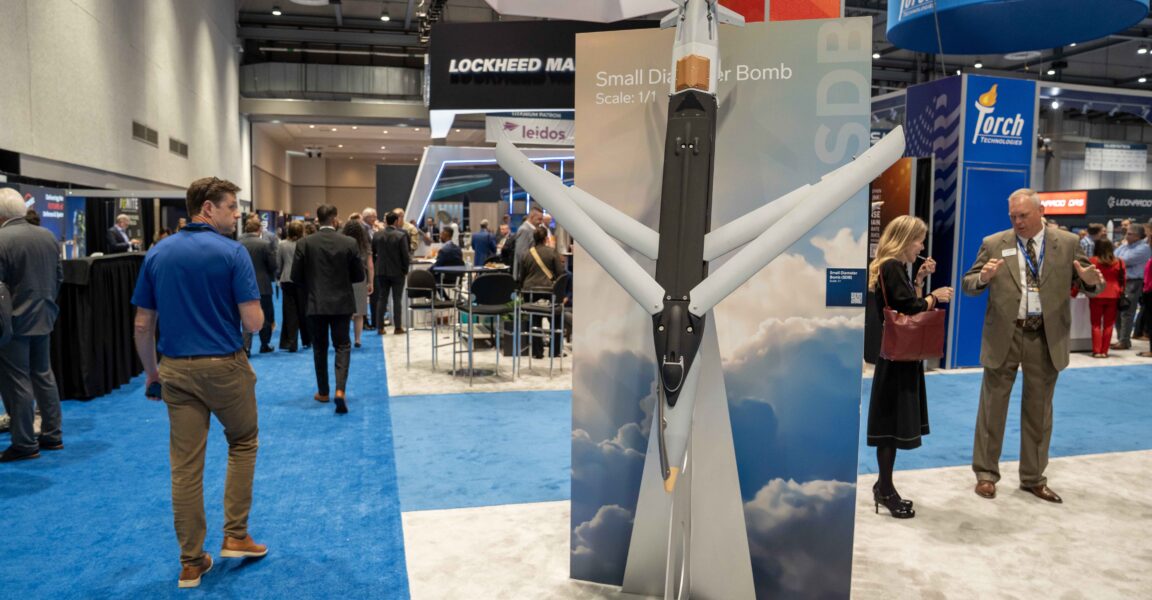
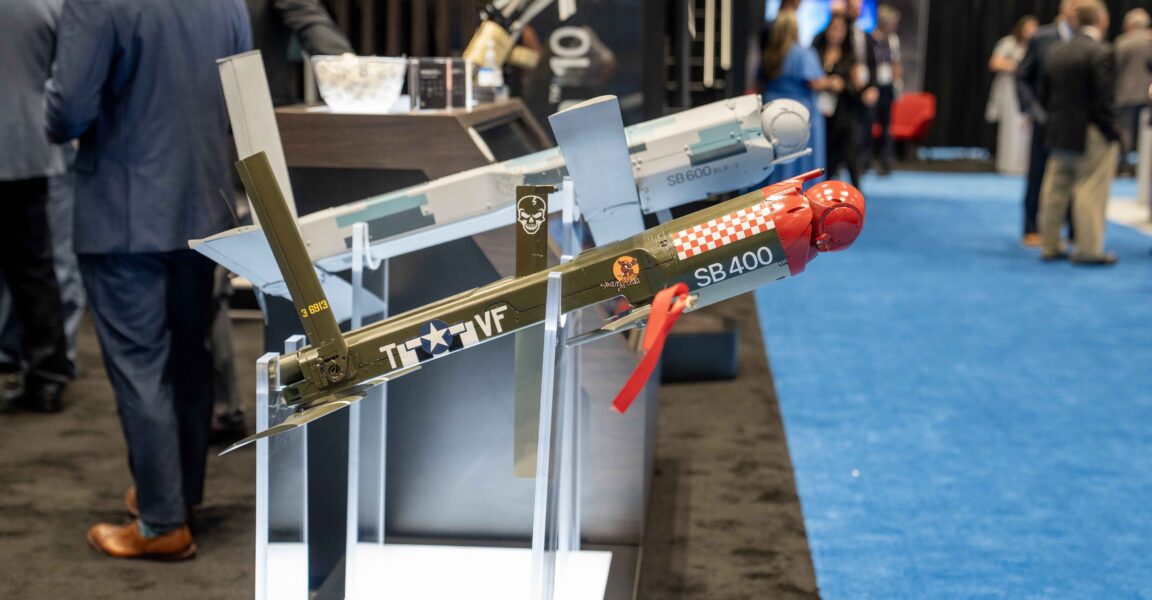
PHOTOS: SMD 2026

 Gallery










Breaking Defense Video