Pentagon inks deal with L3Harris to ramp rocket motor production
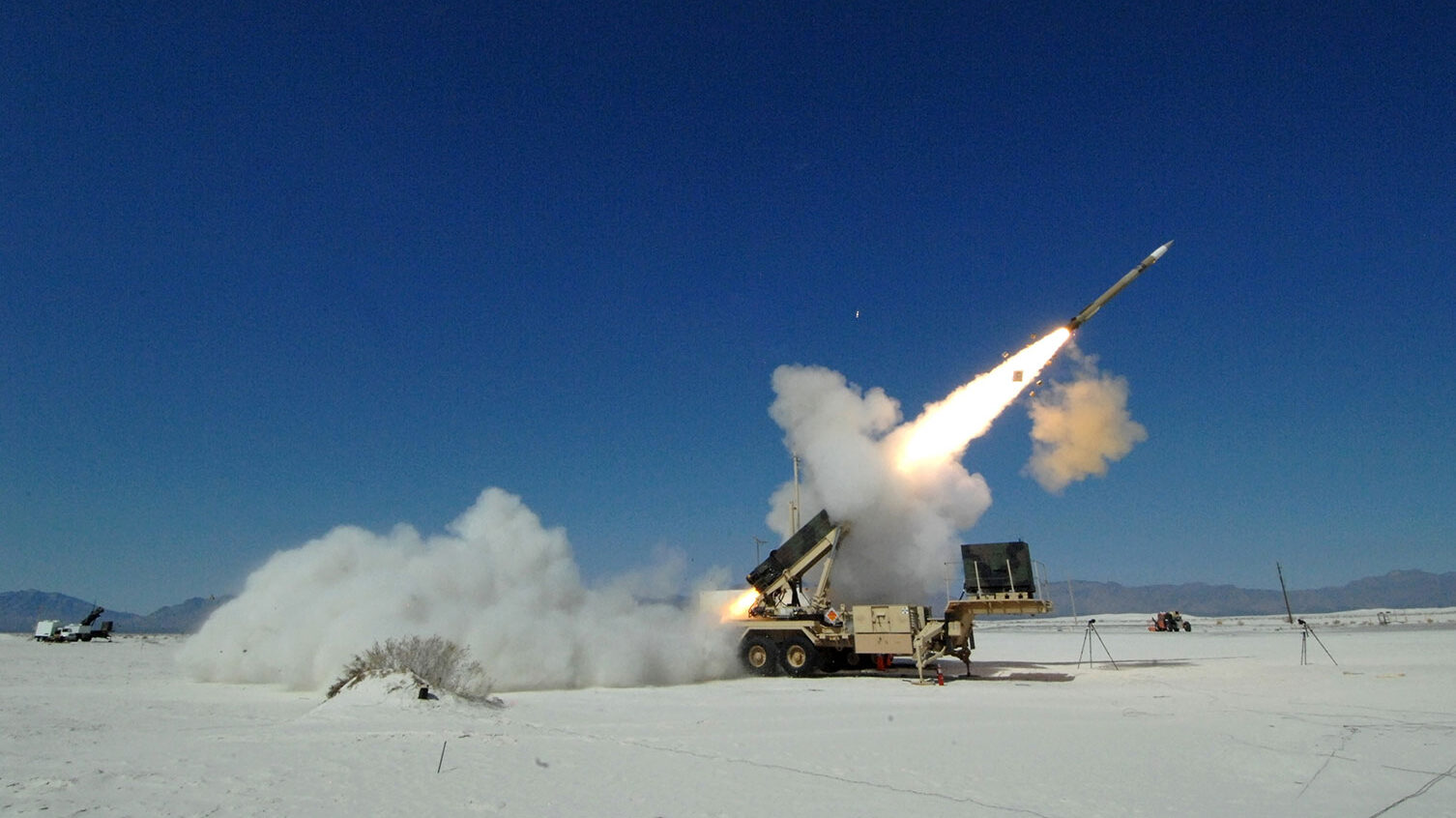
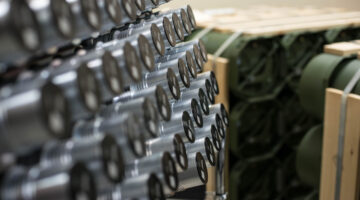
The seven-year deals have yet to be finalized, but will allow L3Harris to scale up motor production for PAC-3 and THAAD interceptors.
In a nod to a common refrain that laser systems are always just five years away, Lockheed Martin’s Stephanie Hill said, “Not anymore.”
The company said the contract “puts in action” the THAAD framework agreement Lockheed signed with the DoD in January designed to quadruple interceptor output.
"These aren't just ideas or papers going back and forth,” Lockheed CEO Jim Taiclet said of the Pentagon's munitions ramp. “We know it's going to be good, and we know it's going to happen.”
The Army has spent years evolving itself for a China fight and now needs Congress to back the systems it requires for a fight in the Pacific.
With $70.5 billion in the FY27 budget request for munitions, a handful of analysts said they expect the Pentagon to spread the funding over several years and to fuel multiyear buys.
The programs taking up the majority of the Army’s RDT&E funding include FLRAA, THAAD, UAS launched effects, artillery systems, hypersonic weapons, counter drone tech and M-SHORAD.
BAE Systems and Honeywell Aerospace have also inked new framework deals designed to boost munition production over the coming years.
“We're working very closely with MDA right now on that transfer plan and that memorandum of understanding and agreement,” Lt. Gen. Frank Lozano said.
One expert said the UAE may have shifted its public messaging strategy for "operational security" reasons.
Watch experts discuss foreign influence risks, evolving DoD policy, and strategies for balancing security with scientific collaboration.
Experts told Breaking Defense that establishing the software factory is a qualitative shift in the relation between US and Saudi from a hardware-based cooperation to software.
Once finalized, the agreement will allow THAAD interceptor production to grow from its current rate of 96 missiles a year to an annual rate of 400 interceptors.
CSIS says the delivery gap in THAAD ground-based interceptors comes after the Army used scores to help defend Israel during the June 2025 Israel-Iran conflict.
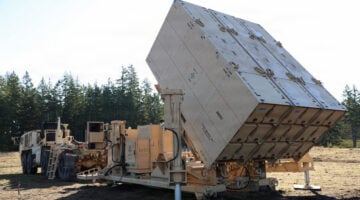
The upgraded AN/TPY-2 radar uses a Gallium Nitride semiconductor that allows it a longer range, enabling an interceptor to launch early enough to hit a hypersonic missile before its starts maneuvering, according to the company.