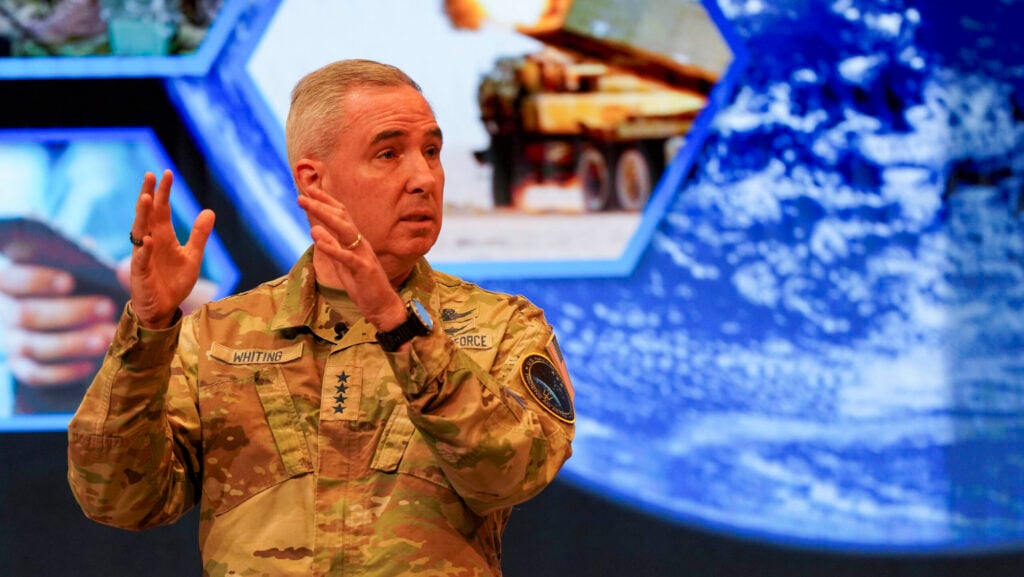
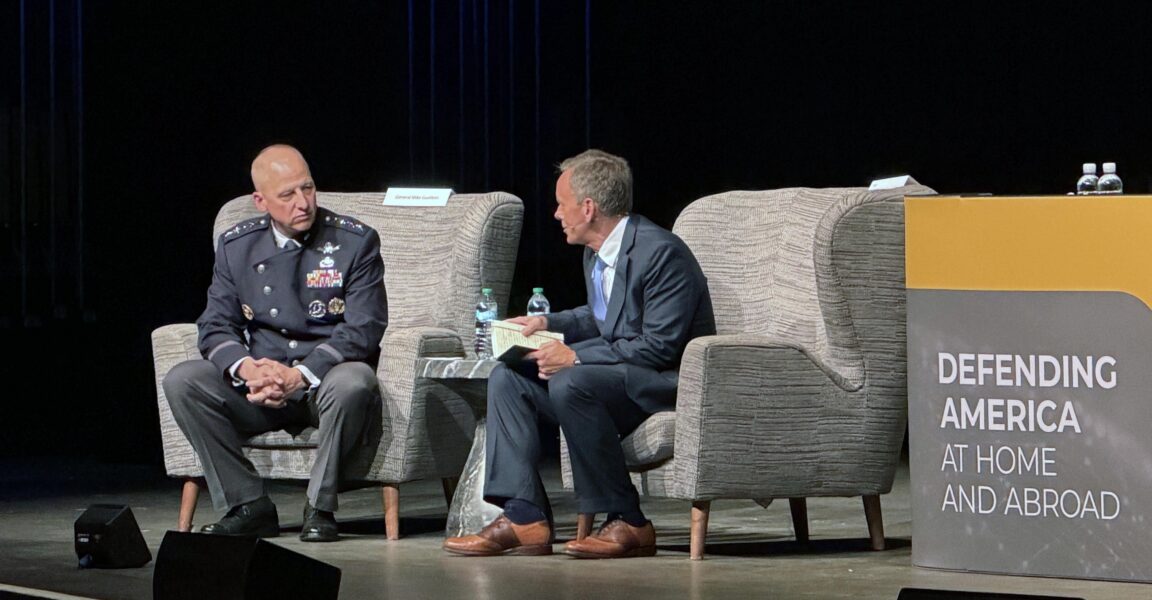
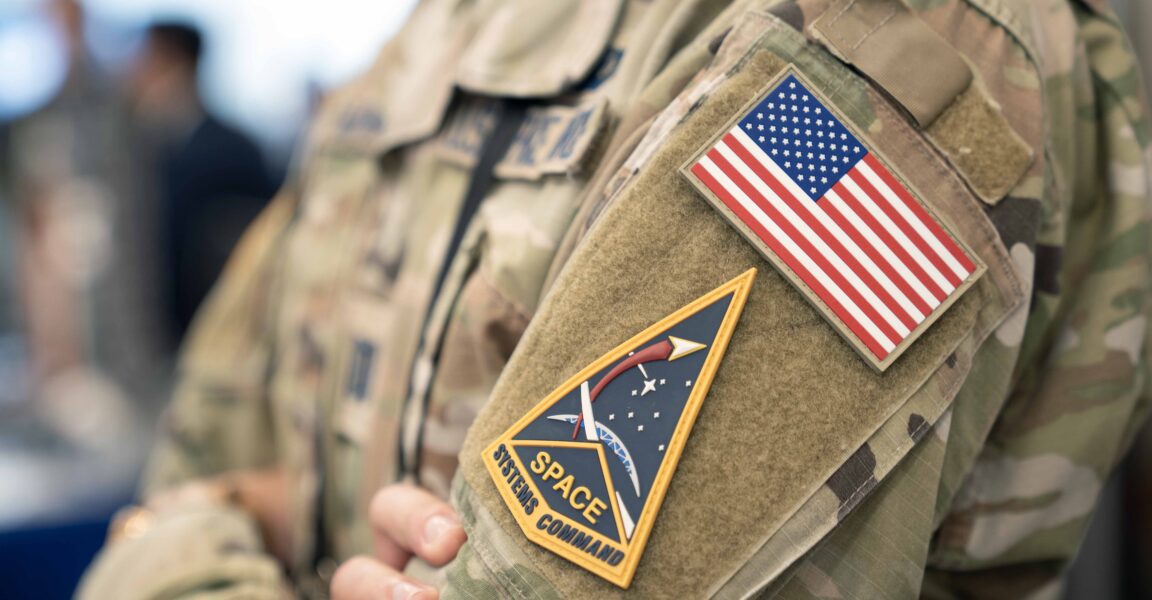
HUNTSVILLE, Ala. ― Gen. Stephen Whiting, head of US Space Command (SPACECOM) today said that along with non-kinetic weapons such as jammers, the joint force also needs the capability for destructive attacks on adversary space systems to win tomorrow’s space wars.
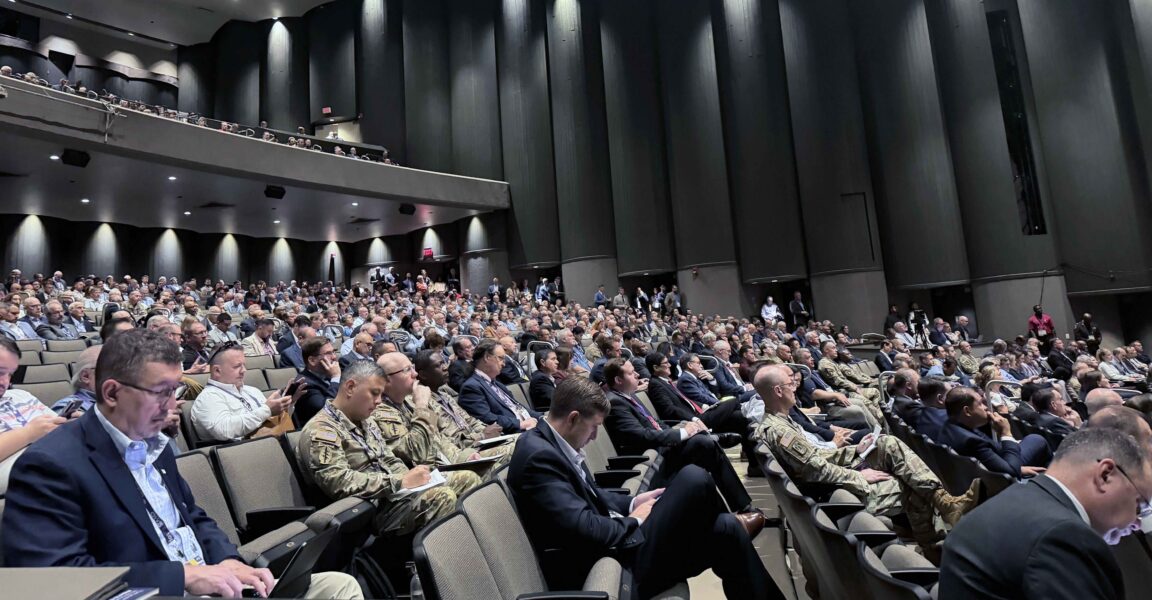
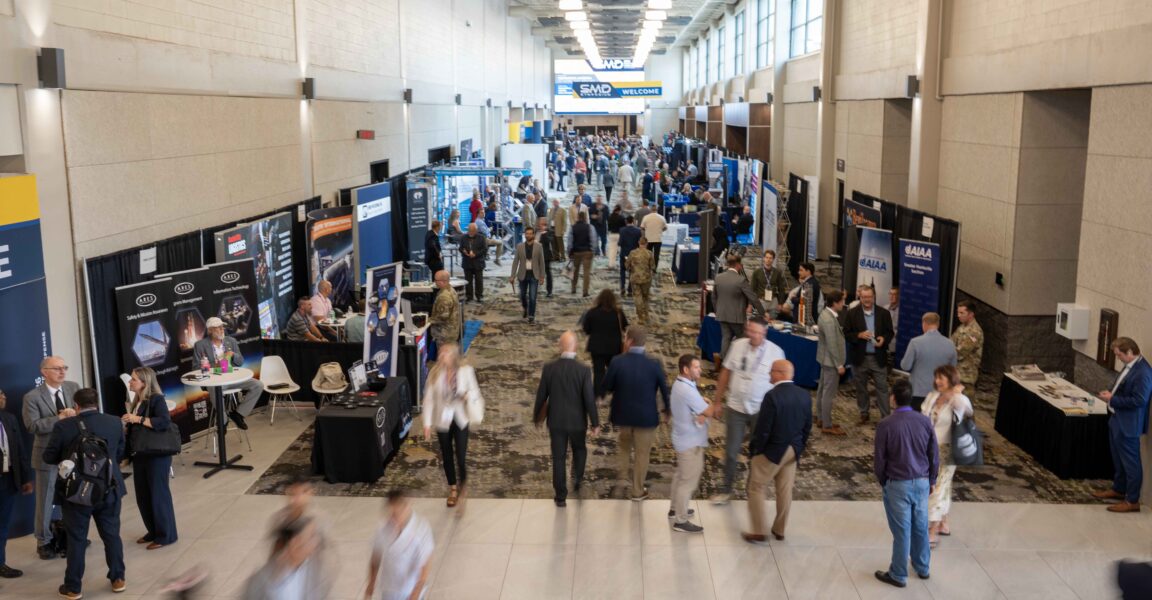
Whiting told the annual Army Space and Missile Defense Symposium here that SPACECOM’s top two priorities for fiscal 2029 through 2033 are “integrated space fires” and capabilities to counter large constellations of satellites in low Earth orbit (LEO) in order to establish space superiority.
“We’re a combatant command and we fight to win wars. To win, we need credible, acknowledged, kinetic and non-kinetic fires. They are a key component of how we establish space superiority and restore credible deterrence,” he said.
Whiting did not provide specific examples of weapons sought to carry out either sort of attack, nor did he provide a definition of the term “space fires” ― a capability that topped his 2027 list of priorities as well.
In principle, space fires could include attacks on satellites, ground systems and/or communications links. However, the Trump administration has continued to support the US moratorium on the use of destructive anti-satellite (ASAT) missile testing declared by the Biden administration in 2022, that now has been adopted by almost 40 other nations.
Whiting’s deputy, Lt. Gen. Rick Zellmann, on Tuesday told the symposium that the US military now has “policy” approval for three basic types of space fires: ground-to-space fires that “we’ve been doing for years” with “communications jamming systems;” space-to-space attacks known as “orbital warfare;” and, given that the Trump administration plans to build space-based interceptors for the Golden Dome missile shield, space-to-ground.
He explained that capabilities for space fires are not just in the hands of the Space Force, but also the other services, in particular the Army and Marine Corps.
“They also have some of these fires that they can do from ground to space. We’ve essentially outsourced that. We’ve decentralized that so that the other combatant commands can see to those fires, because they have to be integrated with the operations and timing and tempo that they’re conducting,” Zellmann said.
“But the other two, the orbital warfare and the ones from from space to ground, will still be the purview of Space Command,” he added.
In addition to space fires and countering satellite constellations, Whiting today listed in order the three other capabilities making up the top five on SPACECOM’s FY29-33 Integrated Priorities List.
“Number 3 is Joint, Integrated Space Command and Control. We must enhance machine-to machine connectivity to support decision-making and battle management of the global space flight on tactically relevant timelines,” he said.
Next Whiting called for “dedicated space domain awareness for space engagements” necessary to “support space fires and protection — urging the adoption of a “target-quality track mindset to everything we do in space, just like the missile defense community has done for decades.”
And lastly, he reiterated his long-standing call for new capabilities for “sustained space maneuver” allowing satellites to move quickly and often to avoid adversary attack as well as to “gain a position of advantage on our adversaries.”
Corrected 8/13/2026 at 9:35 am ET: The original version of this story incorrectly spelled Lt. Gen. Rick Zellmann’s name. The story has been updated.
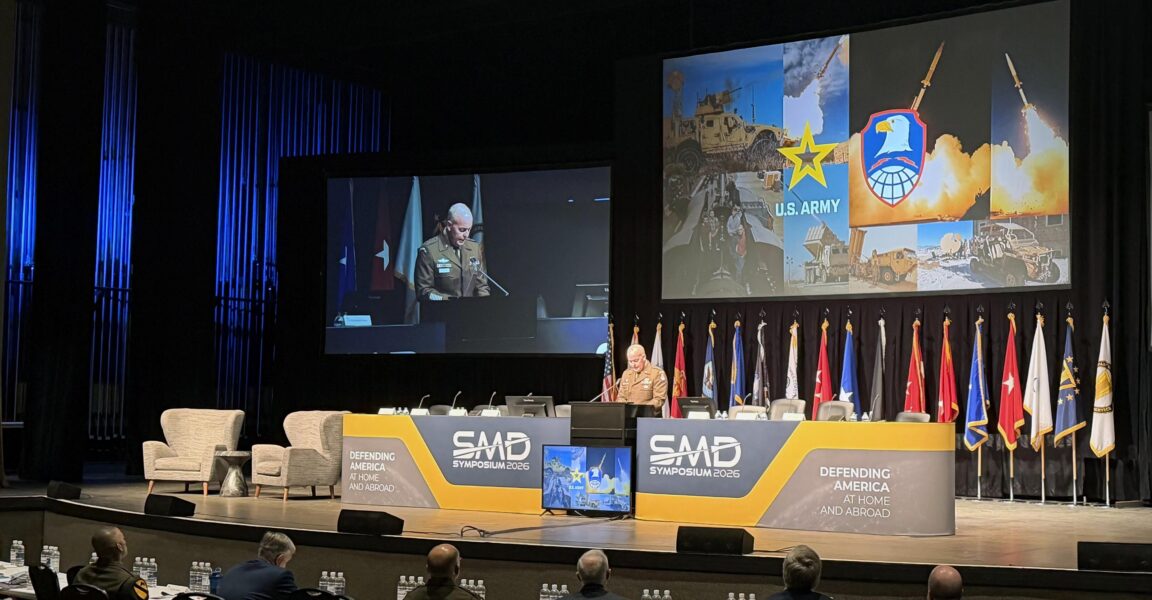
PHOTOS: SMD 2026
 Gallery



Breaking Defense Video