Air Warfare

F-35 engine upgrade clears key design review, Pratt says

“It means that the design is solid. It means that we're ready to move forward from an industrial base as well,” Jill Albertelli, the president of Pratt & Whitney's military engines business, told Breaking Defense.

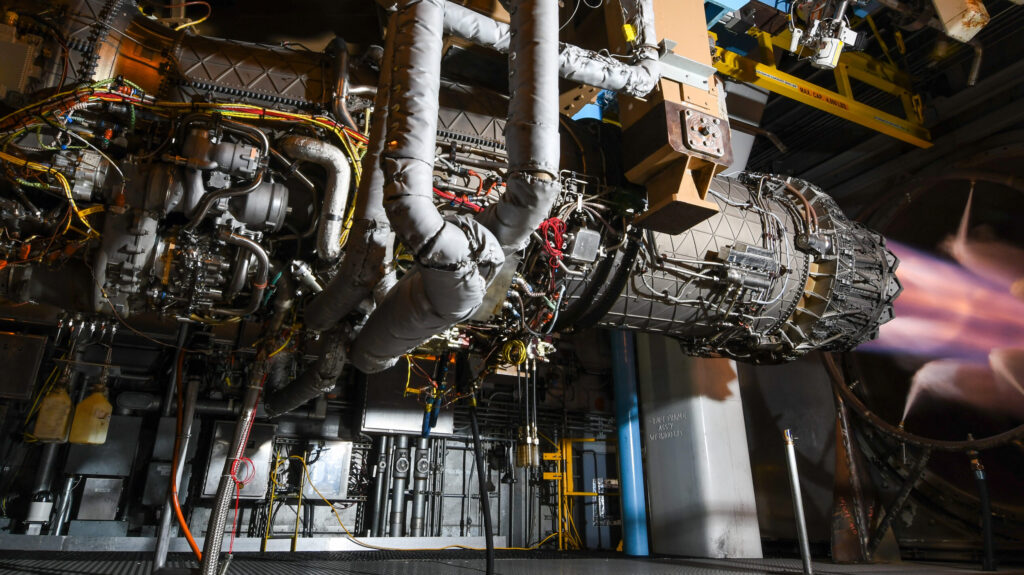
A Pratt & Whitney F135 engine undergoes accelerated mission testing in Sea Level Test Cell 3 at Arnold Air Force Base, Tenn., Nov. 15, 2021. (U.S. Air Force photos by Jill Pickett)

NATIONAL HARBOR, Md. — An upgrade for the F-35 stealth fighter’s engine has passed a crucial design review, teeing up the program to move into subsequent testing and eventually production, according to a top executive at manufacturer Pratt & Whitney.

“It means that we’ve been working integration work with the airframe. It means that the design is solid. It means that we’re ready to move forward from an industrial base as well,” Jill Albertelli, president of Pratt’s military engines business, said of the design review in an interview with Breaking Defense on Monday. (Today, Pratt’s parent company RTX announced that Albertelli has been promoted to serve as Pratt’s president, effective Jan. 1, 2027.)

The enhancement, known as the Engine Core Upgrade (ECU) for the stealth fighter’s F135 powerplant, specifically passed what’s known as a risk reduction design review. Albertelli explained on the sidelines of the Air and Space Forces Association conference here that the milestone is essentially the same as a critical design review — Pentagon parlance for analysis that confirms a system design will perform as expected, among other criteria. 

About one-third of unique hardware for the first engine to test in the upgrade program is “in process,” Albertelli said. 

Among the next steps is the first engine test, according to Albertelli. She declined to comment directly on when specific milestones are planned and referred questions to the F-35 Joint Program Office. A top Air Force official, however, previously told reporters that ground testing will kick off in 2027, followed by flight testing around 2030. 

When Pratt pushed the ECU plan several years ago, officials projected the program could be ready to enter service by 2028. But according to a review by the Government Accountability Office last year, ECU production isn’t slated to begin until 2031. 

Asked about Pratt’s assumptions for fielding ECU, Albertelli said, “We always want to make sure we are giving the customer what they’re prioritizing,” noting as well that “funding isn’t unlimited, so we have to balance those equations on what the need is.” Pratt, she emphasized, is “meeting [the government’s] milestones.” 

Military officials say the engine program will deliver greater thrust and fuel efficiency. The upgrade is also meant to restore expected engine life and support a suite of forthcoming upgrades known as Block 4

The engine upgrade — which officials selected after passing over a whole new, so-called “adaptive” propulsion system for the F-35 — will save “tens of billions” of dollars in maintenance costs compared to foregoing an enhancement for the F135, Albertelli said. 

All three variants of the F-35 are expected to benefit from the ECU, which is planned to be retrofitted into existing jets. The Pentagon recently awarded a roughly $240.8 million modification for ECU work, following a $1.3 billion base contract issued in September 2024. 

PHOTOS: AFA 2026
PHOTOS: AFA 2026

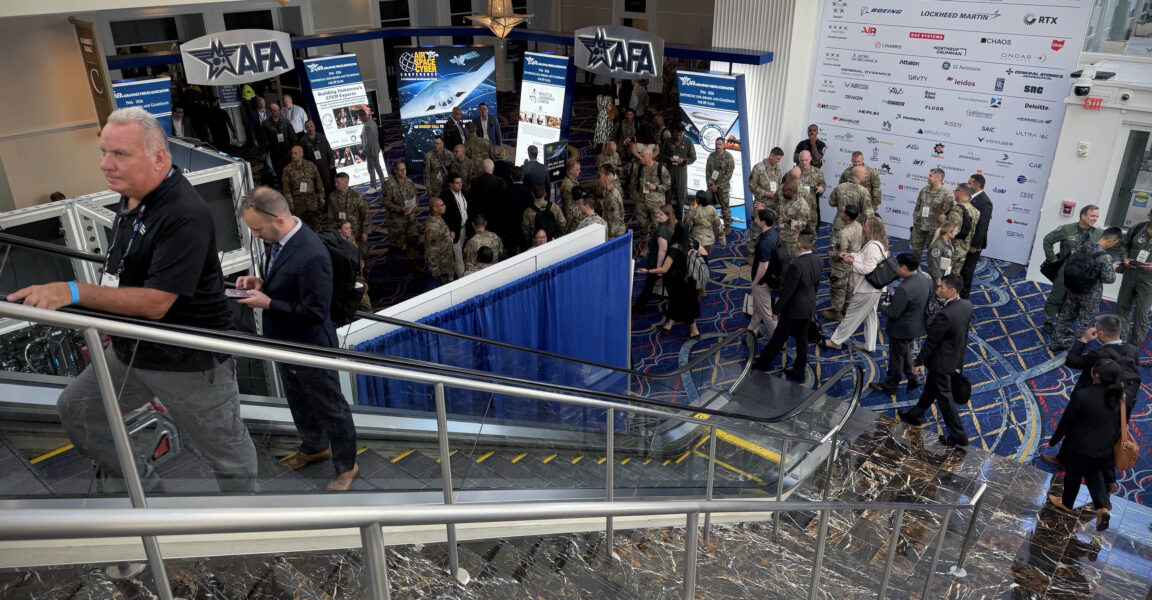
Dozens of attendees file in during day one of the Air, Space and Cyber conference on Sept. 14, 2026. (Breaking Defense)
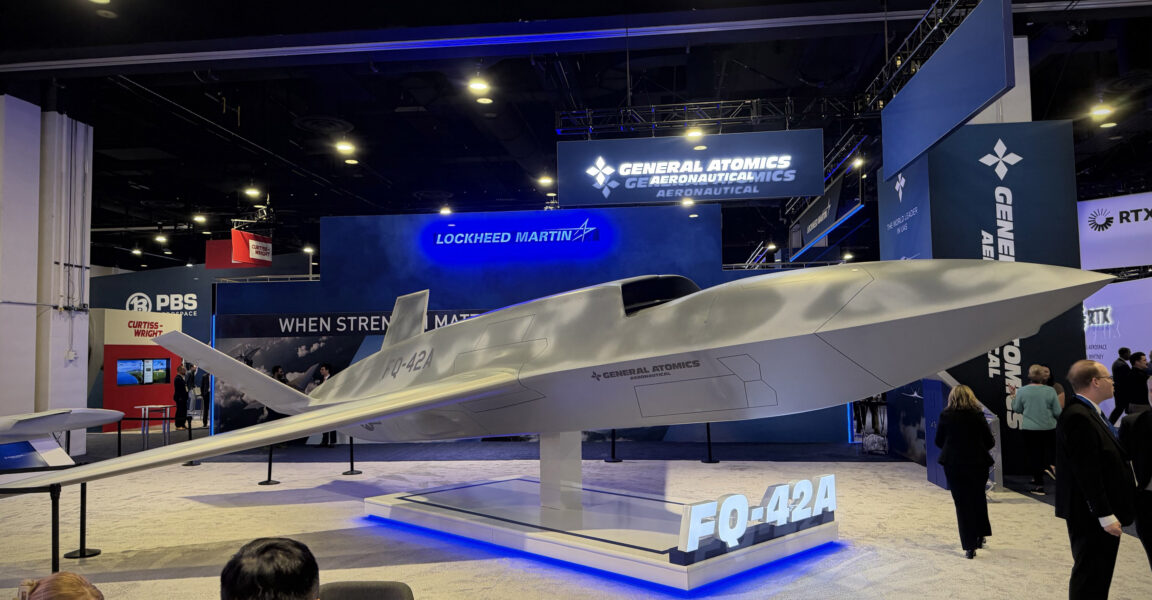
The unmanned fighter aircraft FQ-42 Vengeance from General Atomics is seen here on display at the Air, Space and Cyber conference on Sept. 14, 2026. (Breaking Defense)
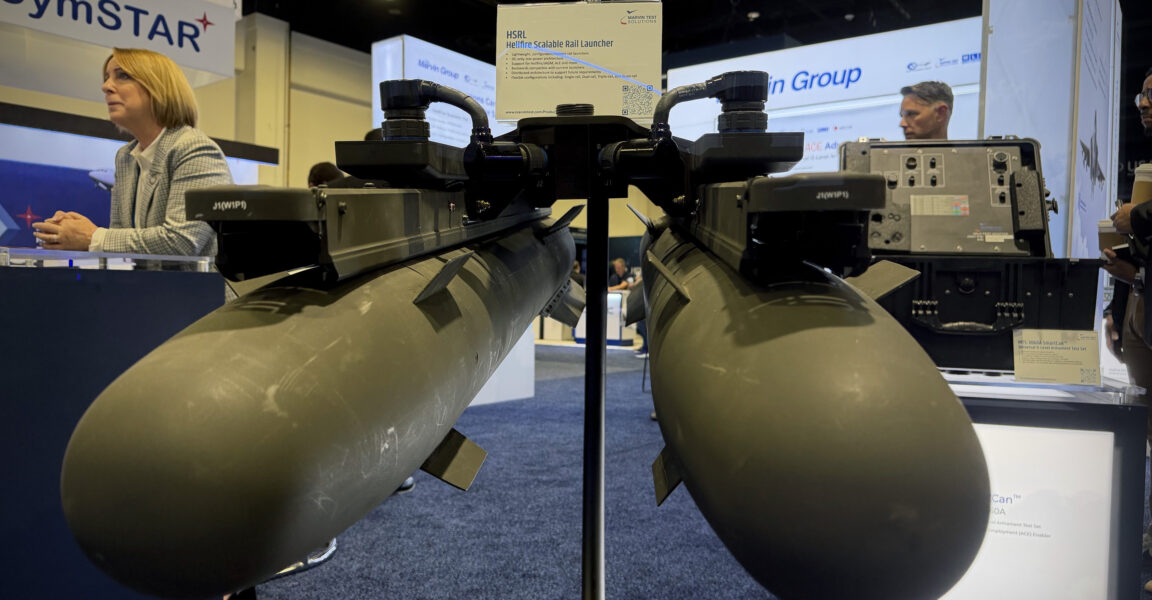
This is a Hellfire Scalable Rail Launcher from Marvin Test Solutions, as seen on the show floor at the Air, Space and Cyber conference on Sept. 14, 2026. (Breaking Defense)
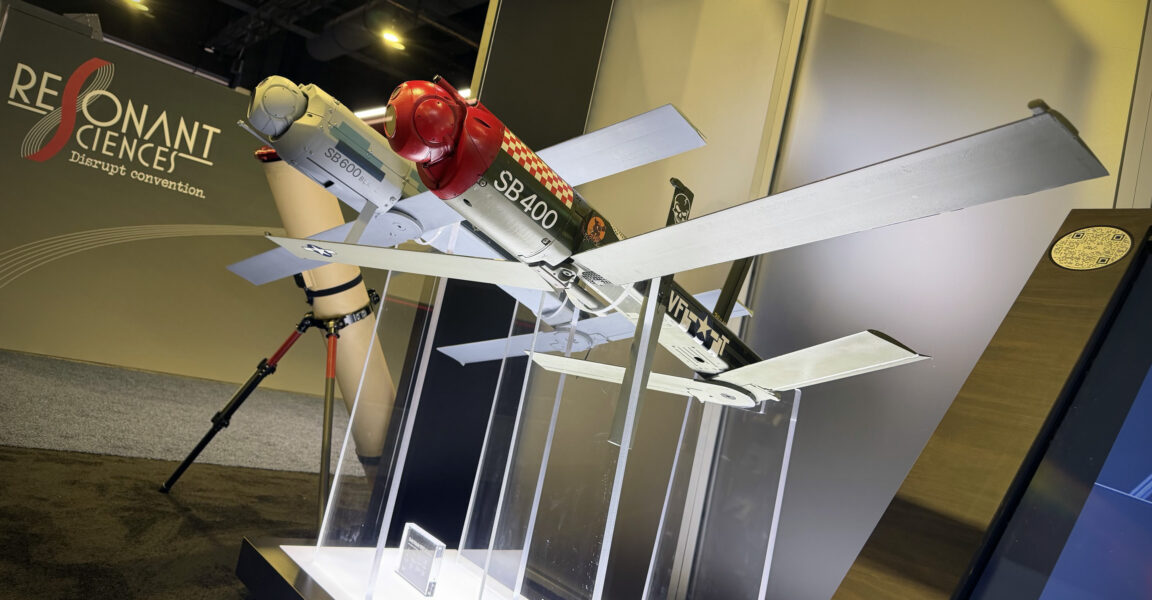
Here are AeroVironment's (from left) Switchblade launcher as well as the Switchblade 600 and Switchblade 400 loitering munitions at the Air, Space and Cyber conference on Sept. 14, 2026. (Breaking Defense)
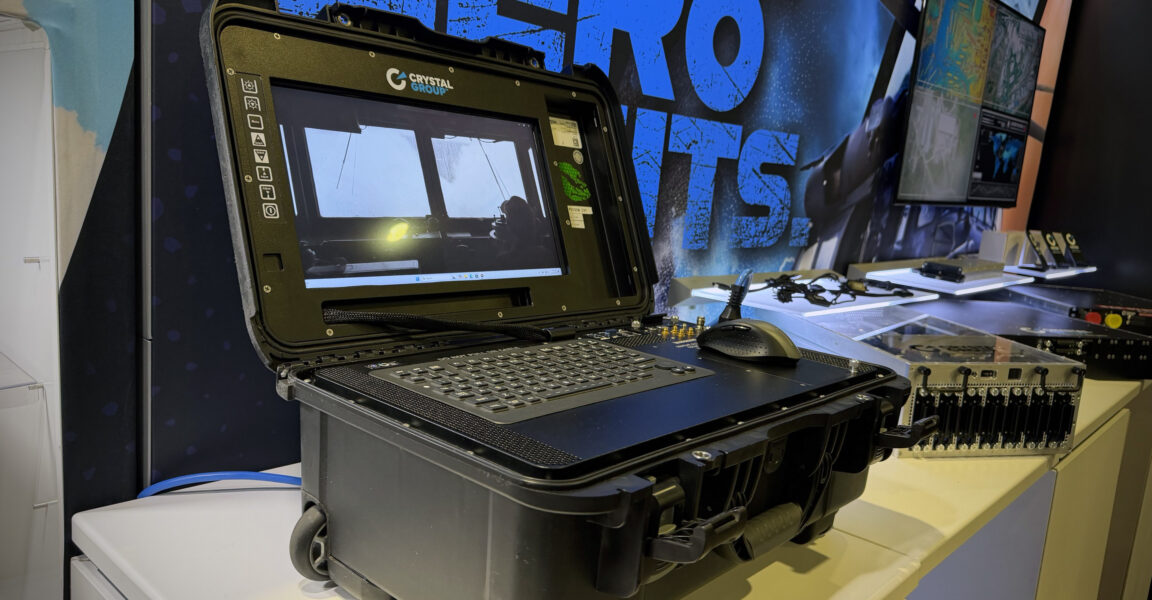
The firm Crystal Group specializes in "ruggedized" systems for military use, including these sturdy iterations for remote laptop use, on display at the Air, Space and Cyber conference on Sept. 14, 2026. (Breaking Defense)
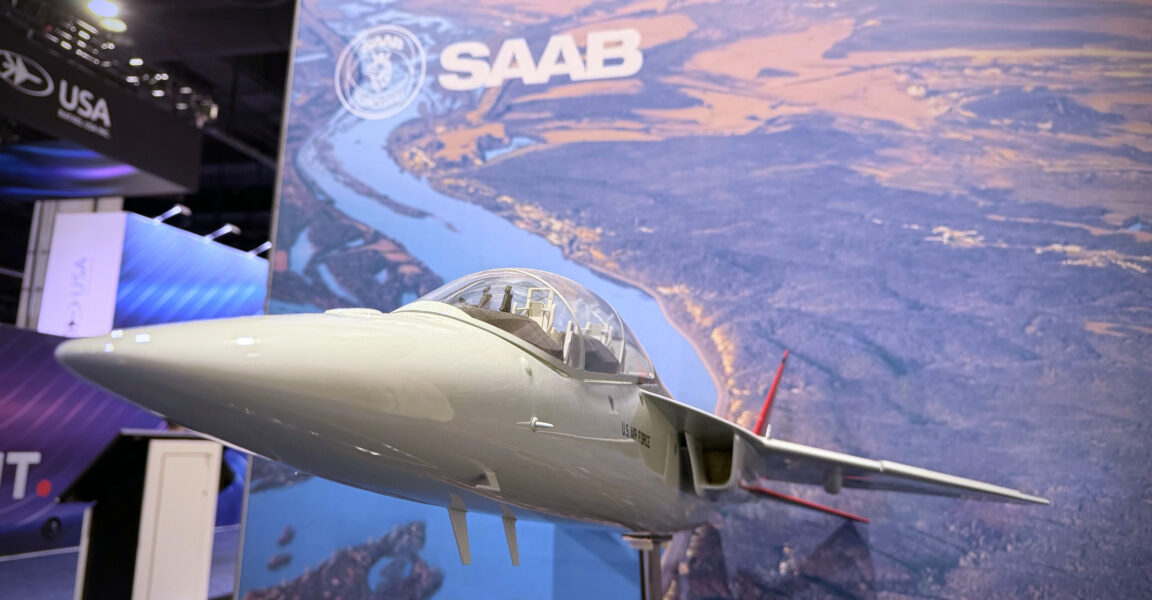
Swedish manufacturer Saab brought a scale model of its T7-A Advanced Pilot Training System as seen close up at the Air, Space and Cyber conference on Sept. 14, 2026. (Breaking Defense)
Here is Blu, an easy-going service dog attending the Air, Space and Cyber conference at the expo display from ruggedized, portable computer firm MaxVision on Sept. 14, 2026. (Breaking Defense)
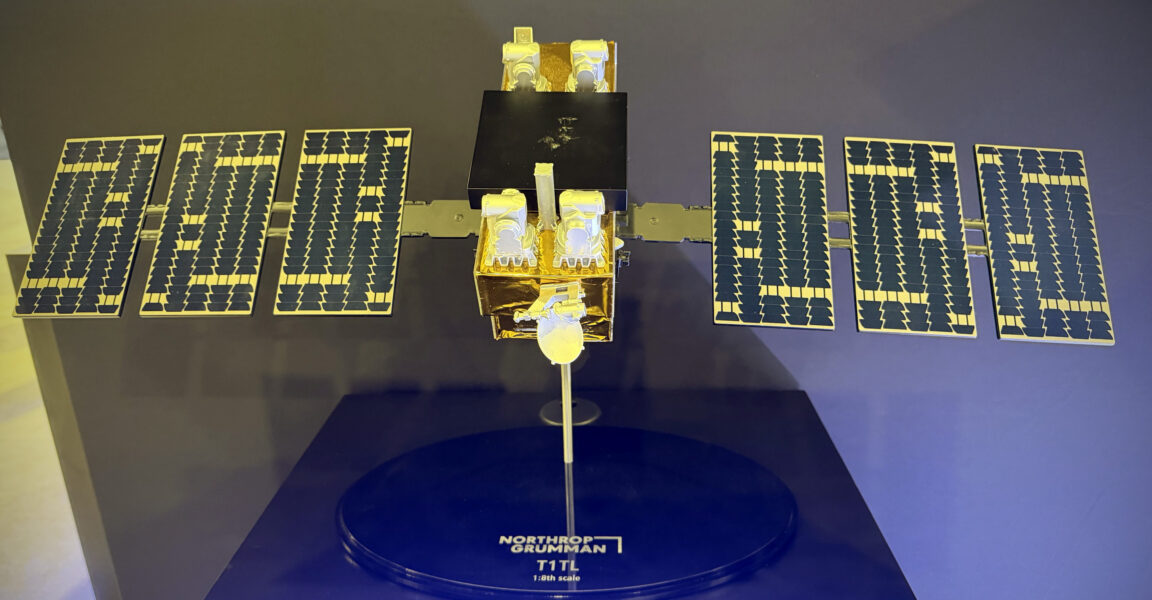
Here is 1:8 scale model of a Tranche 1 Transport Layer (T1TL) satellite from Northrop Grumman on display at the Air, Space and Cyber conference on Sept. 14, 2026. (Breaking Defense)
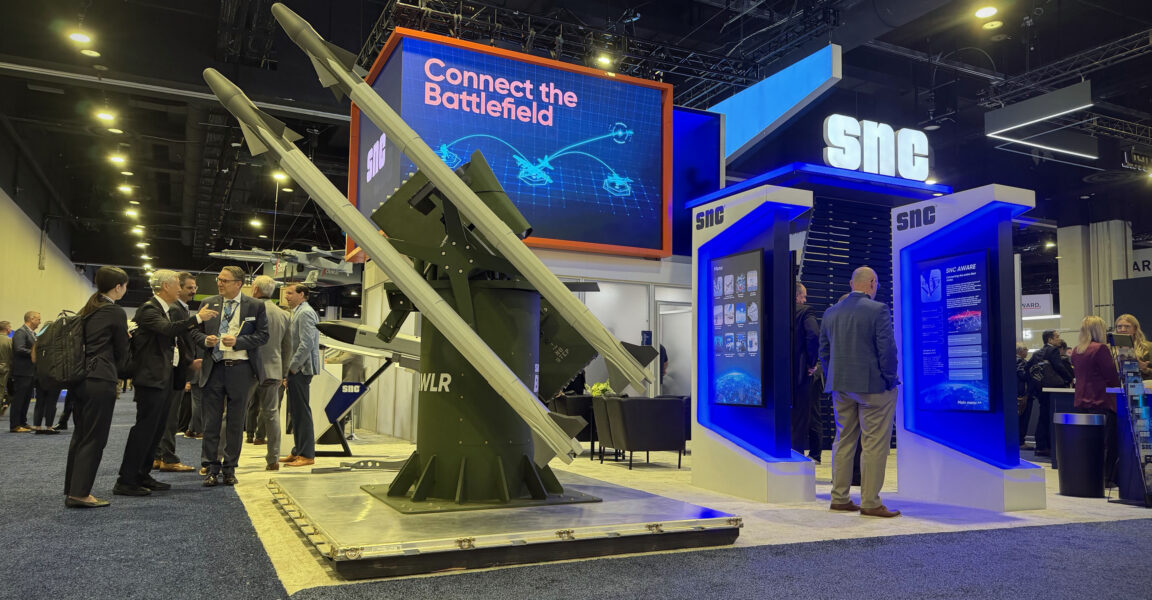
A side view of SNC's Brawlr (Battery Revolving Adaptive Weapons Launcher) air-defense system near the show floor entrance for the 2026 Air and Space Forces Air, Space and Cyber conference. (Breaking Defense)
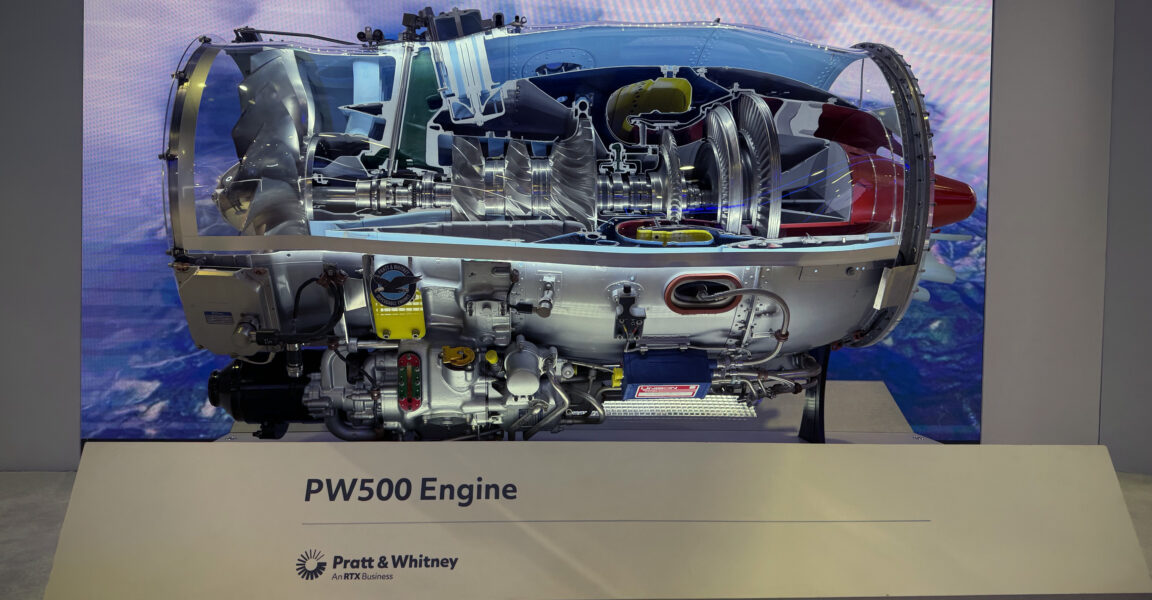
Pratt & Whitney’s PW500 engine is seen on the show floor at the Air, Space and Cyber conference on Sept. 14, 2026. (Breaking Defense)
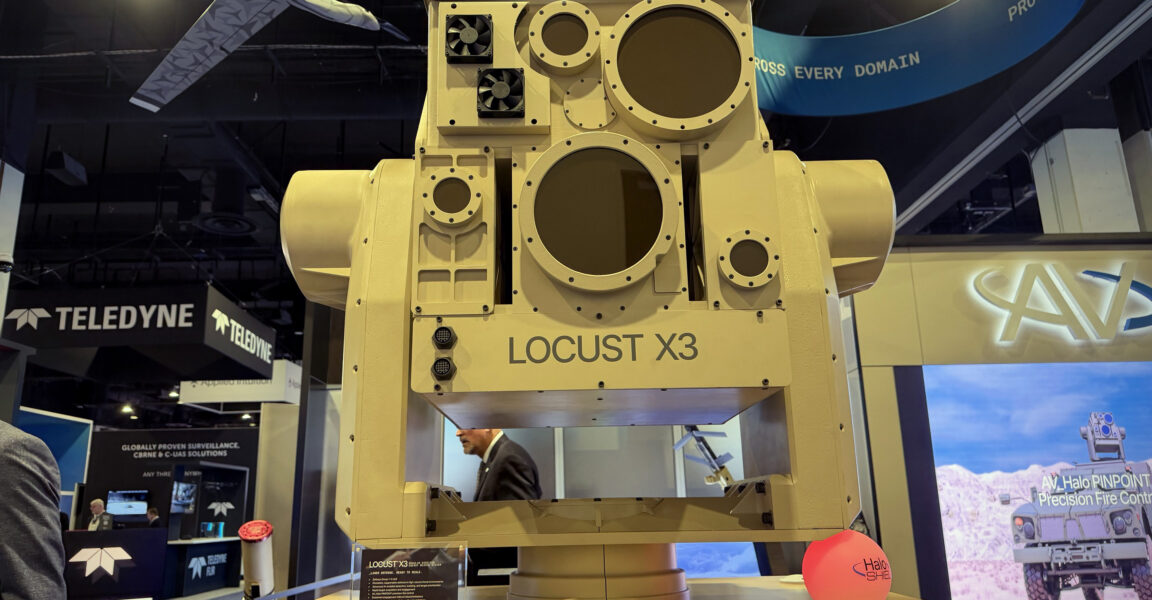
AeroVironment’s Locust X3 directed-energy counter-drone system on the show floor at the 2026 Air, Space and Cyber trade show. (Breaking Defense)
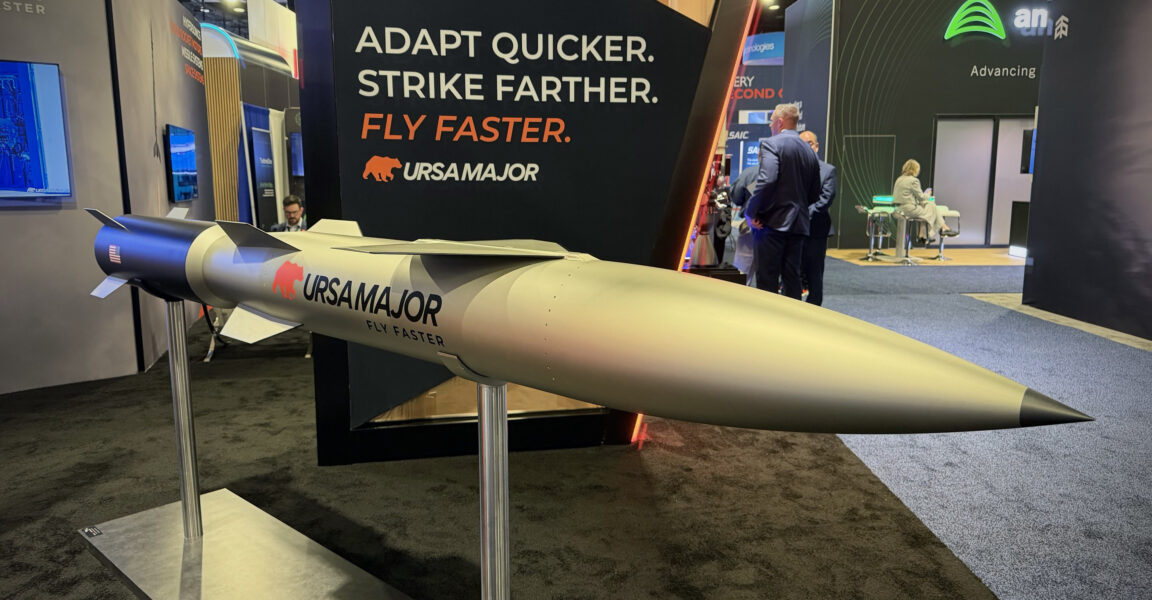
The Havoc missile system from defense firm Ursa Major at the 2026 Air, Space and Cyber conference. (Breaking Defense)
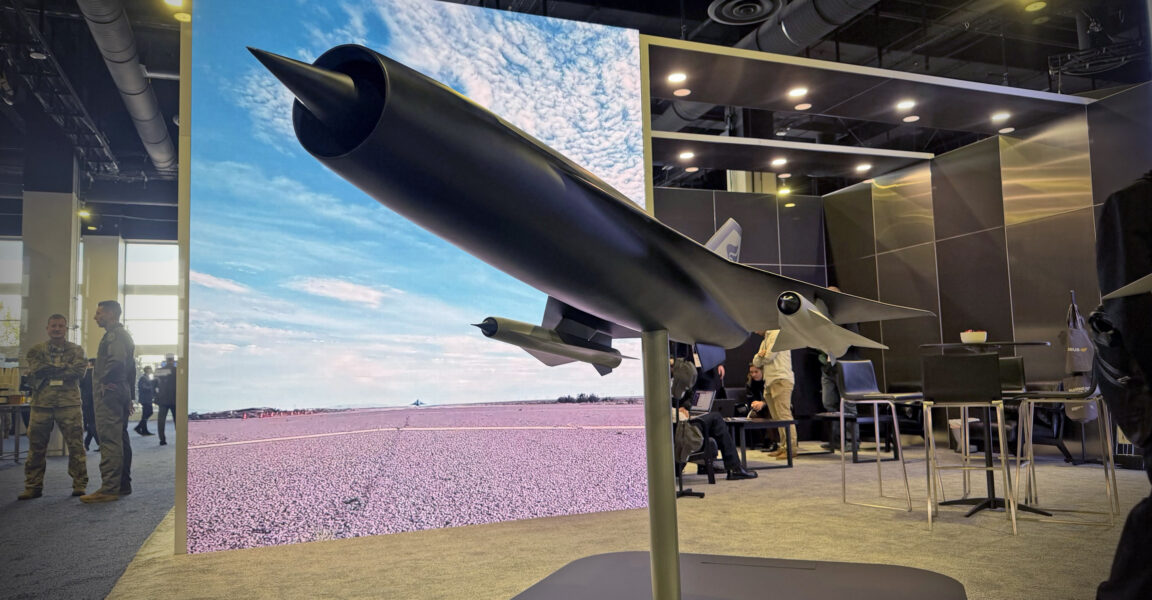
A 1:7 scale model of the Ramjet-X from Hermeus is seen on display at the 2026 Air, Space and Cyber expo. (Breaking Defense)
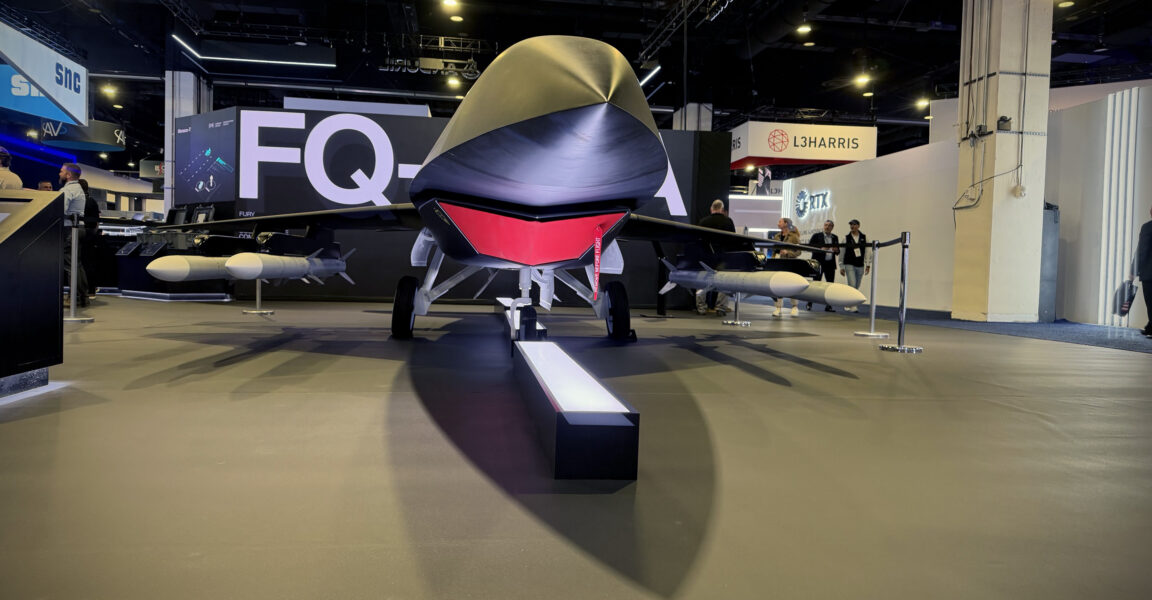
Anduril showed off its FQ-44 Fury unmanned fighter aircraft on the show floor of AFA 2026. (Breaking Defense)
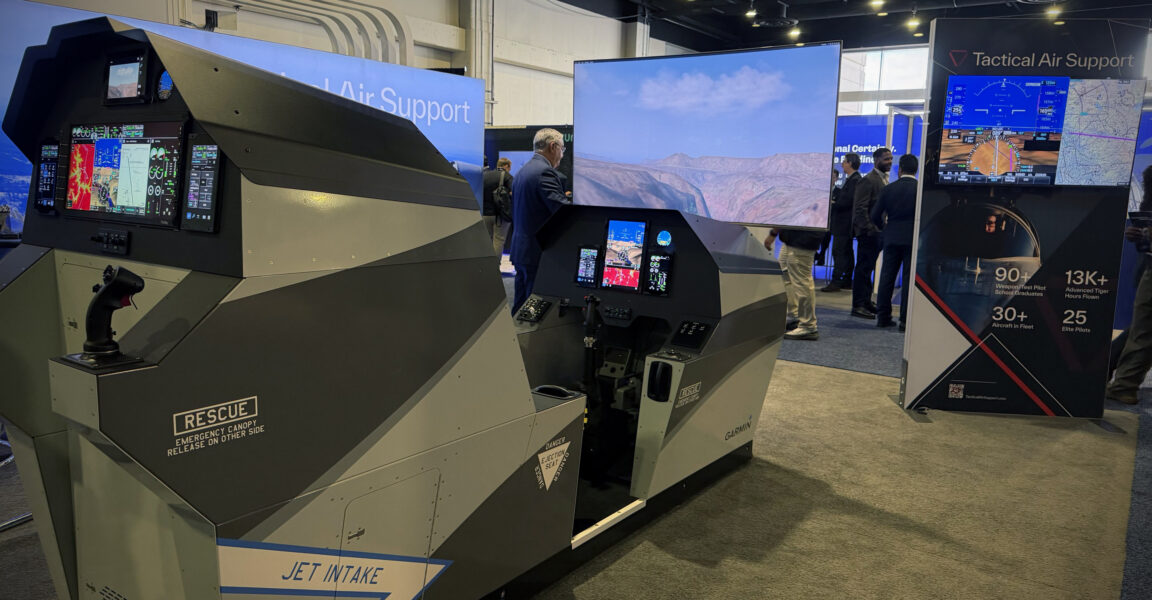
A pilot training system from Tactical Air Support is one several trainers brought to the show floor at the 2026 Air, Space and Cyber conference. (Breaking Defense)
The firm Unit Solutions brought their Unit4 rifle (an M4 replica) for attendees at the 2026 Air, Space and Cyber conference. (Breaking Defense)
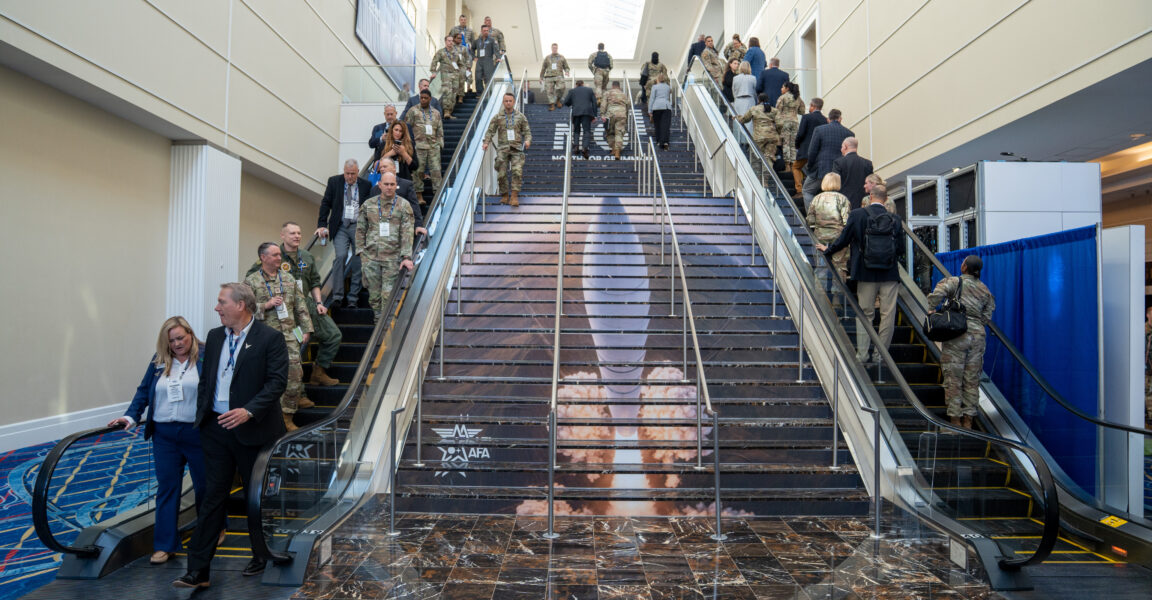
Attendees travel decorated stairways at the 2026 AFA conference. (Daniel Woolfolk / Breaking Defense)
RTX brought its Zero-G Helmet Mounted Display system for assisting pilots in high-definition using binocular lenses and an advanced multicore processor. The HMDS+ kit was encased behind glass during the 2026 AFA conference. (Daniel Woolfolk / Breaking Defense)
Elbit Systems of America, which recently changed its name to Twenty-Six Defense, set up a booth at AFA 2026. (Daniel Woolfolk / Breaking Defense)
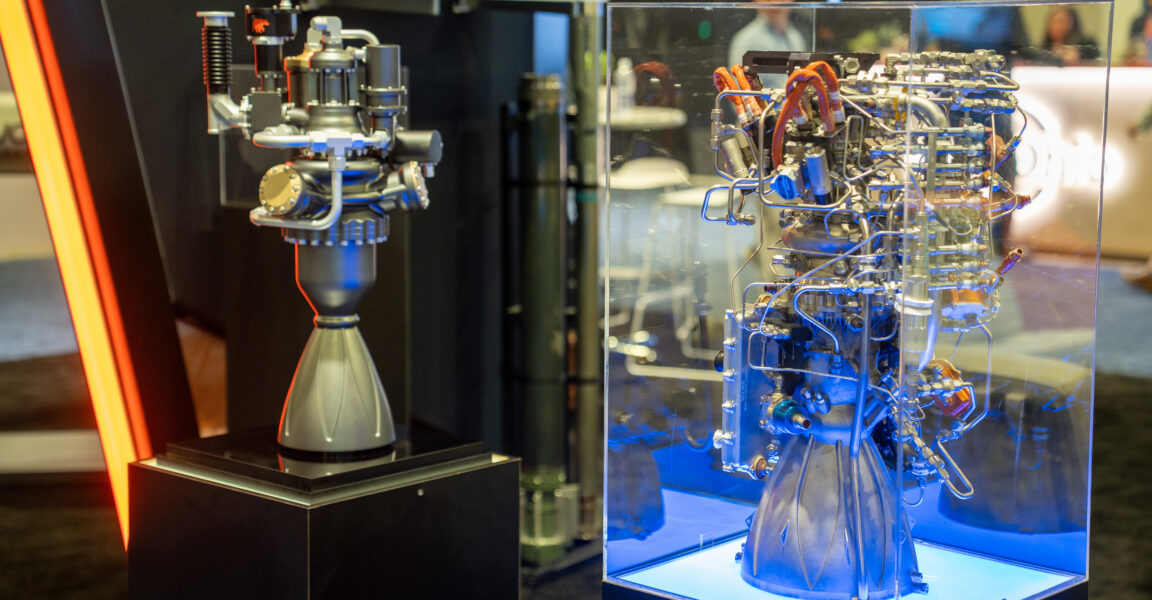
Ursa Major showcased its liquid-fuel rocket engines Draper (left) and Hadley (Right) at the 2026 Air, Space and Cyber expo. (Daniel Woolfolk / Breaking Defense)
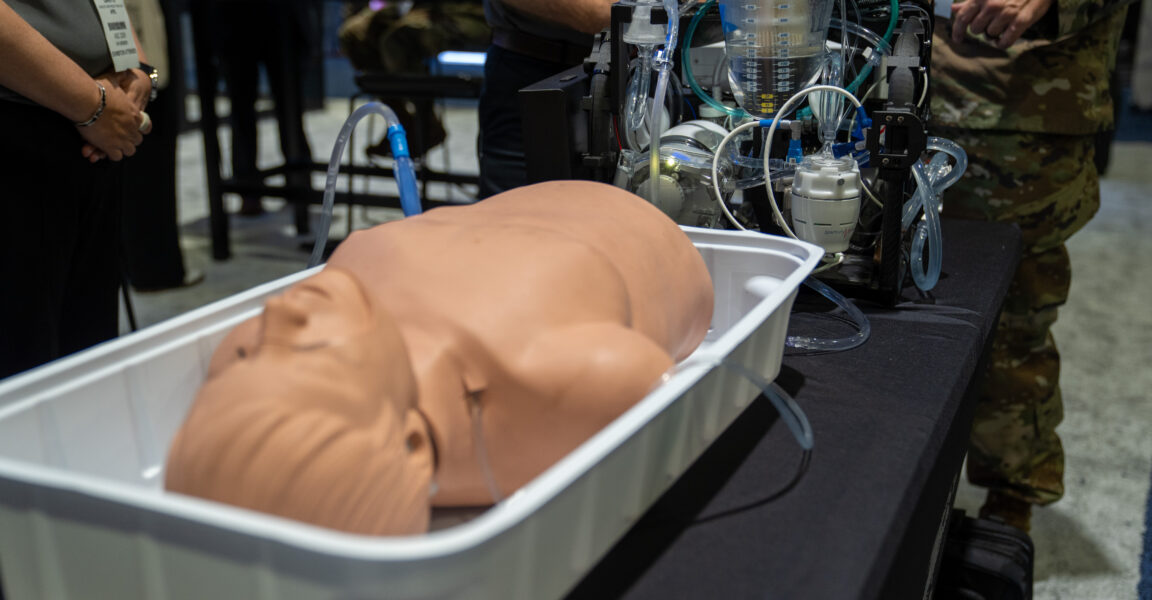
At 2026's Air, Space and Cyber expo, Air Force Research Laboratory personnel display a battlefield blood recycling system that filters lost blood back to be transfused into the same patient. (Daniel Woolfolk / Breaking Defense)
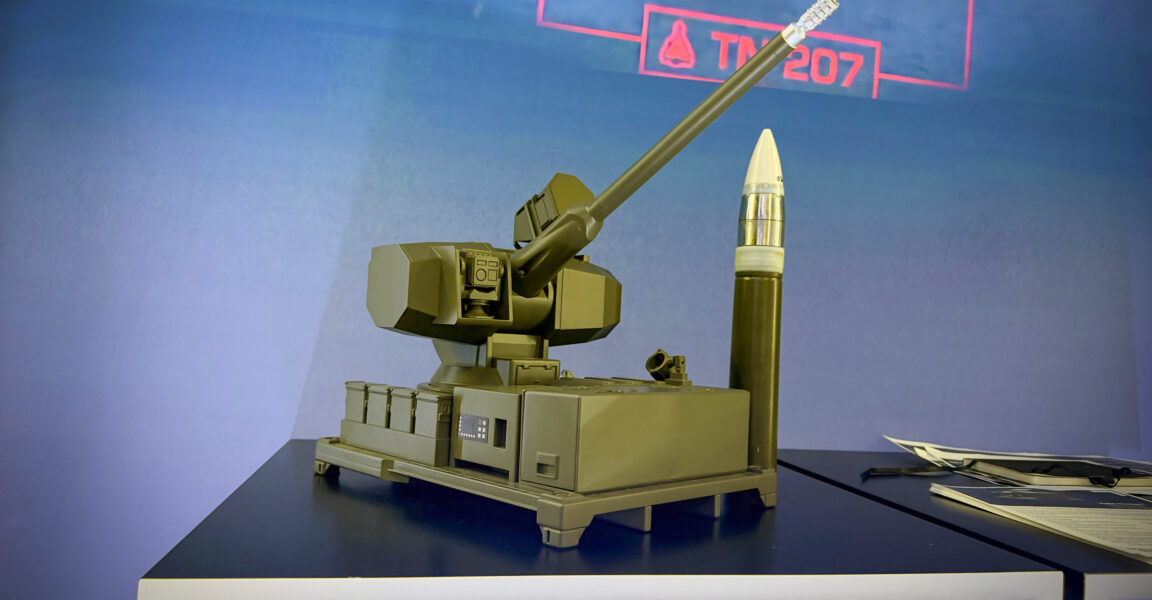
Northrop Grumman brought a scale model of its Raid Hunter 50 mm air defense system to the 2026 AFA expo. A full-size dummy shell stands just to the right of the scale model. (Breaking Defense)
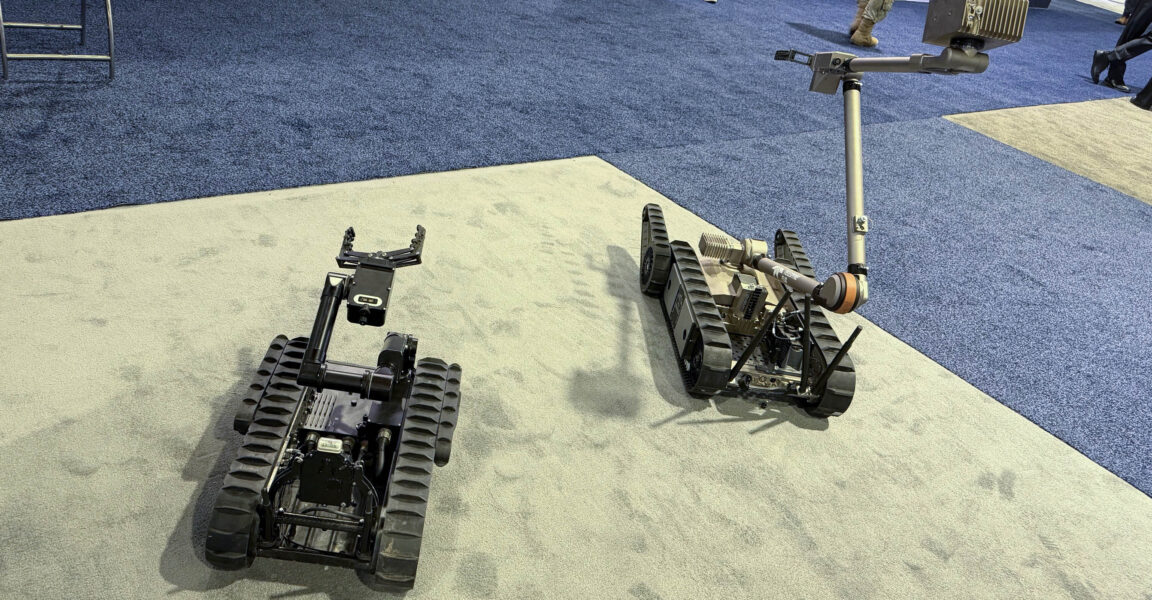
Teledyne Flir brought a few of its ground robots to the 2026 AFA show floor. (Breaking Defense)
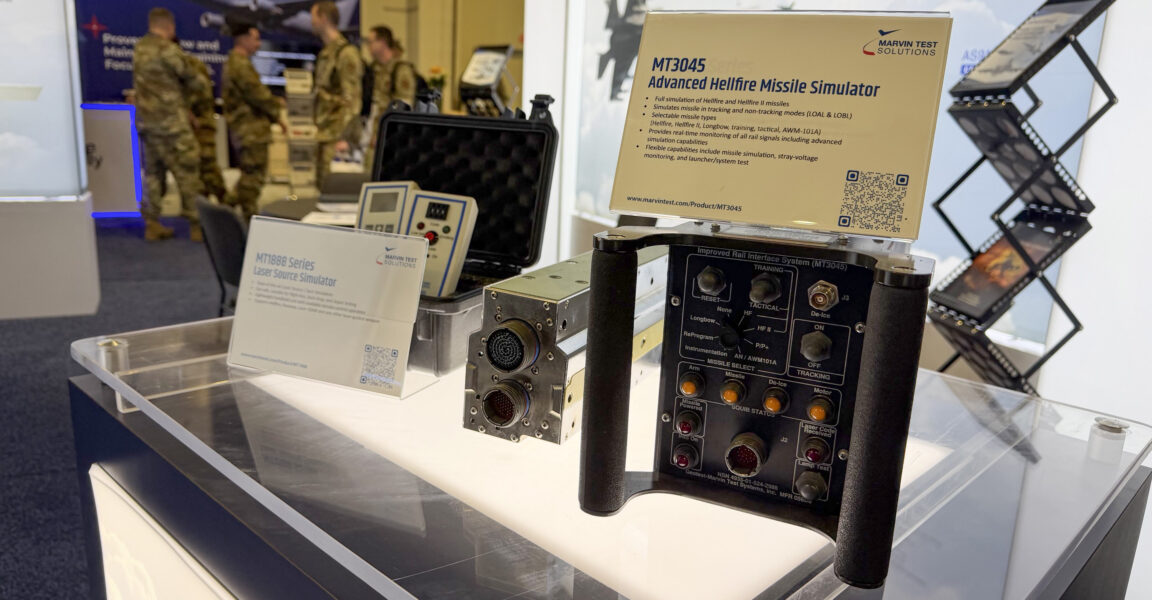
Marvin Test Solutions displayed a few training system components, including the MT3045 Advanced Hellfire Missile Simulator, at the 2026 Air, Space and Cyber conference. (Breaking Defense)
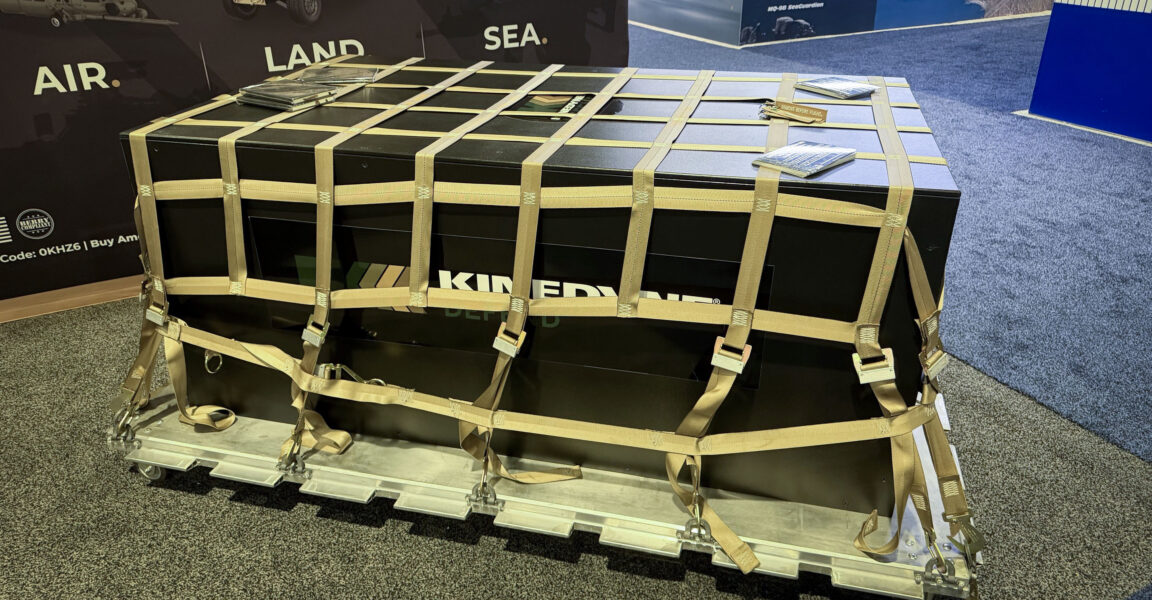
Cargo security developers at Kinedyne displayed a new tiedown strap system being tested with US Air Force personnel to the 2026 AFA expo. Specialized markings help expedite precision and loading for personnel securing equipment similar to what's seen in this photo. (Breaking Defense)