Air Warfare

Hegseth uses AUSA spotlight to push autonomy, ‘generational’ defense investment

Senior officials also revealed that the Defense Autonomous Working Group has been absorbed into a new Task Force Autonomous Warfare, which sits inside the Special Operations Command.

US Secretary of Defense Pete Hegseth speaks at the Association of the United States Army (AUSA) 2026 Annual Meeting and Exposition in Washington, DC on October 14, 2026. The AUSA Meeting and Exposition is a defense trade show and networking event for the global defense community. (Photo by Jim WATSON / AFP via Getty Images)

WASHINGTON — Defense Secretary Pete Hegseth and service leaders took center stage at the Association of the US Army’s annual conference this morning discussing broad plans to scale autonomous weapons and stand up a new four-star command. 

“You have autonomy. You have robotics. You have SI [super intelligence]. You have space,” Hegseth told an audience full of servicemembers and industry figures. “It’s that the folks who acquire it [defense platforms] need to be right there, up with the warfighter at the same time, who understand how to iterate it and change on and innovate on it.”

While Hegseth and service civilian leader steered clear of many specifics about autonomy development and investment plans today, they used the event to discuss the need to stand up the recently announced Autonomous Warfare Command, or AUTOWARCOM, that is envisioned as having service-like authorities to scale autonomous and robotic capabilities across the joint force.

While Congress will have to sign off on the plan — a move that could take time— the Defense Department is moving out with several efforts to pave that path forward. For instance, the Pentagon has shifted the Direct Reporting Portfolio Manager (DRPM) for autonomy into an umbrella unmanned tech initiative called Project Agincourt.

Owen West, who is now leading that project, moderated today’s AUSA autonomy panel that provided some insight into management changes, including to the Defense Autonomous Working Group (DAWG).

DAWG was established as follow-on to the Biden-era Replicator initiative to dramatically increase the production of drones and counter-drone tech. In 2025 DAWG was placed under Special Operations Command (SOCOM) with the goal of focusing on different capability portfolios. 

“We’re smaller. We’re able to iterate at the speed of relevancy,” said Derrick Anderson, the assistant secretary of defense for Special Operations and Low-Intensity Conflict.

Anderson said now DAWG is being absorbed by a new Task Force Autonomous Warfare inside SOCOM to support Project Agincourt and, eventually, AUTOWARCOM, to “keep iterating” inside the autonomy space and so that there isn’t a “stagnant pause.”

“Our guys are going to keep pushing forward,” Anderson added.

While lawmakers have not yet approved a fiscal 2027 defense spending bill or moved ahead with the administration’s separate reconciliation request, the Pentagon has laid out plans to spend nearly $55 billion on DAWG. 

It remains unclear how much of that request will ultimately be approved by Congress, but Hegseth reiterated this morning that the full request is necessary to “drive change” inside the department. 

“[It is] a one-time generational investment gives us a chance to reflect the president’s priorities,” Hegseth said on stage.

“Investments now are going to matter, and they’re going to ripple not just for years but for decades across our joint force,” he later added.

PHOTOS: AUSA 2026

PHOTOS: AUSA 2026

Attendees file in during the first day of the 2026 Association of the US Army annual conference in Washington, DC, on October 12, 2026. (Breaking Defense)
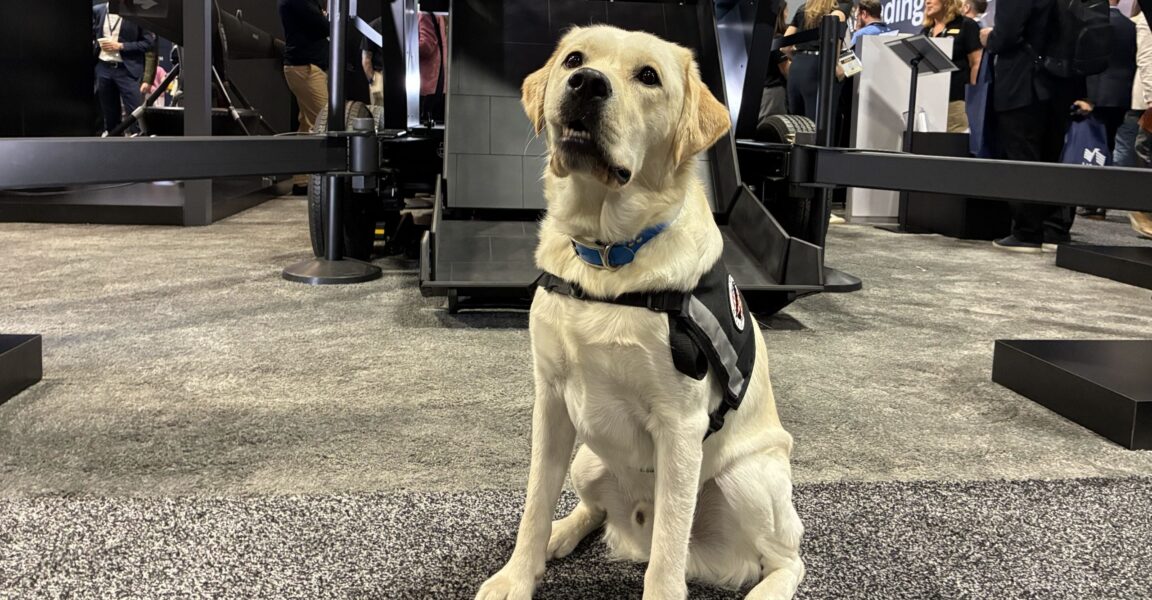
Patriot, who is expected to go to a wounded veteran when the dog’s training finishes, is happy to greet attendees outside the Shield AI booth on the show floor. (Breaking Defense)
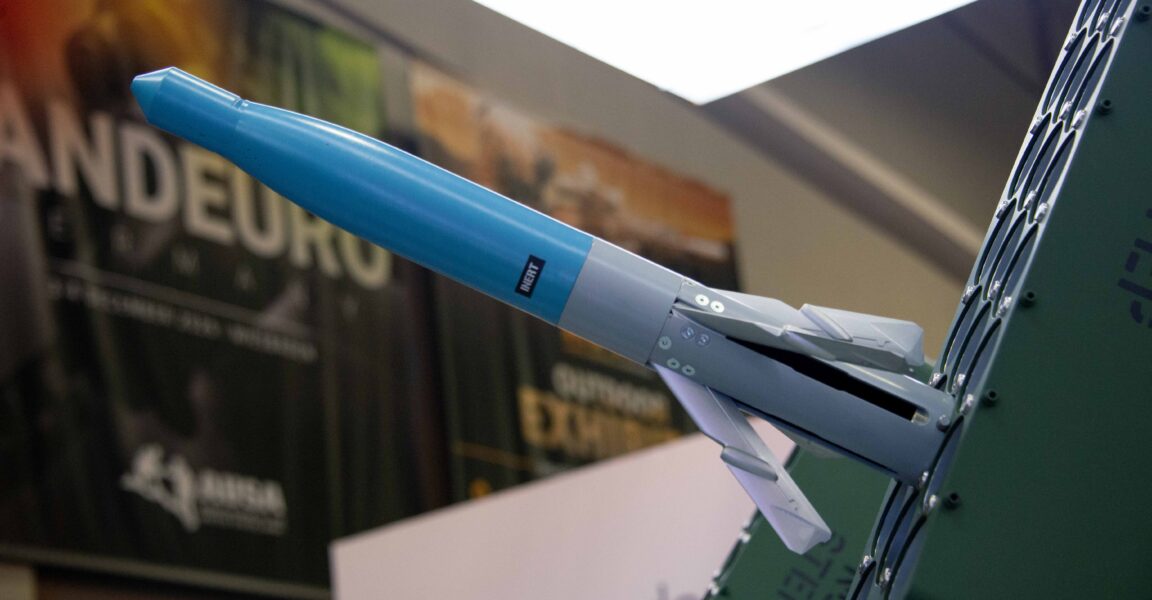
A close-up look at a munition from Sierra Nevada's Brawlr (Battery Revolving Advanced Weapons Launcher Reconfigurable) air-defense system, as seen at the 2026 AUSA conference. (Breaking Defense)
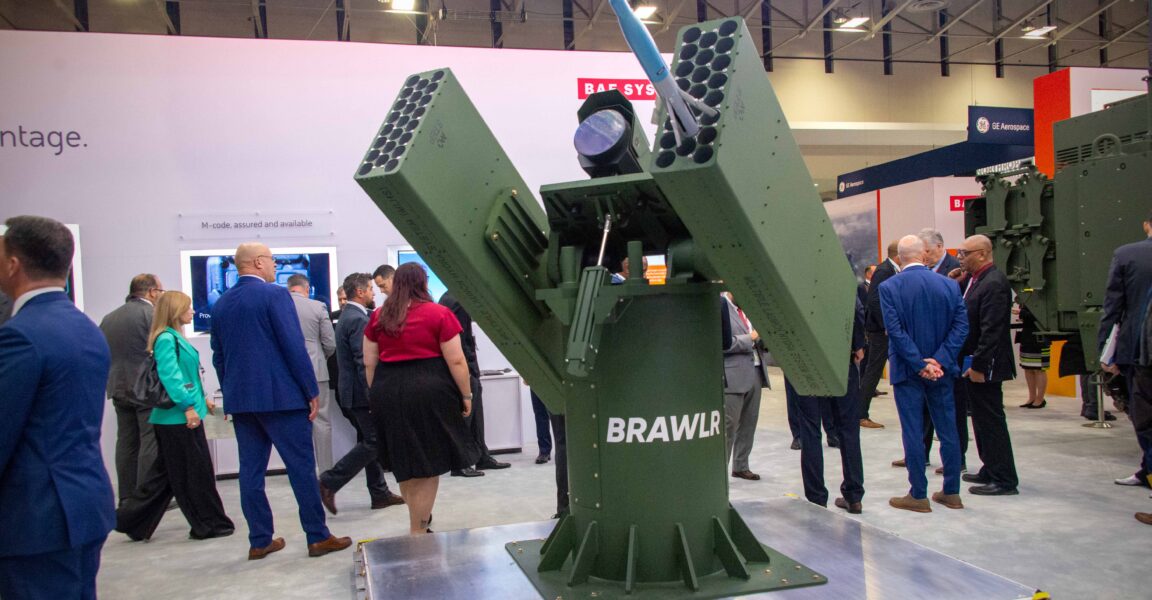
A wider shot of Sierra Nevada's Brawlr air-defense system at the 2026 AUSA conference. (Breaking Defense)
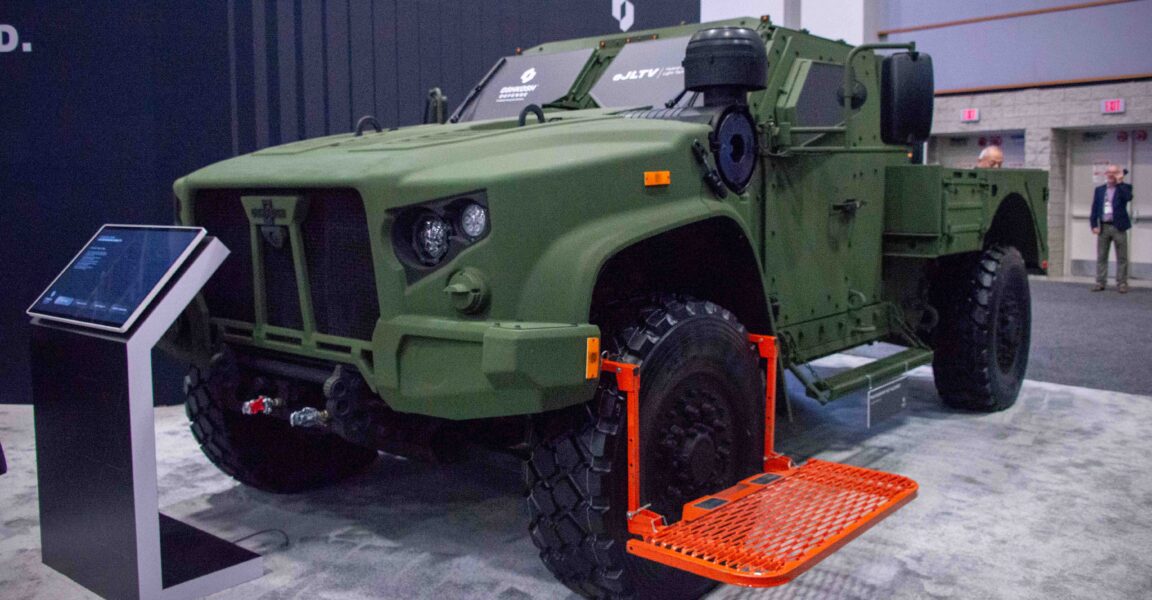
Oshkosh's electric Joint Light Tactical Vehicle on the AUSA show floor Oct. 12, 2026. (Breaking Defense)
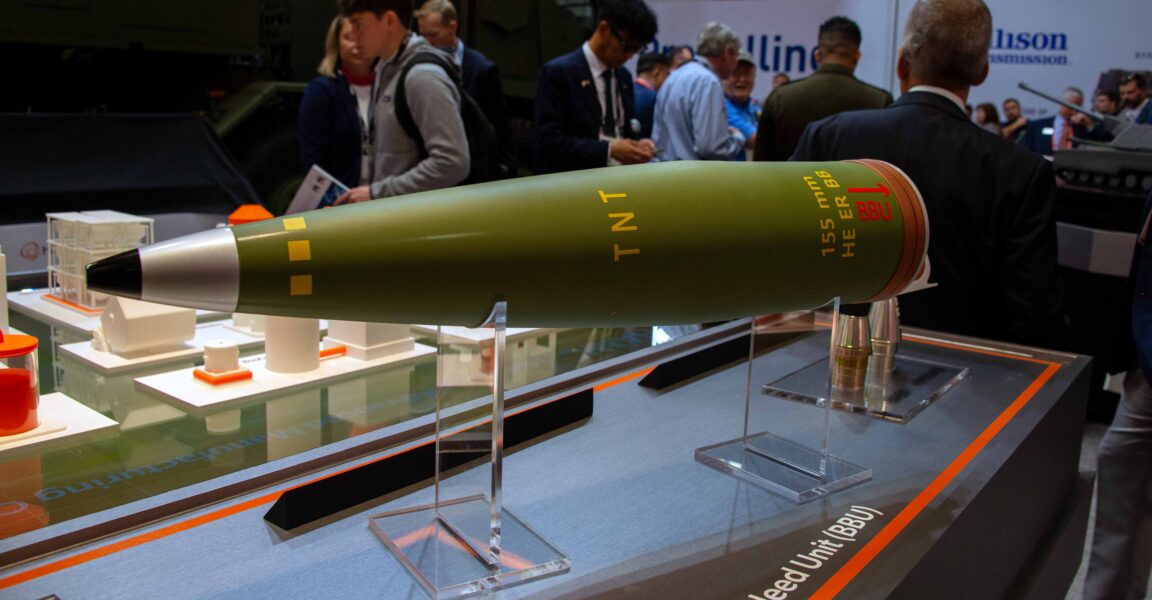
Hanwha Defense USA showed off its 155 mm artillery shells at the 2026 AUSA expo. (Breaking Defense)
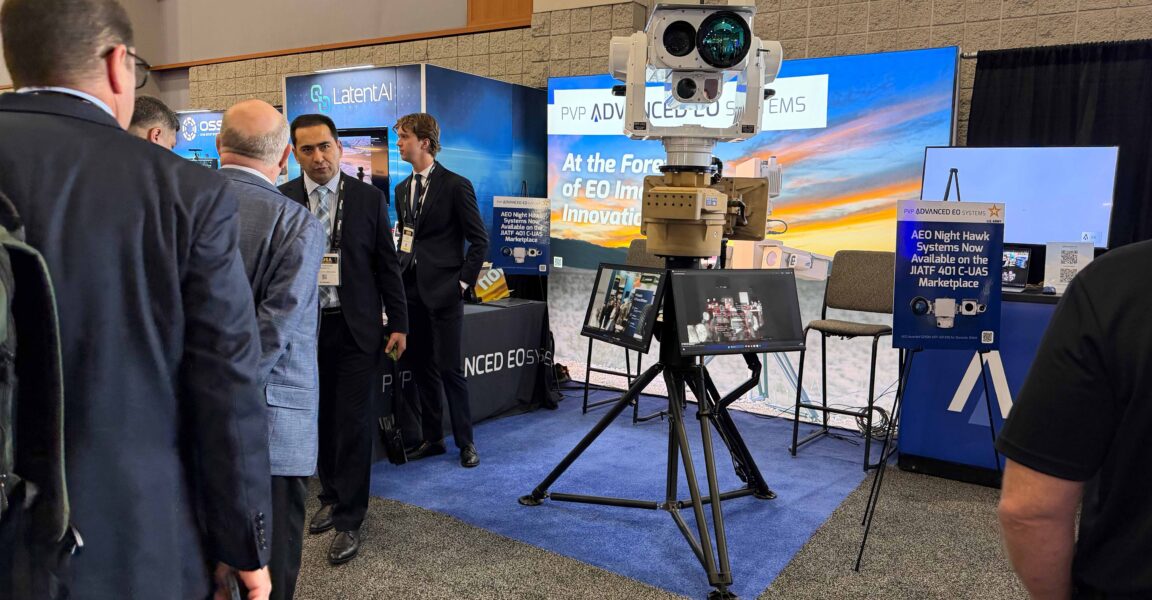
AEO Night Hawk Systems displayed their surveillance assembly, with sensors honing in on bystanders at the 2026 AUSA conference in Washington. (Breaking Defense)
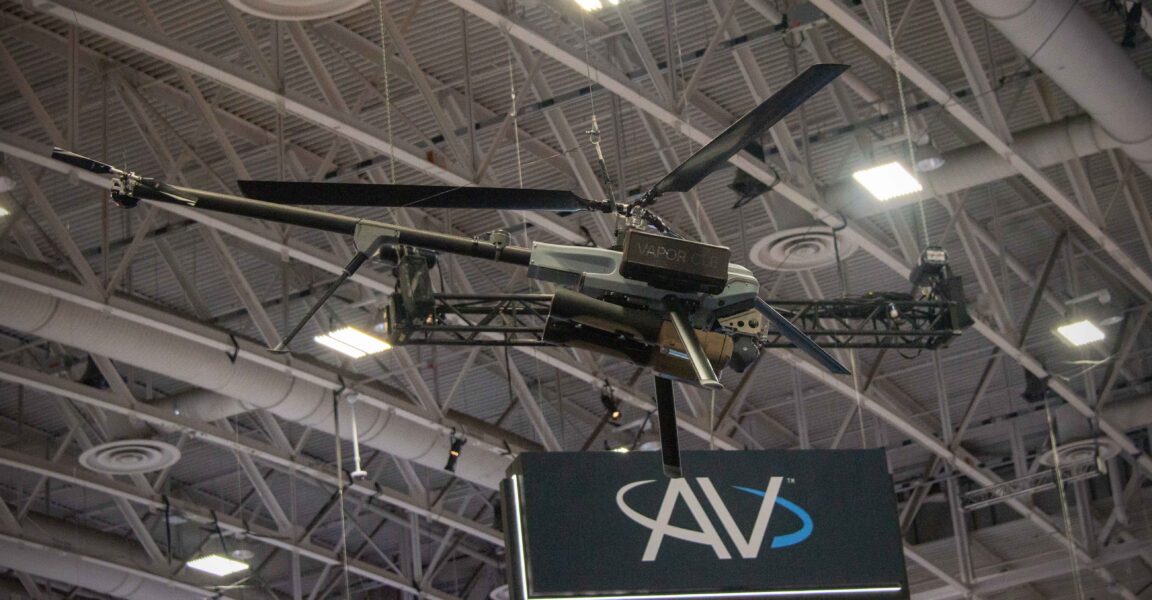
AeroVironment’s VAPOR is an all-electric, single-rotor vertical takeoff and landing (VTOL) helicopter unmanned aircraft system. Here it is suspended above attendees at the 2026 AUSA conference. (Breaking Defense)
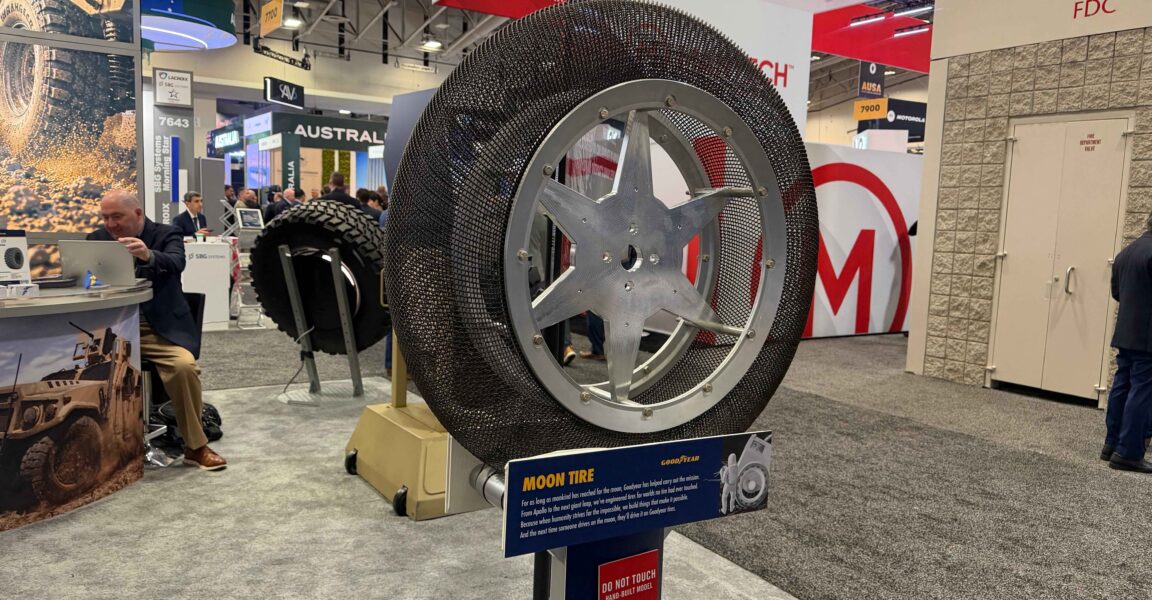
Goodyear representatives brought a sturdy but very unusual "moon tire" for lunar exploration to the 2026 AUSA expo. (Breaking Defense)
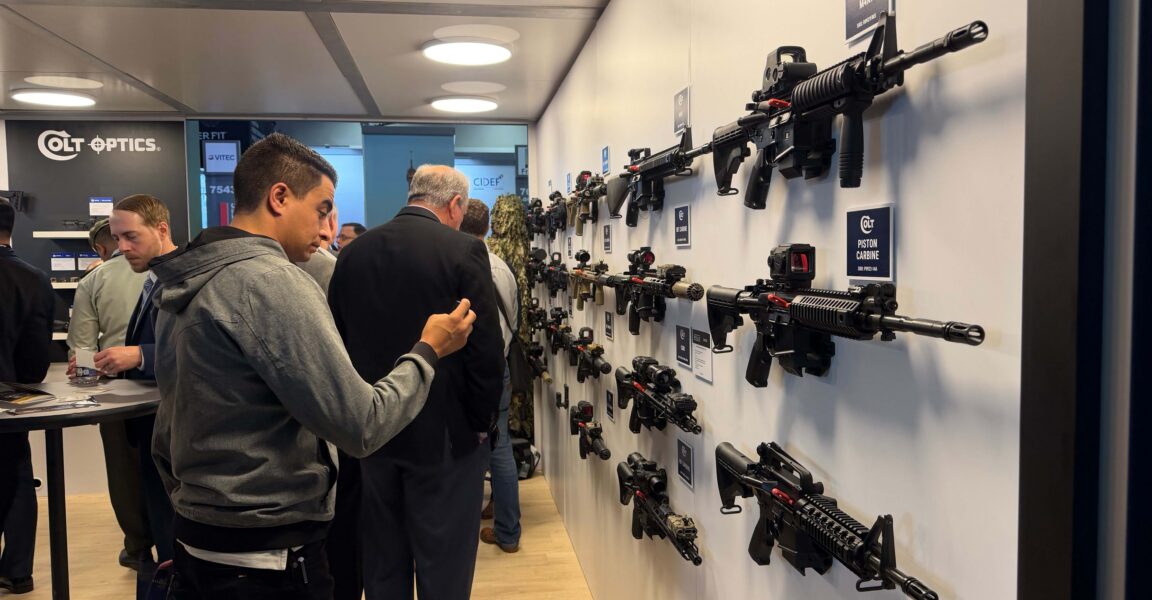
Colt optics had one of the busiest displays, with dozens of attendees observing a wall of assault rifles with specialized optics at the 2026 AUSA expo. (Breaking Defense)
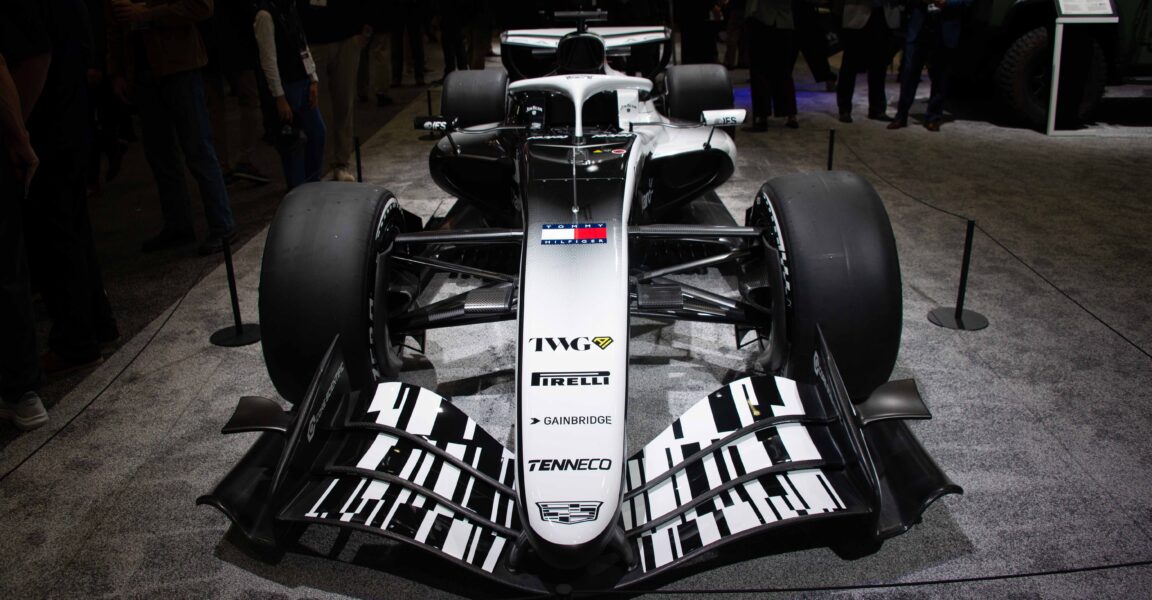
Cadillac brought its Formula 1 team racecar to the 2026 AUSA conference in Washington. (Breaking Defense)
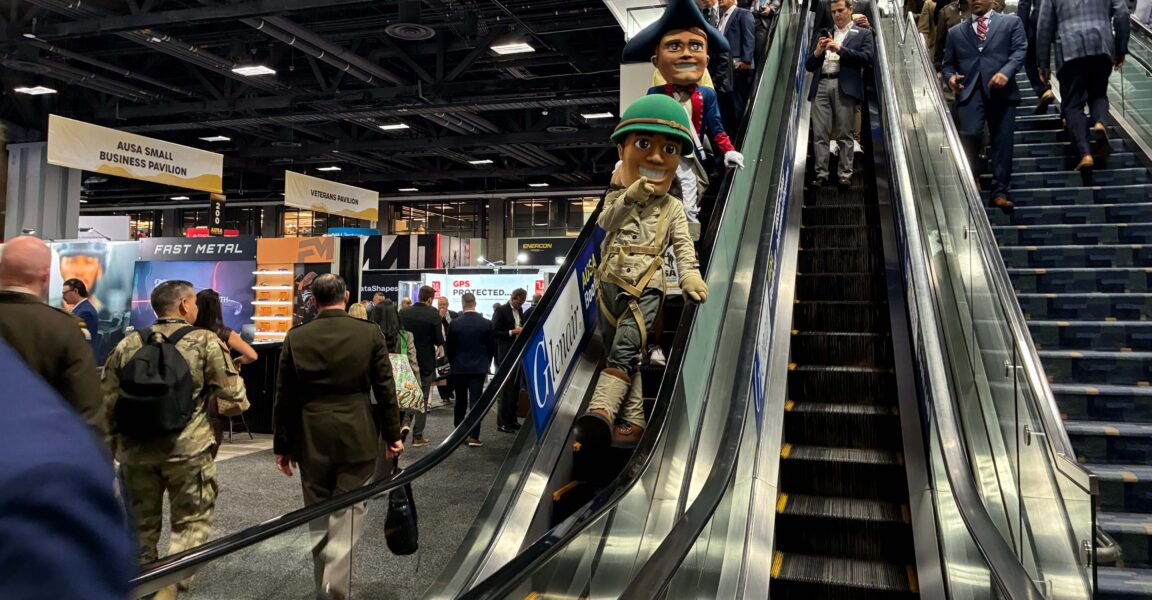
AUSA mascots Sgt. Hero and George Washington descend the escalator at the 2026 annual conference. (Aaron Mehta / Breaking Defense)
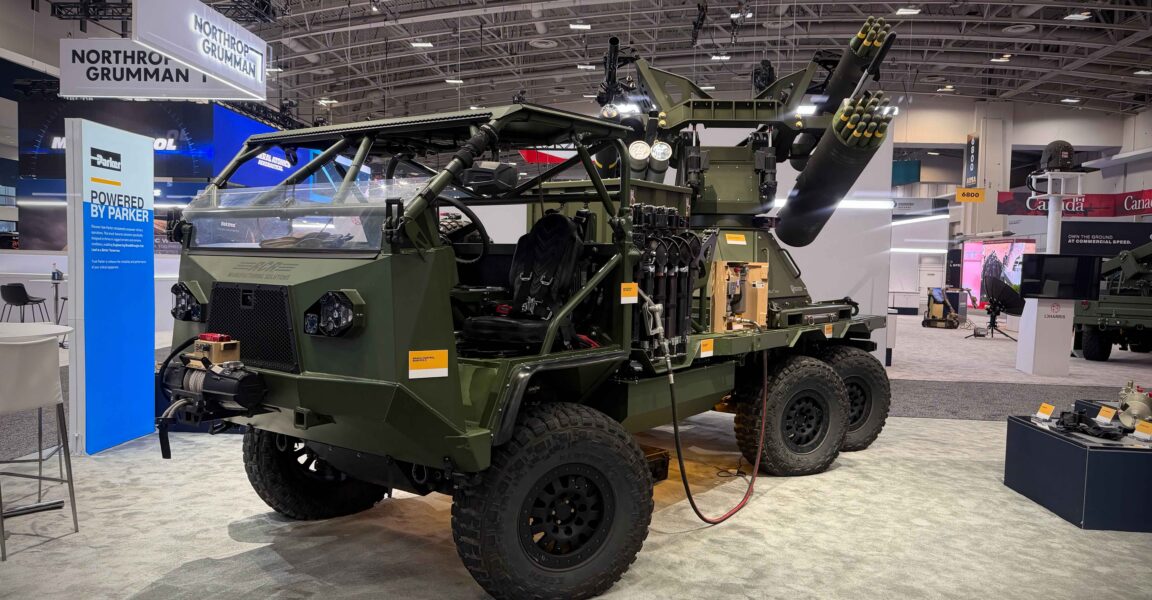
Parker Hannifin showcased many of its components onboard the MDH Strategic Services Airwolf c-UAS system, which is shown here fixed atop the RCR 6WAP vehicle. (Breaking Defense)
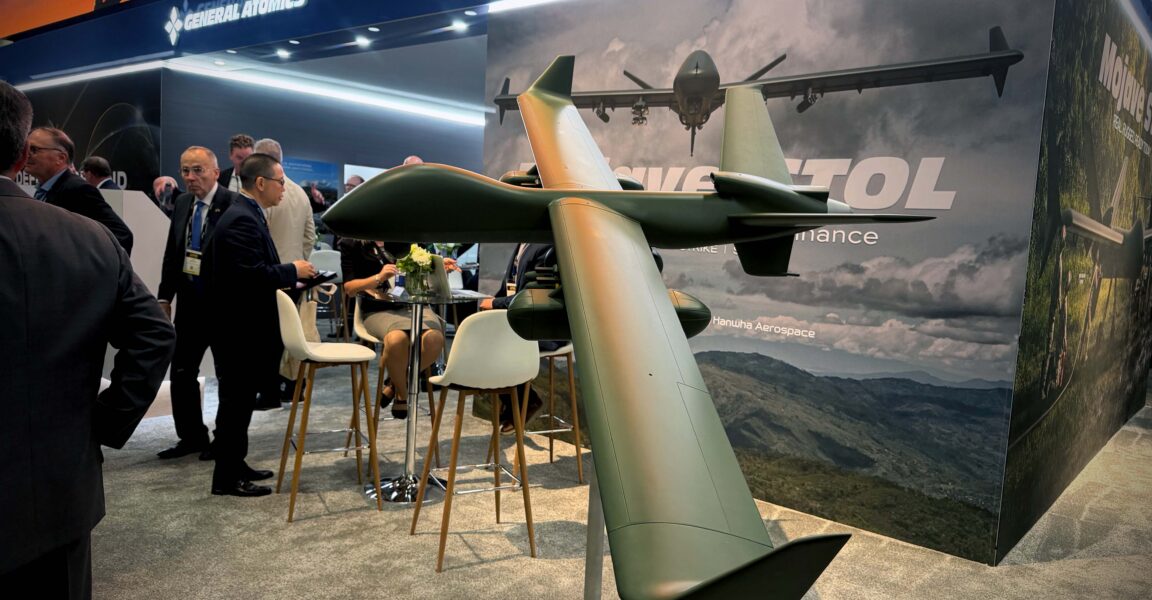
General Atomics Aeronautical Systems Inc. and Hanwha Aerospace co-developed the Mojave short takeoff and landing (STOL) uncrewed aircraft, pictured here at the 2026 AUSA trade show. (Breaking Defense)
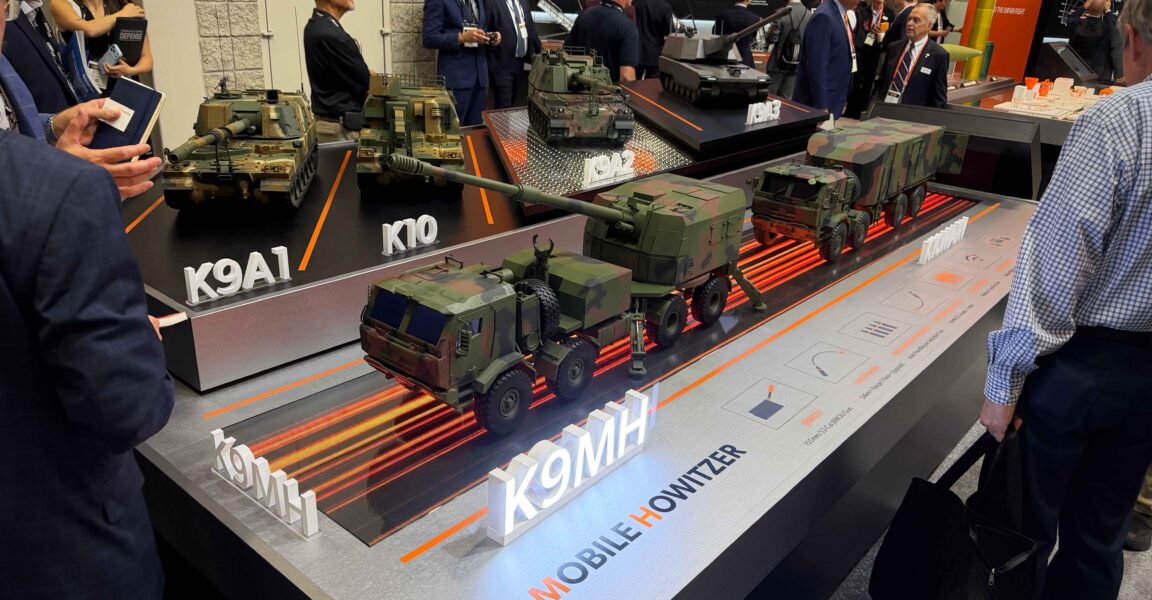
Hanwha Defense USA displayed a range of scale model armor and artillery systems on the AUSA show floor. (Breaking Defense)
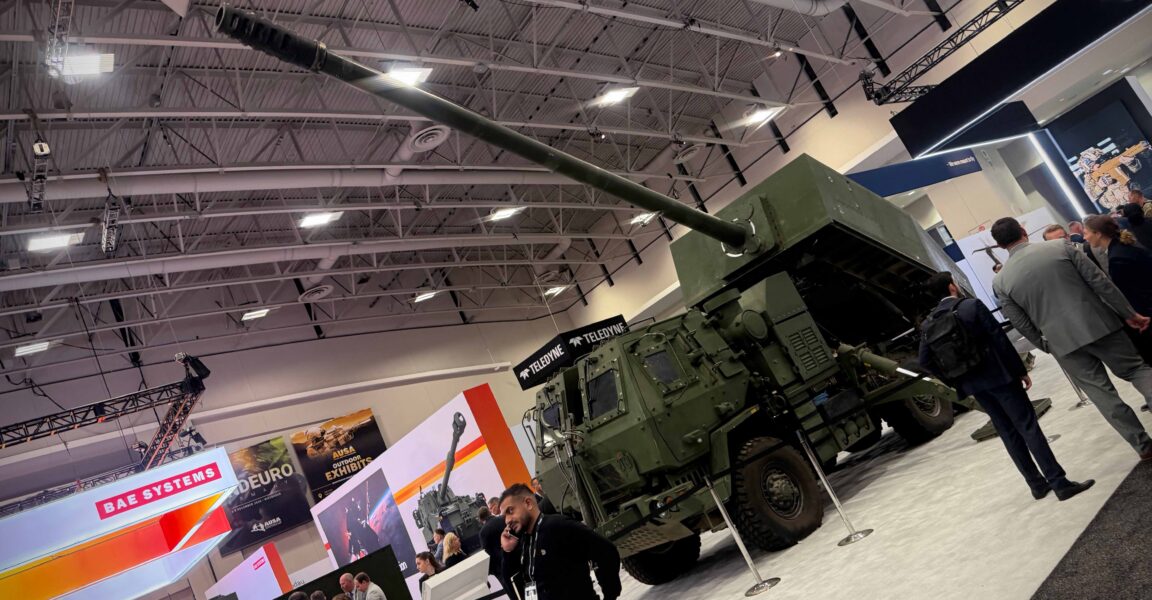
BAE’s Multi-Domain Artillery Cannon System stands tall at the 2026 AUSA trade show in Washington, DC. (Breaking Defense)
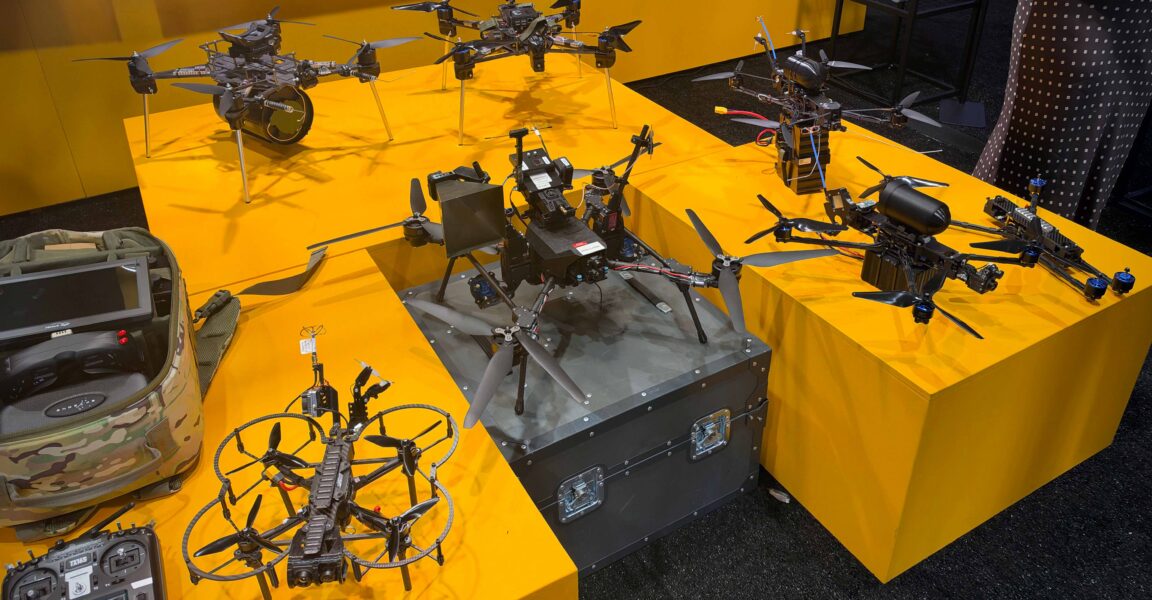
The Ukrainian military’s 3rd Army Corps brought a variety of small drones to the 2026 AUSA trade show. (Valerie Insinna / Breaking Defense)
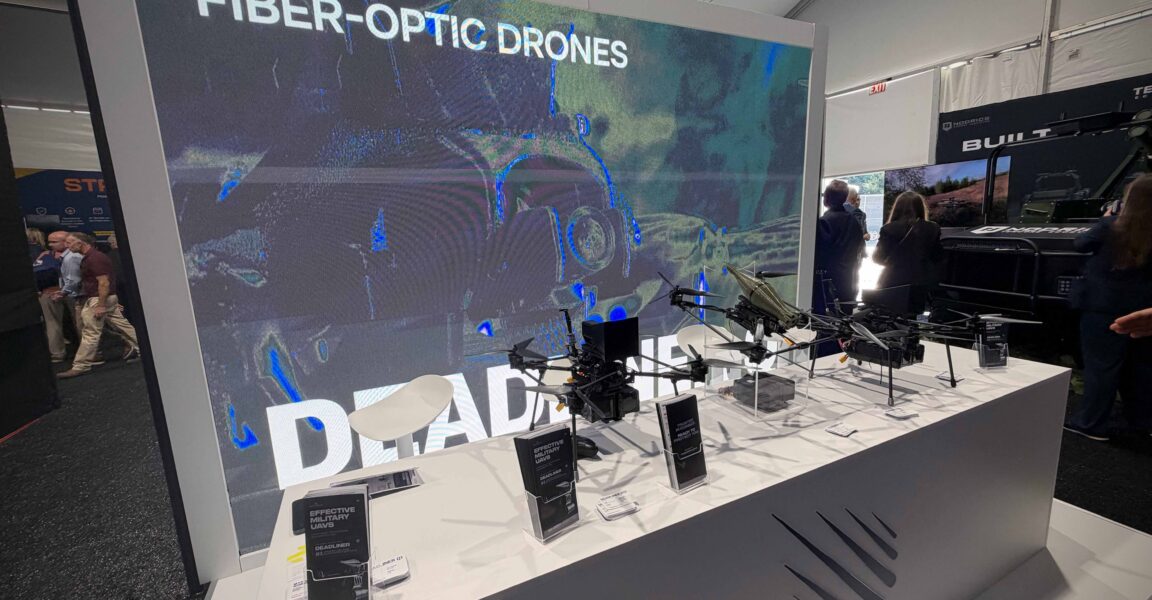
Kyiv-based defense tech firm Stellarion brought several fiber-optic drones to the 2026 AUSA expo. (Valerie Insinna / Breaking Defense)
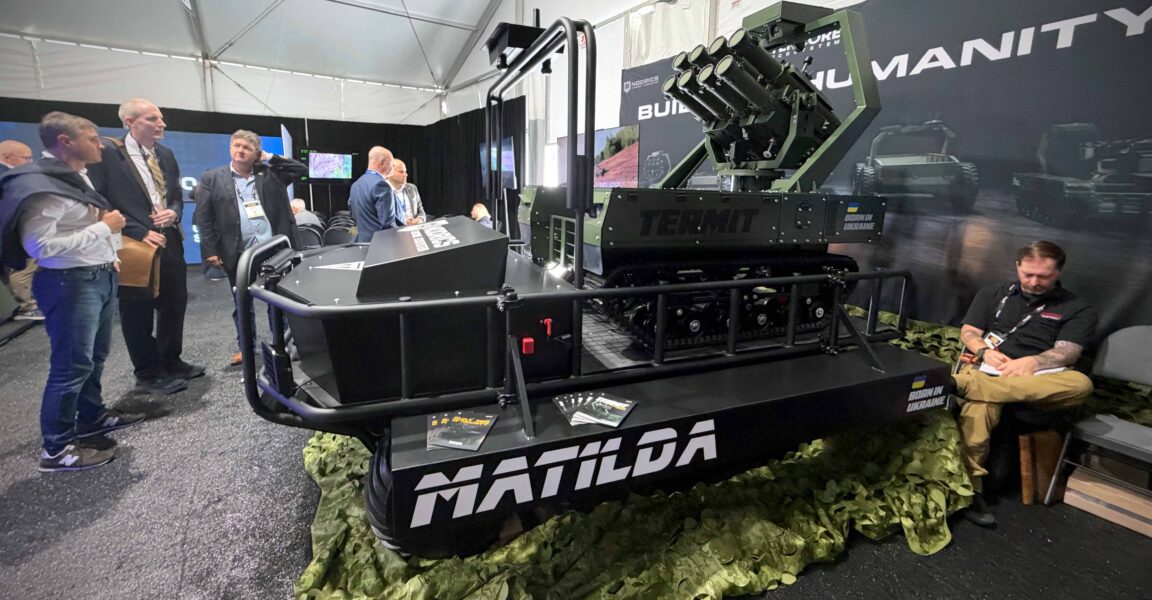
Ukrainian defense firm Tencore showcased an amphibious unmanned ground vehicle called MAT1LDA (Mesa Associates’ Tactical Integrated Light-Force Deployment Assembly), which is carrying Tencore’s TerMIT ground robot, at the 2026 AUSA trade show. (Valerie Insinna / Breaking Defense)
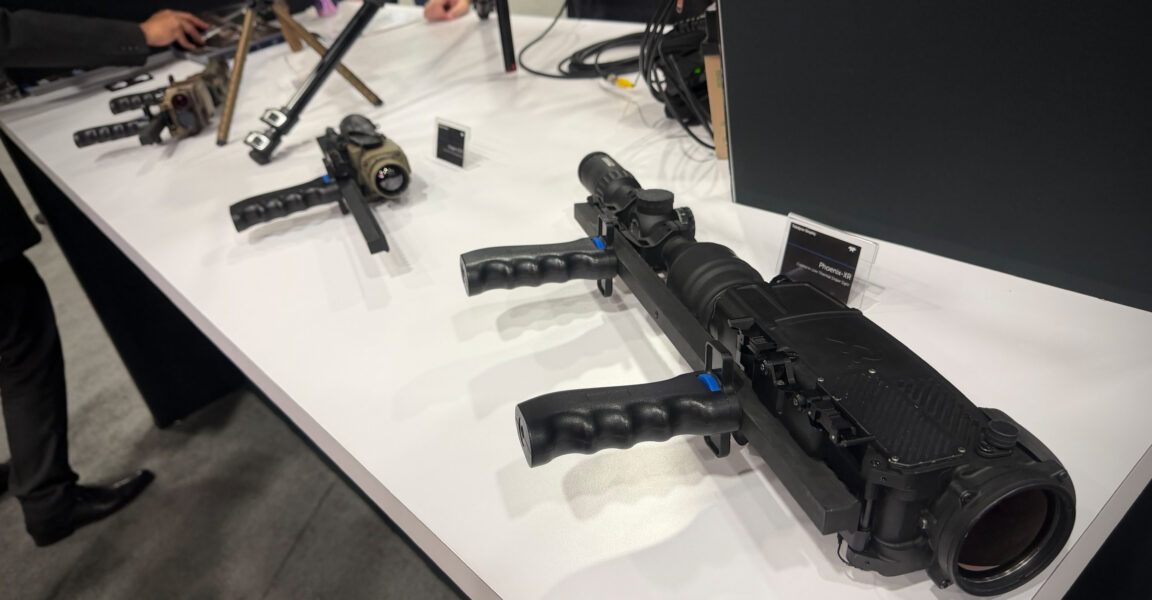
Teledyne Qioptiq brought several thermal weapons sights including the Phoenix-XR (right) and the Dragon-C12 S (middle) to the 2026 AUSA conference. (Breaking Defense)
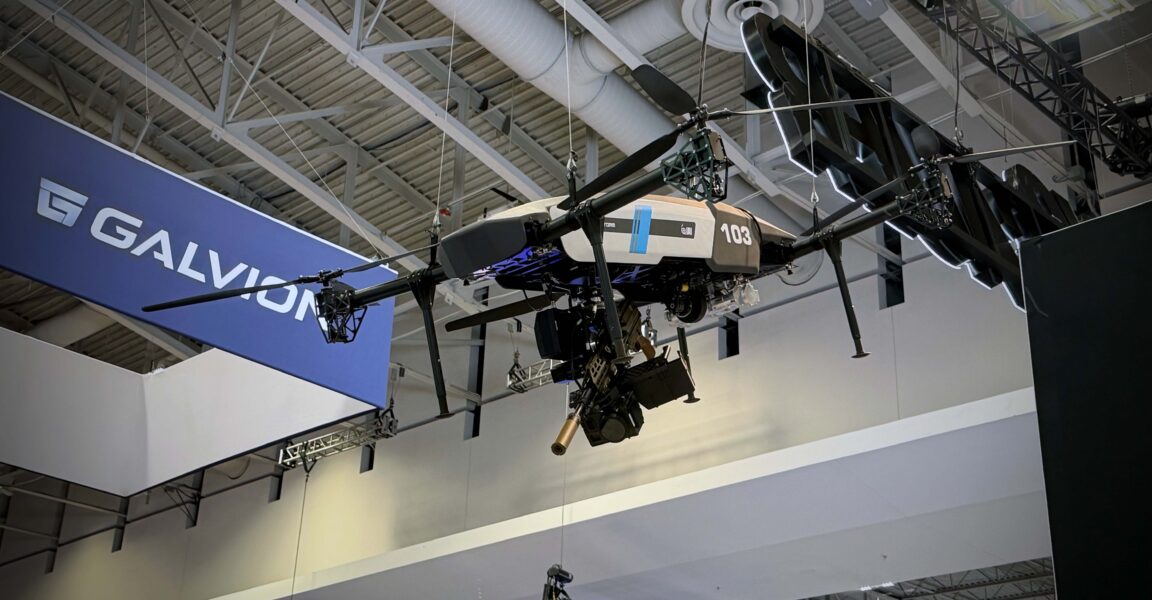
Israel Aerospace Industries’ and Sig Sauer’s Fire Storm 250 armed tactical quadcopter hangs above attendees of the conference. (Breaking Defense)
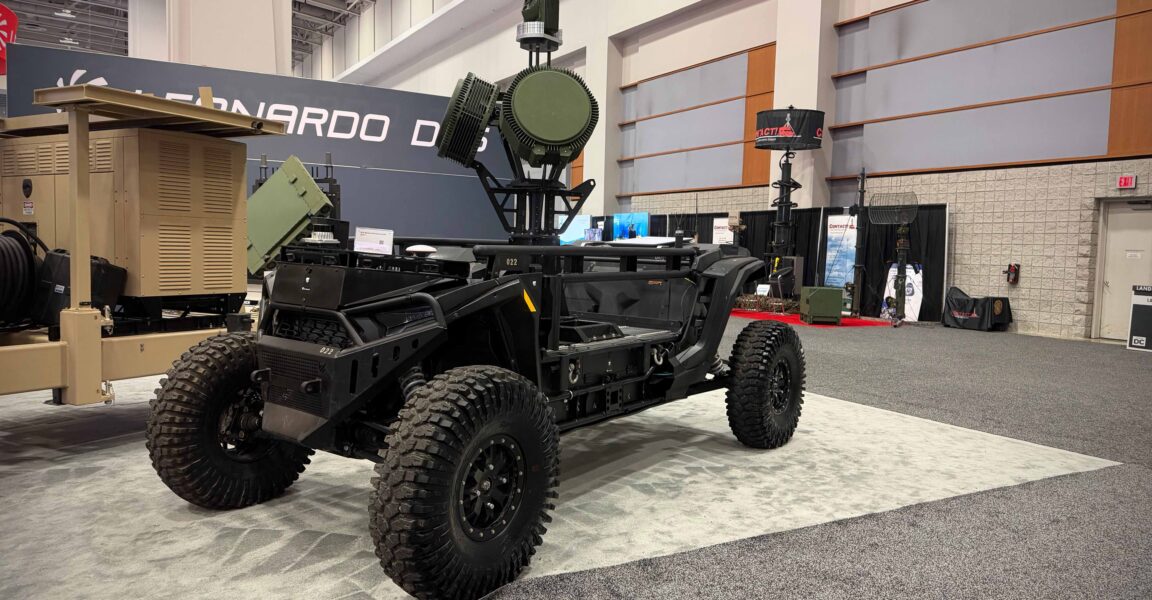
OverlandAI’s ULTRA autonomous ground system hosts a multi-mission hemispheric radar from Leonardo DRS, shown here at the 2026 AUSA expo. (Breaking Defense)
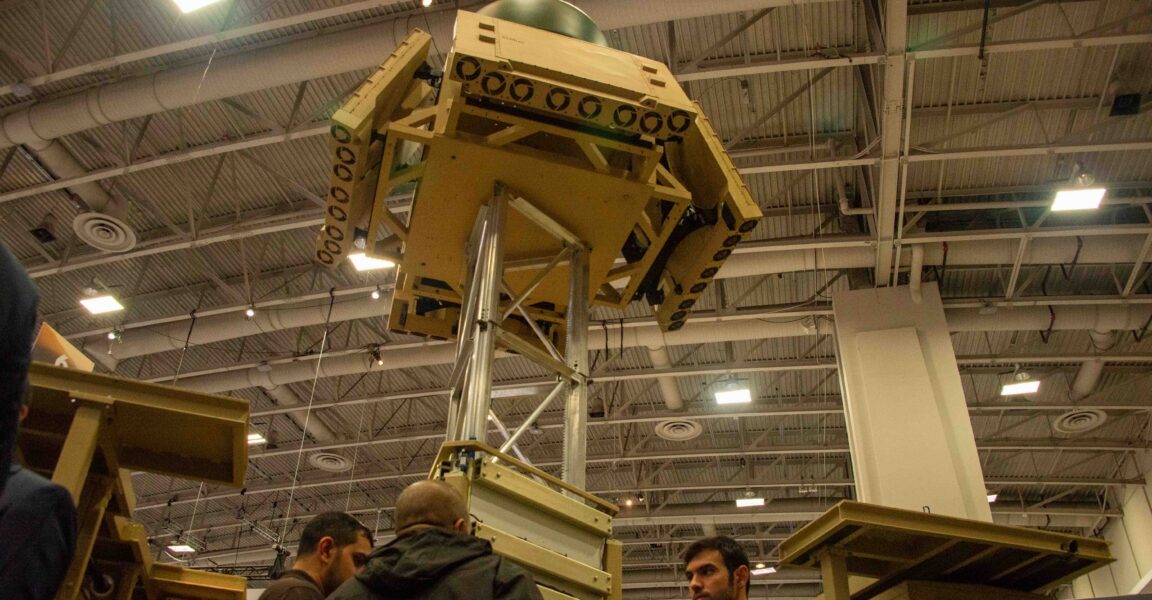
Leonardo DRS displays its Extended Mast Surveillance System, which features an exMHR radar system on a trailer platform with an extendable mast for a higher-altitude perspective. (Breaking Defense)