SEA AIR SPACE 2025 — I’ve attended nearly every Sea Air Space exposition since 2017 as a reporter, and the biggest reason that I never miss it is the consistent attendance of the Navy, Marine Corps and Coast Guard’s top leadership. And in my opinion, the high levels of turnover among four-star officers and the secretariat was very much reflected in the messages the services sent to industry this year.
Consider this scene from Sea Air Space 2023: Then-Navy Secretary Carlos Del Toro and Chief of Naval Operations Adm. Michael Gilday took the main stage together to announce the service is “ready to scale” its fielding of unmanned systems. The two men also jointly answered questions from a dozen reporters in a private room following their public remarks.
Say what you will about those leaders’ policies or results. The point is they offered a unified and cohesive message to everyone in attendance about the direction they wanted for the US Navy.
RELATED: Unmanned Ships Deploying To SOUTHCOM, As Navy Seeks To Prove Technology ‘Ready To Scale’
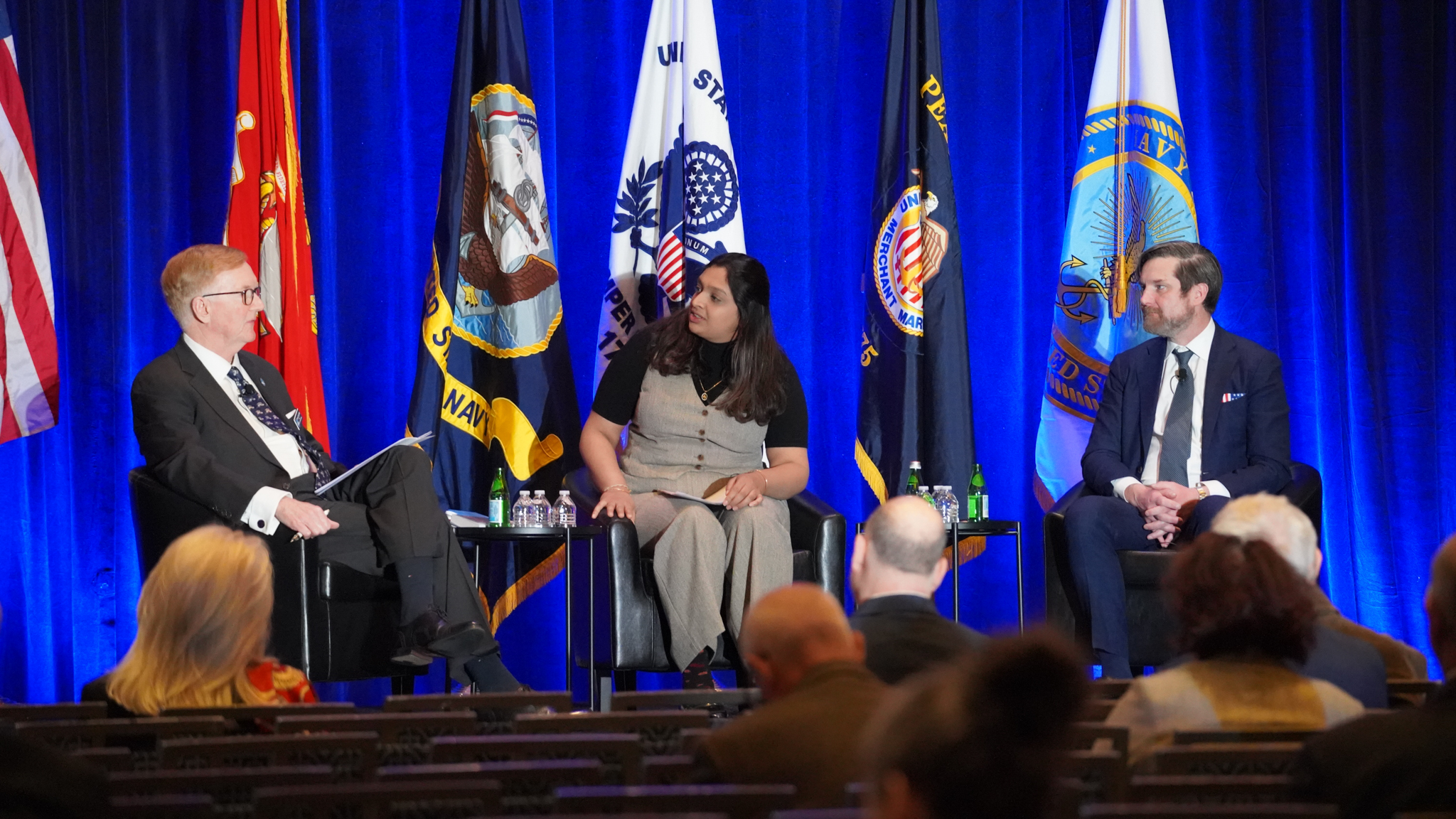
Now consider the scene this year. Acting Chief of Naval Operations Adm. Jim Kilby, who is dual-hatting as his own vice chief of naval operations, moderated a panel flanked by multiple three-star type and systems commanders on Monday morning. The panel’s subject: The 80 percent combat surge readiness goal unveiled by now former CNO Adm. Lisa Franchetti, who was unceremoniously fired earlier this year alongside a number of other senior officers.
Meanwhile, on the morning of the expo’s final day, newly confirmed Navy Secretary John Phelan made his first major address to industry in which he foreshadowed significant changes in how the service will do business. That was a theme that no other leader at Sea Air Space this year was able to echo or elaborate on, given Phelan’s recent entry into the Pentagon — and the fact he spoke on day three, instead of day one, when his remarks could have set the tone for everyone else to follow.
The dichotomy between the overall messaging from the service’s leadership between 2023 and 2025 is striking.
None of this should be construed as criticism towards the event’s organizers, the Navy League of the United States, who have worked through presidential transitions, a full-blown pandemic and other hurdles to bring Sea Air Space online every year. But it reflects the precarious place that the Navy and other military branches find themselves in during a presidential changeover that has not hesitated to replace senior officers in the same way virtually every administration replaces senior civilians.
A number of speakers from the National Security Council had been on the schedule for Wednesday morning, but ultimately pulled out last second — just hours before the president signed an anticipated executive order on shipbuilding later that day.
On the show floor, Naval Sea Systems Command was present but lacked briefings on the major shipbuilding programs that ultimately deliver the Navy’s fleet — briefings that are historically very well attended due to those programs’ import. NAVSEA’s sister agency, Naval Air Systems Command, had some of its top brass speaking on panels, but was wholly absent from the show floor where it too historically has delivered updates on its marquee programs.
More anecdotally, my colleagues at Breaking Defense who attended the show told me they noticed an overall lack of junior uniformed personnel walking the hallways compared to previous years, potentially a side effect of the White House’s mandate to cut down on government travel. They also told me that industry participants reported to them an overall lack of one-on-one engagement opportunities with the Navy.
RELATED: A Vibe Check On The Sea Air Space Conference, Plus Key Points From SecNav’s Speech [VIDEO]
Marine Corps Commandant Gen. Eric Smith, who unlike some of his fellow service chiefs does have a permanent second-most-senior officer in place, was present at Sea Air Space and delivered his own keynote speech during the prime-time Monday luncheon.
It’s a fact worth noting as the Marine Corps’ major Washington, DC-based event of the year, Modern Day Marine, is just on the horizon and will be another opportunity for that service to broadcast its own message following the changeover at the White House earlier this year.
Corrected 4/13/2025 at 9:38 am ET: The original version of this story incorrectly stated that Acting Coast Guard Commandant Adm. Kevin Lunday did not attend Sea Air Space.
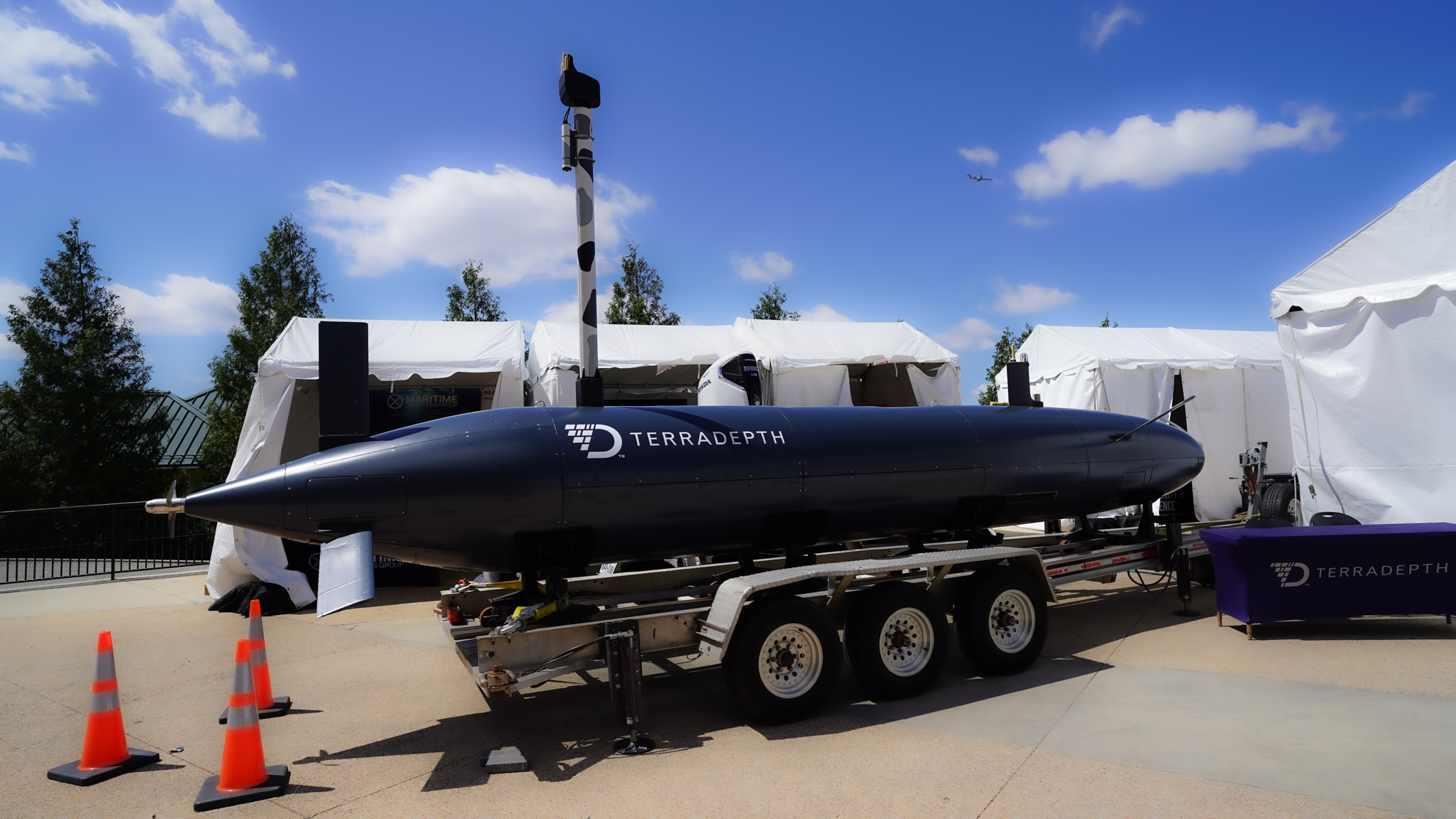
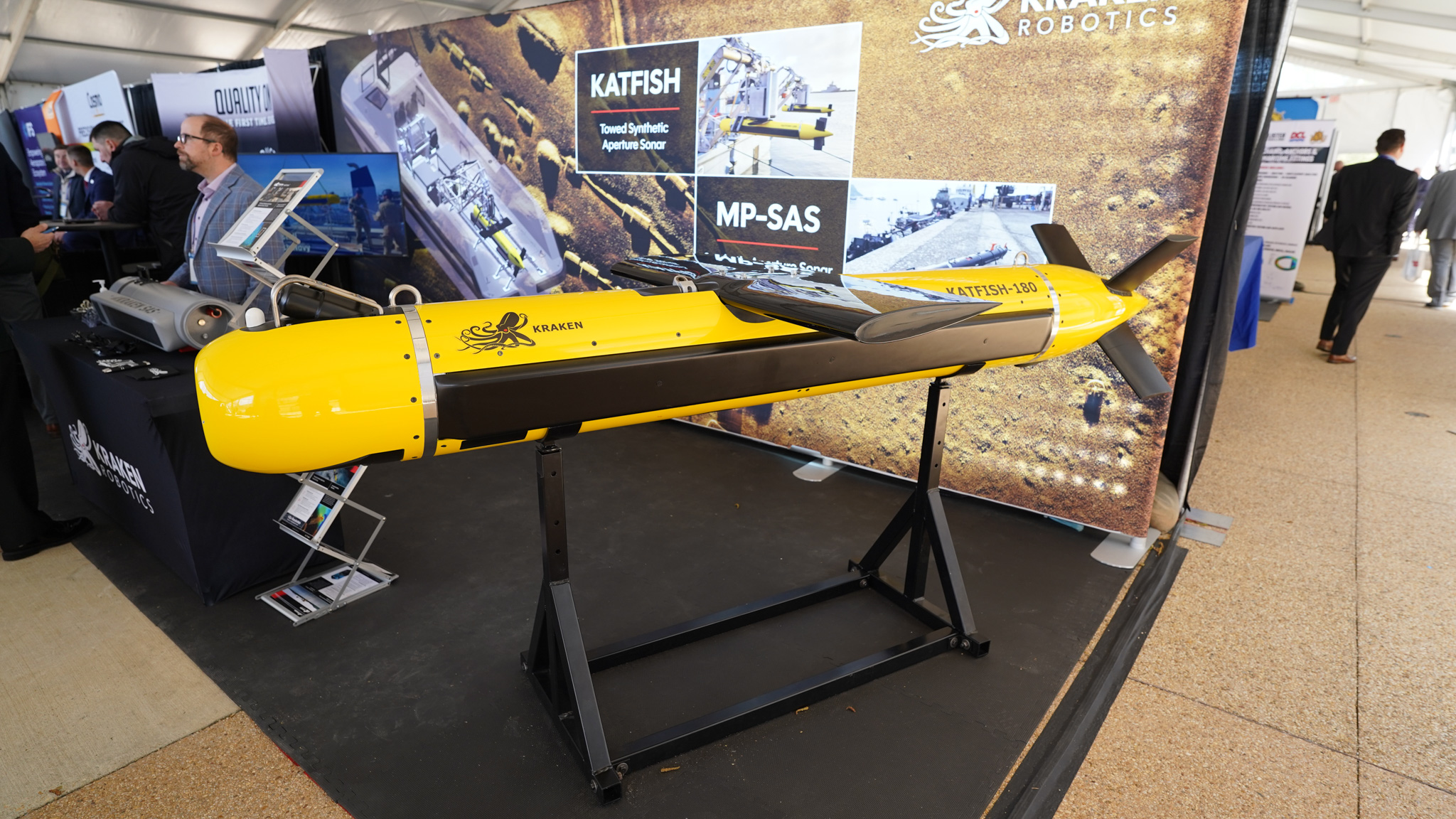
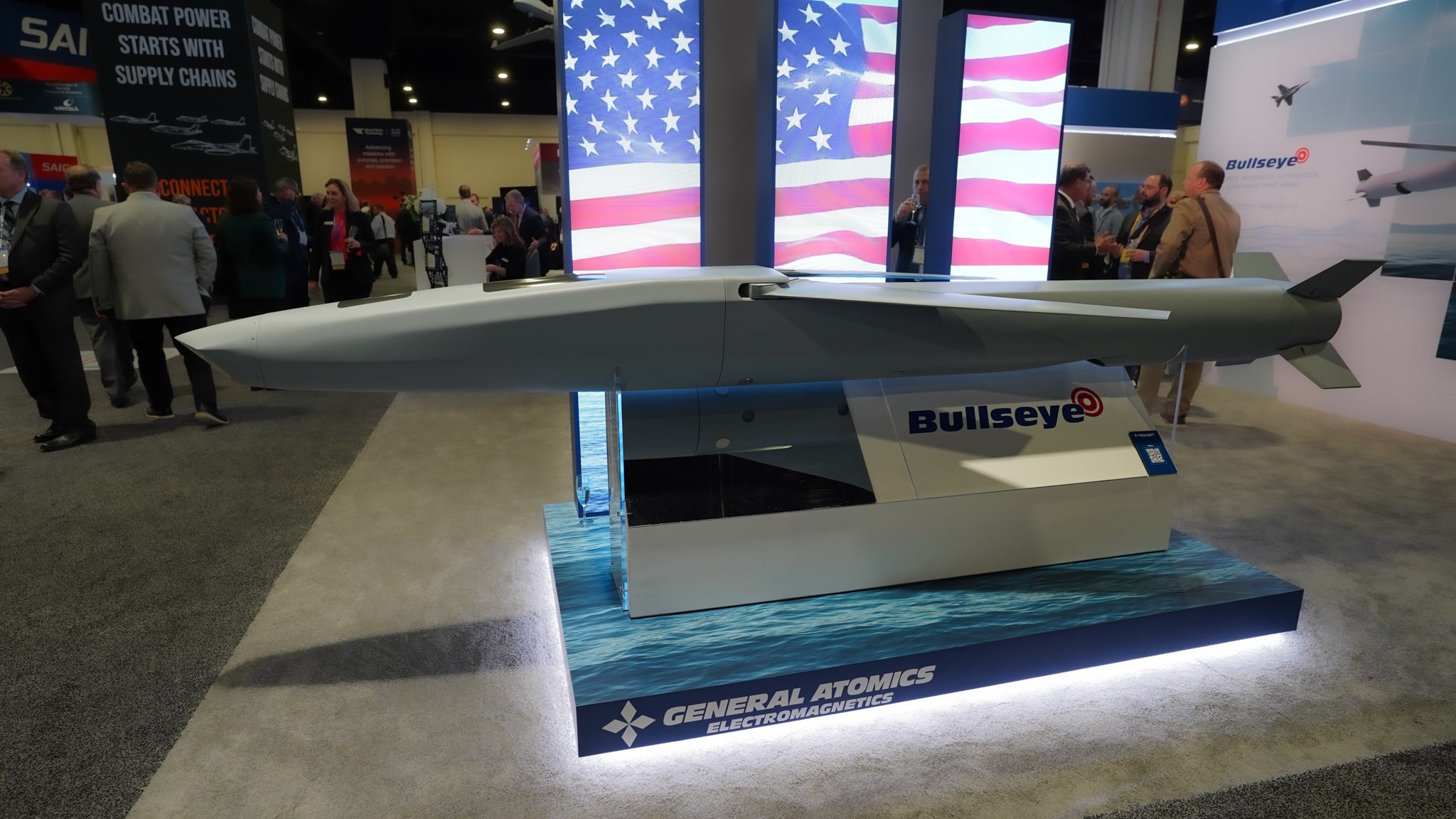
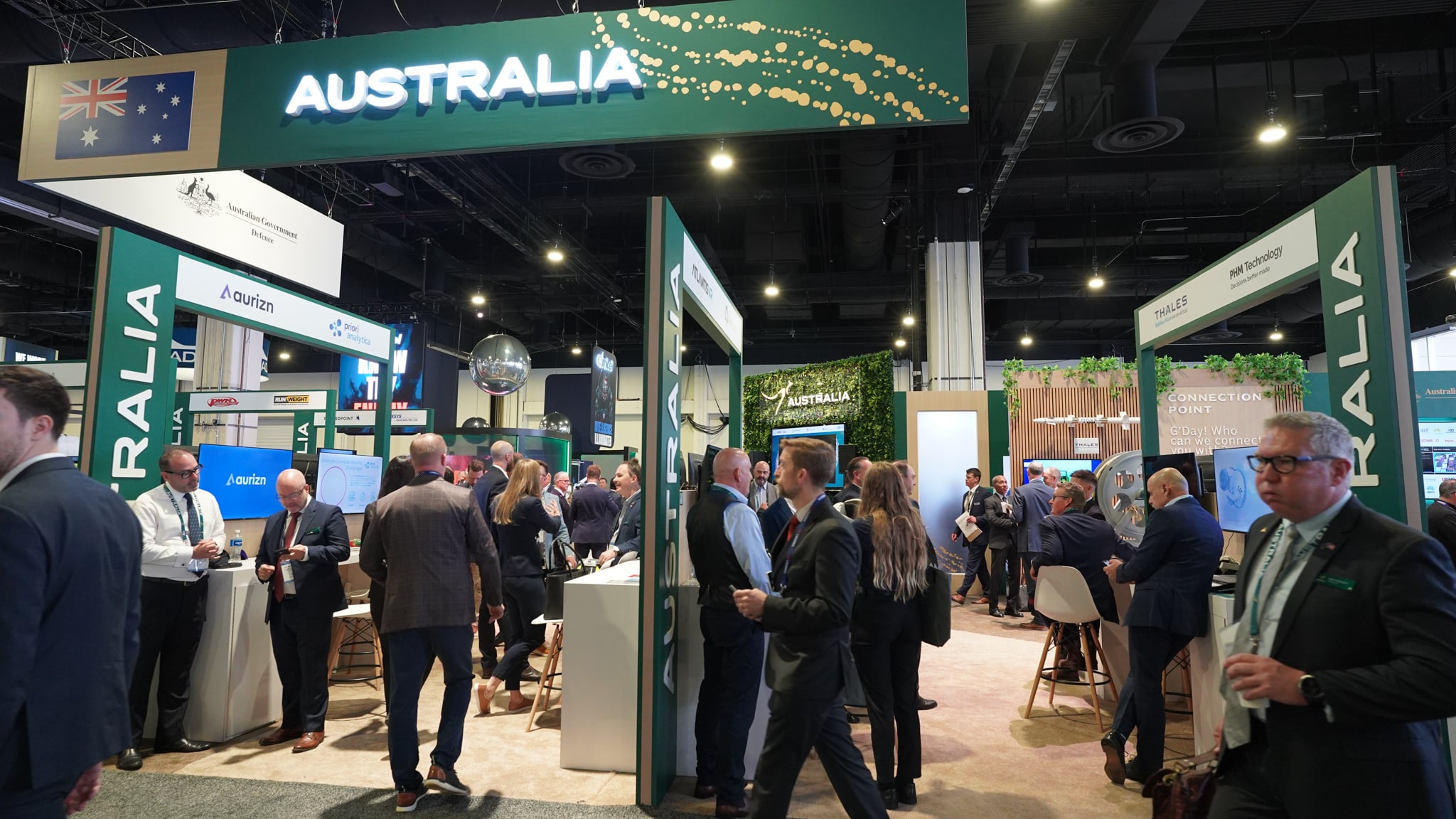
PHOTOS: Sea Air Space 2025

 Gallery