
Constantly evolving aerial threats demand training that adapts accordingly
With potential adversaries no longer predictable, training must move beyond just live exercises and flight simulators.


With potential adversaries no longer predictable, training must move beyond just live exercises and flight simulators.


The jet-powered transport’s speed, survivability and multi-mission agility position it as a viable option to the C-130 for the US and NATO allies.


Knowing when to build on commercial systems and when to develop something new can be the difference between parity and information dominance.


Artificial intelligence, autonomy, and local innovation will take center stage.


The artificial intelligence arms race will require the U.S. to invest heavily in compute power.


Securing data can help stop attack vectors like API calls and cloud uploads.

The webinar originally scheduled for October 9th, featuring DoD CIO Zero Trust leader Randy Resnick, has been postponed. Please stay tuned for further updates on rescheduling.

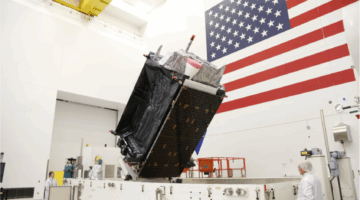
The GPS network continues to prove its unmatched reliability, and it’s only getting stronger.

One chipmaker is sharing its advanced AI processors and accelerators with promising startups serving national security.


Six companies have already signed up for a new flight-test program to mature their autonomy software.

Improved artificial intelligence and security is just a matter of taking advantage of chips already built into defense systems.

Advanced chips that didn't exist two years ago can enable smart intelligence, bases, and planning.


Reducing cognitive overload on warfighters while improving “time to trust” for autonomous systems is a matter of design.


From Europe to the Middle East and beyond, the events of our era teach a tough but important lesson for the U.S. and its allies: Readiness is essential.

To stop overwhelming warfighters and enhance the effectiveness of drones and robots, give warfighters tech tools they want to use.


It’s about improving existing platforms with autonomy, and applying AI, edge computing, quantum encryption, and sensor fusion.


Smart solutions are available to access proven advanced technology, modernize the organic industrial base, and expand secure domestic production.