
The difference between artificial intelligence and machine learning and why it matters
A Breaking Defense webinar with experts from CDAO, APL, and CNAS gets into the question of defining artificial intelligence vs machine learning.

Barry Rosenberg is an expert journalist in defense cybersecurity and information technology issues. He is former editor of the trade magazine C4ISRNET, which he helped relaunch in 2013. Before that he was editor of Defense Systems at 1105 Media, focusing on IT and C4ISR topics. He recently worked in key content roles at information technology firms SILA, which specializes in blockchain technologies and cyber security, and Trace Systems. Earlier in his career he was founding editor of Aviation Week’s Overhaul & Maintenance magazine, editor of Defense News’ show daily and managing editor of Aviation Week’s Show News. Rosenberg is a Philadelphia native, an avid writer and co-author of "Mavericks of the Sky: The First Daring Pilots of the U.S. Air Mail".
A Breaking Defense webinar with experts from CDAO, APL, and CNAS gets into the question of defining artificial intelligence vs machine learning.
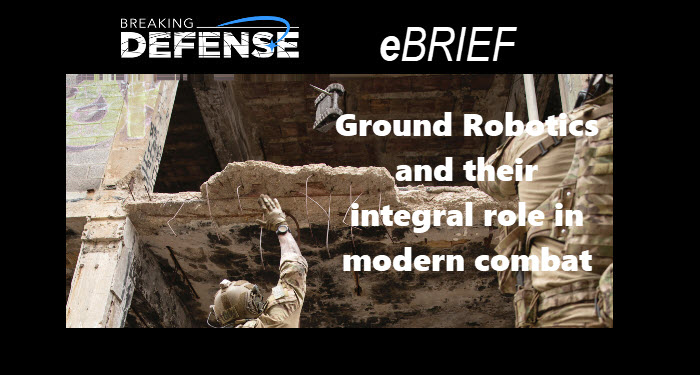
Autonomy in the pursuit of interoperability is today’s path for ground robotics.

The MQ-9B and Gambit Series represent parallel capabilities that address global challenges for security head-on.

Responding to threats to European and NATO security, nations are buying fifth-generation fighters and standoff weapons.

Making all-domain operations a warfighting capability means integrating, fusing, and disseminating a sensor picture appropriate for a particular theater segment, not all of them, says the Mitchell Institute’s David Deptula.

RUSI’s Justin Bronk has an idea of what Europe should be doing to help the US in the Indo-Pacific, and it doesn’t include sending the Charles De Gaulle.
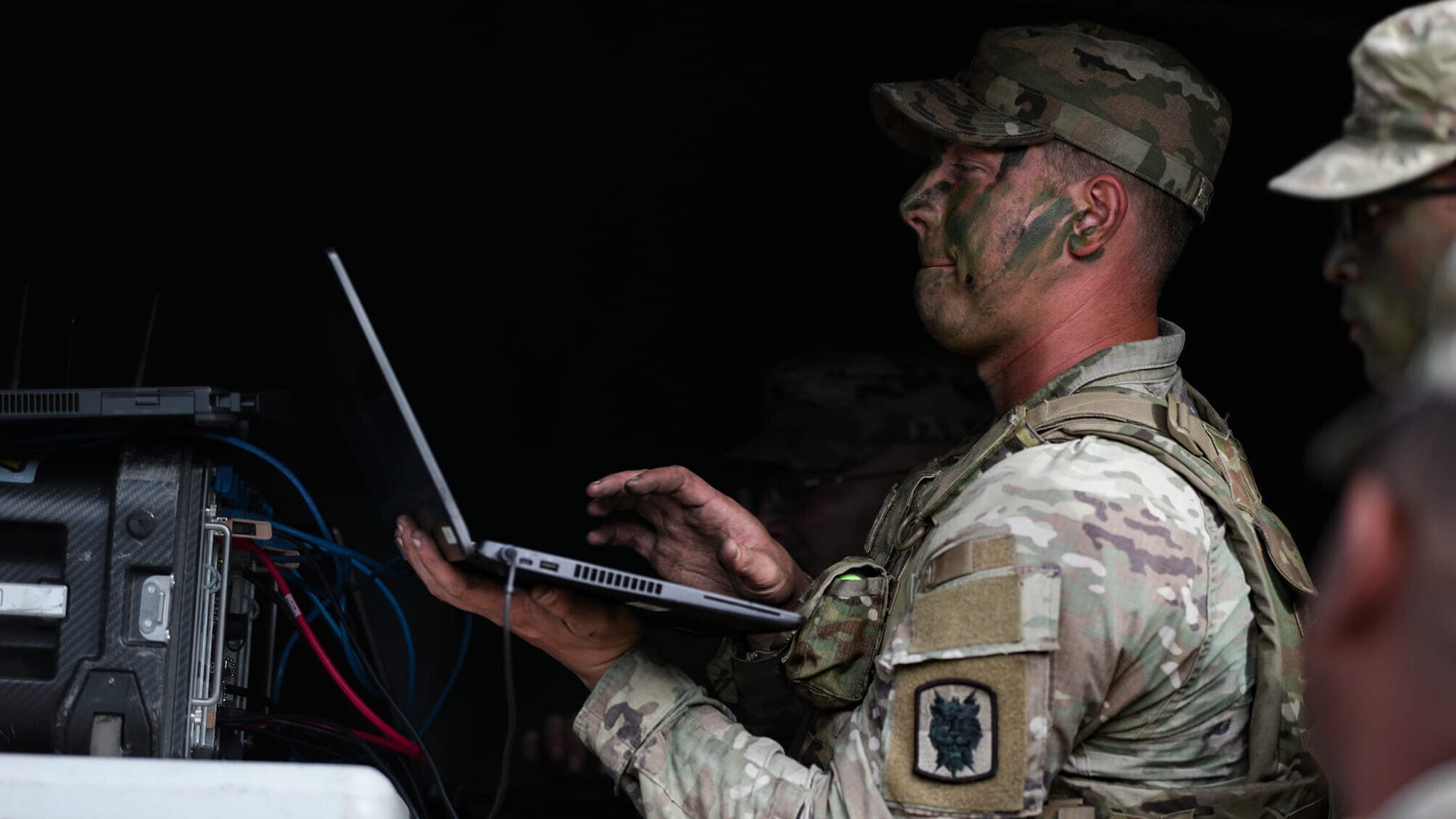
“You have to be able to operate with challenges to comms at times, whether it's jamming, lack of available fiber, geography impacting your line of sight, or host-nation spectrum restrictions.”

As threats evolve, the winning model ties digital engineering to manufacturing capacity and a reindustrialized supply chain.

Physicists say it is a flip of the coin whether quantum computing will end up a revolutionary capability or not much better than today’s supercomputers. And yet, quantum’s potential means there’s too much promise there to ignore.

UAVs capable of operating independently from human control will still, however, require the ability to talk to each other within a swarm while being jammed.

The 100th Missile Defense Brigade and the 49th Missile Defense Battalion at Fort Greely train on and operate the Ground-Based Midcourse Defense system for exoatmospheric intercepts against ballistic missiles.

HAWC and Glide Breaker are DARPA’s offensive and defensive hypersonic programs, respectively, and their program managers discuss what’s been done and what’s next.

Balancing security and access to data are critical to providing users with trustworthy, reliable data for real-time decisions.


Innovative integration approaches and open systems architecture can bring revolutionary improvements to the performance of FLRAA and FARA, as well as the current fleet.

The new ICBM and B-21 bomber will be a “stabilizing force” for strategic deterrence that is born digital to meet evolving threats.
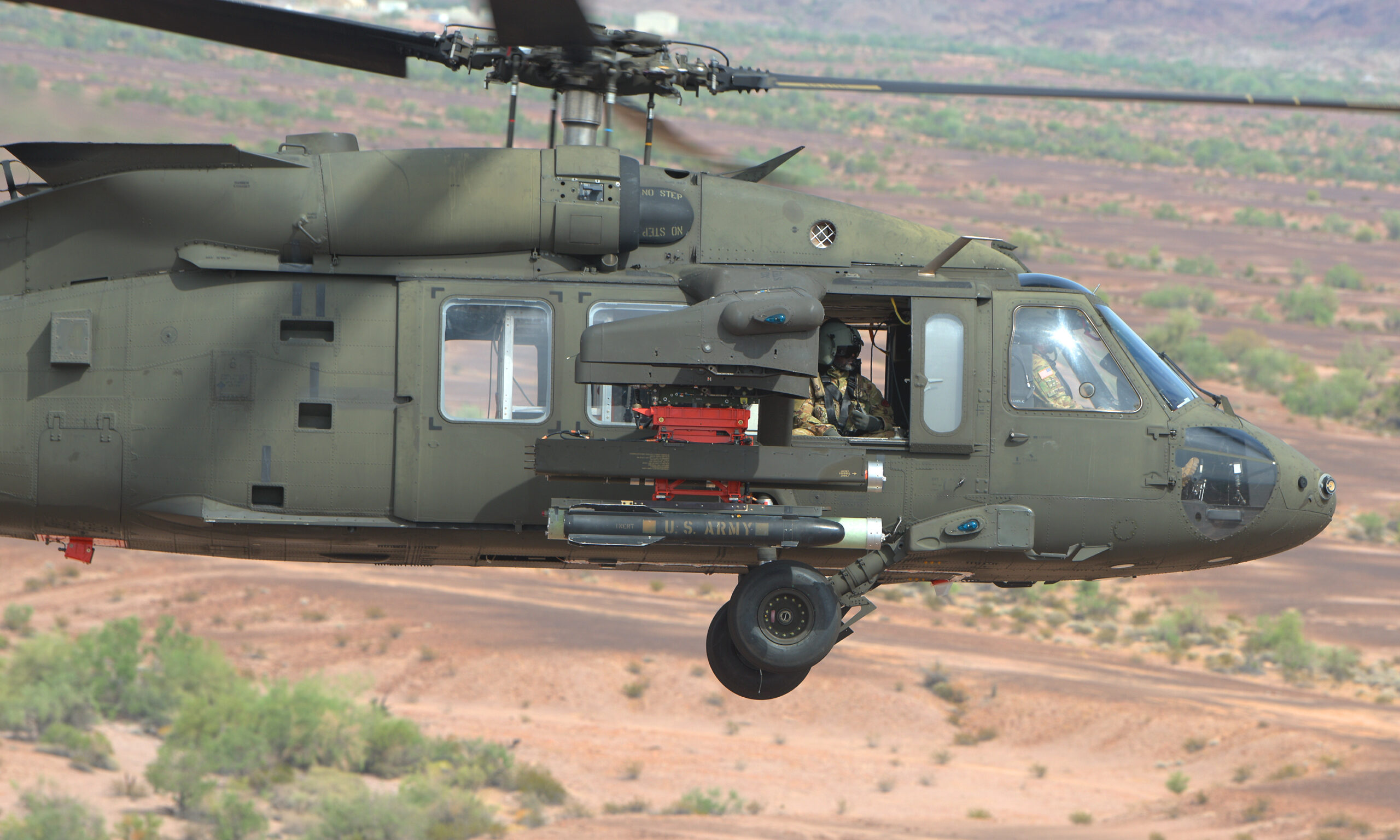
The question of whether the Defense Department or the primes should own all the data rights to various elements of the FVL program is a simplistic, false choice, says a CSBA senior fellow.

If the Army heeds industry's emphasis on protecting intellectual property than a dependence on proprietary technology will hamstring FVL’s ability to address evolving threats.