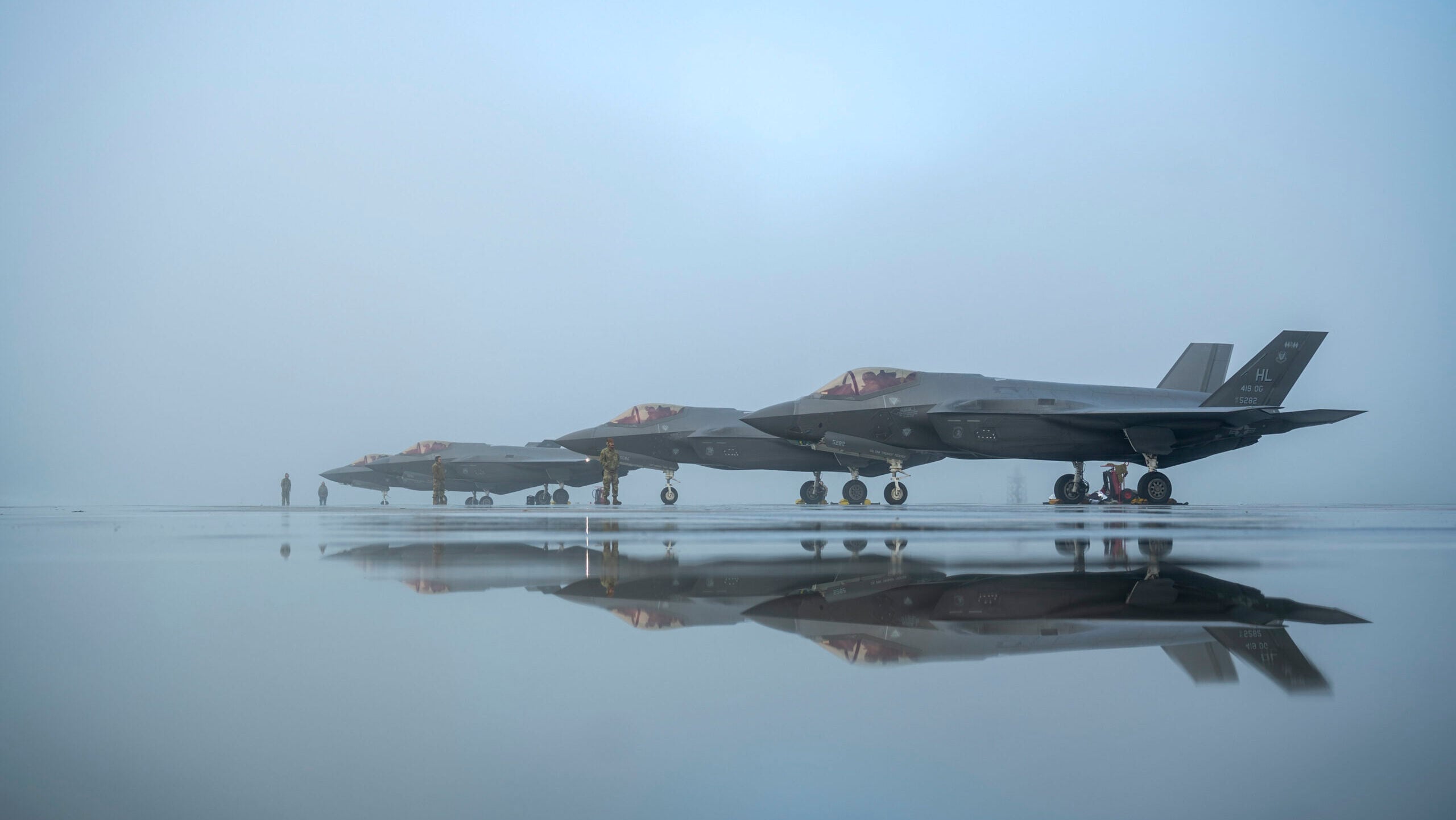
No, there’s no ‘kill switch’: Pentagon tries to reassure international F-35 partners
The clarification comes after two American allies said they were publicly reevaluating their future fighter needs amid tensions with Washington.

Michael Marrow covers air warfare for Breaking Defense. He holds a BA in history from the University of Virginia and started out as a freelance reporter covering local news in Fairfax County, Virginia and policing in Charlottesville, Virginia. Michael previously reported on the Air Force and Space Force for Inside Defense, where he tracked major acquisitions, policy changes and modernization efforts.
The clarification comes after two American allies said they were publicly reevaluating their future fighter needs amid tensions with Washington.
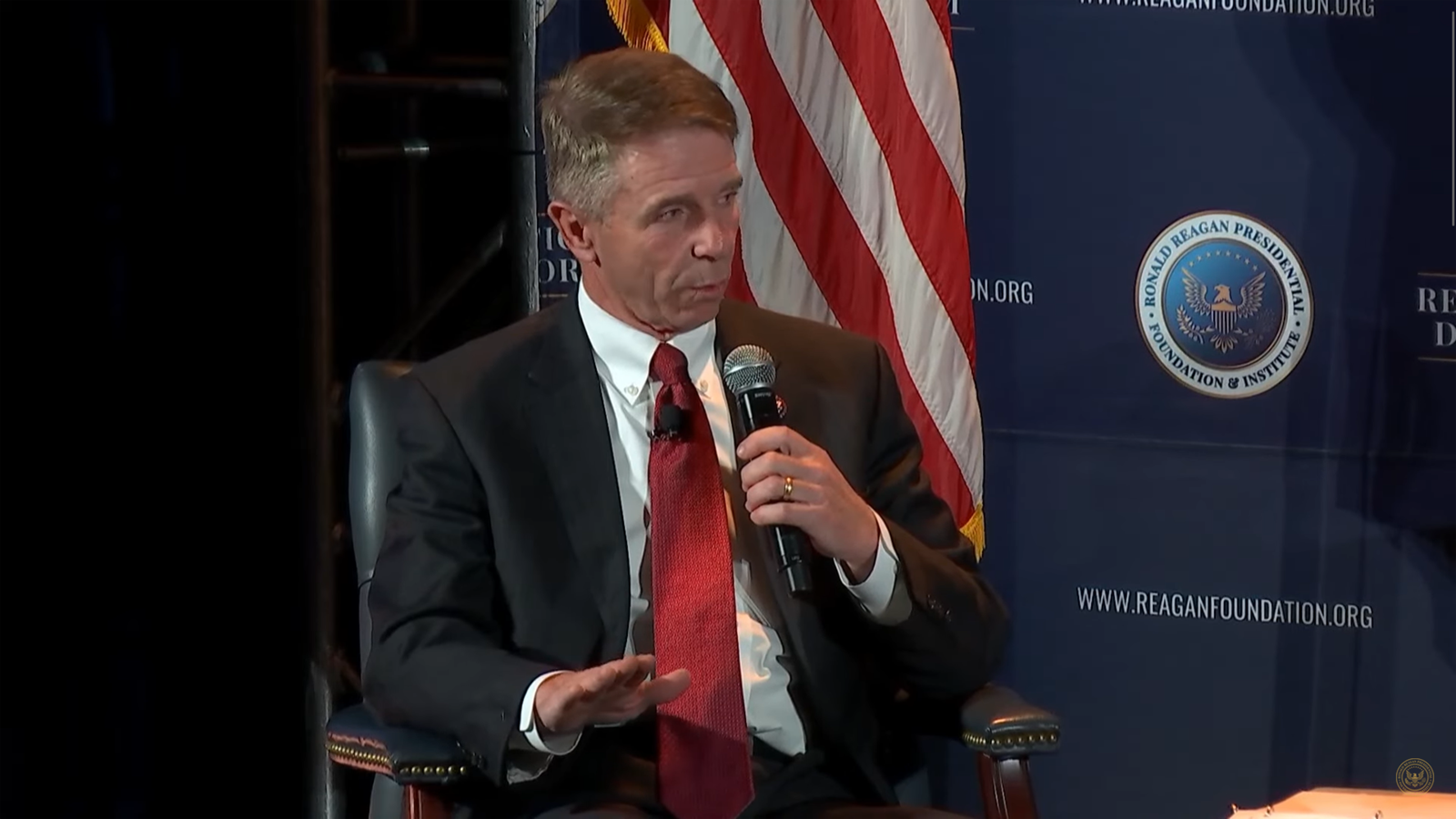
"Obviously we need to be building submarines, ramping those things up, but it's also about getting those dollars out there for these attributable, expendable systems.” said Rep. Rob Wittman, R-Va.

Government can’t stop to update systems, so modernization has to happen without interruptions.

“To be clear, we are not cancelling the F-35 contract, but we need to do our homework given the changing environment ...,” a spokesperson for Canadian Minister of Defense Bill Blair told Breaking Defense.

“We are excited about the non-traditional companies who are providing low-cost, adaptable, long-range, UAS platforms with the potential to maximize operational flexibility for the Joint force,” said DIU’s Trent Emeneker.

The company is examining “all offers that’re out on the market today to make that decision, so it’s not going to be a quick choice,” Lockheed’s F-35 program manager Chauncey McIntosh told Breaking Defense.
“I'm ramping up my work. I'm adding new facilities, I'm adding infrastructure, I'm adding cost. That cost has to be carried by someone,” SNC’s Jon Piatt told Breaking Defense.

Breaking Defense Europe will launch May 4 with Tim Martin and Elisabeth Gosselin-Malo as co-editors.

Kelly Hammett, director of the Space Rapid Capabilities Office, said his organization risks being “inordinately impacted" by workforce reductions underway with the Trump administration.

Lockheed Martin now has its own air vehicle offering that could compete for a follow-on effort to the Enterprise Test Vehicle program.
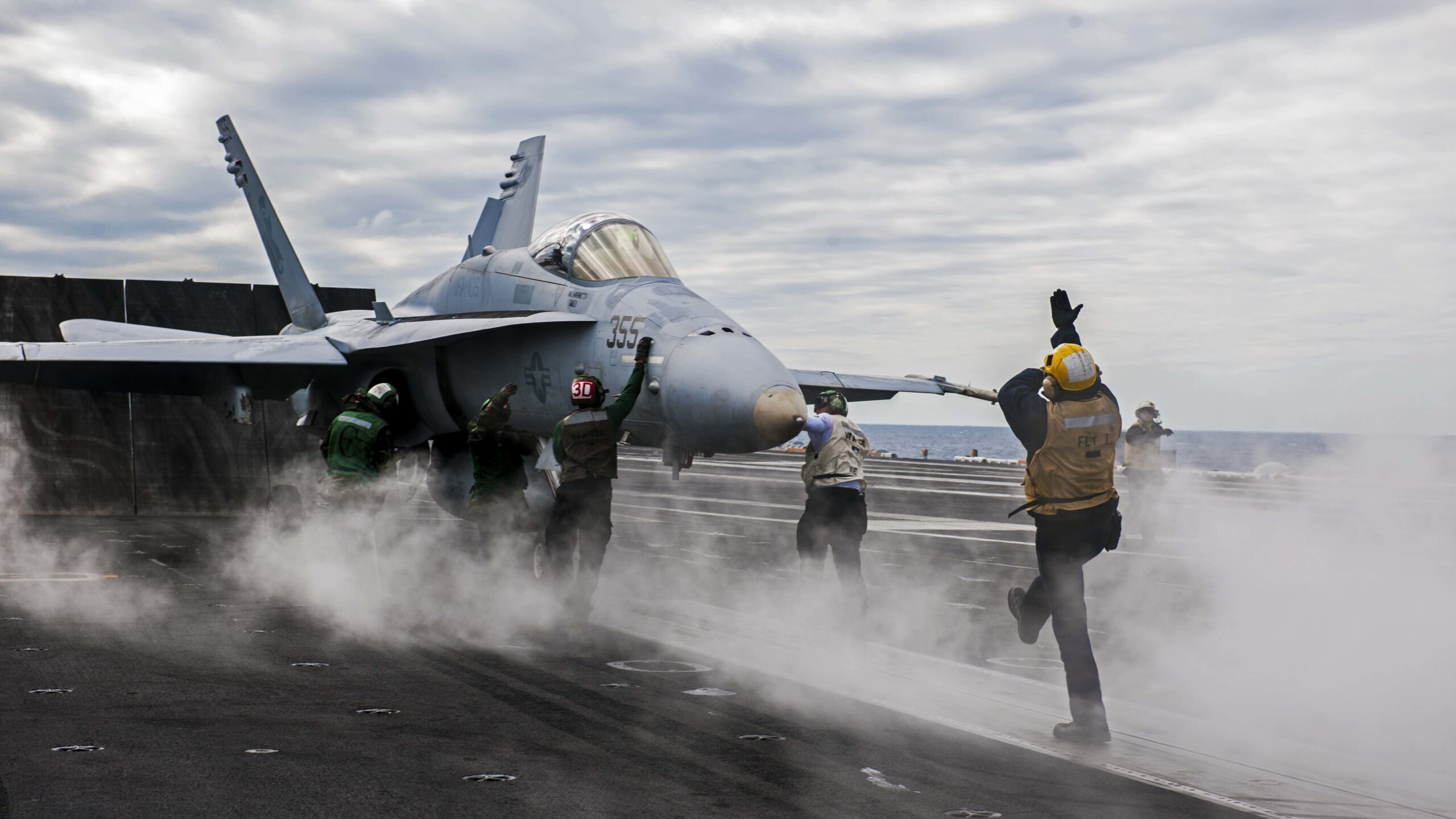
A source with knowledge of the program told Breaking Defense that Lockheed submitted a bid for the next-gen fighter effort, but the proposal did not satisfy the Navy’s criteria, leaving Boeing and Northrop Grumman as the remaining competitors.
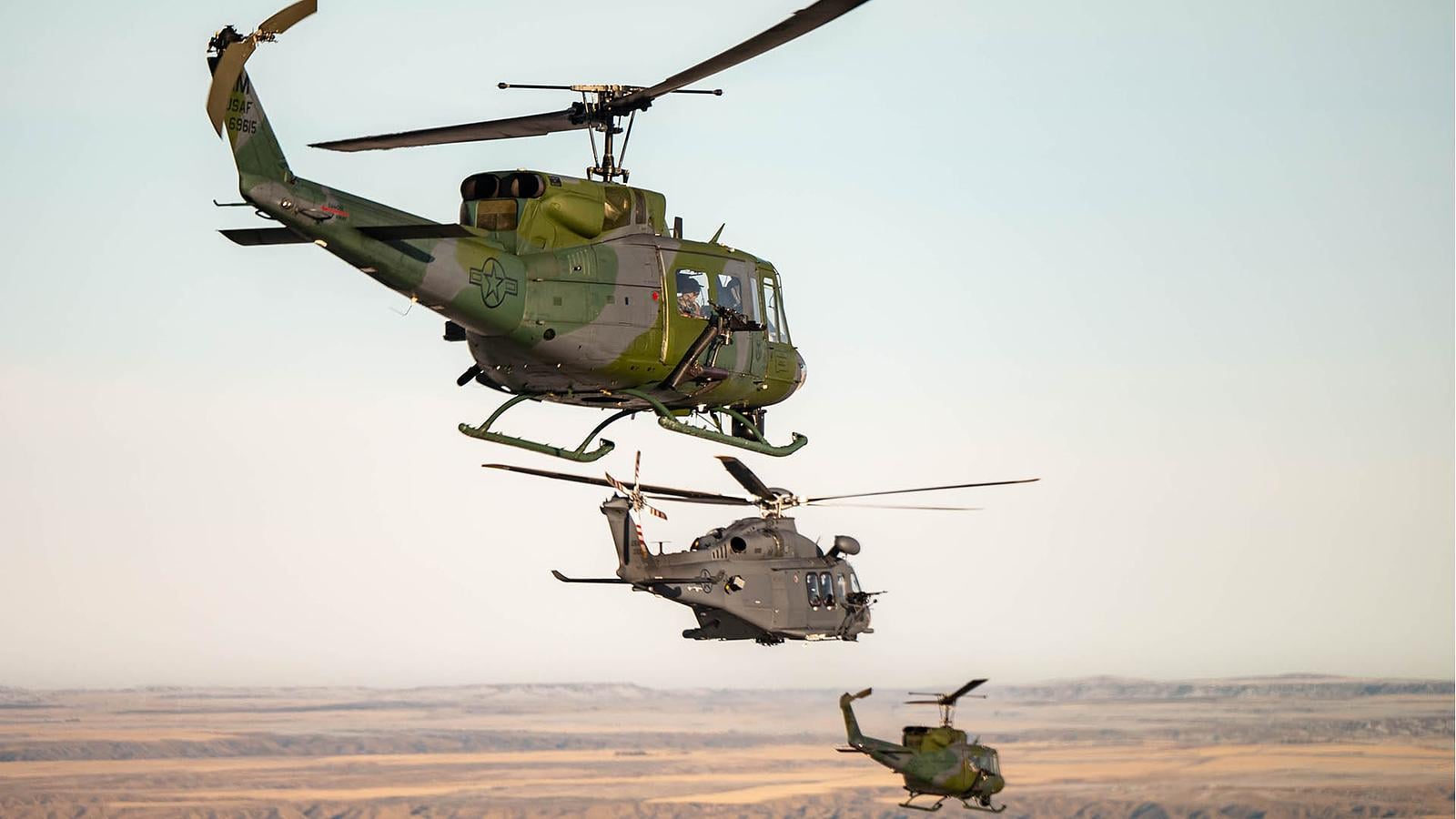
“As we look at the program moving forward, we’re also excited [about] the interest and the demand signal that we’re seeing, both domestically and from potential customers around the world,” Boeing official Azeem Khan told Breaking Defense.

Do more with less: streamline workflows, reduce duplication, invest upfront to save long-term.

Elsewhere, Chief of Space Operations Gen. Chance Saltzman said his top priority is "space control," a term that for many years was verboten at the Pentagon.
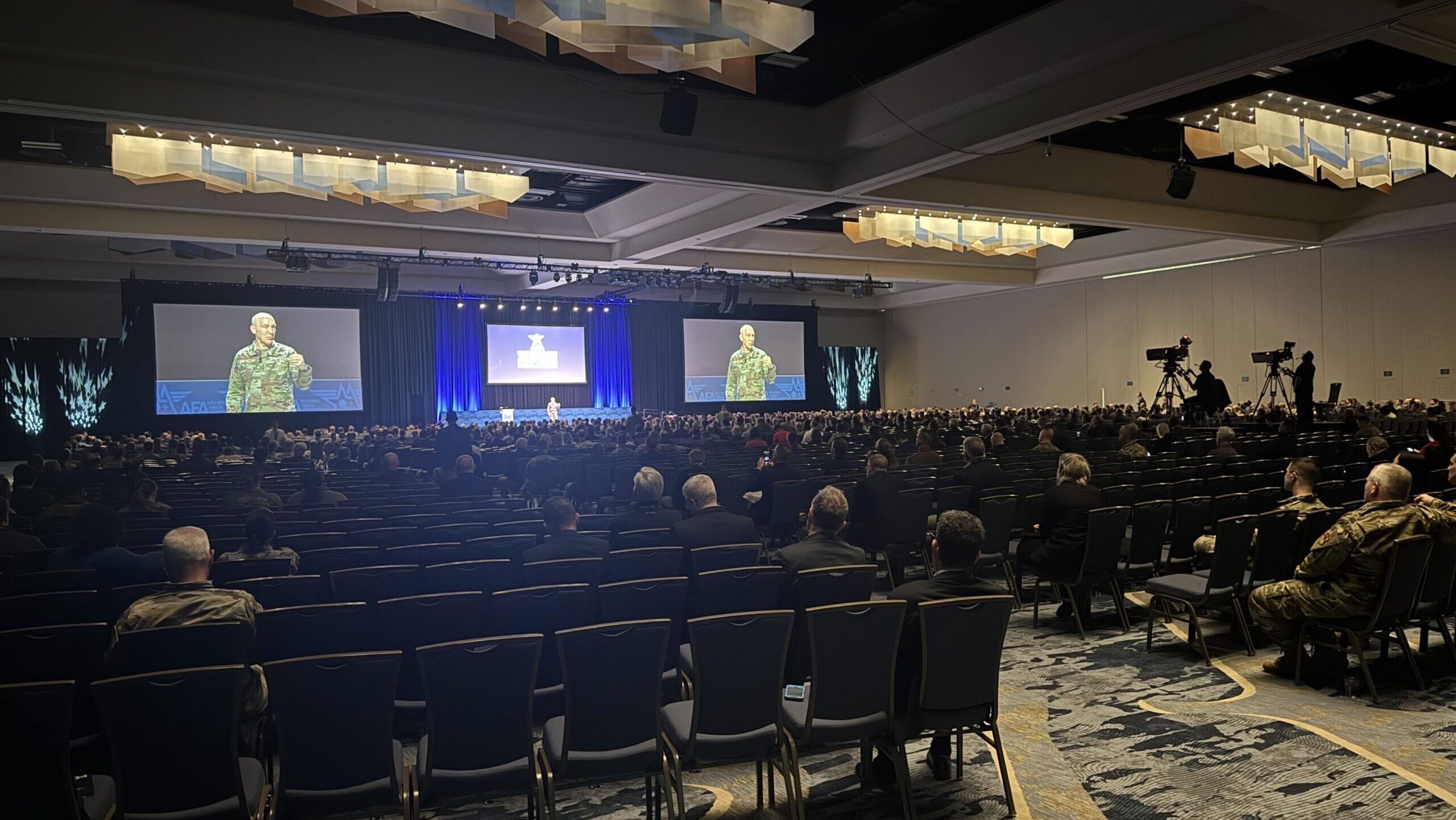
“I think the question is whether this is a temporary thing, or whether it becomes permanent,” one industry official told Breaking Defense.

The decision to pause deliveries was made on Feb. 27 by the service’s KC-46A program office “due to the identification of in the ‘outboard fixed-trailing-edge support structure’” of the two planes, an Air Force spokesperson said.
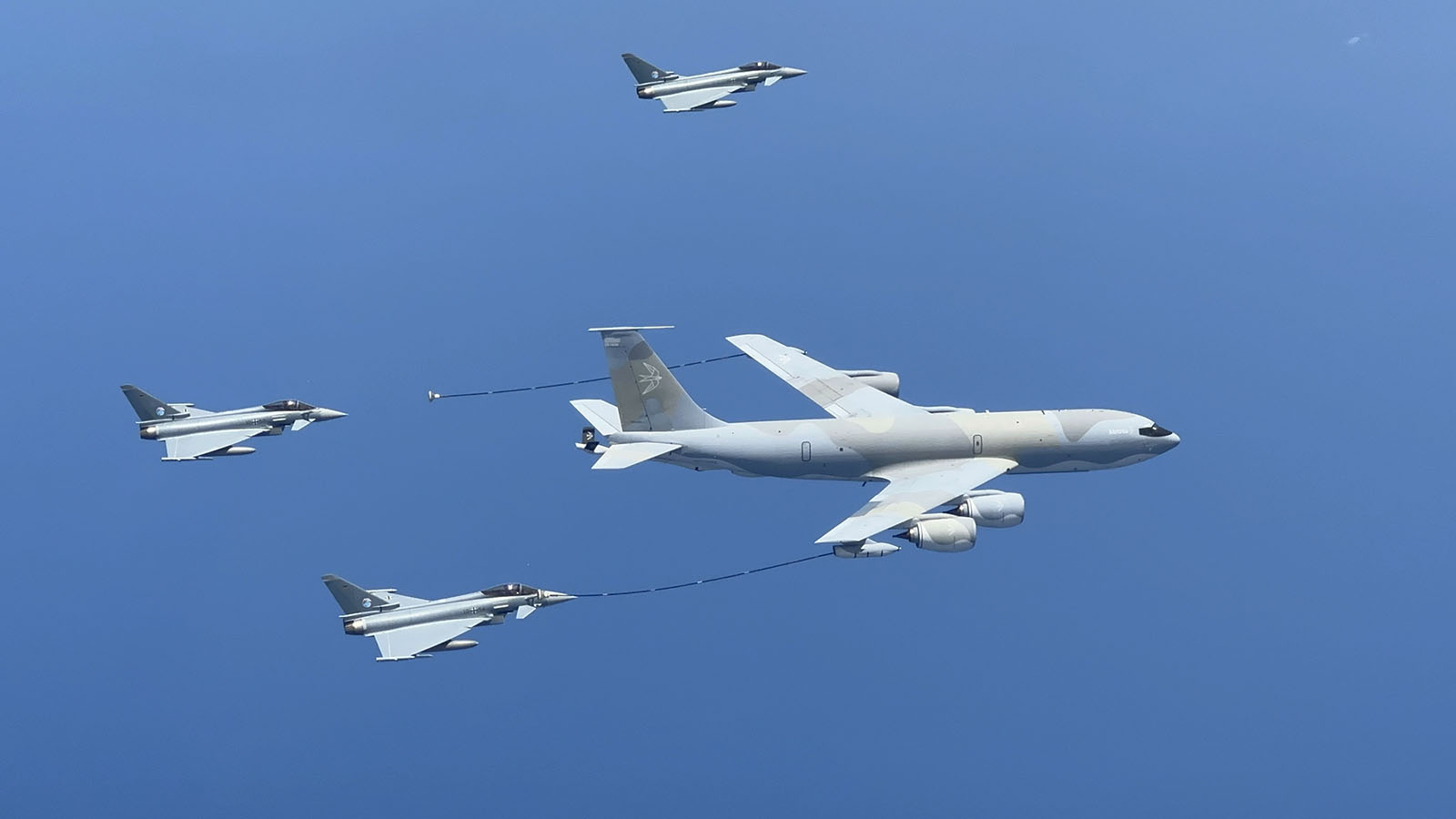
After refueling with the American company Metrea for a deployment to the Indo-Pacific, the German Luftwaffe told Breaking Defense that "commercial AAR [air-to-air refueling] is also a valid option for future deployments.”