
Space Force Awards NSTXL Space Consortium Contract
The Space & Missile Systems Center has reaffirmed its choice of NSTXL to manage the public-private Space Enterprise Consortium (SpEC), rejecting allegations by The Washington Post.

Sydney J. Freedberg Jr. has written for Breaking Defense since 2011 and served as deputy editor for the site's first decade, covering technology, strategy, and policy with a particular focus on the US Army. He’s now a contributing editor focused on cyber, robotics, AI, and other critical technologies and policies that will shape the future of warfare. Sydney began covering defense at National Journal magazine in 1997 and holds degrees from Harvard, Cambridge, and Georgetown.
The Space & Missile Systems Center has reaffirmed its choice of NSTXL to manage the public-private Space Enterprise Consortium (SpEC), rejecting allegations by The Washington Post.

Applying AI to everything from predictive maintenance to financial management can save the military billions, the director of the Joint Artificial Intelligence Center told us – if the Pentagon can reform its cumbersome bureaucracy to exploit rapid advances in technology.

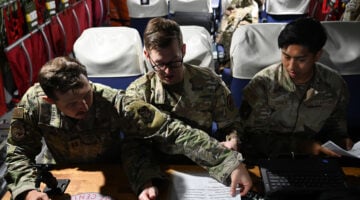
Do more with less: streamline workflows, reduce duplication, invest upfront to save long-term.
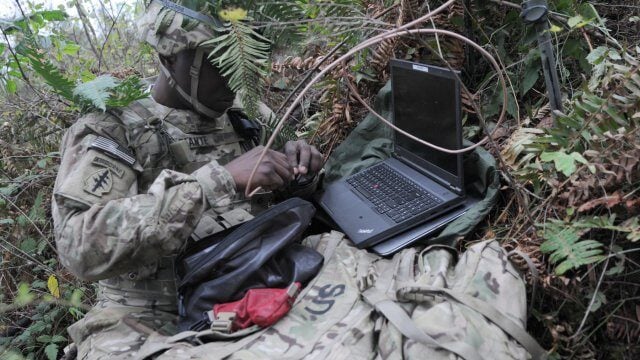
“There's still a lot of folks who believe that, ‘oh, somebody's going to bring a big box of AI and set it on my desk,’” Lt. Gen. Mike Groen, director of the Joint Artificial Intelligence Center, says. “This is not some black box. This is about your insight into the battlefield.”

Today’s huge HQs are slow-moving “rocket magnets” that can’t keep up in 21st century combat, the director of the Joint Artificial Intelligence Center told us in an exclusive interview. To survive and win, Lt. Gen. Mike Groen said, the military must replace cumbersome manual processes with AI.
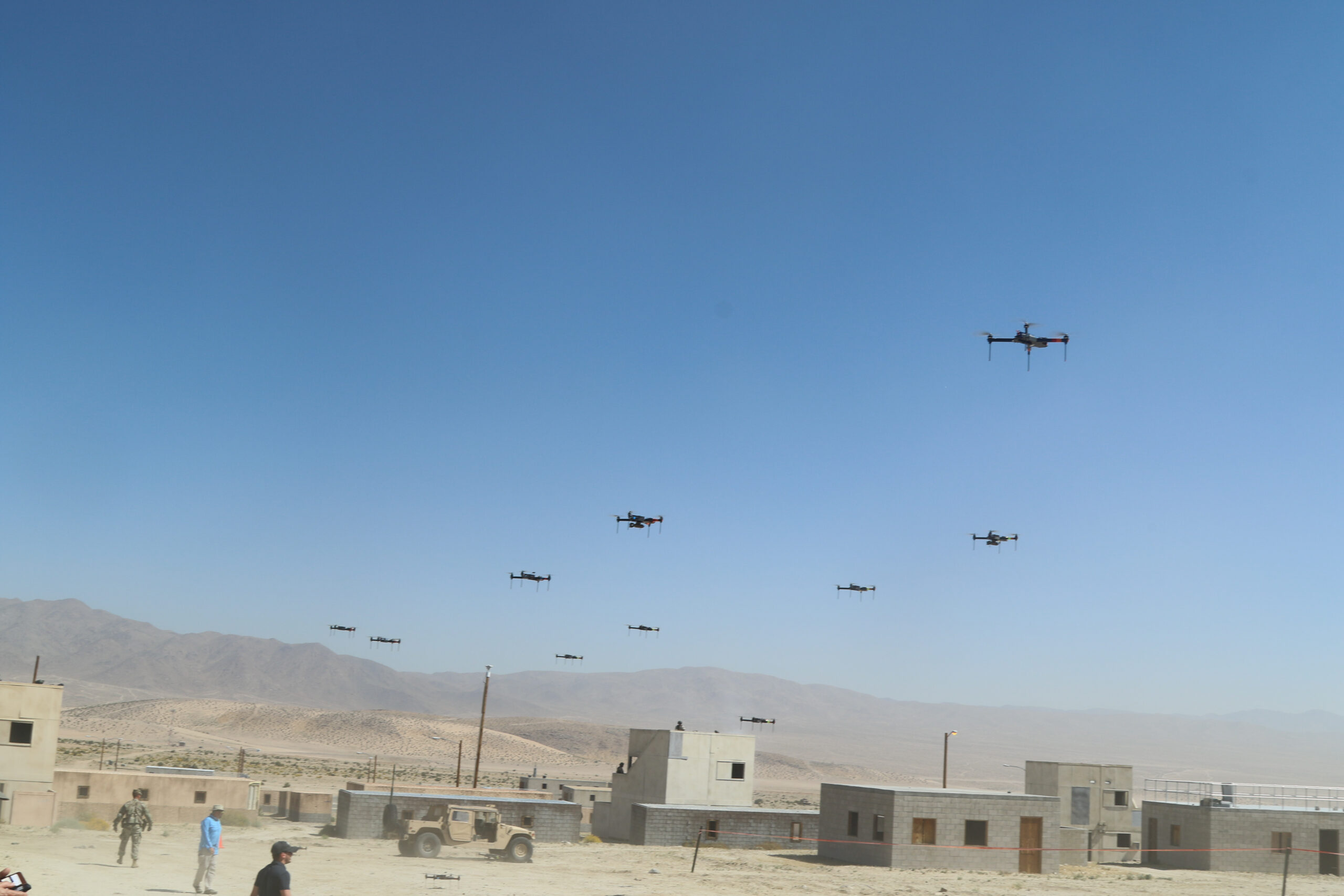
In April, the Yuma, Ariz. test range will host a competition of “low collateral damage” countermeasures designed to stop mini-drones without firing a shot. But can such a restrained approach stop the drone swarms Russia and others are developing?

Despite a heavy-handed military presence at earlier protests, there were no troops in evidence at the Capitol when it was overrun yesterday by pro-Trump rioters. Currently, 834 Guard troops are operational across DC, 741 of them guarding the Capitol and 93 manning traffic checkpoints.


The Sixth Domain is not defined by geography. It’s a new kind of conflict in which autonomy and networked systems allow thousand-dollar consumer electronics to destroy multi-million-dollar conventional weapons systems.
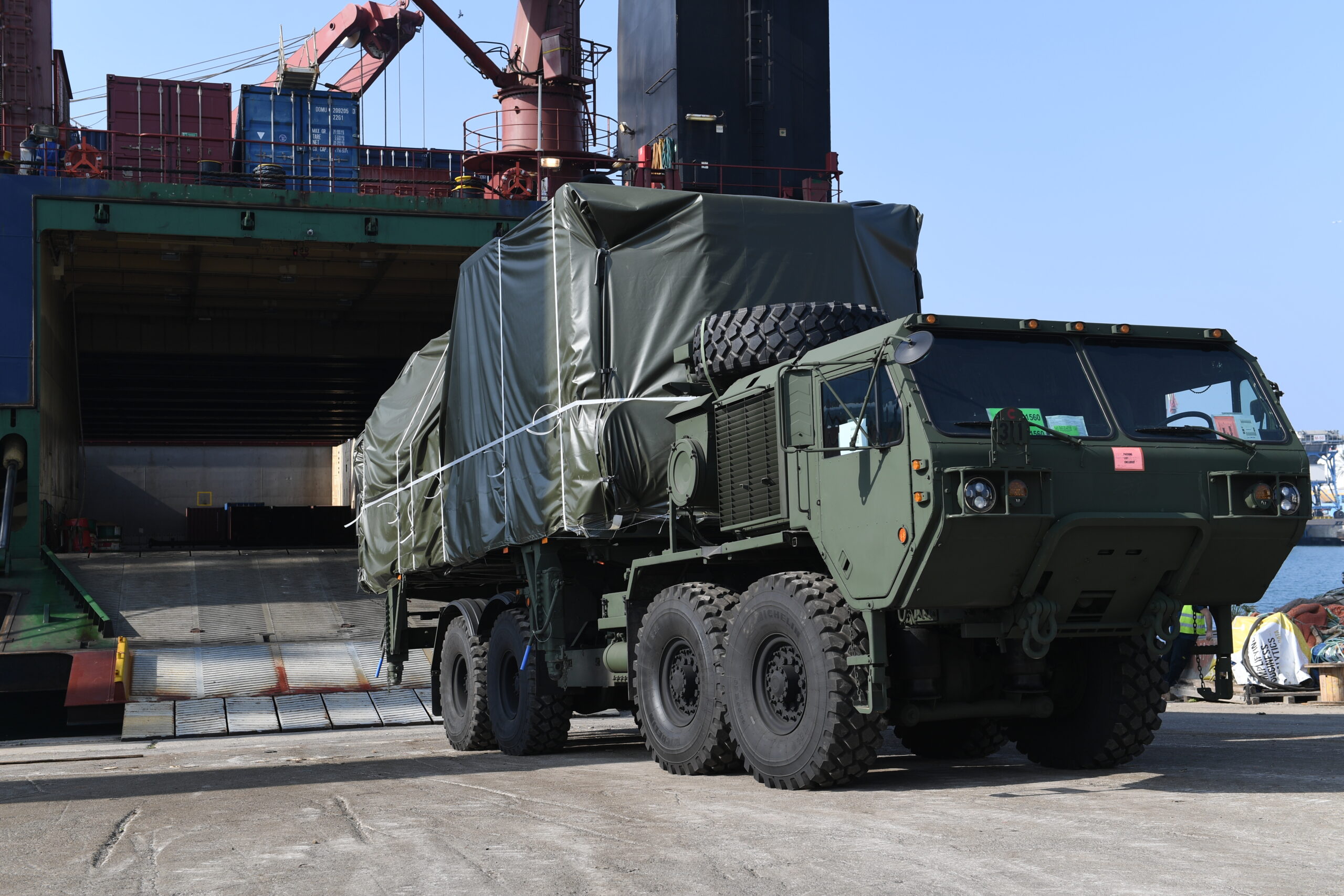
With the second battery now bound for the US, the Israeli-made missile defense system must prove it works with American command networks. “We have a very detailed plan to do the integration,” Rafael’s Pini Yungman told me.
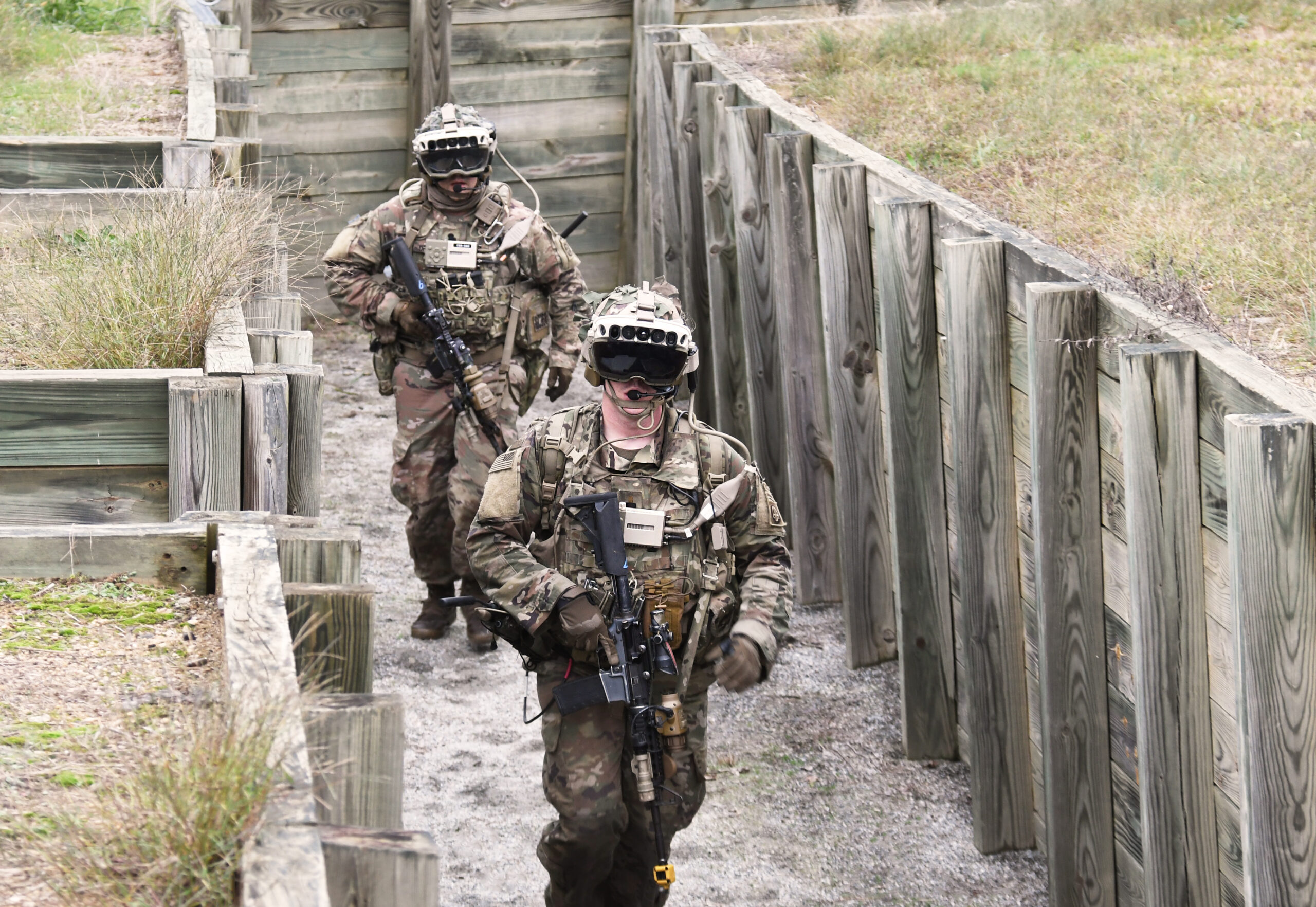
With shrinking budgets and a growing need for new technologies, “the Army will need to make a compelling case to Congress to fund new capabilities and truncate legacy programs,” said CSBA’s Tom Mahnken.
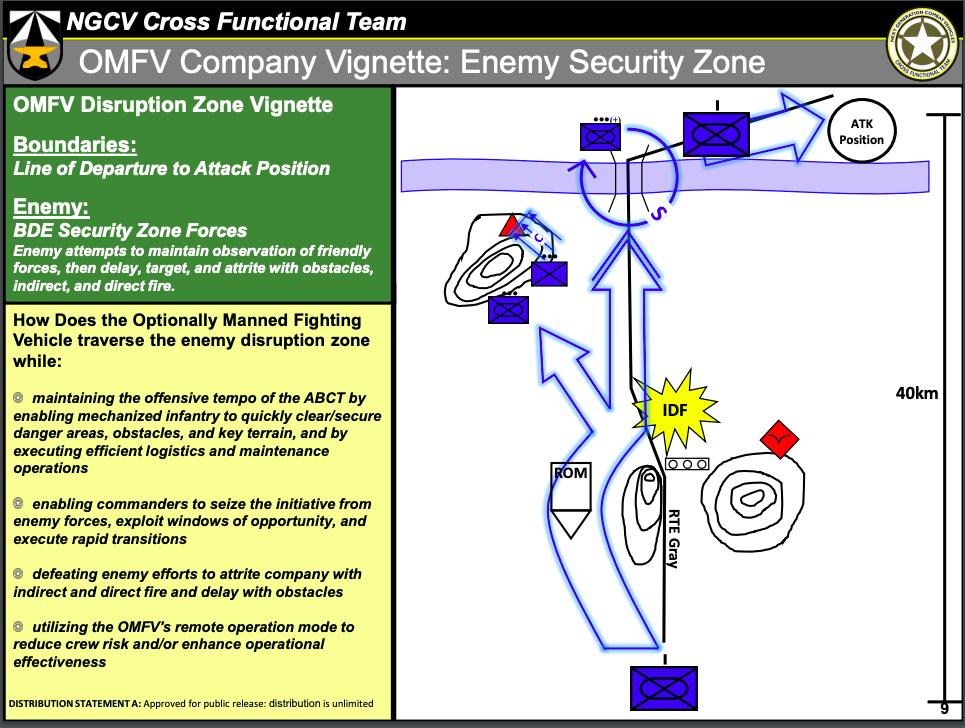
Want to make a mini-tank that carries two passengers in back? Or put the heavy weapons on one vehicle and the passengers in another? Go for it, the Army’s armor modernization director told industry.

The Army wants a wheeled howitzer that can keep up with its Stryker units, so the Israeli firm is shipping its 8x8 ATMOS gun to Yuma, where it’ll fire “hundreds of rounds.”

Breaking Defense Europe will launch May 4 with Tim Martin and Elisabeth Gosselin-Malo as co-editors.

“There’s going to be winners and losers,” Gen. Ed Daly told us. “[But] this transition… is not code for ‘reducing the workforce.’”

General Dynamics has already delivered at least two of its Mobile Protected Firepower prototypes to Fort Bragg, but BAE is lagging behind – although it says its MPFs will make the Army’s Jan. 4 deadline to start testing.

In future wars, AI, networks, and analytics won’t just help target precision weapons: They can also liberate combat units from long and vulnerable supply lines. But to make that work, AMC commander Gen. Ed Daly told us, frontline troops need a constant flow of data.

“We expect adversary actions directed against the homeland,” from cyber attacks to foreign-fomented protests, the new Army Installations Strategy warns. Bases in the US are no longer out of adversaries’ reach – so how do you defend them?