
Senate Appropriators Cut R&D To Buy More Weapons
The Senate Appropriations Committee proposal adds $2.4 billion to procure more weapons ASAP – especially F-35s – and cuts longer-range R&D by $2.1 billion.

Sydney J. Freedberg Jr. has written for Breaking Defense since 2011 and served as deputy editor for the site's first decade, covering technology, strategy, and policy with a particular focus on the US Army. He’s now a contributing editor focused on cyber, robotics, AI, and other critical technologies and policies that will shape the future of warfare. Sydney began covering defense at National Journal magazine in 1997 and holds degrees from Harvard, Cambridge, and Georgetown.
The Senate Appropriations Committee proposal adds $2.4 billion to procure more weapons ASAP – especially F-35s – and cuts longer-range R&D by $2.1 billion.

The Army has outlined draft objectives for a range of Robotic Combat Vehicles, from an expendable light scout armed with a single anti-tank missile to a 30-ton unmanned tank as tough as the 70-ton M1 Abrams.

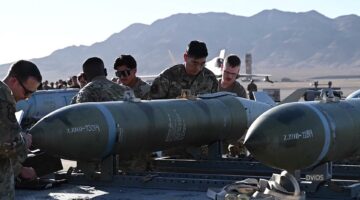
Threats have changed the range, seeking and attack capabilities necessary to ensure effectiveness.

The military sees huge potential in tiny electronics to revolutionize warfare with swarms of expendable, interconnected drones. But it doesn’t want to repeat the mistakes of the F-35 by building a single multi-service mega-program to build them.

Lockheed Martin won a $339 million contract today to integrate two Raytheon-made missiles, now used by the Navy, into a truck-mounted artillery battery by 2023.

New technologies and organizations will give soldiers an edge, Maj. Gen. Patrick Donahoe said, but tanks and foot troops will still face brutal close combat.

Having awarded $600 million for 5G pilots at five bases in the US, the Pentagon will formally solicit for seven more in the coming months. But will 5G work in war zones?


A decorated combat aviator and biotech CEO advocates preparing for novel viral threats before the next crisis.

“Being able to take out 10 targets in rapid succession…that's very exciting. It's awesome,” said Lt. Gen. Michael Groen. “But it's not enough.”
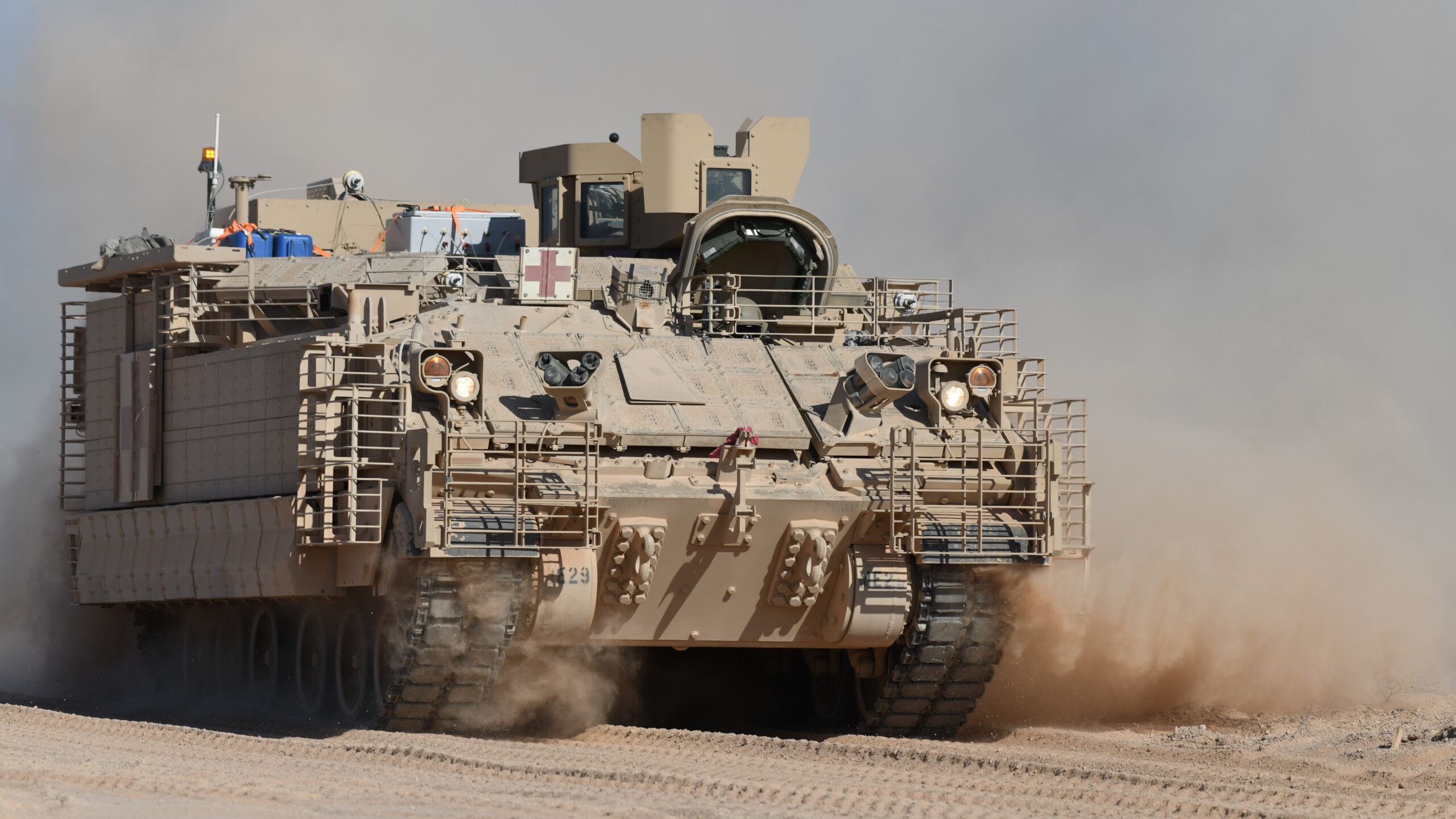
BAE Systems' York, Penn. plant has overcome COVID and quality-control problems to get the Armored Multi-Purpose Vehicle and the Paladin howitzer back on track, Army officials told Breaking Defense.

Like JEDI, DEOS is a multi-billion dollar cloud program held up for months by protests from losing bidders. This morning, the Pentagon reaffirmed General Dynamics as the winner, but cut the contract’s estimated value nearly in half.
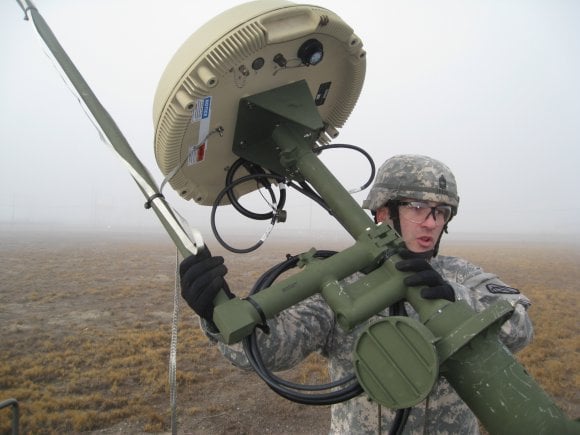
Military technology often lags so far behind Silicon Valley, one defense official says, that much of the Pentagon is “in the Fred Flintstone era,” while the cutting edge is, “past the Jetsons.”


Architecture that linked sensors, C2, RF effects, and lasers into a distributed c-UAS kill chain.
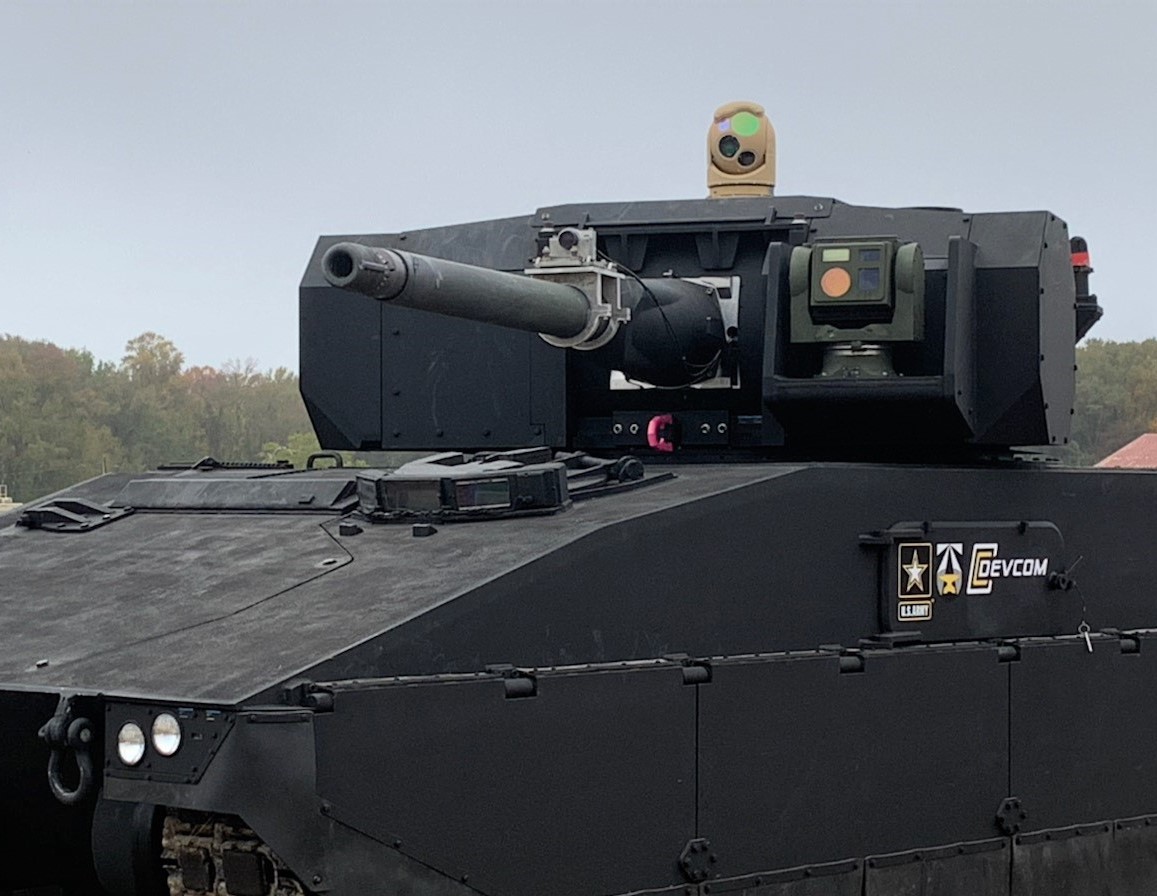
The Army will soon hold live-fire tests of an AI that can algorithmically spot targets and aim at them -- but a human still has to pull the trigger. Will ATLAS let future tanks fight better with smaller crews?
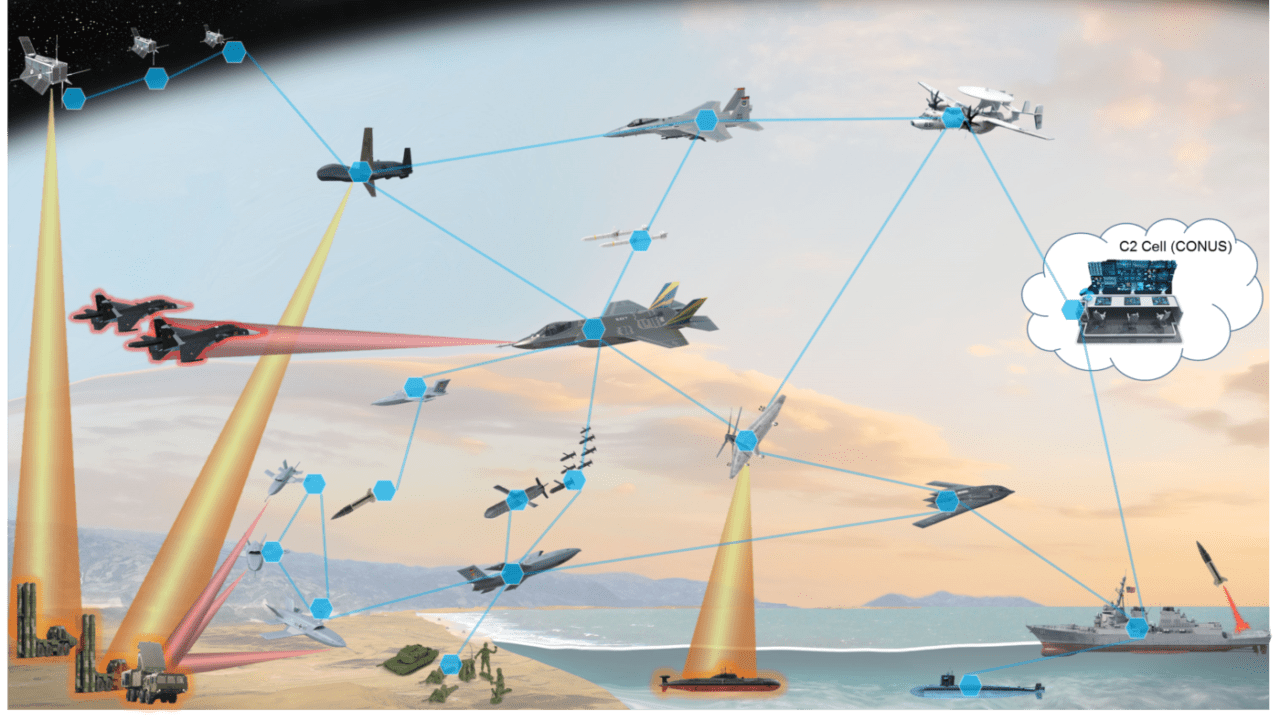
Military hierarchies are, by necessity, rigid structures. DARPA’s ‘Mosaic Warfare’ project aims for something much more fluid and adaptable, with AI doing the logistical grunt work so human commanders can get creative.
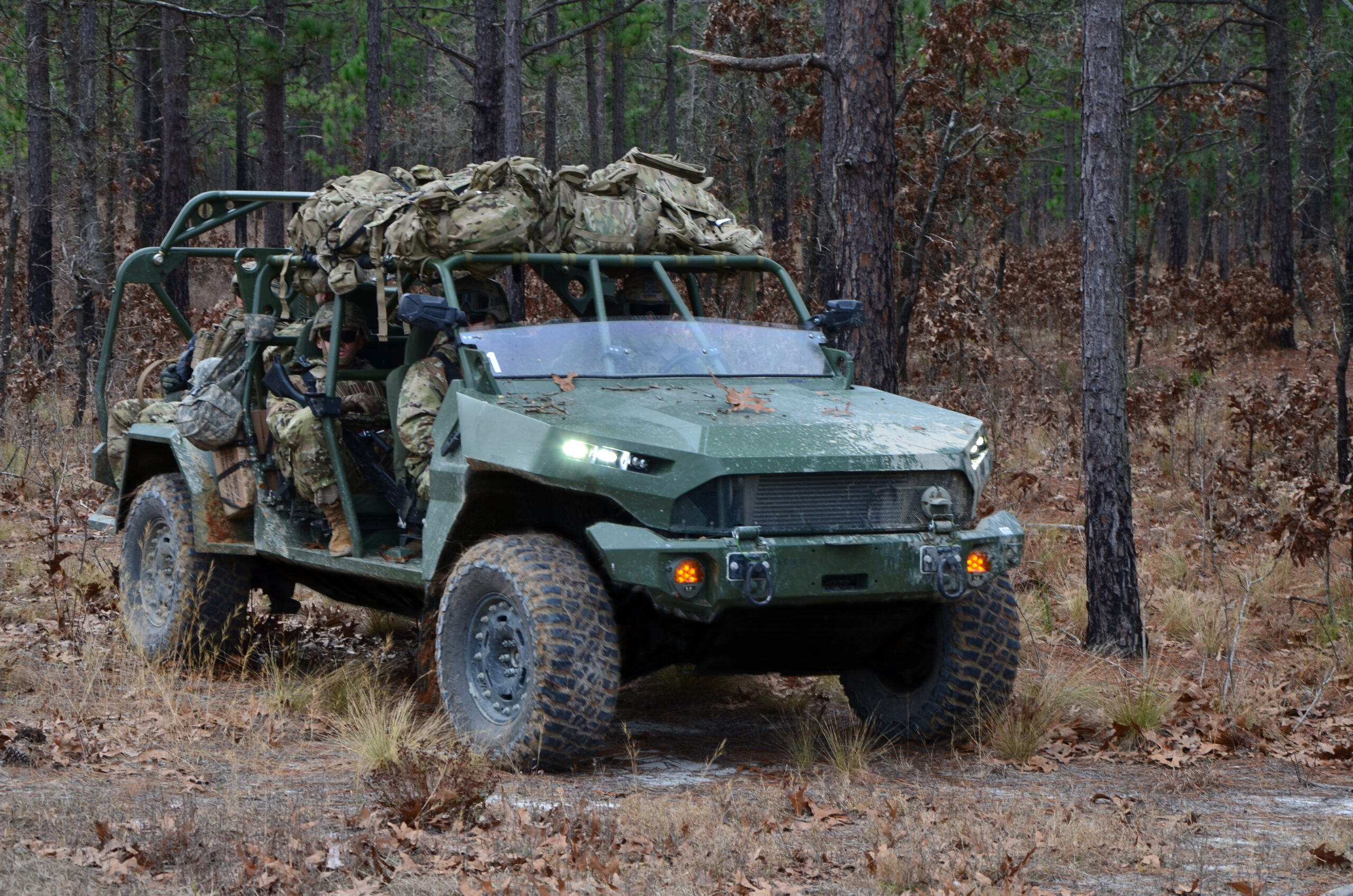
GM Defense made delivery of its Infantry Squad Vehicle in just 120 days from contract award. Next up: intensive Army testing, with two trucks set aside for parachuting out of airplanes. The 82nd Airborne gets the first ISVs next year.
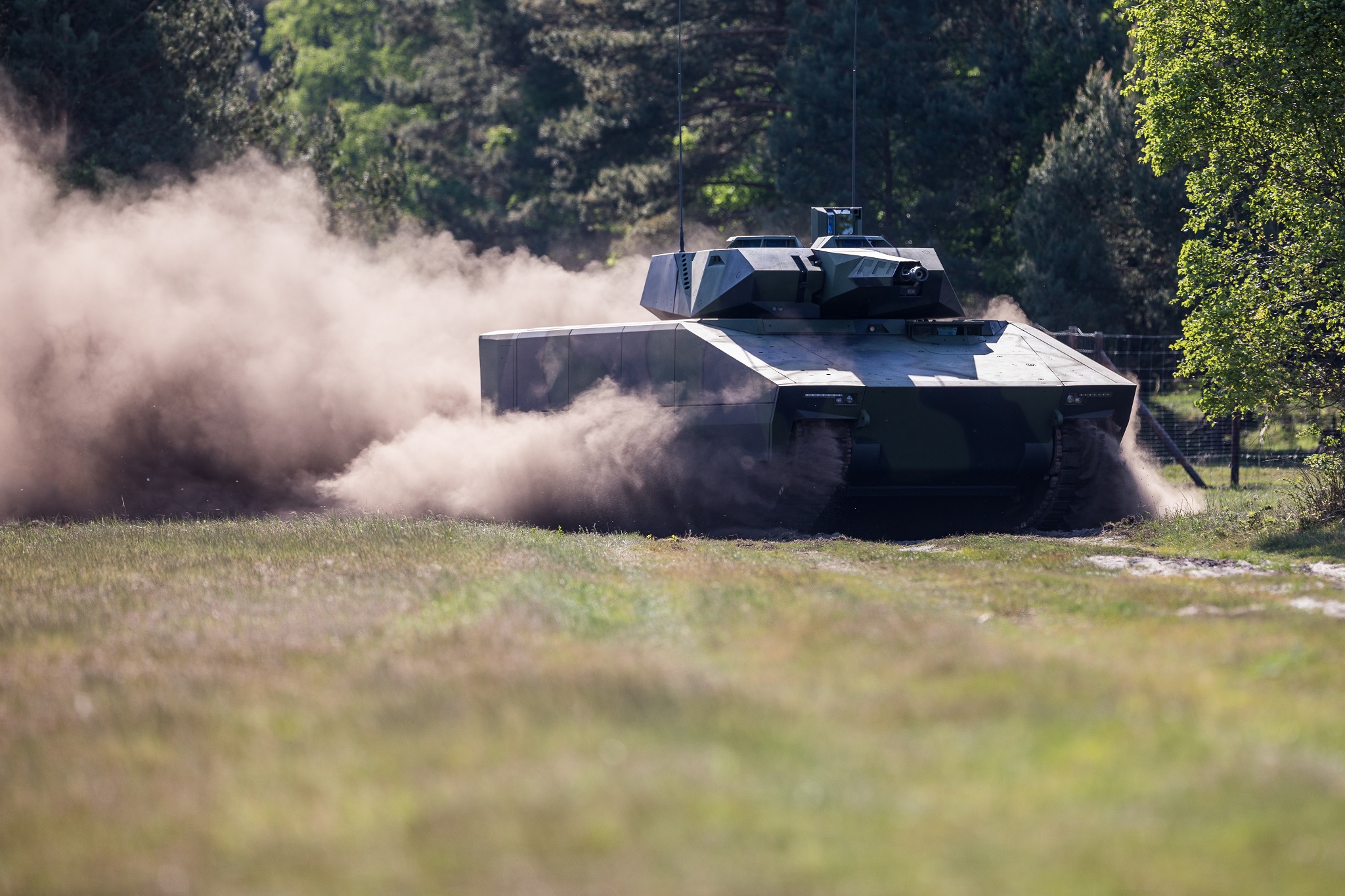
The Army's new priorities -- emphasizing heavy armor and robotics -- and Rheinmetall's successes overseas combine to give the KF41 Lynx a fighting chance to be the new Optionally Manned Fighting Vehicle.