
IBCS: Army Launches Massive Army Missile Defense Test
Postponed seven weeks by the pandemic, the high-stakes field test of the IBCS missile defense network is now back on, with elaborate precautions against COVID-19.

Sydney J. Freedberg Jr. has written for Breaking Defense since 2011 and served as deputy editor for the site's first decade, covering technology, strategy, and policy with a particular focus on the US Army. He’s now a contributing editor focused on cyber, robotics, AI, and other critical technologies and policies that will shape the future of warfare. Sydney began covering defense at National Journal magazine in 1997 and holds degrees from Harvard, Cambridge, and Georgetown.
Postponed seven weeks by the pandemic, the high-stakes field test of the IBCS missile defense network is now back on, with elaborate precautions against COVID-19.
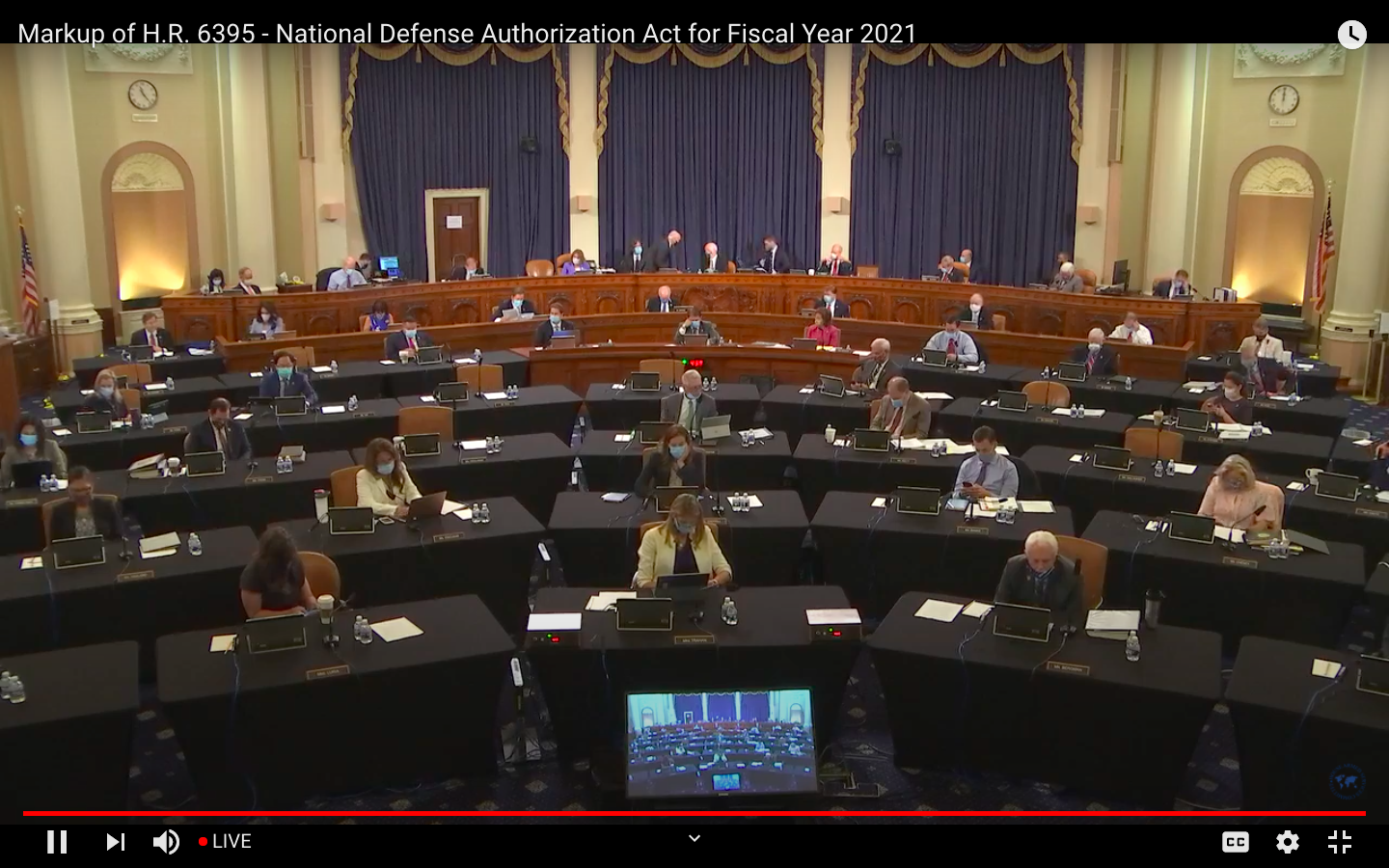
To end annual panic spending to use up the budget, HASC wants to let DoD keep 50% of unspent Operations & Maintenance funds – if the appropriators allow it. A floor flight looms.


Balancing security and access to data are critical to providing users with trustworthy, reliable data for real-time decisions.
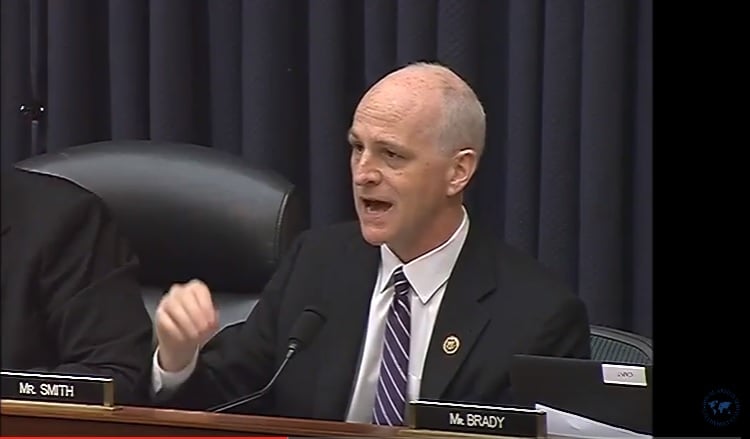
The HASC chairman sees the handling of intelligence over Russian threats in Afghanistan and the proposed withdrawal of troops from Germany as symptoms of pervasive problems in the Trump Administration.

The military will consolidate from dozens of different, often-incompatible counter-drone defenses to just seven — with a single common standard for command & control.
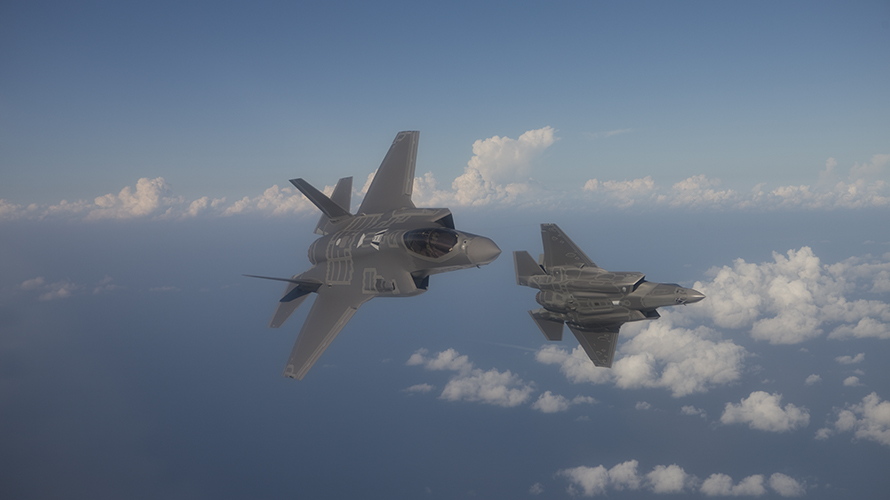
The HASC draft largely agrees with SASC on cutting robot ships and adding manned ones, but the two are far apart on Joint Strike Fighters.

Skeptical senators on the Senate Armed Services Committee want to slow down bleeding-edge prototypes, while building up more traditional weapons.
Zero Trust is the Pentagon’s foundation for its modern cybersecurity strategy.

The HASC readiness subcommittee also wants to create a comprehensive quadrennial review of what it’ll really take to supply and sustain the global force.
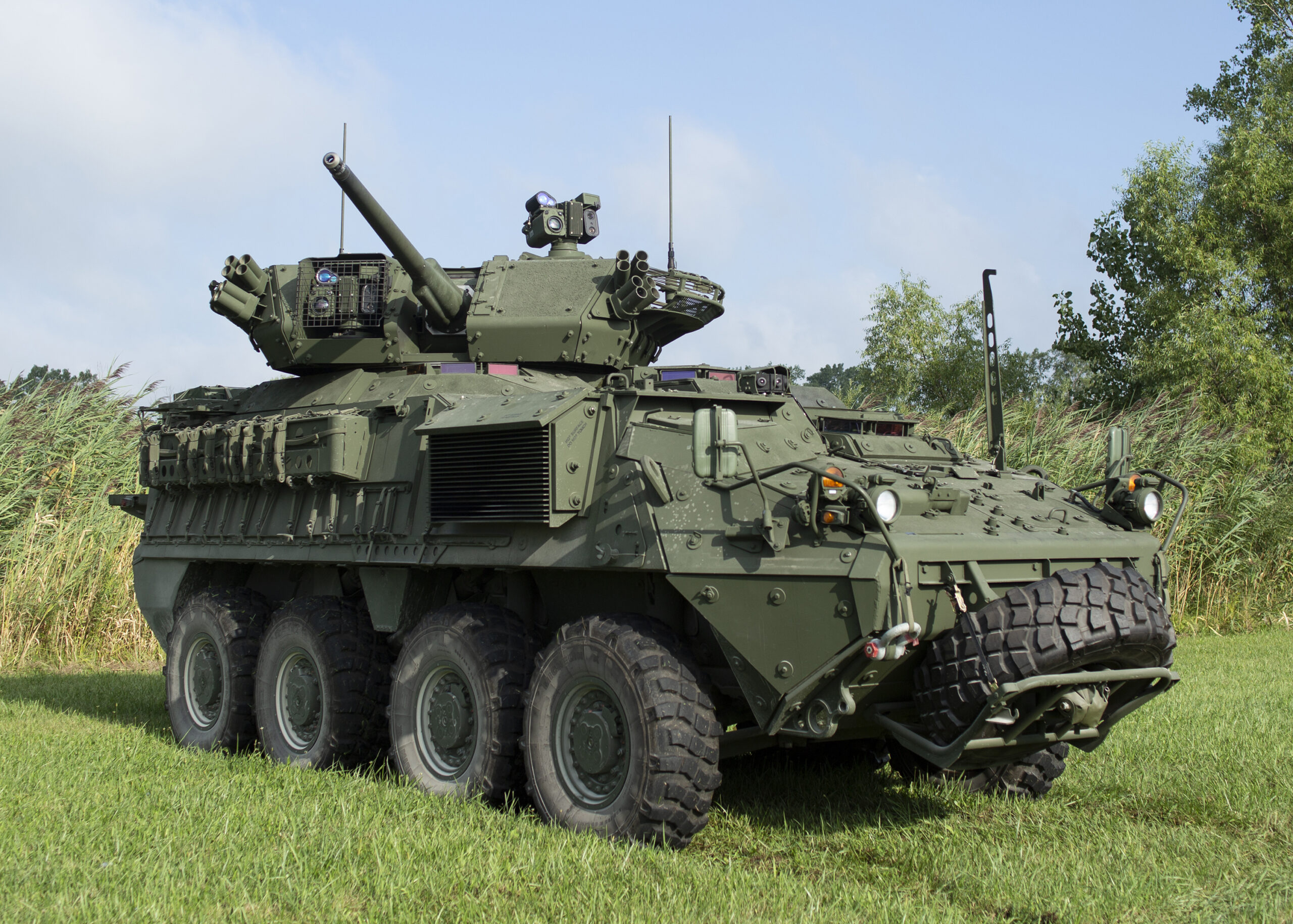
While at least two of six competitors have dropped out, the Army says it will still have plenty of 30mm turret options to choose from as it starts testing this fall.

Despite COVID-19, the SB>1 Defiant team is testing furiously to catch up with archrival Bell’s V-280 tiltrotor, which has almost 10 times as many flight hours.
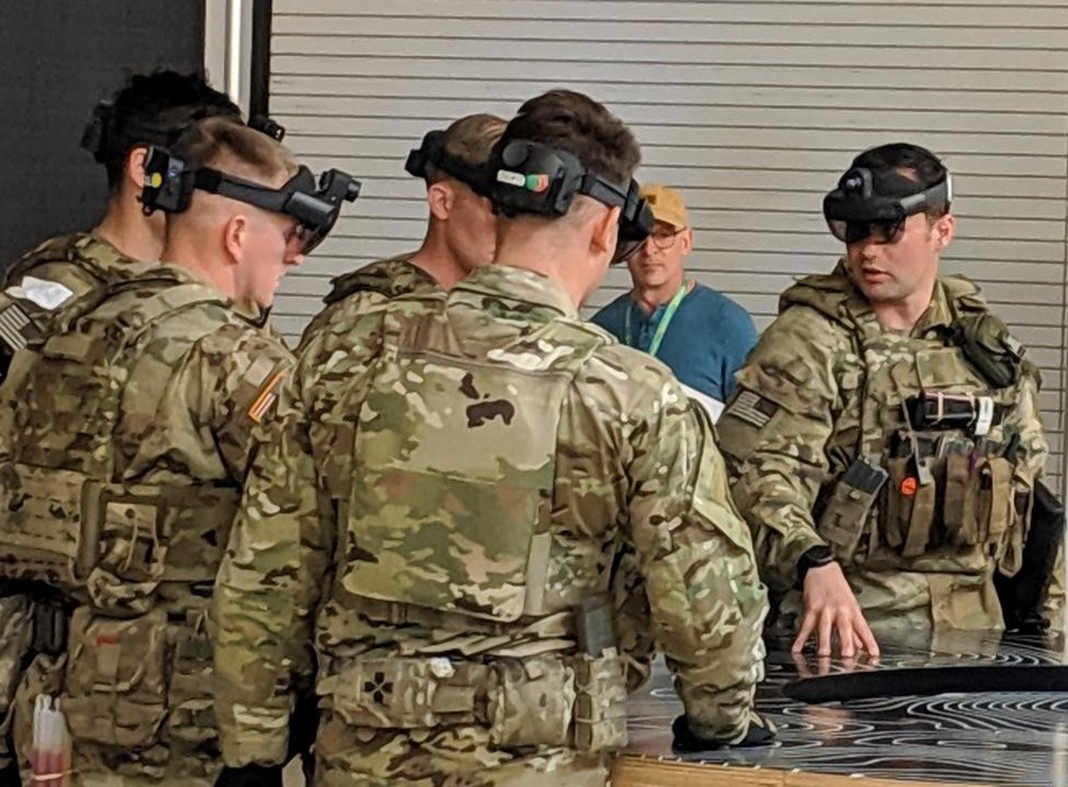
Pentagon programs that claim they’re ‘agile’ rarely are, GAO data shows. But how well does a Silicon Valley software strategy translate to weapons programs?

Reducing cognitive overload on warfighters while improving “time to trust” for autonomous systems is a matter of design.

Besides shoring up physical defenses against foreign threats, Senate Armed Services chairman Jim Inhofe is fighting against the FCC’s transfer of spectrum from GPS to 5G firm Ligado.

The Army Futures commander is making a list of which of the service’s 34 top-priority programs to sacrifice first – and which programs outside the top 34 he has to save.

The Army’s drive to modernize by 2035 is too big for traditional five-year spending plans, acquisition chief Bruce Jette said. So he’s reviving long-term economic forecasting used in the Cold War.

The brand new missile seeker can home in on radio and radar, which means it can also target anti-aircraft defenses – blasting a path through them for US airpower.