
Army Bets Big On Service Contracts To Fix Aging IT
The Army’s got lots of really old IT on its bases which may not hold up in a real war.

Sydney J. Freedberg Jr. has written for Breaking Defense since 2011 and served as deputy editor for the site's first decade, covering technology, strategy, and policy with a particular focus on the US Army. He’s now a contributing editor focused on cyber, robotics, AI, and other critical technologies and policies that will shape the future of warfare. Sydney began covering defense at National Journal magazine in 1997 and holds degrees from Harvard, Cambridge, and Georgetown.
The Army’s got lots of really old IT on its bases which may not hold up in a real war.
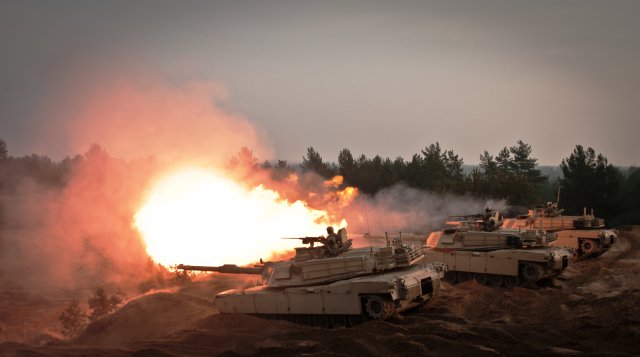
Alarming headlines to the contrary, the US Army isn't building robotic "killing machines." What they really want artificial intelligence to do in combat is much more interesting.

Breaking Defense Europe will launch May 4 with Tim Martin and Elisabeth Gosselin-Malo as co-editors.

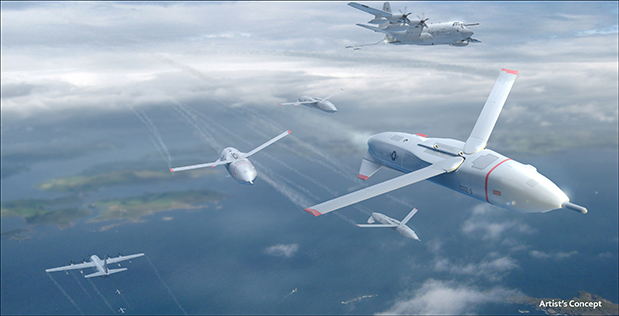
“These are engines that would fit on your tabletop," said Kratos exec Stacey Rock. "We don’t want hundreds of ‘em, we want thousands [of drones] to overwhelm the threat."
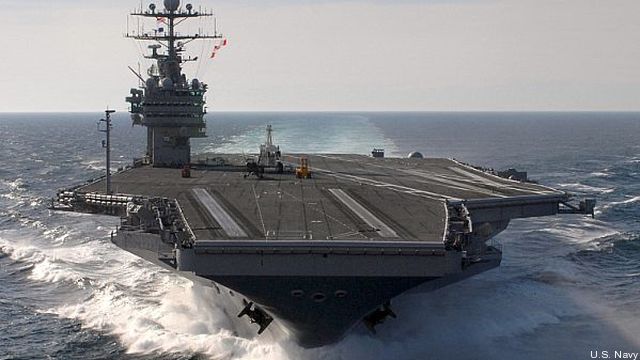
The move could save more than $30 billion over 25 years to invest in high-tech weapons -- but Congress is sure to explode in outrage.
That's $6 billion more than previously announced -- but it all comes at the cost of almost 200 cut, cancelled, or slowed-down programs, each with backers in Congress.
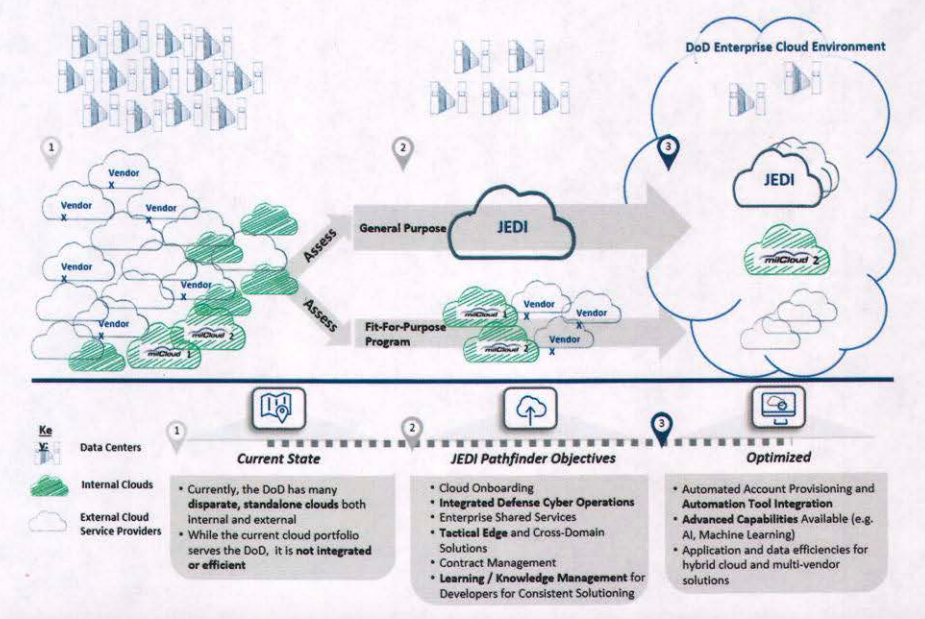
The existing, expensive network can't do what the Army needs. So is the solution outsourcing to the private sector?

Do more with less: streamline workflows, reduce duplication, invest upfront to save long-term.

Will high-tech hardware developed to protect aircraft translate to the mud and dust of ground combat?
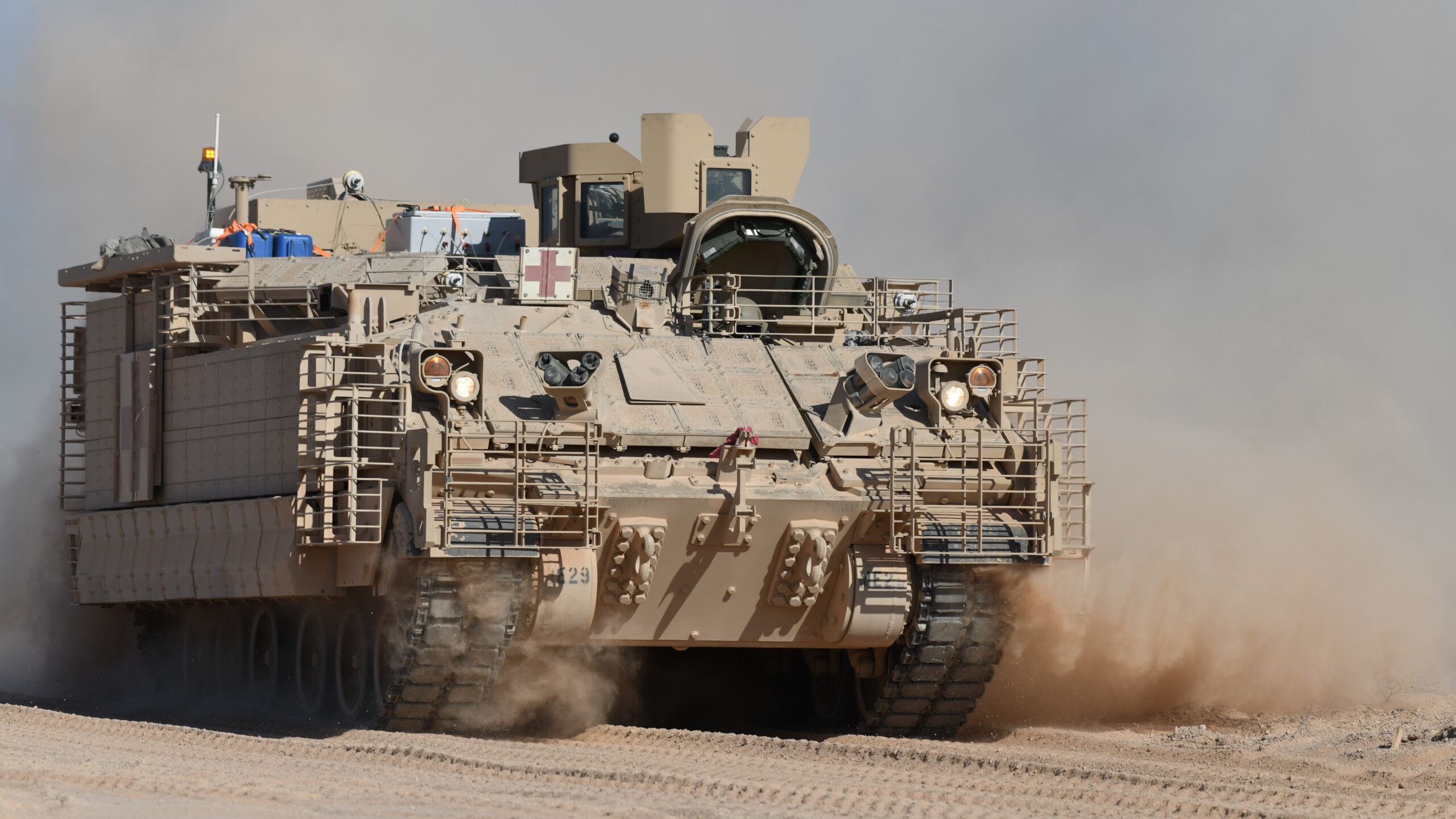
In Iraq, M113 variants were deemed too vulnerable to roadside bombs and confined to base. But in a fast-moving mechanized war in Eastern Europe, the armored brigades would need support vehicles that stand a chance against Russian firepower.

“He said you’ve got tremendous people, you prototype pretty effectively, and you’re absolutely terrible — he had some more colorful words than that — for machine learning," Gen. Thomas said. "It gave me a spark ... and turned me into a zealot."
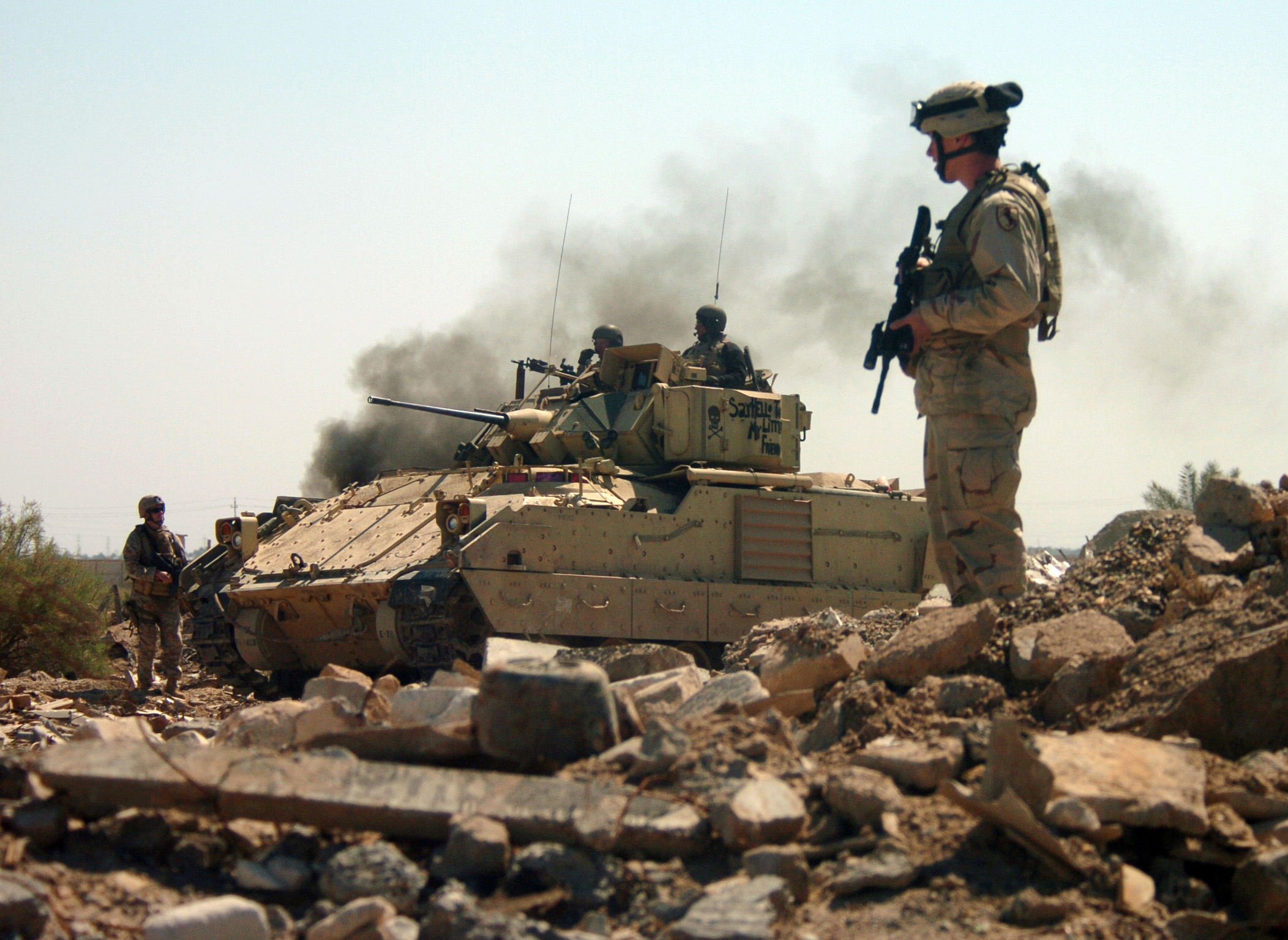
If RAVEN succeeds in the next, more challenging round of tests, the BAE jammer will ultimately go on the 1980s-vintage M2 Bradley. That's a big part of the Army’s urgent push to protect American armored vehicles against Russian-made anti-tank missiles in widespread use around the world.

Government can’t stop to update systems, so modernization has to happen without interruptions.

In the next six to 12 months, country after country is deciding what companies get to build new 5G networks. India and Italy remain open to a Huawei bid, at least for now; Britain, Canada, and Germany are on the fence; while France, Japan, South Korea, Australia, and New Zealand have said no.

“The SOF guys are less risk averse than conventional ground forces, so they’re more apt to push the limit,” said Bob Work, father of the AI-driven Third Offset Strategy. “Their commanders also have embraced AI and autonomous ops.... so I think all the conditions are set for SOF to lead the way in the more direct combat applications of AI and autonomy.”

“We need to have any sensor connect to any shooter at very rapid machine-to-machine speed,” Air Force Secretary Heather Wilson said, “if we’re going to multi-domain operations.” But aye, there’s the rub: Are we?
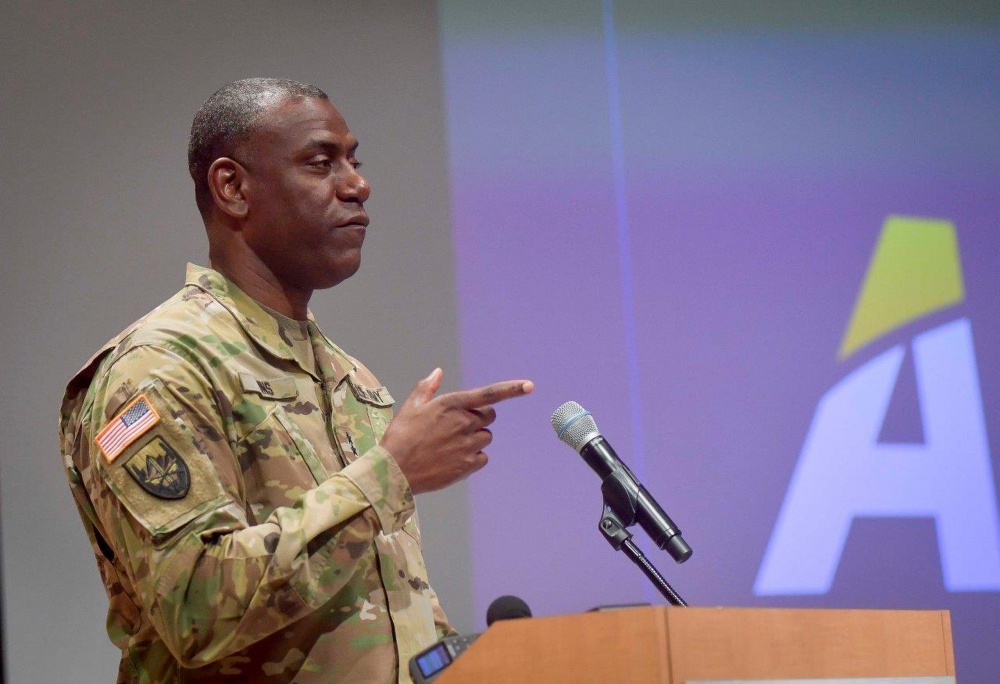
For Maj. Gen. Cedric Wins, when the organization he’s led for 31 months changed its name, its mission, and the four-star headquarters it works for, it finally found the answer to a question it – and the entire Army – have been struggling with for at least 16 years.