
Biotech boosters win big in both HASC, SASC defense policy bills for FY26
Both the House and Senate Armed Services Committees voted to streamline Pentagon procurement of biologically-derived materials, from first aid treatments to novel explosives.

Sydney J. Freedberg Jr. has written for Breaking Defense since 2011 and served as deputy editor for the site's first decade, covering technology, strategy, and policy with a particular focus on the US Army. He’s now a contributing editor focused on cyber, robotics, AI, and other critical technologies and policies that will shape the future of warfare. Sydney began covering defense at National Journal magazine in 1997 and holds degrees from Harvard, Cambridge, and Georgetown.
Both the House and Senate Armed Services Committees voted to streamline Pentagon procurement of biologically-derived materials, from first aid treatments to novel explosives.
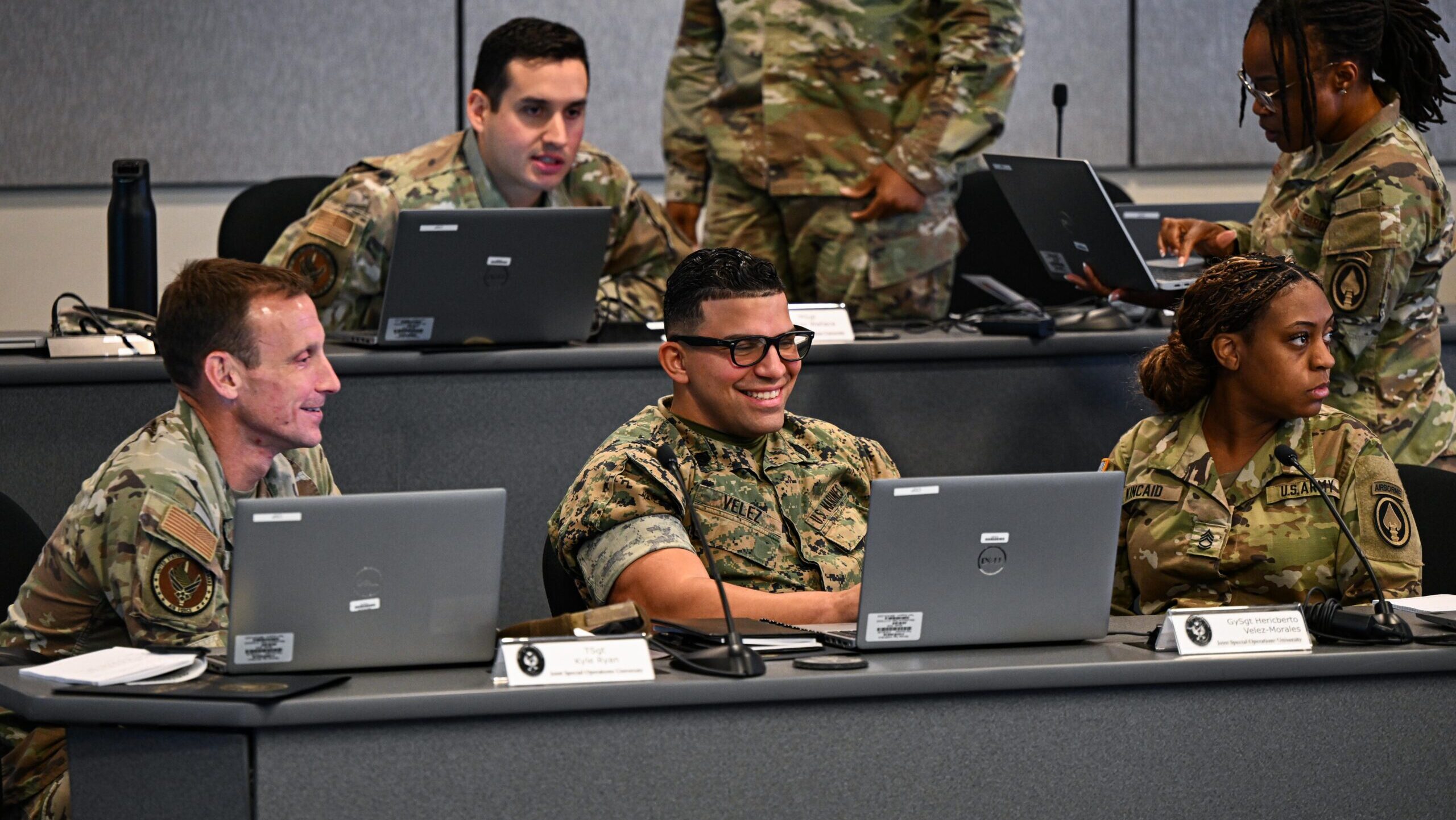
The three new contracts come on top of last month’s equal award to OpenAI, bringing the Chief Digital & AI Officer’s investment in cutting-edge commercial “frontier AI” to a total of $800 million.


Architecture that linked sensors, C2, RF effects, and lasers into a distributed c-UAS kill chain.

Shield’s “Hivemind” autonomy software will go on an undisclosed “operational weapon,” while Shield’s ViDAR sensor software will go on Raytheon’s MTS multi-sensor turret to help in tracking and targeting incoming enemy drones.

"We recognize this is a time of heightened risk,” Pentagon cyber official Katie Arrington told Breaking Defense. “DoD encourages the DIB [Defense Industry Base] to raise their cybersecurity posture.”
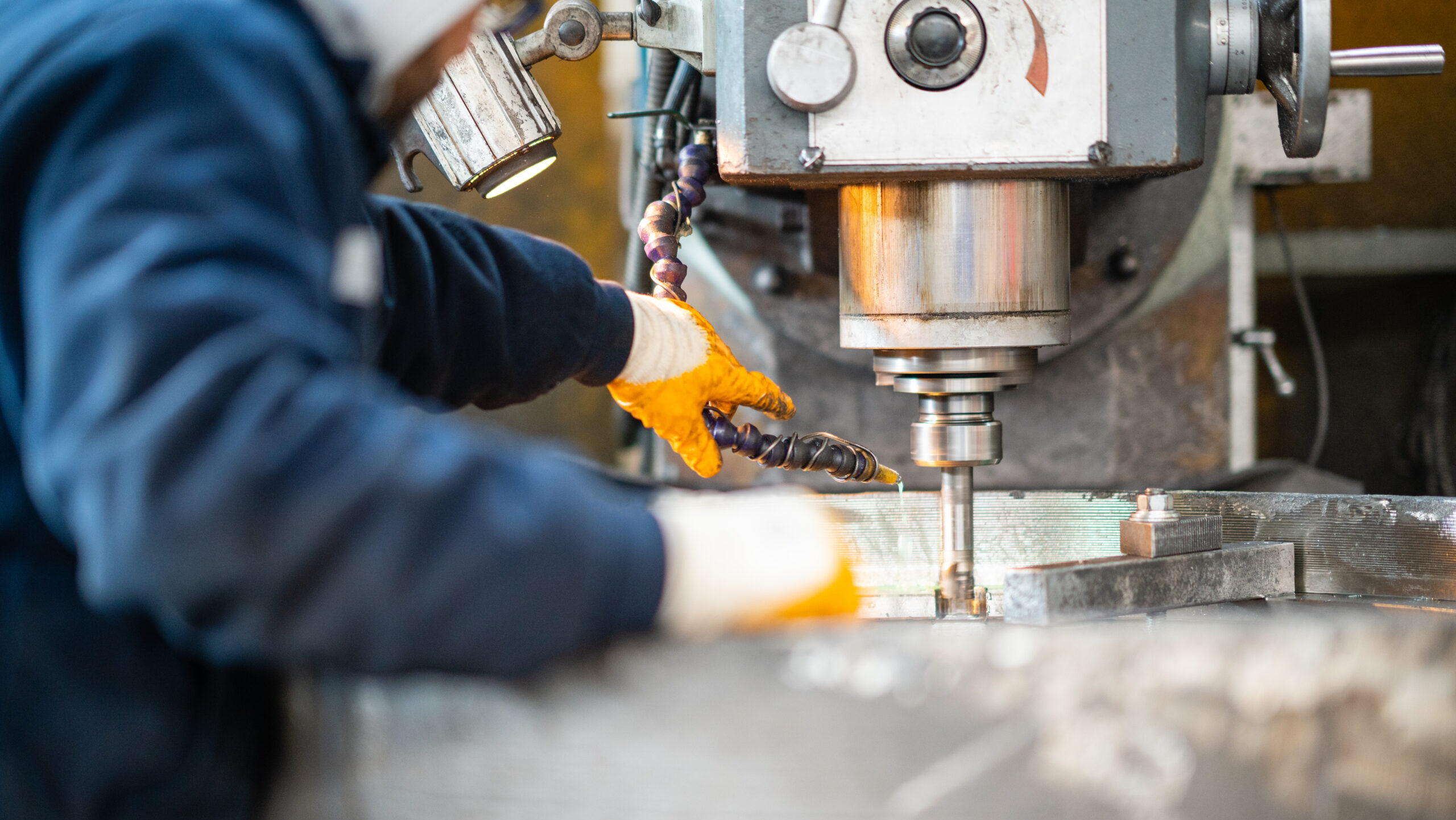
The new study of 2024 data also warns that the Pentagon remains over-reliant on a small number of traditional prime contractors and a supplier base rife with potential bottlenecks.
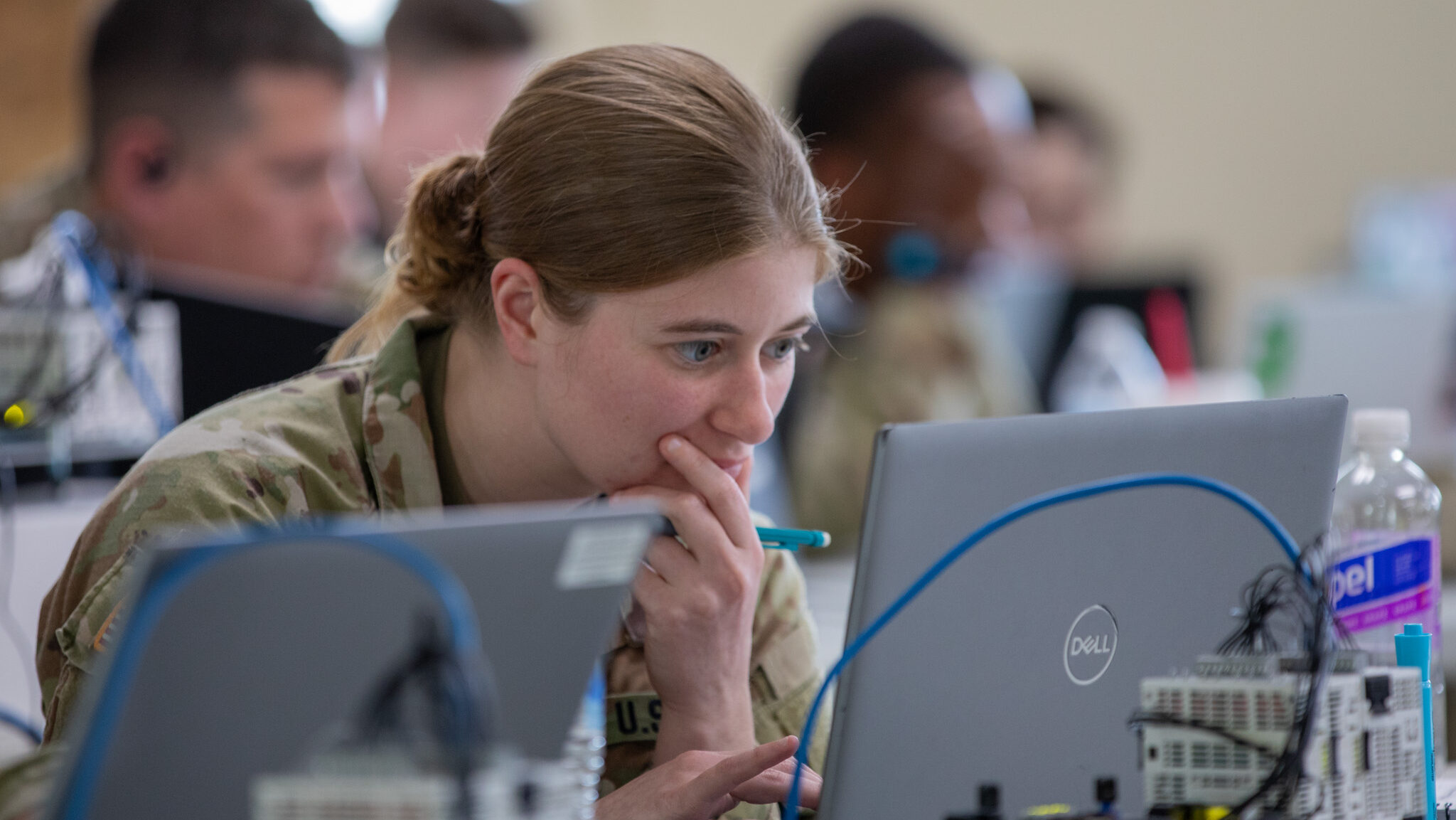
The contract expands the Army’s “Enterprise Large Language Model Workspace” — just introduced in May — to users at OSD, the Joint Staff, and combatant commands worldwide.
There is no single answer to the drone threat, pushing the Pentagon toward a broader mix of defenses.
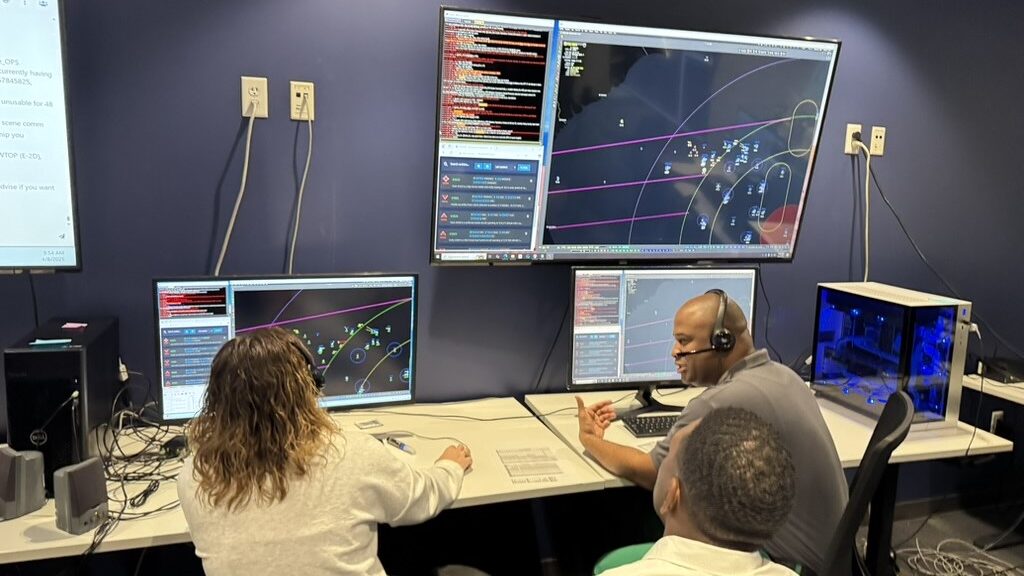
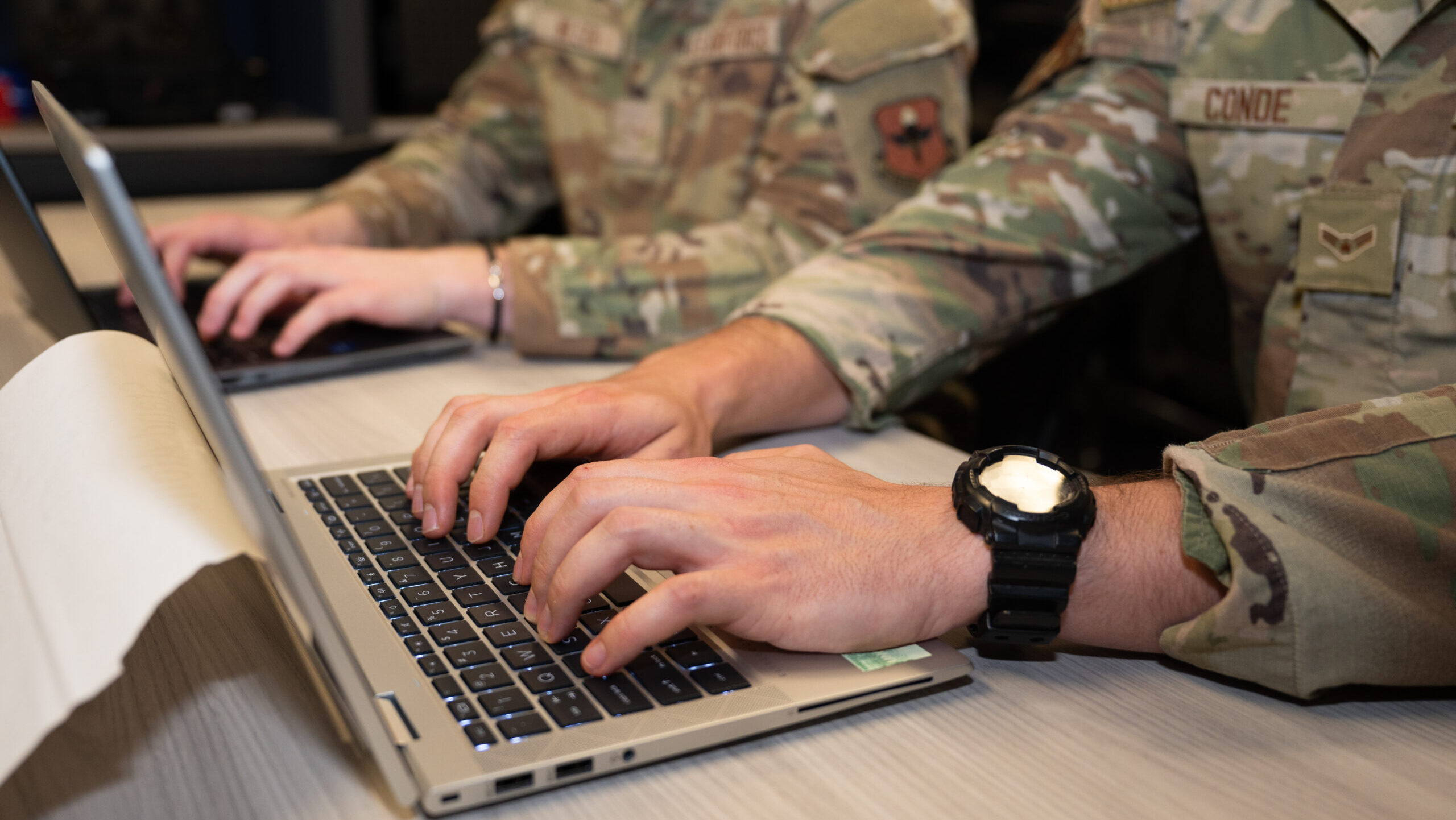
In the service’s inaugural DASH experiment, coders from both industry and the Shadow Operations Center - Nellis (ShOC-N) spent two weeks building "agentic AI" tools that staff officers then tried out in high-pressure conflict scenarios.

A new OpenAI initiative will also “consolidate” the company’s existing work with government clients like the Air Force Research Laboratory, NASA, Los Alamos and the Treasury Department.
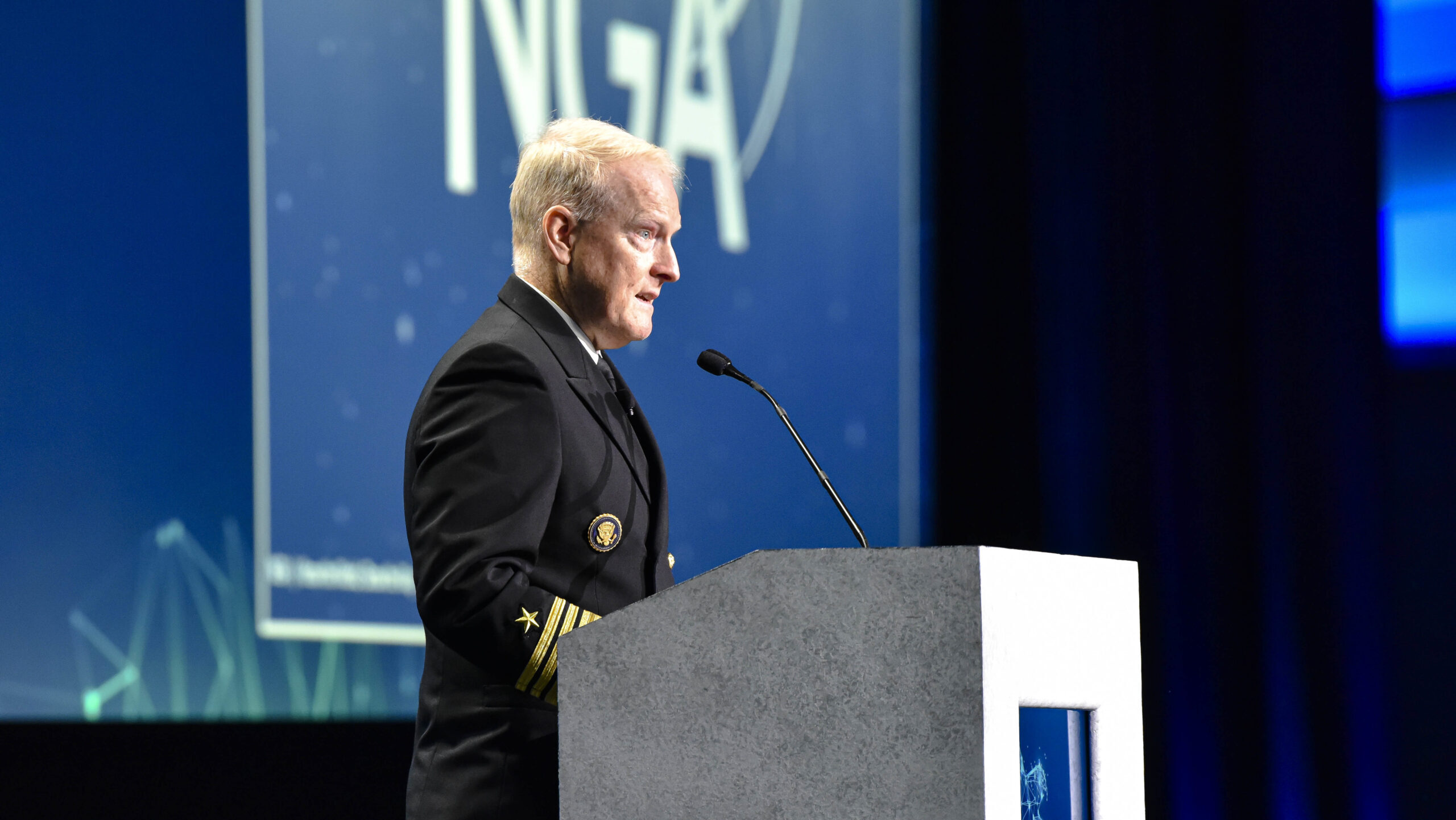
NGA puts a "template" on the products that "literally acknowledges … what you are looking at has not been touched by human hands,” said Director Frank Whitworth. “It's important [for] combat commanders and the Secretary and the President that they have that knowledge.”
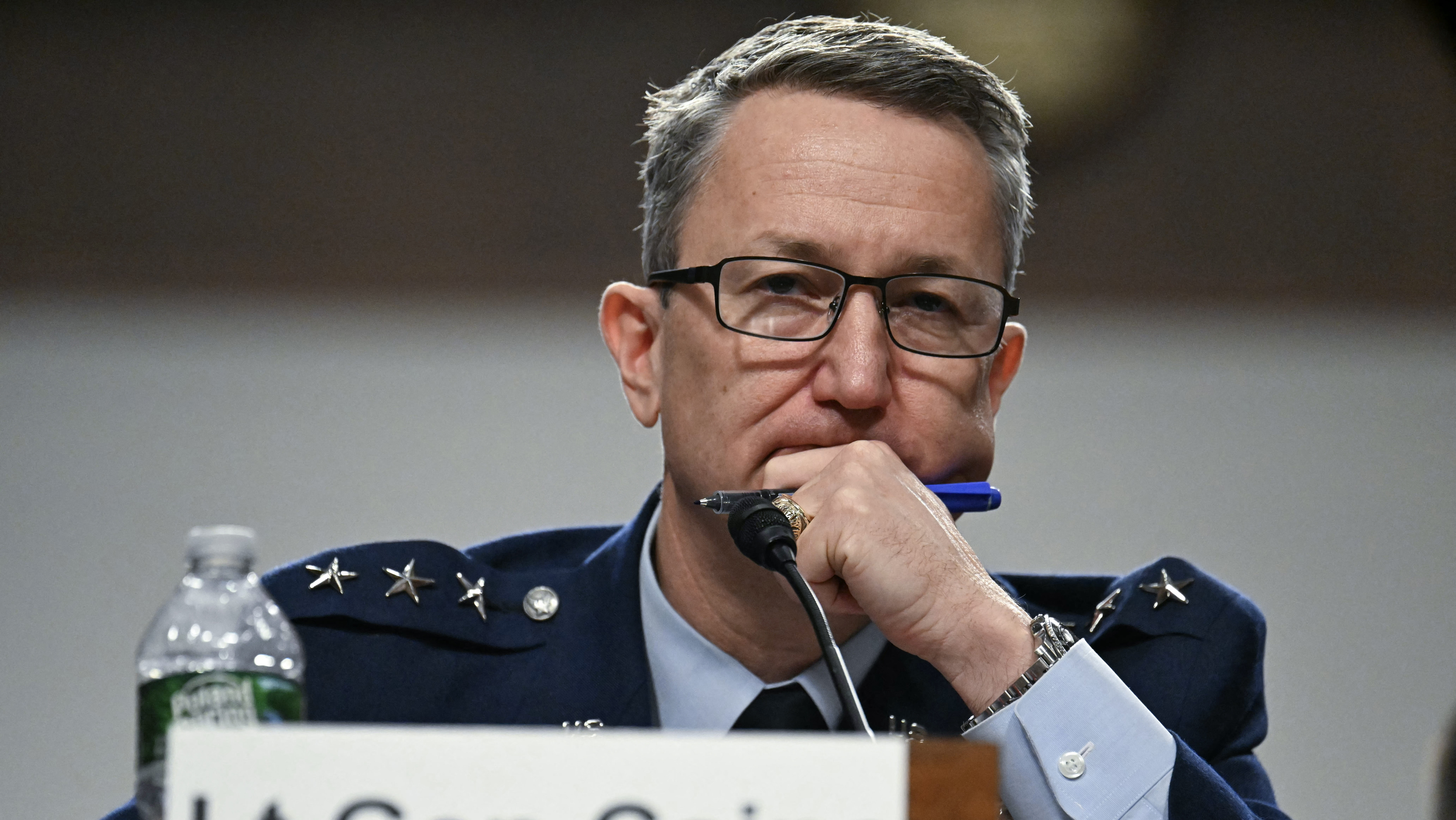
Gen. Dan Caine called for greater collaboration between the Pentagon and industry — building on the Silicon Valley-based Defense Innovation Unit — to speed up new technology, especially for globally integrated command and control.


A commitment to long-term operational value.
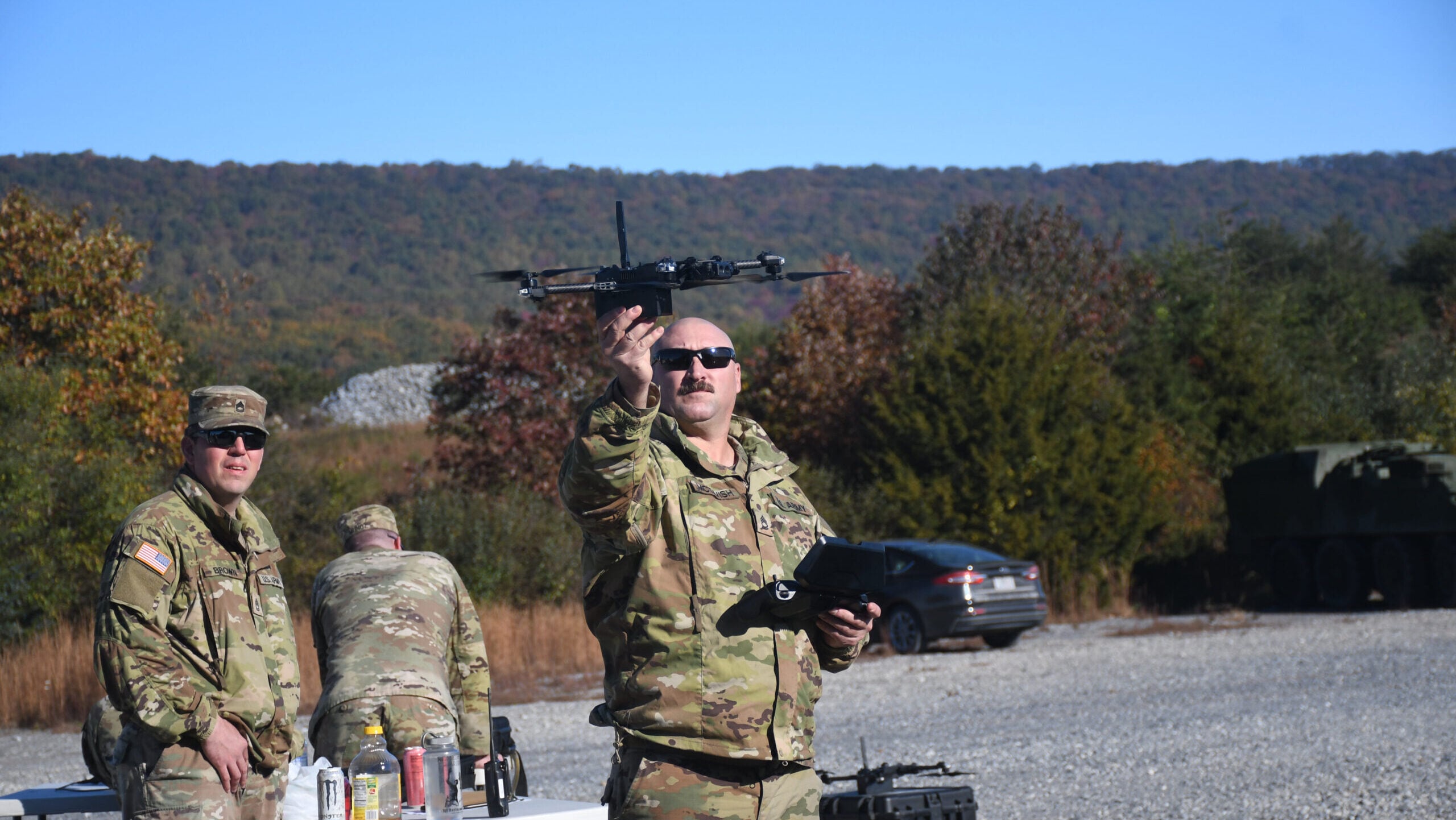
Service leaders worry about base defense, but Gen. David Allvin also asked, "Why don't we think about including that in our Air Force and doing like the Ukrainians do?”
The “Digital OnRamp” will use Large Language Models to recommend which companies’ technologies might meet a given DoD organization’s needs.

The Va.-based company won a “full and open” recompete of the original 2022 Material Fielding & Integrated Product Support (MF & IPS) contract to support the Army’s tactical radios.

The Defense Department will hold an online industry day for interested vendors May 7, issue a Request for Prototype Proposals in early June, and award contracts by mid-September, said Thomas Rondeau, the Pentagon’s director for “FutureG.”