
Passive ground-based sensor networks could bolster air, missile defense resilience: CSIS
Passive sensors do not need to emit energy to find and fix targets, thus, they are harder for adversaries to find, track and target.

Theresa Hitchens is the Senior reporter, Space at Breaking Defense. The former Defense News editor was a senior research associate at the University of Maryland’s Center for International and Security Studies at Maryland (CISSM). Before that, she spent six years in Geneva, Switzerland as director of the United Nations Institute for Disarmament Research (UNIDIR).
A sci-fi geek, voracious reader, enthusiastic cook, dabbler in poetry, Theresa is also the proud mom of a wonderful young man by the name of Nicholas.
Passive sensors do not need to emit energy to find and fix targets, thus, they are harder for adversaries to find, track and target.

A spokesperson for Space Operations Command (SpOC) explained that government-led testing now will commence, but that an updated operational acceptance date "is not yet available."


The Sixth Domain is not defined by geography. It’s a new kind of conflict in which autonomy and networked systems allow thousand-dollar consumer electronics to destroy multi-million-dollar conventional weapons systems.

Pending Senate confirmation, Gen. Thomas Bussiere would become the Air Force's next vice chief of staff, while Lt. Gen. Shawn Bratton has been nominated to fill the Space Force's vice role.

The Senate Armed Services Committee passed its version of the National Defense Authorization Act last week, but details of a $32 billion boost to the topline were only revealed today.

"If the space domain feels pain, the rest of the Joint Force will likely feel that pain as well," said Lt. Col. Shawn Green, commander of the Space Force's 527 Space Aggressor Squadron.

DRACO began life in 2020 with the moniker "Reactor on a Rocket," or ROAR — a name agency scientists later decided might garner negative attention.

Government can’t stop to update systems, so modernization has to happen without interruptions.
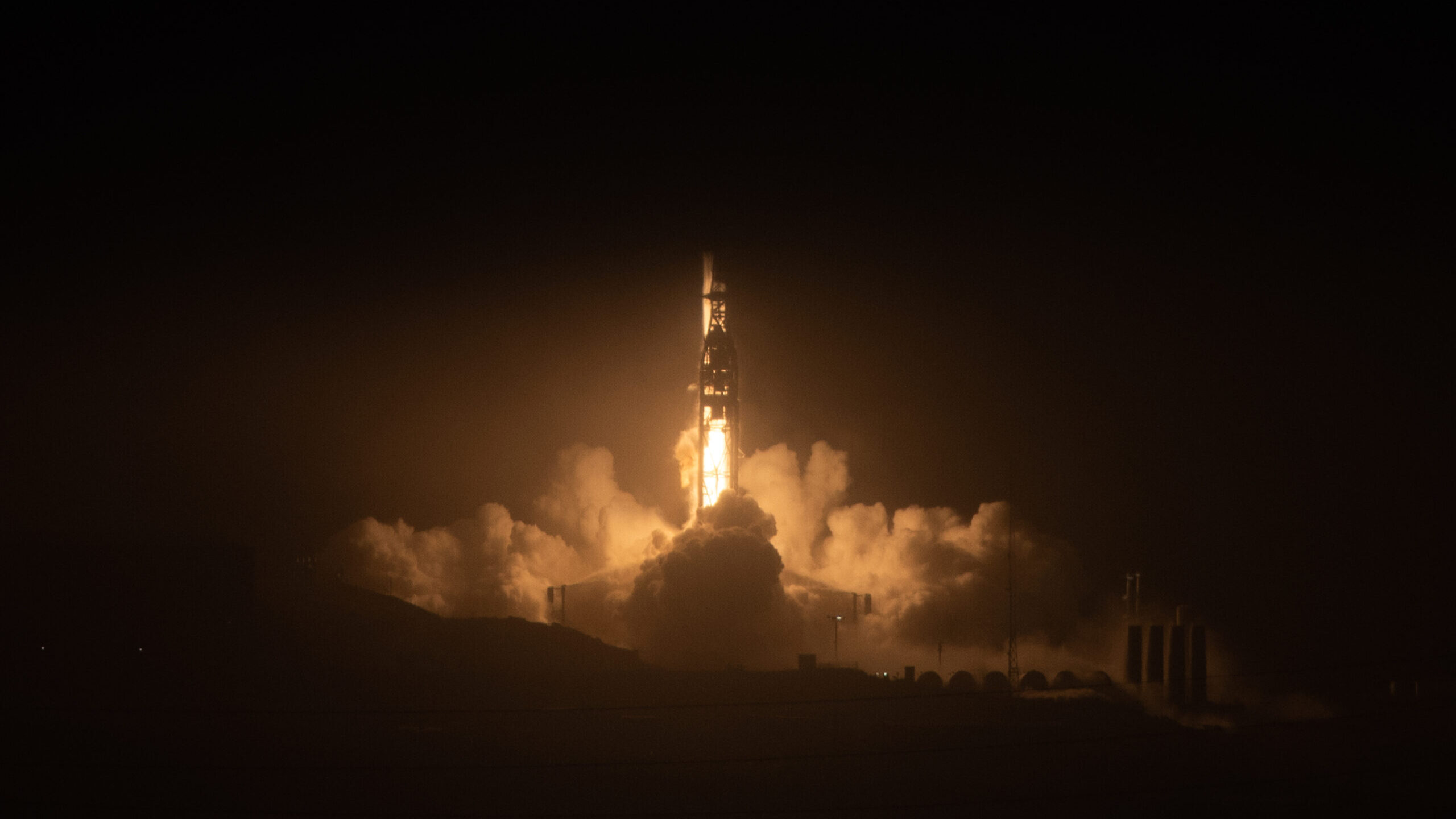
Contracts for the next-generation Tranche 3, which will replace the earliest Transport Layer satellites, have been paused until the Space Force study is completed, five sources with knowledge of the program told Breaking Defense.

The new strategy strongly echoes the US Space Force's Commercial Space Strategy published in April 2024, and copies some of the implementation tools the service has put into place.
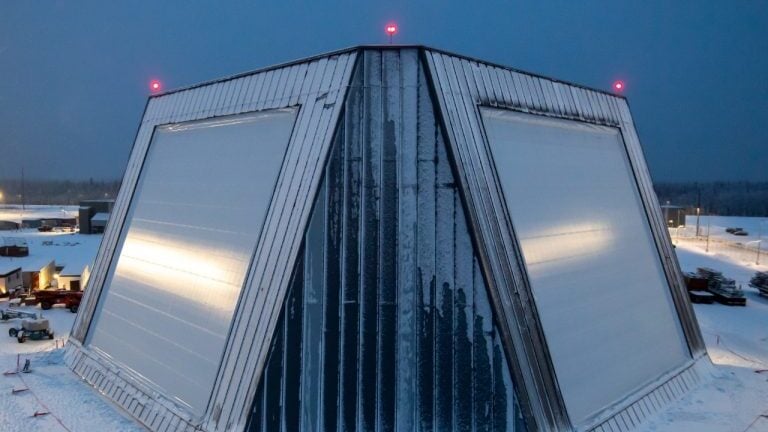
The test, dubbed Flight Test Other-26 (FTX-26), was originally planned for fiscal 2022, and again in 2023.

"[T]his capability is so important to where we're headed in the next couple of years, with having the capacity to make the SCN [Satellite Control Network] stand up to all the new systems that are coming and all the new mission requirements that they're going to have," Hammett told Breaking Defense.


As threats rapidly evolve, digital engineering, manufacturing capacity and robust supply chains are critical to meeting challenges.

"While this type of close approach activity does not automatically signify a military mission, it obviously could provide a co-orbital counterspace capability," expert Victoria Samson told Breaking Defense.

The MILNET contract with SpaceX is being paid for by the Space Force but managed by the National Reconnaissance Office, sources said.
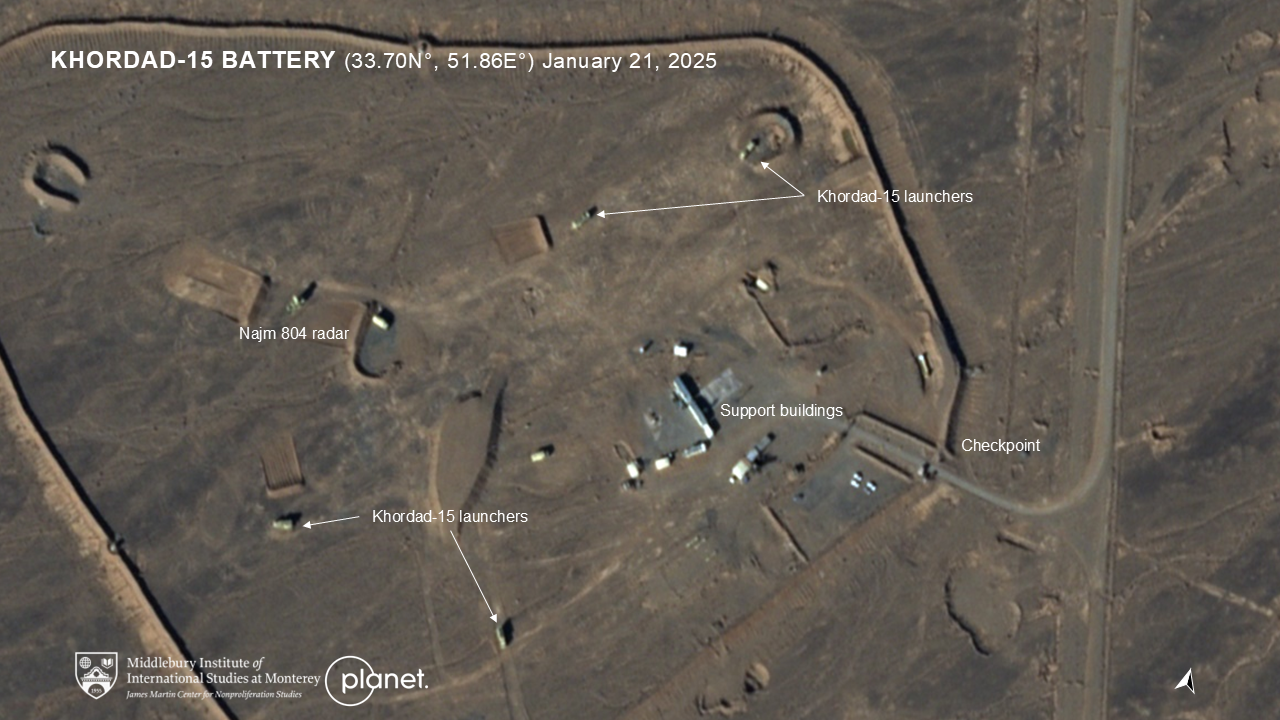
The June 16 letter asserts that the cuts will undercut the Pentagon's Golden Dome plan to create an air and missile defense shield over the US homeland.
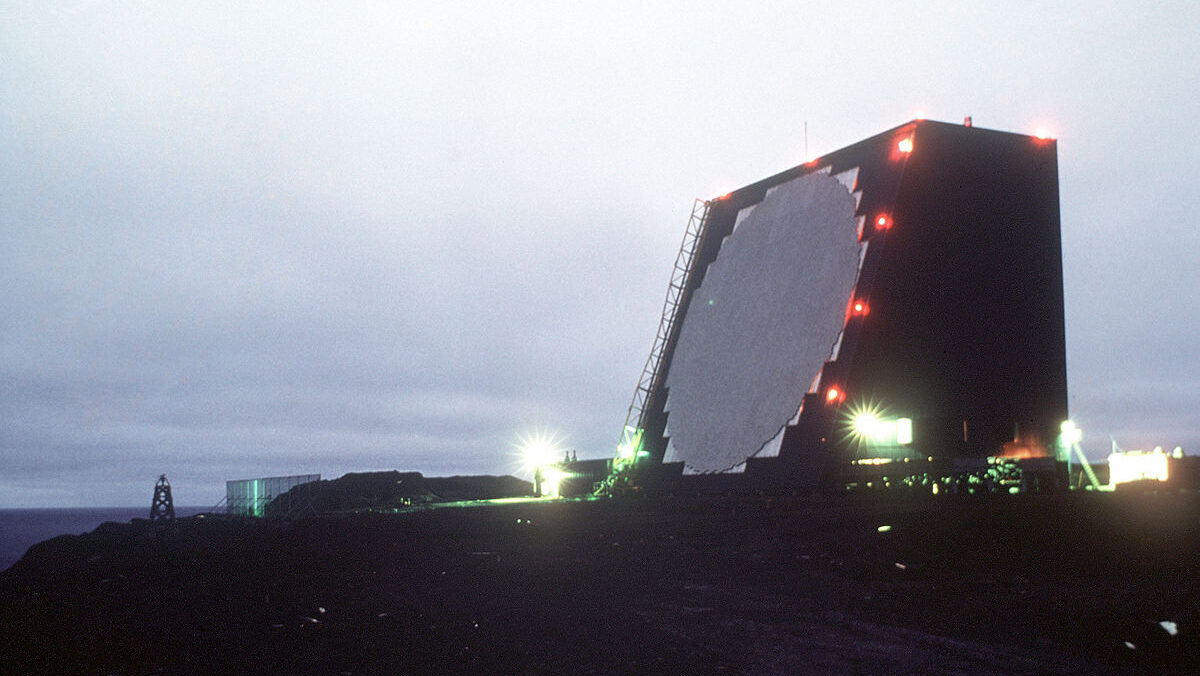
Democrat Sen. Maria Cantwell of Washington, where Boeing is headquartered, continues to raise concerns about potential interference with civil and military aviation.