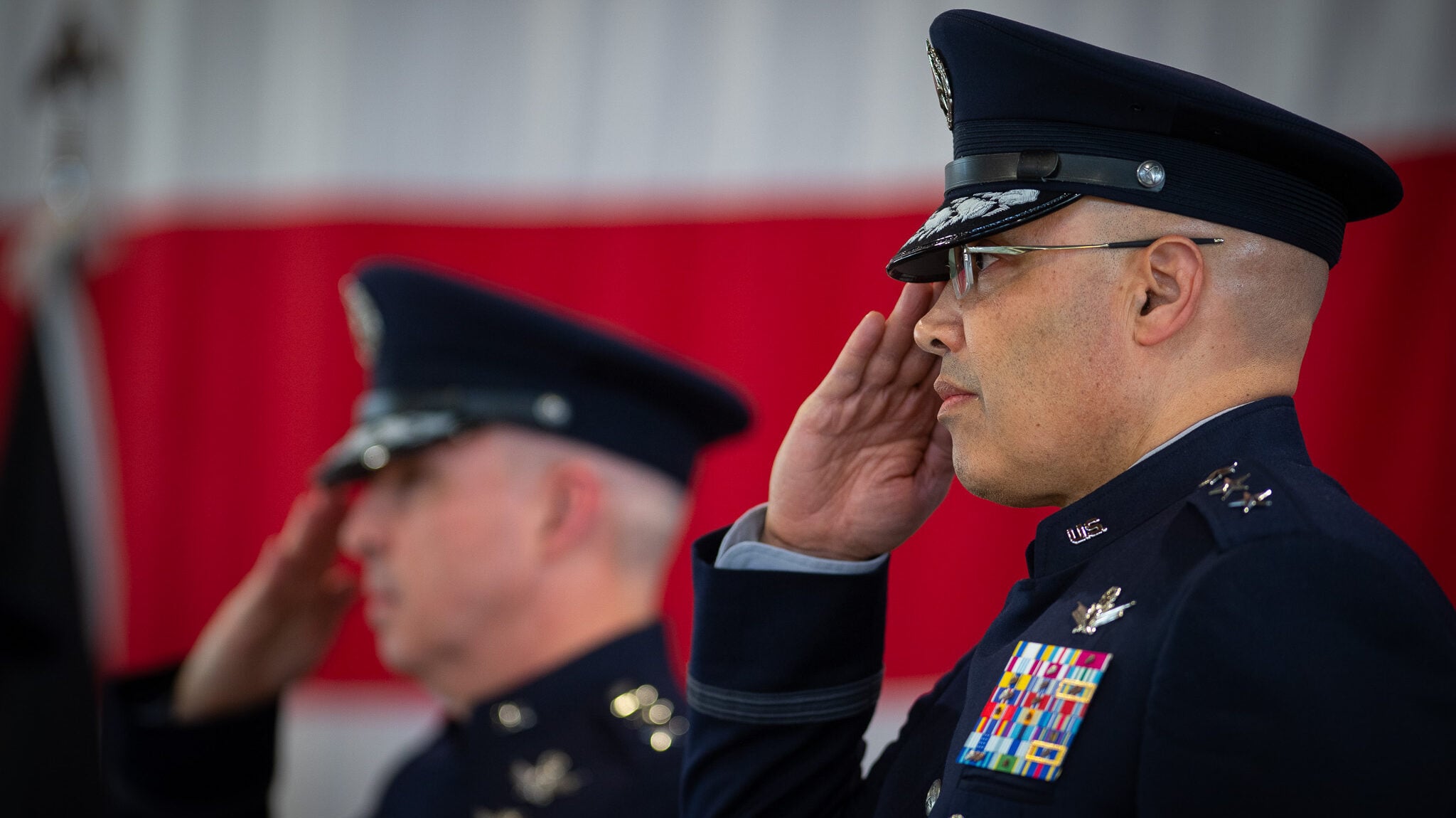
New Space Force ops head pushing ‘aggressive’ moves toward mission ‘integration’
New SpoC head Lt. Gen. David Miller said decisions about new Integrated Mission Deltas are expected "in the coming weeks."

Theresa Hitchens is the Senior reporter, Space at Breaking Defense. The former Defense News editor was a senior research associate at the University of Maryland’s Center for International and Security Studies at Maryland (CISSM). Before that, she spent six years in Geneva, Switzerland as director of the United Nations Institute for Disarmament Research (UNIDIR).
A sci-fi geek, voracious reader, enthusiastic cook, dabbler in poetry, Theresa is also the proud mom of a wonderful young man by the name of Nicholas.
New SpoC head Lt. Gen. David Miller said decisions about new Integrated Mission Deltas are expected "in the coming weeks."

"We are clearly moving away from airborne ISR assets and moving into space. It's the absolute right thing to do from a resiliency and sustainability perspective," Air Force space acquisition czar Frank Calvelli said.

Do more with less: streamline workflows, reduce duplication, invest upfront to save long-term.

"This is not only new; it's astounding. It's shocking. It's a huge change (if adopted)," one industry contractor told Breaking Defense of the proposal.

"Nuclear weapons in space are a really, really dumb idea," said Jessica West of Canadian non-profit Ploughshares, but experts note that with Russia, nothing can ever be fully ruled out.

The agencies said in their joint announcement that the "launch of the two prototype systems will be followed by two years of on-orbit testing."

"It's not going to be like a 'boom' milestone delivery where one day there's nothing and the next day, there's a finished system," Richard DalBello, director of the Office of Space Commerce, said of the swap from DoD to Commerce.

Government can’t stop to update systems, so modernization has to happen without interruptions.
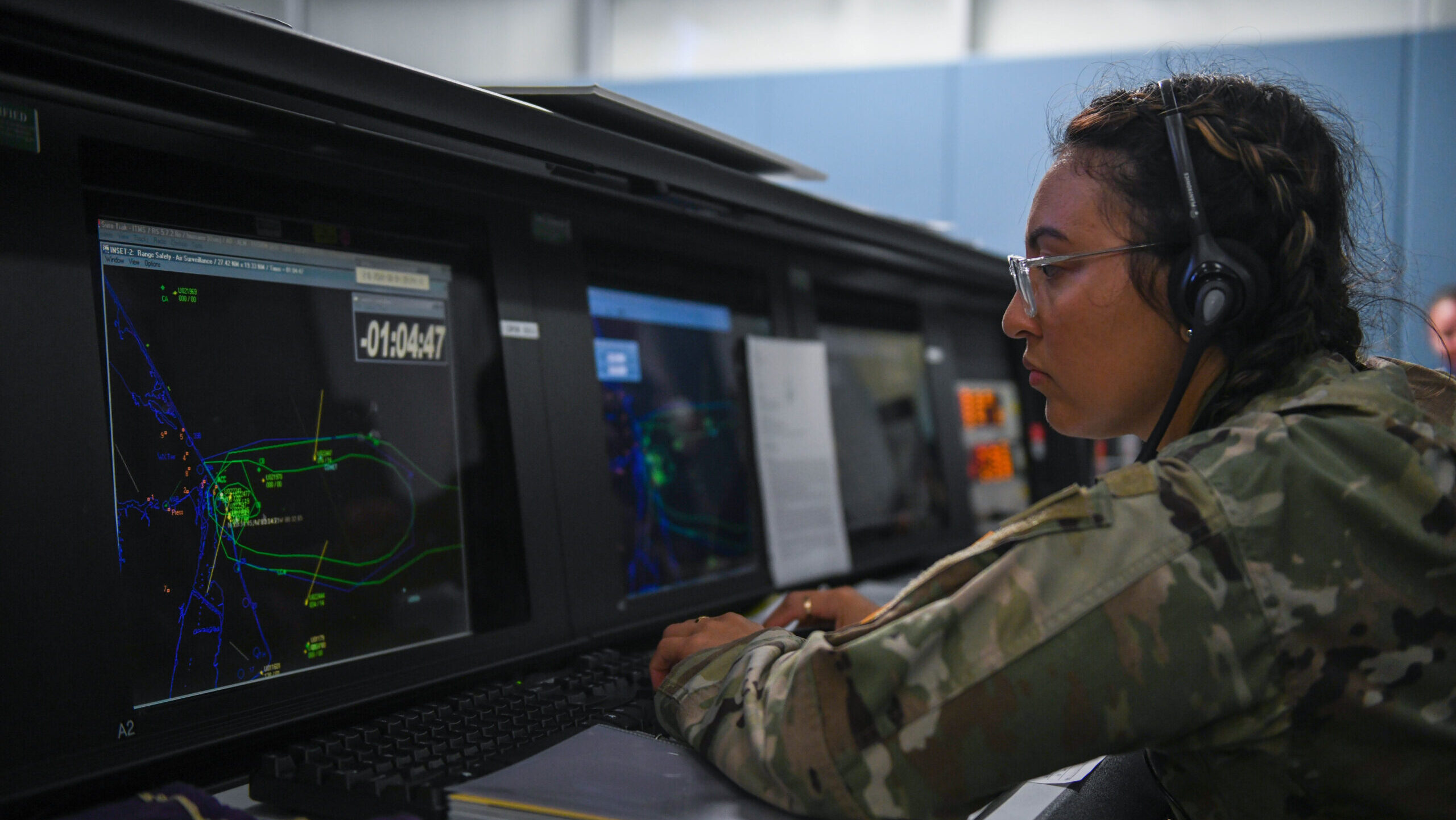
The combat squadron arrangement aligns the Space Force with how the Air Force, Army and Navy present and deploy forces to combatant commands, such as Indo-Pacific and European Command, said Lt. Gen. Doug Schiess, head of Space Forces-Space.
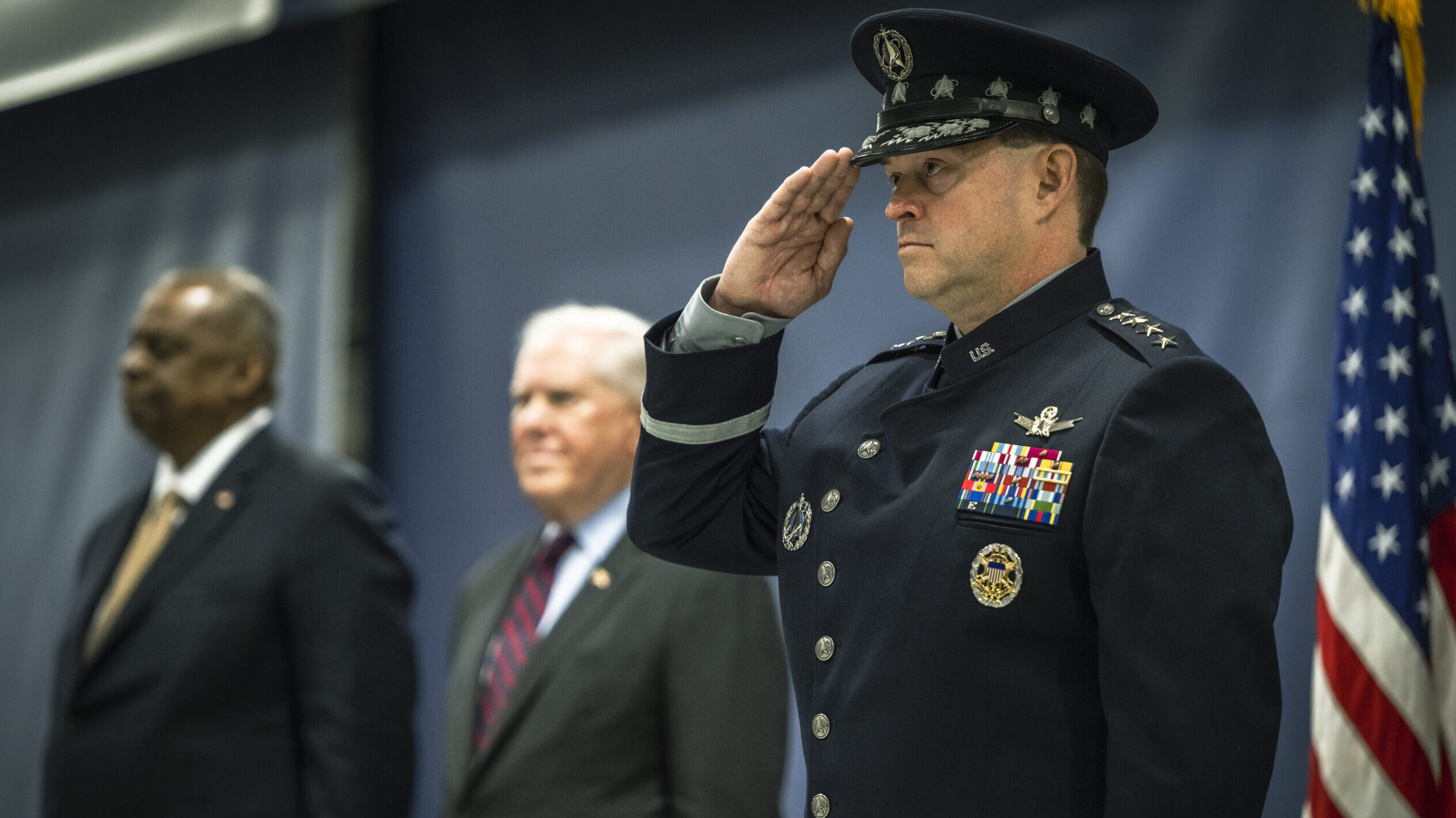
Chief of Space Operations Gen. Chance Saltzman said the new Futures Command will not just be looking at what new capabilities the Space Force should build, own and operate, but also at how commercial tech, systems and services can fill some needs.

Under the "reoptimizing" effort, changes are coming across the Department of the Air Force, from new training approaches to the establishment of high-level offices.

The company, a Google off-shoot, characterizes its Spacetime software as the "digital cartilage and autonomous brain" that can bring to life DoD's JADC2 concept linking sensors and shooters across all domains.

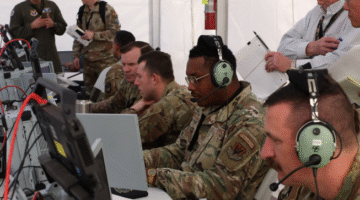
As threats rapidly evolve, digital engineering, manufacturing capacity and robust supply chains are critical to meeting challenges.
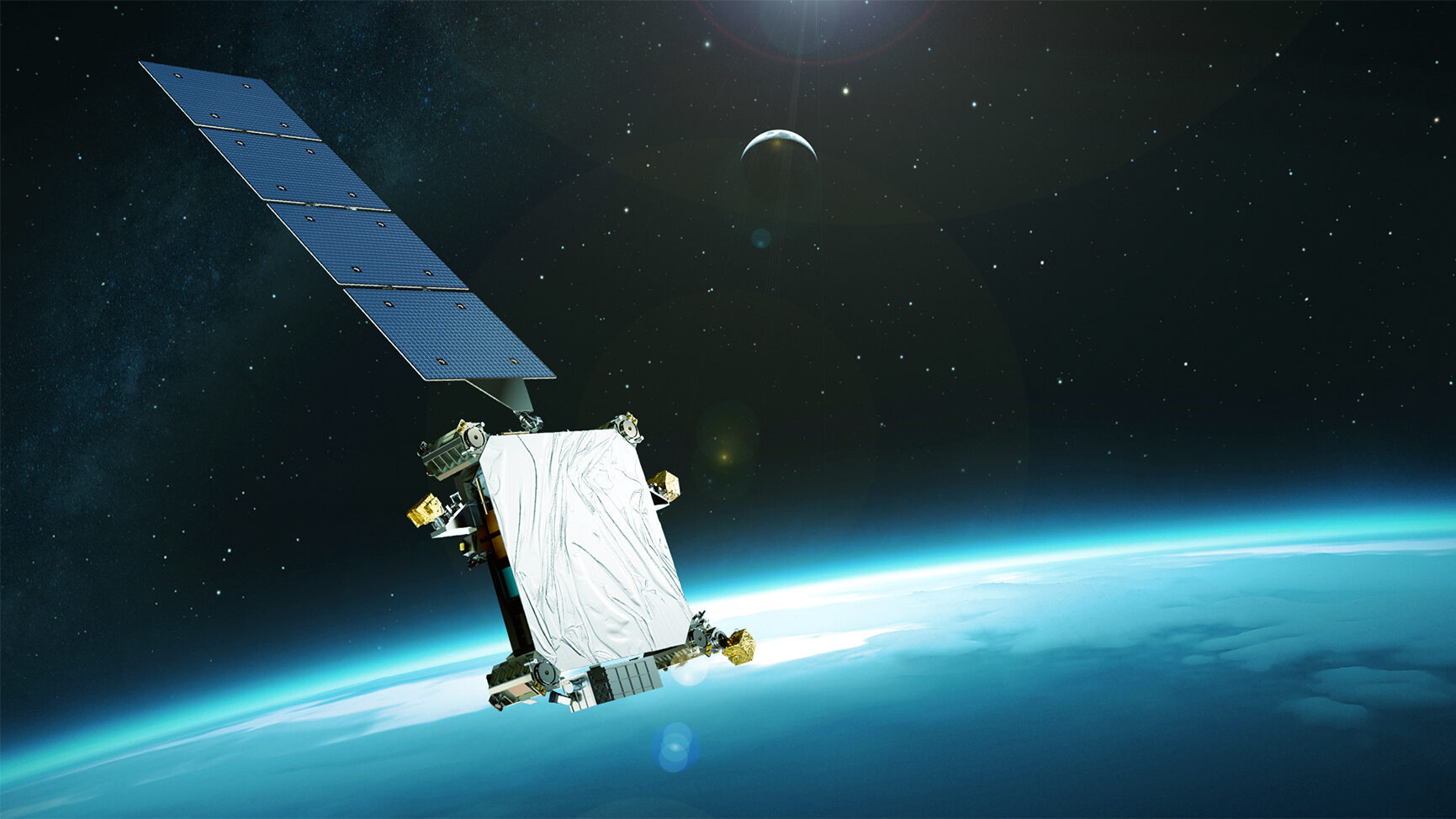
While GEOST has made infrared sensors for classified systems in the ones and twos, the new contract will involve building infrared sensors designed to be used in a larger constellation, LightRidge CEO Bill Gattle told Breaking Defense.

While Kuva Space's while full constellation of 100 satellites won't be ready until 2030, the firm can "start providing reliable service to commercial and government customers in the US and our partner nations" once the first two are up, said Jerry Welsh, board member of Kuva's new US arm.
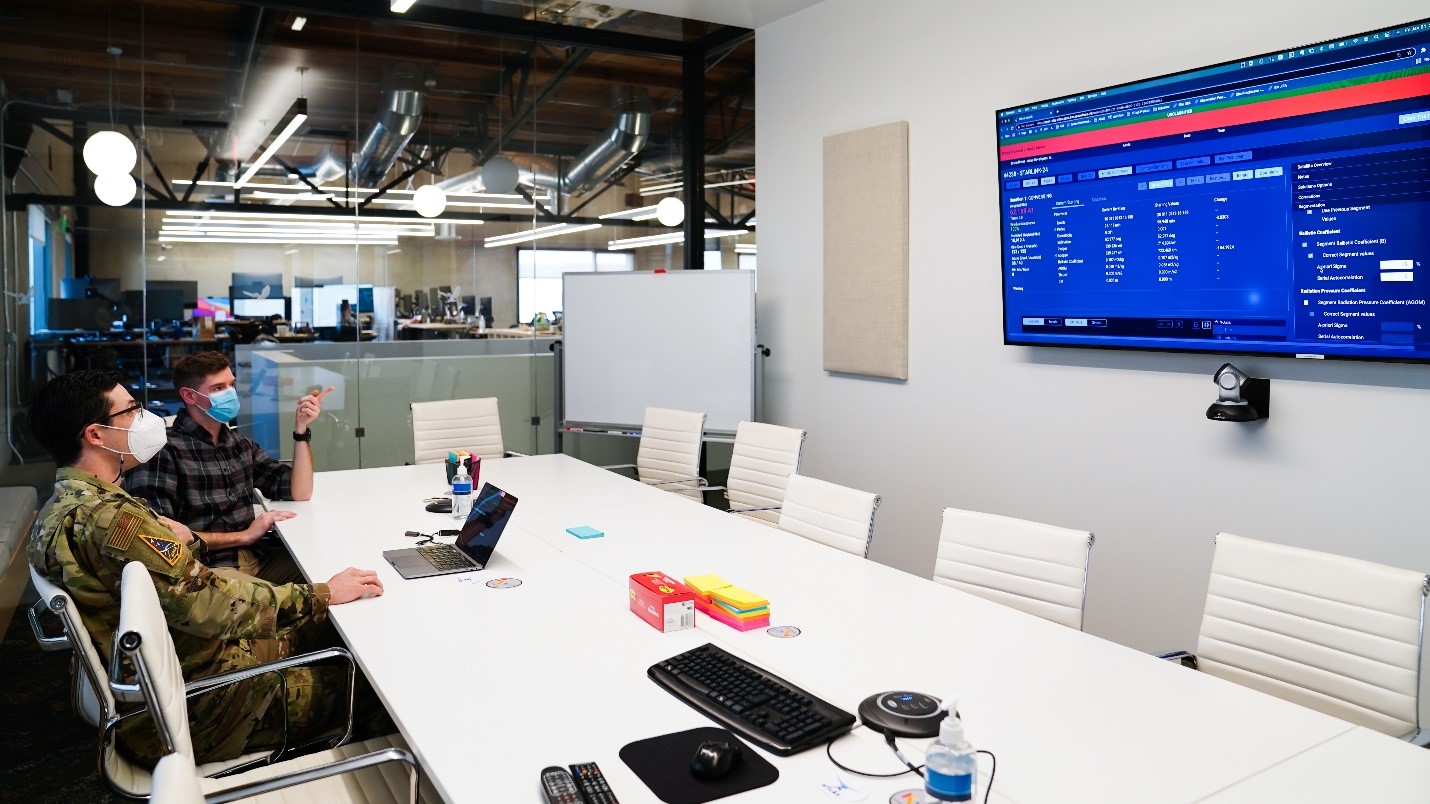
"[P]roduct development has been slower than anticipated, and the projected date to decommission SPADOC continues to extend further to late FY24, a delay of more than two years from the original timeline," according to the 2023 Annual Report of the Pentagon's Director of Operational Test & Evaluation.
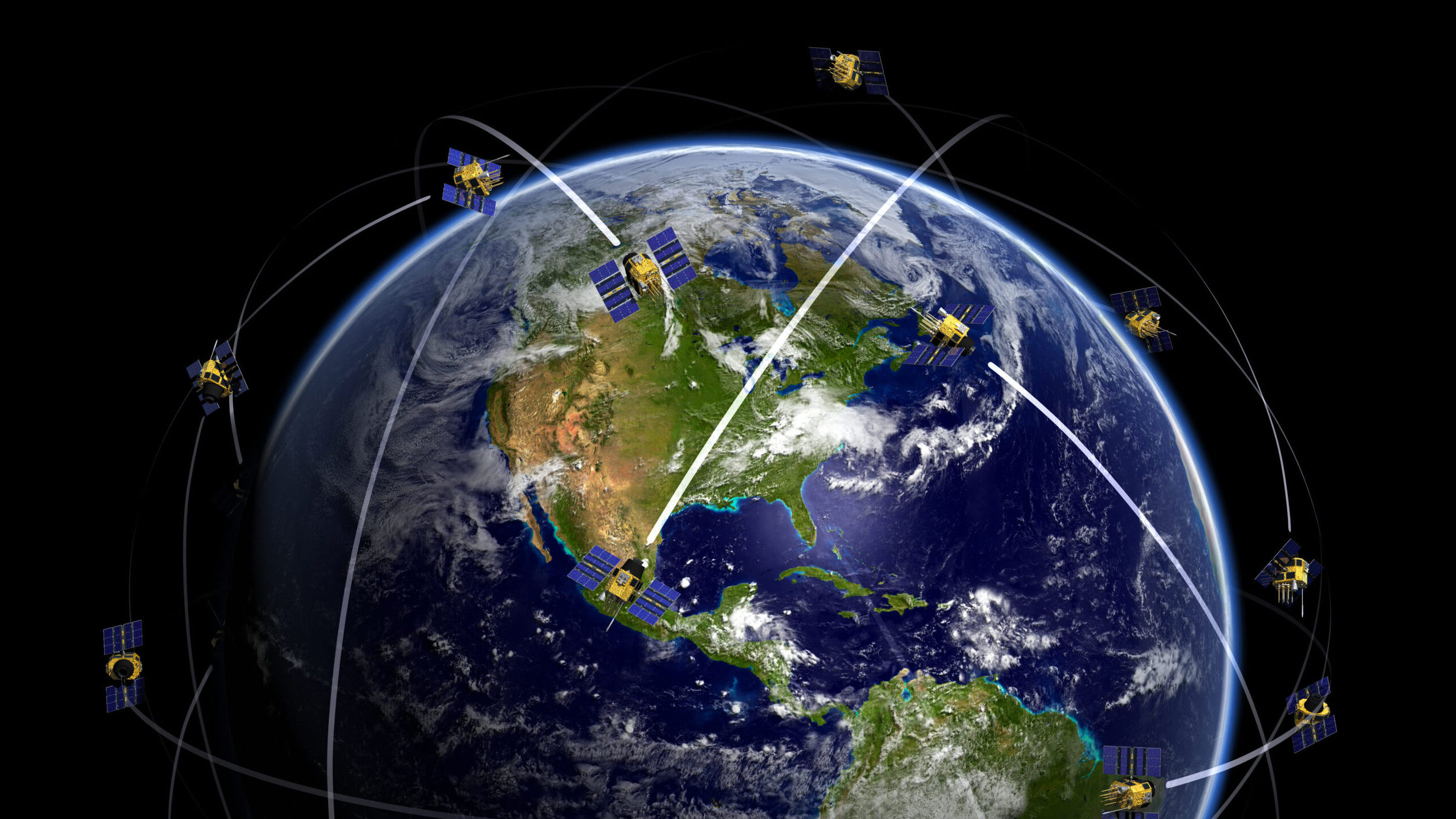
The continuing delays in making the GPS jam-resistant M-Code signal available to military users "increase risk that U.S. and allied warfighters will be unable to conduct successful operations in future contested environments due to the lack of access to modernized GPS position, navigation, and timing (PNT) information," the 2023 Annual Report of the Director of Operational Test & Evaluation finds.