
Army plans to field first next-gen Sentinel A4 radar in late 2025
The Army and Lockheed Martin already have seen early interest among US allies and partners in the new Sentinel A4 radar.

Theresa Hitchens is the Senior reporter, Space at Breaking Defense. The former Defense News editor was a senior research associate at the University of Maryland’s Center for International and Security Studies at Maryland (CISSM). Before that, she spent six years in Geneva, Switzerland as director of the United Nations Institute for Disarmament Research (UNIDIR).
A sci-fi geek, voracious reader, enthusiastic cook, dabbler in poetry, Theresa is also the proud mom of a wonderful young man by the name of Nicholas.
The Army and Lockheed Martin already have seen early interest among US allies and partners in the new Sentinel A4 radar.
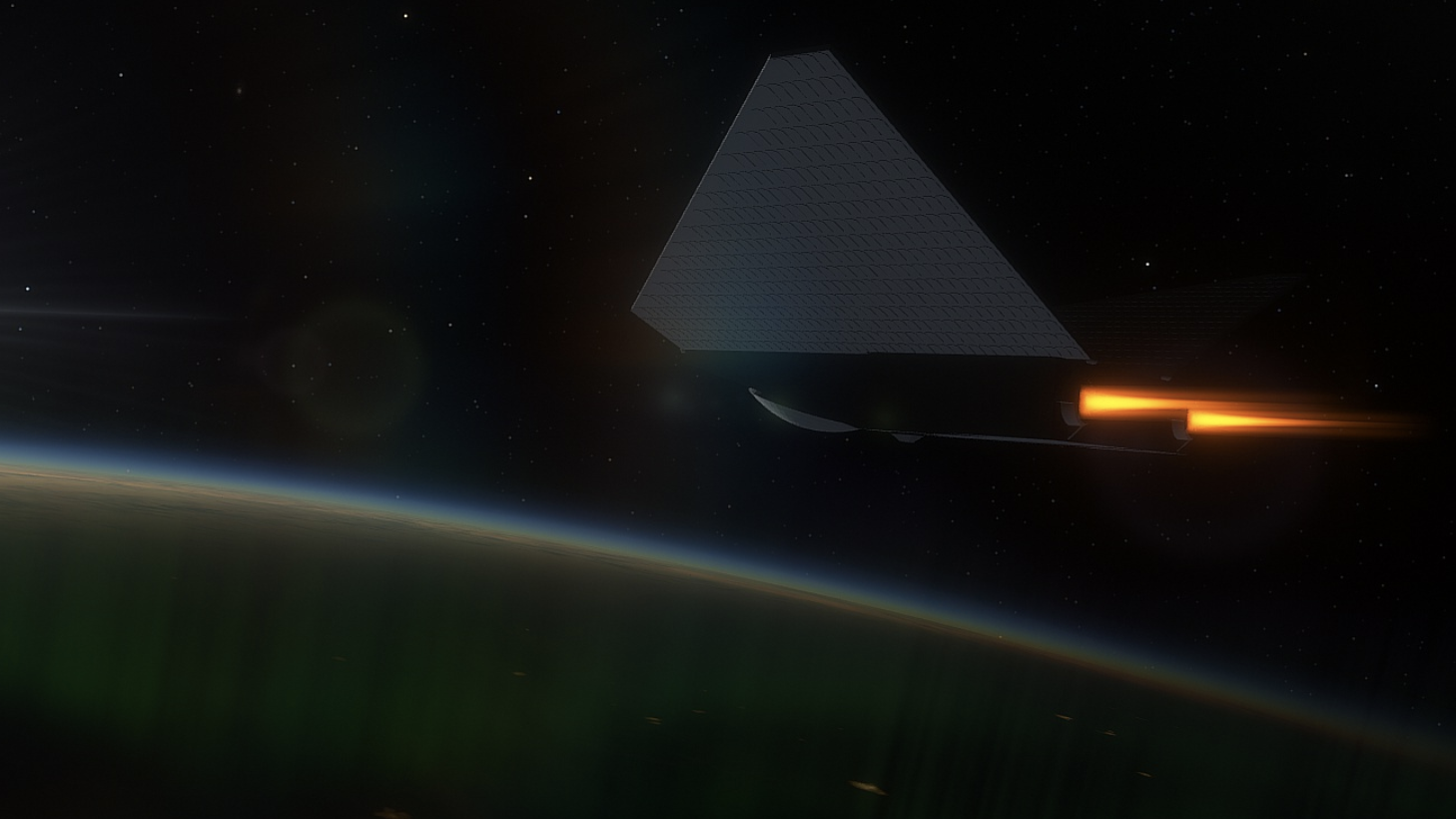
"Right now, the position of my combatant commander is: 'I wanna move, I wanna refuel, I wanna have life-extension and I wanna live'," SpRCO Director Kelly Hammett told Breaking Defense.

Why edge and endpoint security can’t be an afterthought.

Interested companies have until Dec. 15 to respond to the service's dual requests for proposals: one for the critical, high-dollar NSSL Phase 3 Lane 2 launches; and the other for Lane 1 small launches.

Comtech President and CEO Ken Peterman told Breaking Defense the contract for the Army's Enterprise Digital Intermediate Frequency Multi-Carrier (EDIM) modem paves the way toward helping the Space Force in its struggle to figure out how to integrate ground systems for the myriad military and commercial SATCOM networks used by US forces around the world so as to ensure 24/7 access to needed communications bandwidth.

The contract, announced by the company today, will support Space Systems Command's Program Executive Office for Space Sensing, which is responsible for the service's missile warning, weather monitoring and "persistent tactical surveillance" programs.
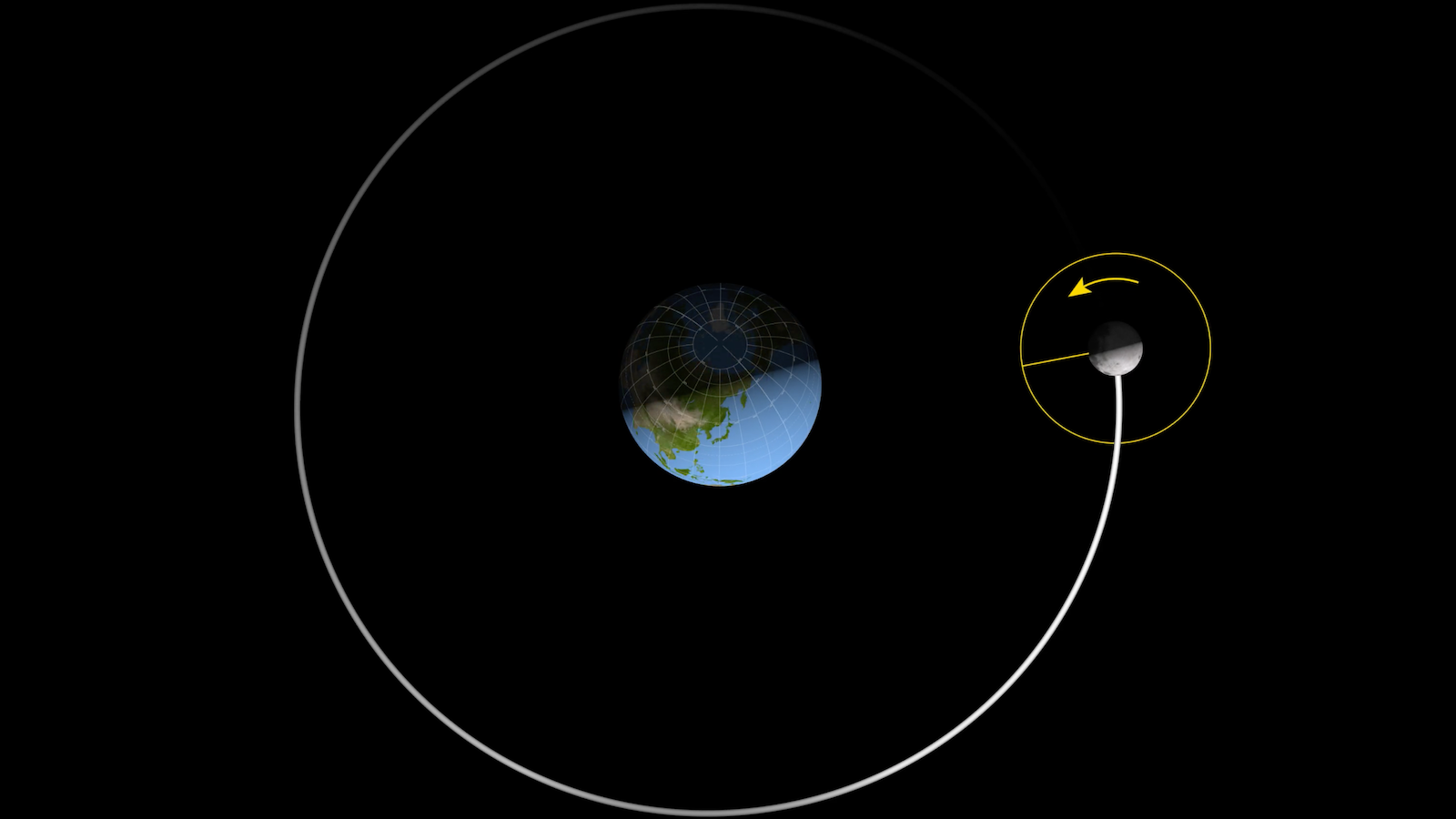
The Space Force sees nuclear fission reactors as a solution to replace solar panels for operations in the darkness of deep space.

Reducing cognitive overload on warfighters while improving “time to trust” for autonomous systems is a matter of design.

"It will provide commercial SATCOM subscription services, which include SATCOM coverage in different locations, terminals, bandwidth, training if required by the unit and help desk services," Paul Mehney, public communications director for Army PEO C3T, told Breaking Defense.

Amid the political clash and a lawmaker's call for yet another investigation, Air Force Secretary Frank Kendall revealed that he and SPACECOM leader Gen. Jim Dickinson also disagreed over where the new HQ should be.
A future challenge for the R2C2 program will be figuring out how it fits under the Pentagon's overarching Joint All Domain Command and Control (JADC2) efforts, Kelly Hammett, director of the Space Rapid Capabilities Office, told Breaking Defense.
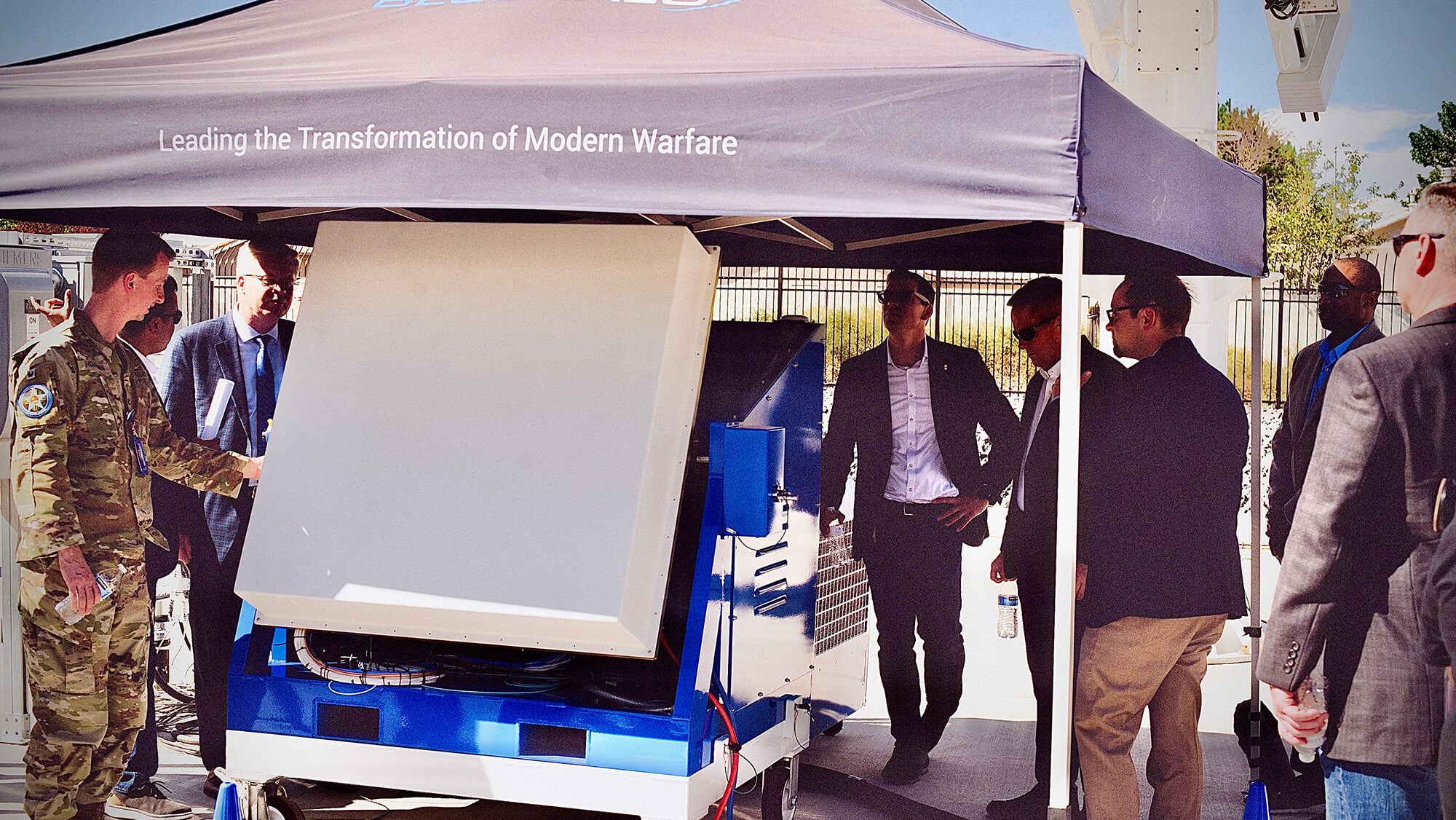
BADGER's first demonstration, held in late August, "marks the first end-to-end test of the steerable phased array modules and software," Col. Greg Hoffman, of SpRCO's Strategic Capabilities Acquisition Delta, said.

It's been a whirlwind of a year — and the defense establishment has plenty of thoughts on how it's unfolded and what might come next.

"Commercial data, commercial processing is not classified. It does not matter that the DoD wishes it were," said Barbara Golf, special advisor to Space Systems Command.
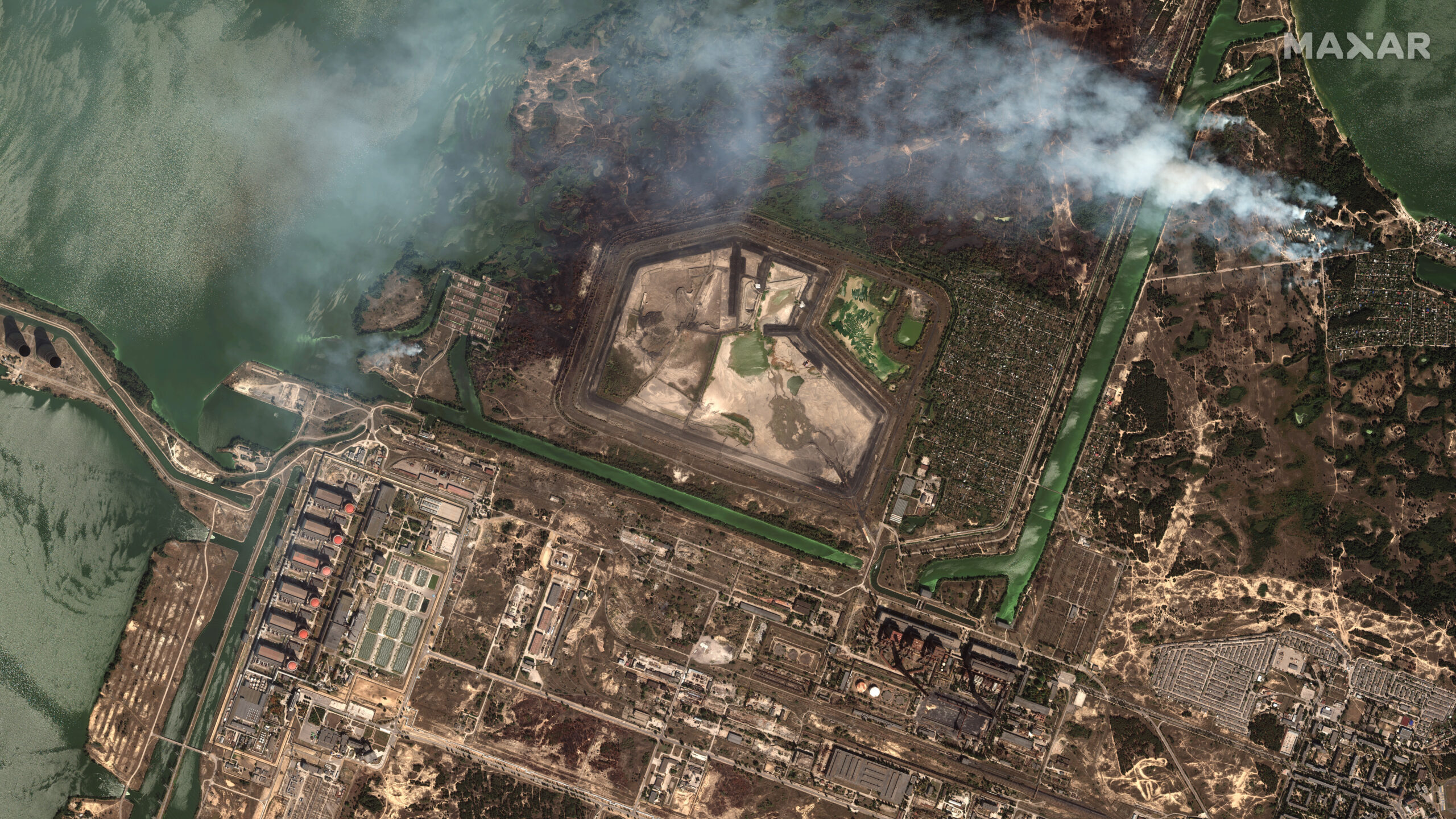
One Maxar official told Breaking Defense today that Maxar's "mission focus" on NRO will not be affected by the split up.

"It can't just be a strategy with aspirational platitudes about how we're going to work together," Chief of Space Operations Gen. Chance Saltzman said. "It has to have more tangible guidance, things that we can take action on."

The space operations chief wants systems that can gather "exquisite, high fidelity information about what's going on" in geosynchronous Earth orbit "and beyond," more sensors in the Southern Hemisphere to keep an eye on low Earth orbit and — critically — a better way to fuse data.