
UN takes ‘parallel’ paths on space security amid geopolitical rift
One new working group, led by the UK and US, will focus on norms; the other, led by Russia and China, will draft legal treaty.

Theresa Hitchens is the Senior reporter, Space at Breaking Defense. The former Defense News editor was a senior research associate at the University of Maryland’s Center for International and Security Studies at Maryland (CISSM). Before that, she spent six years in Geneva, Switzerland as director of the United Nations Institute for Disarmament Research (UNIDIR).
A sci-fi geek, voracious reader, enthusiastic cook, dabbler in poetry, Theresa is also the proud mom of a wonderful young man by the name of Nicholas.
One new working group, led by the UK and US, will focus on norms; the other, led by Russia and China, will draft legal treaty.
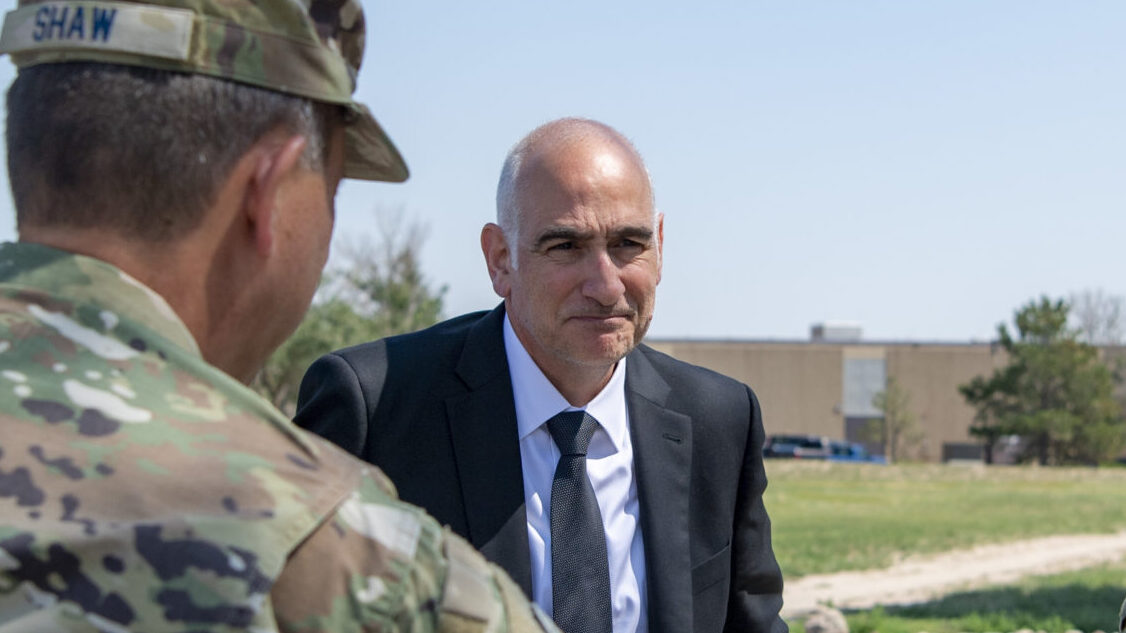
"Big software developments fail," said Air Force space acquisition czar Frank Calvelli. "You have to go to smaller systems."

Breaking Defense Europe will launch May 4 with Tim Martin and Elisabeth Gosselin-Malo as co-editors.
MARS is replacing the 1980s-era database, called the Military Intelligence Integrated Database, used by DIA for its primary mission of providing foundational military intelligence to warfighters and national security decision-makers.

The planned launches, which will take place starting in FY26, include sending a second SILENTBARKER watchdog satellite jointly developed by the service and the National Reconnaissance Office to geosynchronous Earth orbit (GEO).

The goal of the accelerator is to bring industry, government and academia together to integrate SDA computer systems to "fully leverage" data from myriad sources across the Defense Department, the Intelligence Community, other government agencies, allies and commercial firms — a seemingly unsolvable problem that has bedeviled the Pentagon for decades.
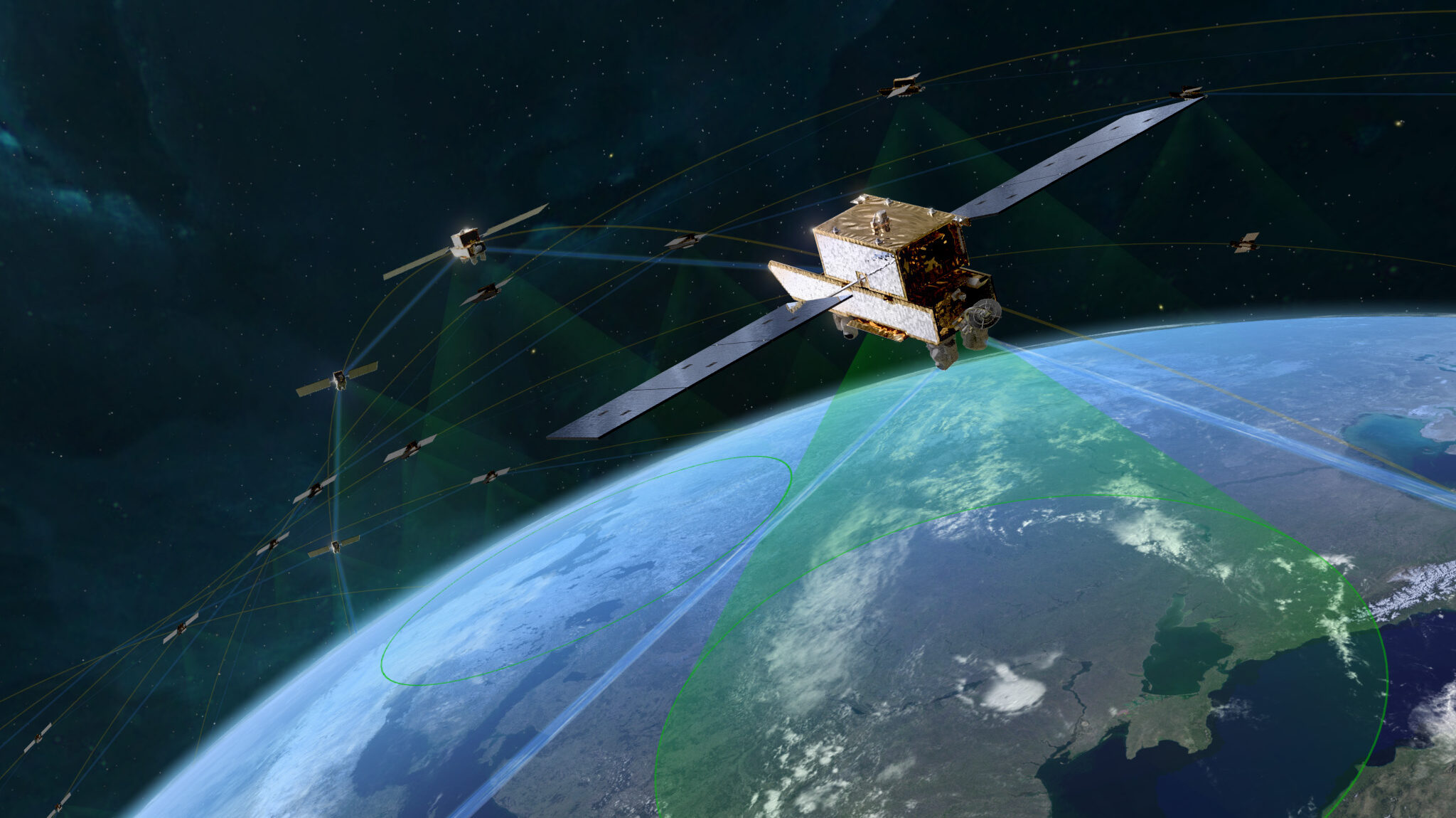
The contract includes 36 Tranche 2 Transport Layer - Alpha satellites and supporting ground elements, as well as five years of operations and sustainment.
Government can’t stop to update systems, so modernization has to happen without interruptions.
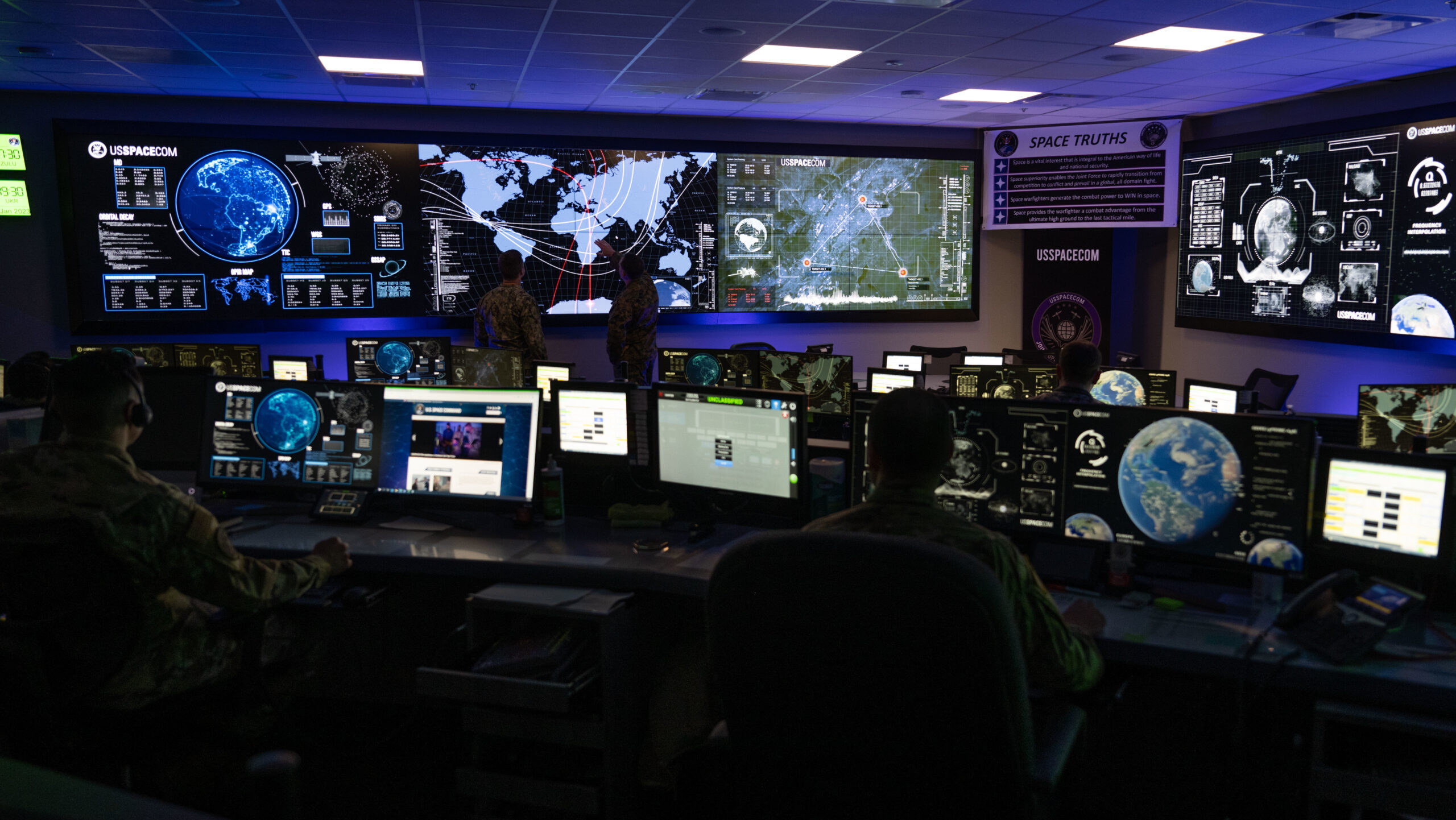
The new version of Joint Publication 3-14 explains that "offensive and defensive space operations" are supported primarily by "direct capabilities" — that is, "fires that impact an adversary."
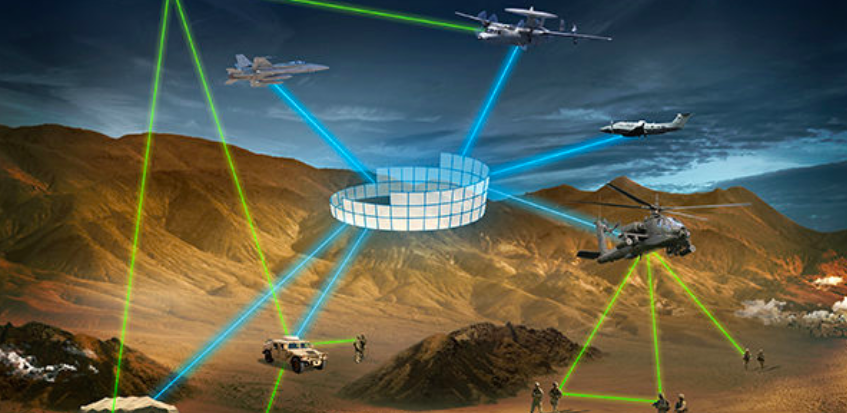
The Space Development Agency has won International Telecommunication Union approval to test the Transport Layer birds over international waters and the territory of an unnamed allied nation.

While this may be the first CRADA's between the two Indian space startups and the Space Force, neither company is a stranger to the US space market ecosystem.

Brig. Gen. Jason Cothern, Space Systems Command deputy commander, said that the new deltas will be organized along the same lines as SSC's current Acquisition Deltas.

Do more with less: streamline workflows, reduce duplication, invest upfront to save long-term.
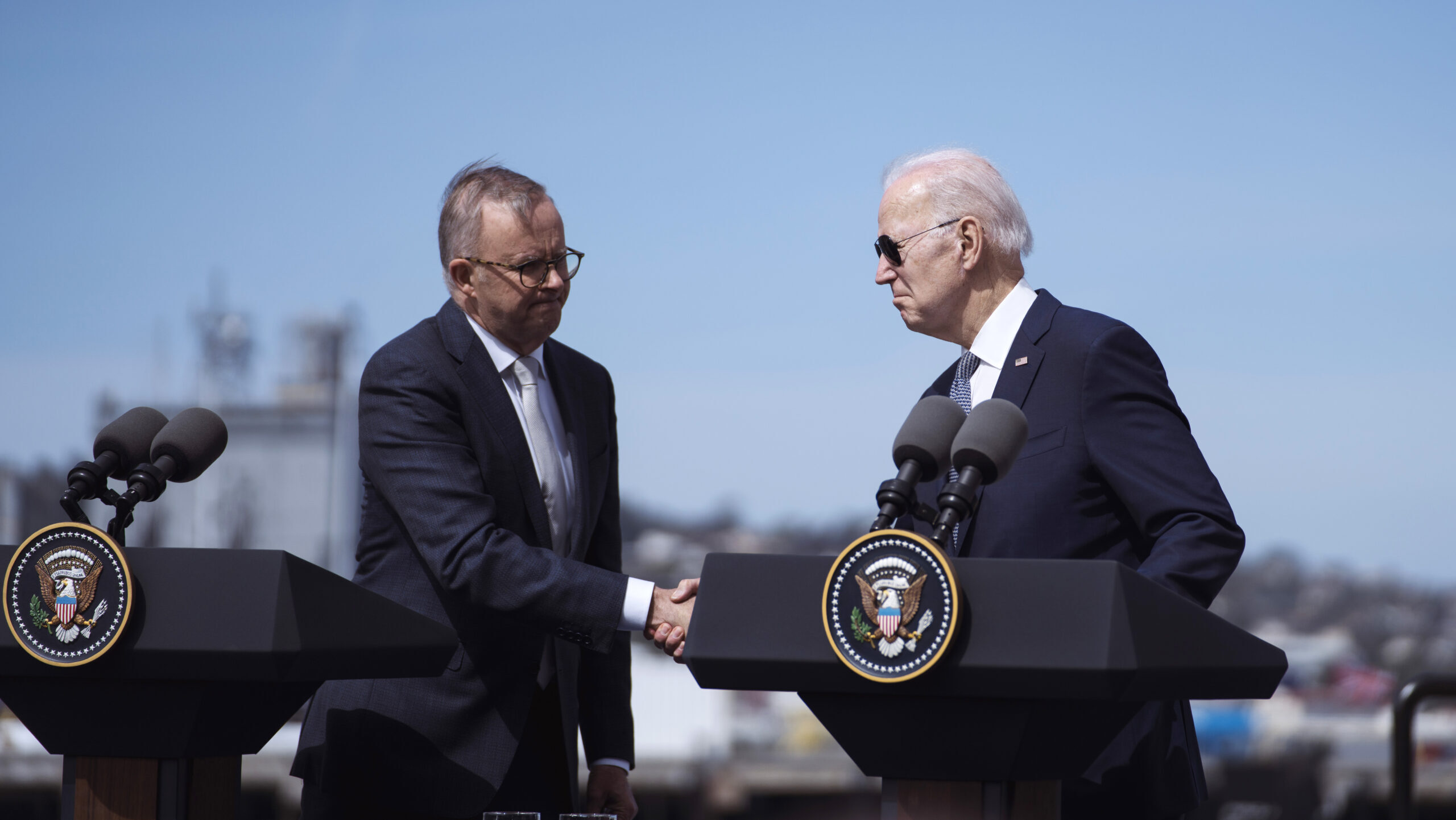
"We need launch capabilities in the Southern Hemisphere," said Deanna Ryals, director of international affairs at the Space Force's Space Systems Command, recently.

The "baseline" MEO missile warning/tracking configuration providing global coverage will include "approximately 27 satellites," said SSC program lead Col. Heather Bogstie.

Brig. Gen. Jason Cothern, Space Systems Command deputy, said the service is looking "to incorporate capability-based contracts to include emerging p-LEO services, commercial X-band, space-to-cellular and small maneuverable GEO satellites, trying to stay ahead of the threat and also taking advantage of the commercial capabilities as they arise."

"Here's the beauty of the spiral development program. I don't know what Tranche 3 looks like. All I know is it's more of what was on Tranche 2, and it is most likely going to be new capabilities," SDA Director Derek Tournear said Thursday. "I don't want to define what those capabilities are now."