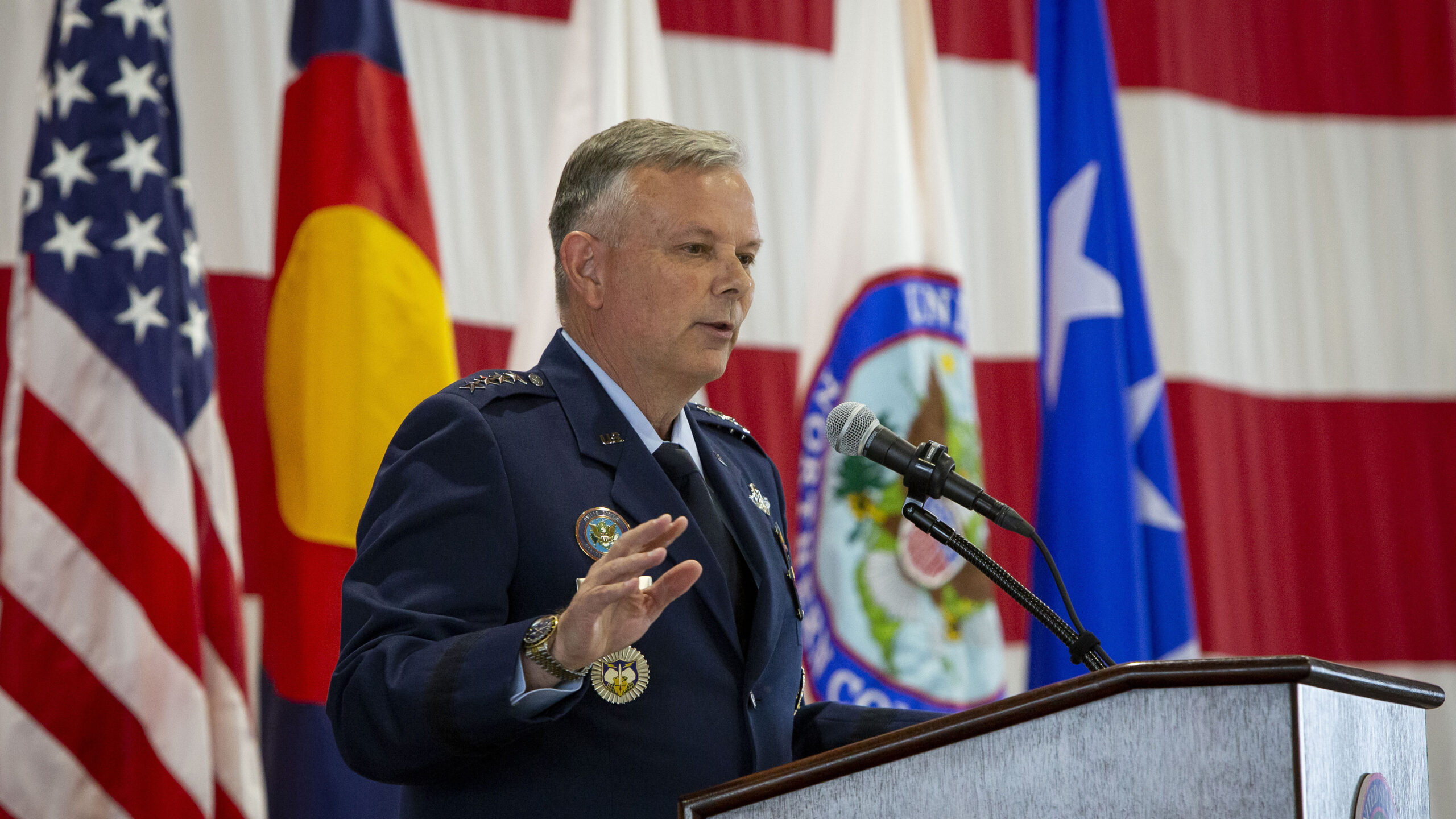
Pentagon mulling new critical infrastructure defense ops plan: VanHerck
"I think the future of homeland defense looks vastly different than it does today," NORTHCOM/NORAD Commander Gen. Glen VanHerck said Thursday.

Theresa Hitchens is the Senior reporter, Space at Breaking Defense. The former Defense News editor was a senior research associate at the University of Maryland’s Center for International and Security Studies at Maryland (CISSM). Before that, she spent six years in Geneva, Switzerland as director of the United Nations Institute for Disarmament Research (UNIDIR).
A sci-fi geek, voracious reader, enthusiastic cook, dabbler in poetry, Theresa is also the proud mom of a wonderful young man by the name of Nicholas.
"I think the future of homeland defense looks vastly different than it does today," NORTHCOM/NORAD Commander Gen. Glen VanHerck said Thursday.
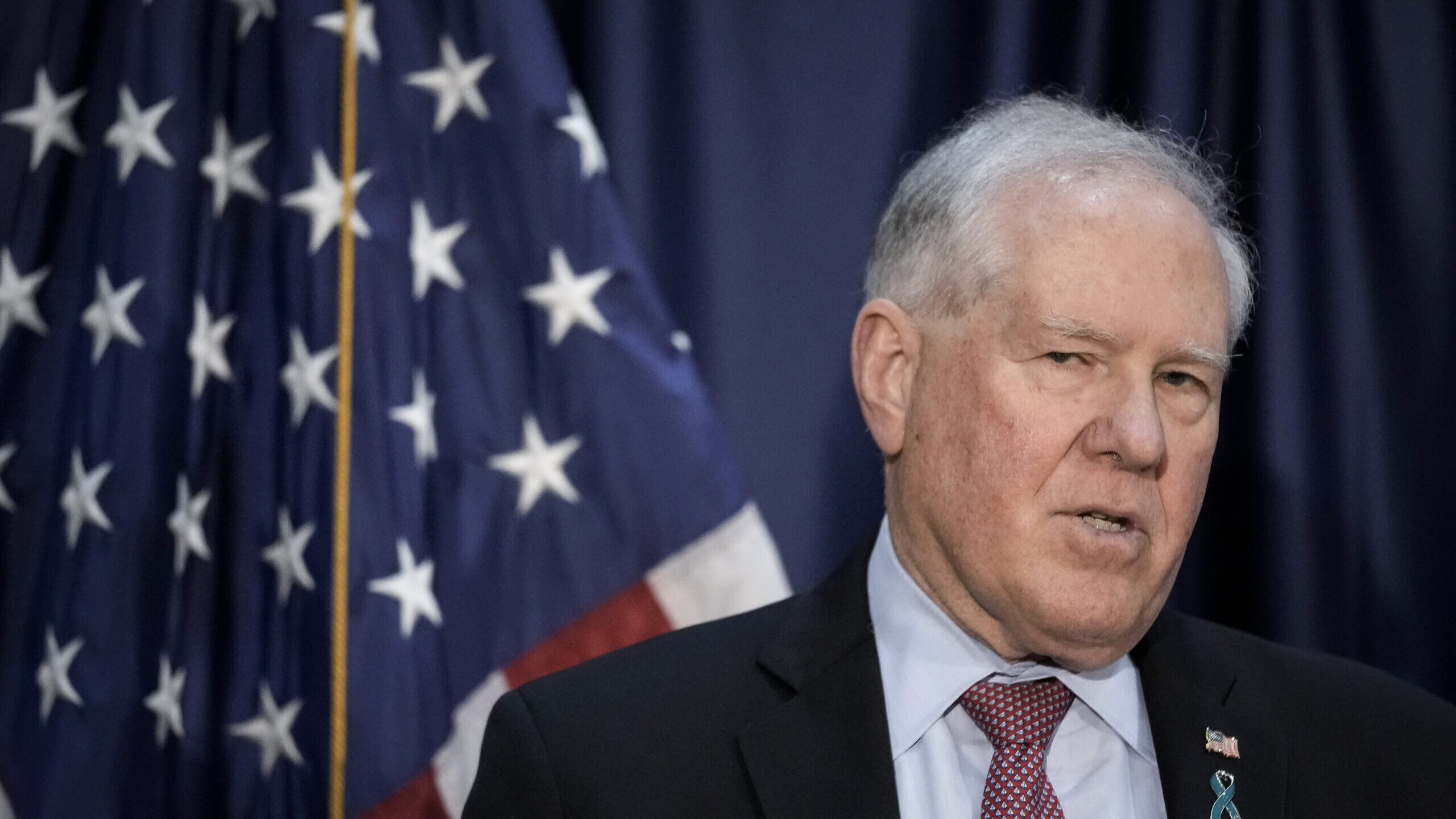
At the moment, "generative" AI systems have "limited utility" for the US military, Air Force Secretary Frank Kendall said, but could help with some tasks if applied "in an ethical way."

Reducing cognitive overload on warfighters while improving “time to trust” for autonomous systems is a matter of design.
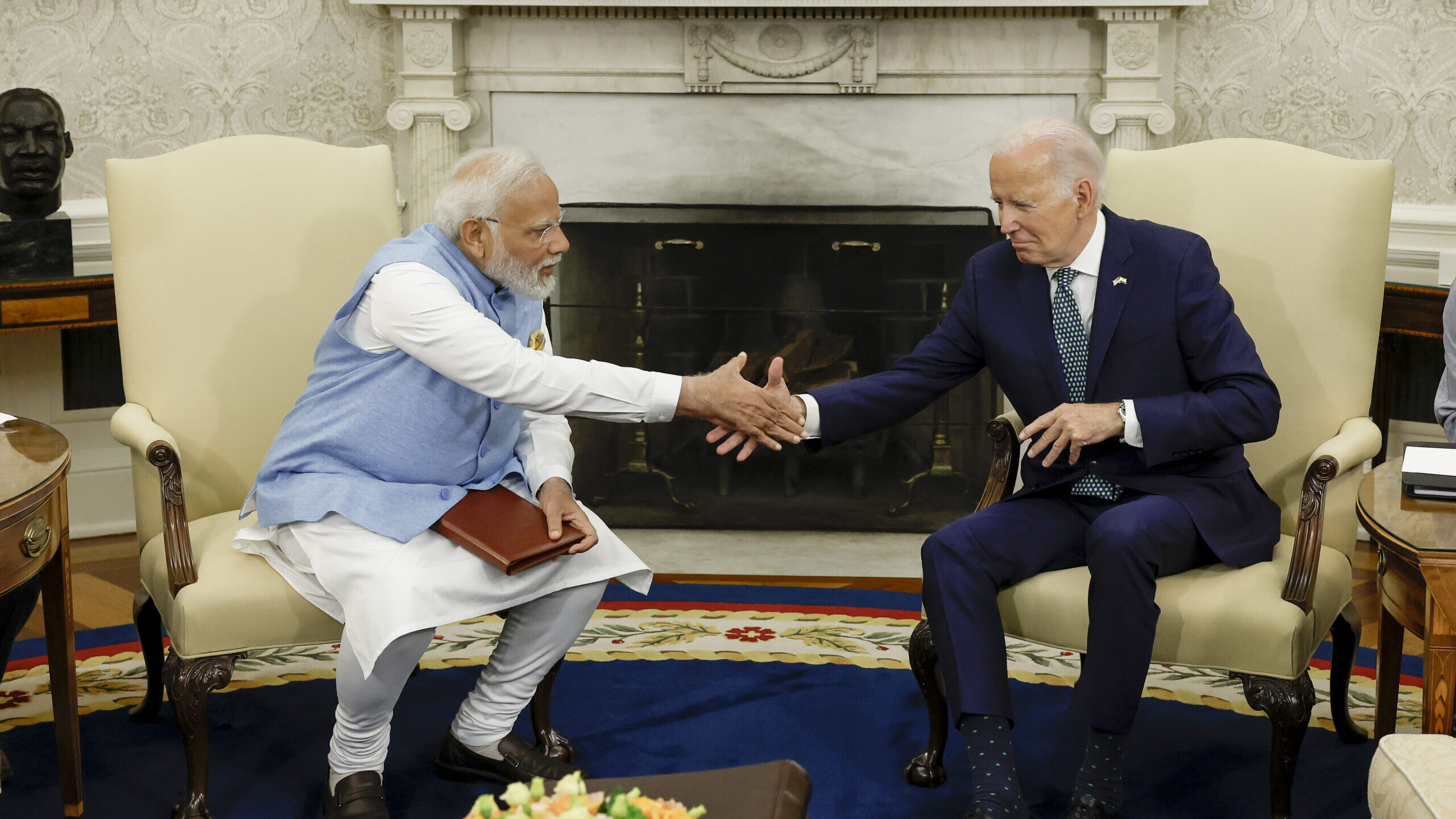
New Delhi's adherence to the accords represents a boost to US efforts to rally allies to help counter China's expansion of its own civil and military space activities, as well as Beijing's use of space as a soft-power tool on the global stage.

The development and testing processes enabled by the new software environment will be game-changing, because in the end it will allow "satellites to be upgraded in space," SAIC's vice president for space, David Ray, told Breaking Defense.

The robotic arms built by the Naval Research Laboratory to be carried on a SpaceLogistics Mission Robotic Vehicle are designed to operate "autonomously" to do "inspection, orbital adjustment, repair and upgrade" missions on spacecraft "that were not designed to be grappled," Bill Vincent, the lab's program manager, told Breaking Defense.
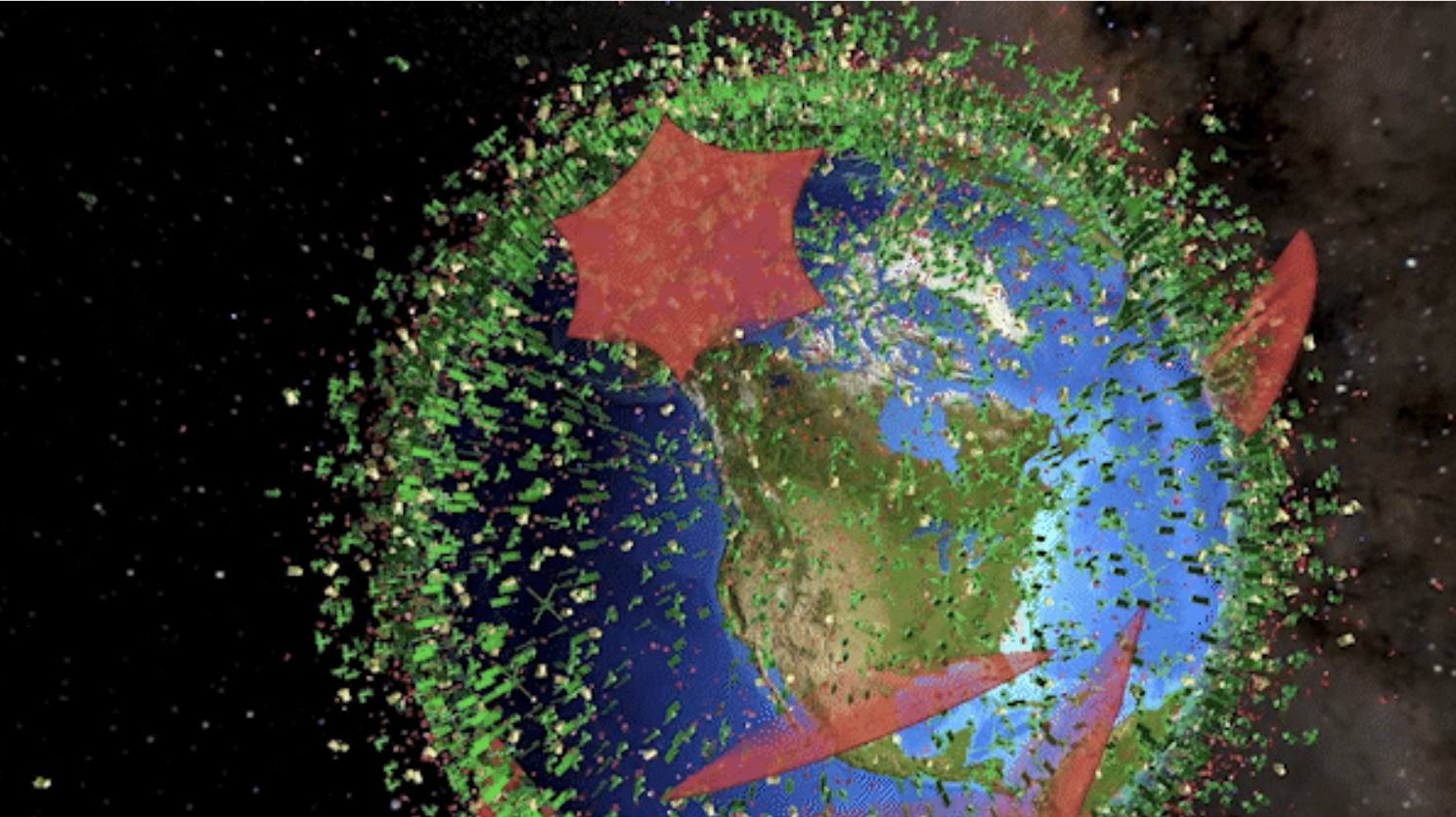
Russian and Chinese anti-satellite tests are responsible for "pretty much 20 percent" of "conjunction" warnings, that is predictions that two space objects are likely to collide, in 2022, said the State Department's Eric Desautels.

Onshoring and investment in military-specific semiconductors anchor a cornerstone of the defense industrial base.
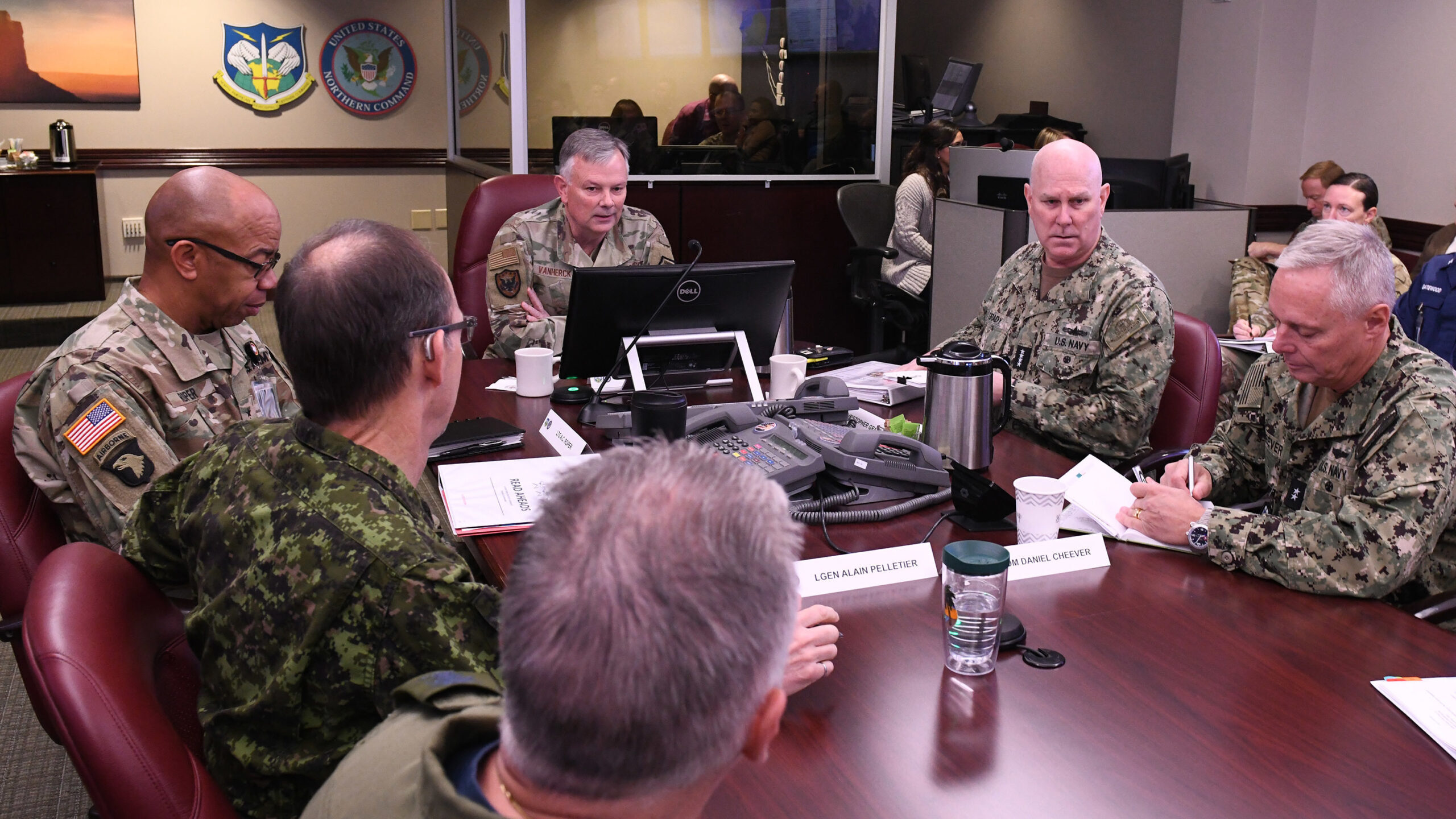
After what Gen. Glen VanHerck called a "totally deceiving and incorrect" SPACECOM statement, there was widespread confusion about who is charged with the missile defense mission.

The plan is designed not just to improve Luxembourg's military space capabilities, but also specifically to improve defense cooperation with the US by "jointly exploiting" the new SES satellites.

The Space Force has set contradictory requirements for the number of M-code capable GPS satellites, the Government Accountability Office found.

"As the world gets more complicated, and there are more and more [space situational awareness] providers, the issue of who pays will be one which continually gets battered around," said Richard DalBello, the Office of Space Commerce.

It's been a whirlwind of a year — and the defense establishment has plenty of thoughts on how it's unfolded and what might come next.

The National Reconnaissance Office has "grown and evolved and recognized, just as well as we have, that they have responsibilities that are not traditional" with regard to intelligence, surveillance and reconnaissance from satellites, said Space Force vice chief Gen. DT Thompson.
The draft National Space Authorization Act would also push Space Force on integrating commercial data and on over-classification of space programs.
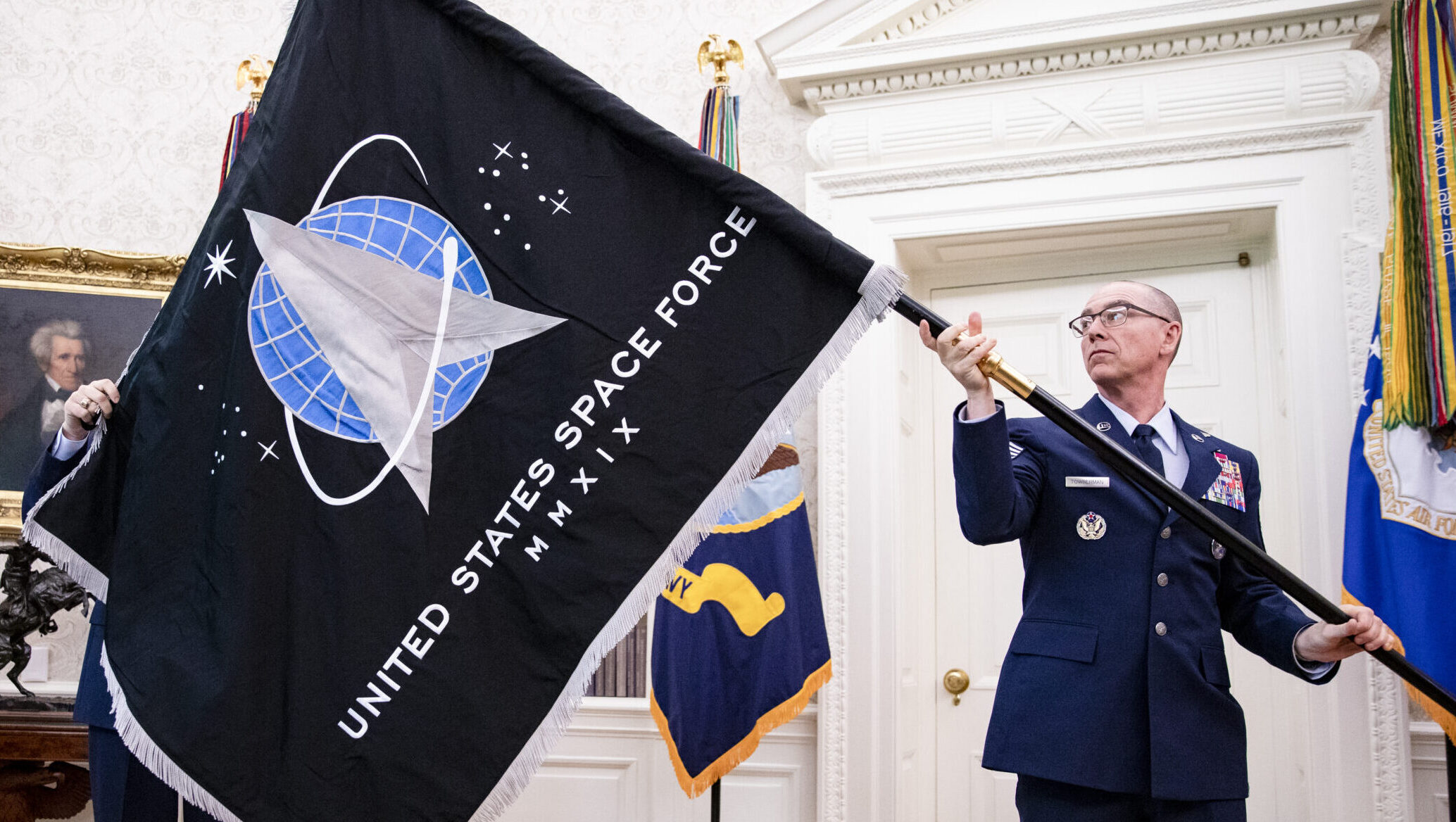
In addition, the subcommittee's markup of the National Defense Authorization Act (NDAA) would add 800 Guardians to the Space Force's active duty end-strength, as requested by the service — including establishing a dedicated Space Force legislative liaison.
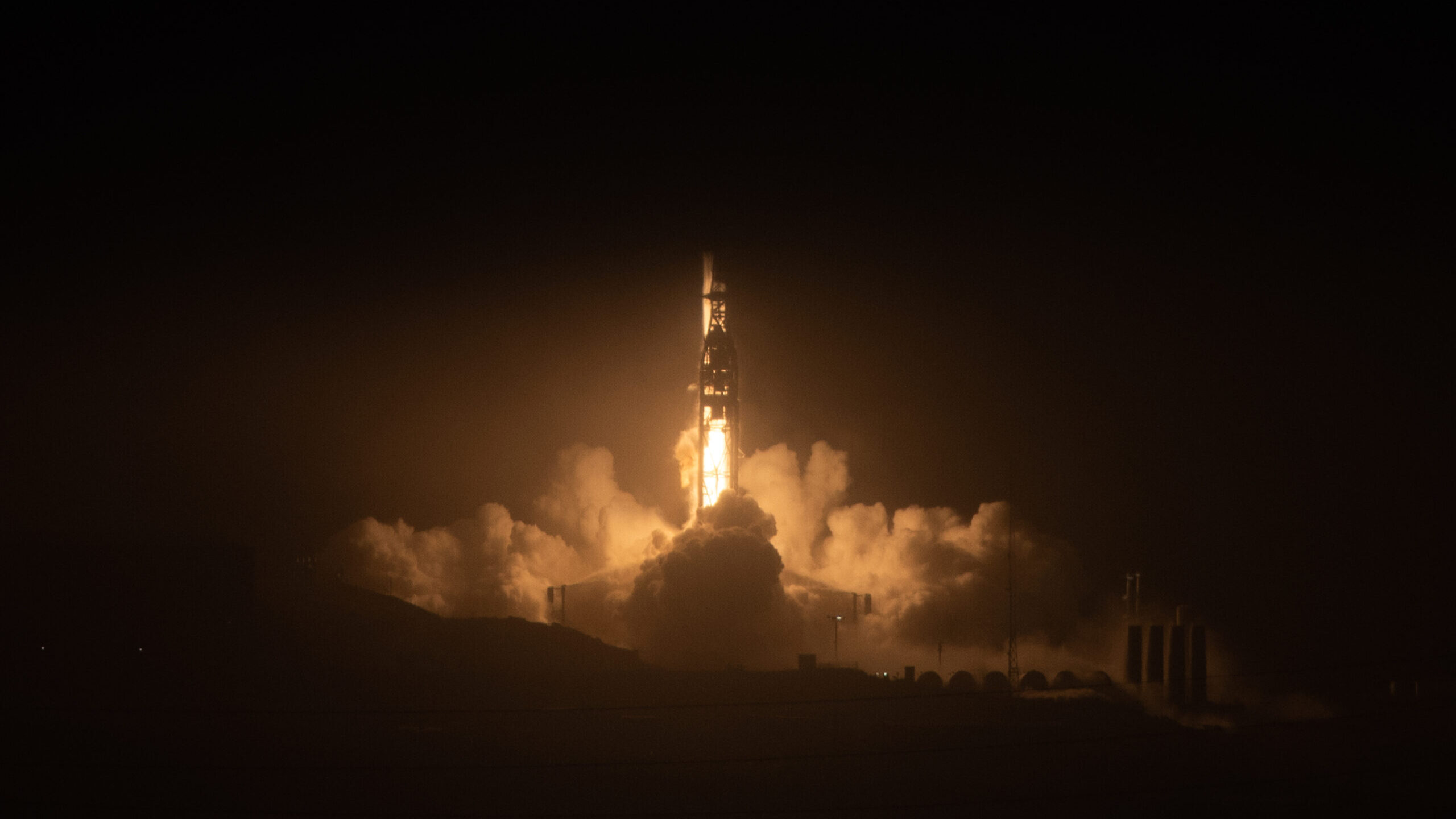
Spy satellites, classified payloads among the newly scheduled launches.