
New DARPA project explores microbes for bio-manufacturing in space
The B-SURE bio-bugs program is a first baby step in using biology to create a space-based supply chain, reducing reliance on materials launched from Earth.

Theresa Hitchens is the Senior reporter, Space at Breaking Defense. The former Defense News editor was a senior research associate at the University of Maryland’s Center for International and Security Studies at Maryland (CISSM). Before that, she spent six years in Geneva, Switzerland as director of the United Nations Institute for Disarmament Research (UNIDIR).
A sci-fi geek, voracious reader, enthusiastic cook, dabbler in poetry, Theresa is also the proud mom of a wonderful young man by the name of Nicholas.
The B-SURE bio-bugs program is a first baby step in using biology to create a space-based supply chain, reducing reliance on materials launched from Earth.

Planet is hopeful that NRO not only will be interested in its current 50cm resolution SkySat constellation, but also its newest constellation, called Pelican, which will be operational in 2023, said co-founder Robbie Shingler.

Breaking Defense Europe will launch May 4 with Tim Martin and Elisabeth Gosselin-Malo as co-editors.
Until a program-by-program review is provided by the Defense Department, the armed services committees would limit spending on each one to no more than than 75% of its planned annual budget.

Included among the STP-3 mission's payloads is NASA’s Laser Communication Relay Demonstration (LCRD) aimed at enabling higher speed communications across the vast region of space between the Earth and Mars.
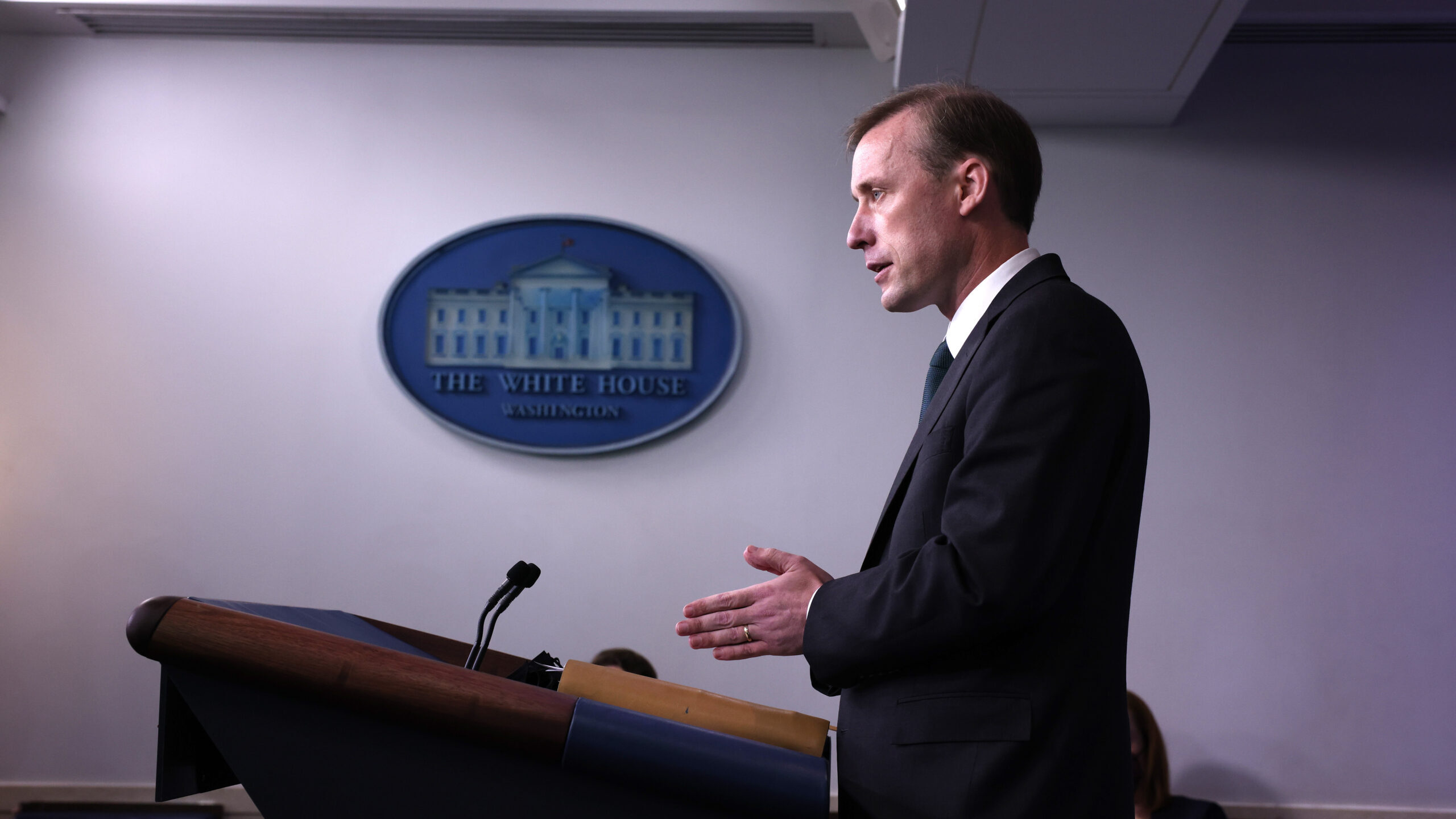
Chiding Russia for its recent ASAT test, Deputy Secretary of Defense Kathleen Hicks said that "from the Defense Department's perspective, we would like to see all nations agree to refrain from anti-satellite weapons testing that creates debris."

Despite increasing threats to and from space, the new priorities document stresses that "confrontation or conflict" is not inevitable.


The Sixth Domain is not defined by geography. It’s a new kind of conflict in which autonomy and networked systems allow thousand-dollar consumer electronics to destroy multi-million-dollar conventional weapons systems.

The test will see how well "Freedom Radio" works with third-party communications, as integration is seen as critical for JADC2.

In response to lawmakers, Navy says budget cuts will add $700 million long-term to retrofit fighters.

China's recent test of a FOBS/HGV hybrid is "a very forward-edge technology capability," said Space Force's Lt. Gen. Chance (Salty) Saltzman.

Air Force Secretary Frank Kendall has given the go-ahead for Space Force components in EUCOM, INDO-PACOM, CENTCOM and US Forces in Korea, but questions remain about Guardians' "global responsibility."

As threats rapidly evolve, digital engineering, manufacturing capacity and robust supply chains are critical to meeting challenges.

Brig. Gen. John Olson said that for JADC2 to work, "artificial intelligence and machine learning are absolutely essential enablers to make us able to react, and respond, and again, make sense of the information, then act upon it."

"Calling it 'breaking the laws of physics' does not lead to rational scrutiny," Secure World's Victoria Samson said of the recent Chinese hypersonic test.

Under the agreement with ICEYE, the Army will look especially hard at the ability to significantly cut the time it takes to relay ISR data from a satellite to shooters on the ground.

The GPI is being developed to knock down hypersonic missiles as they glide through the Earth's upper atmosphere at about 70 kilometers in altitude at speeds greater than Mach 5.