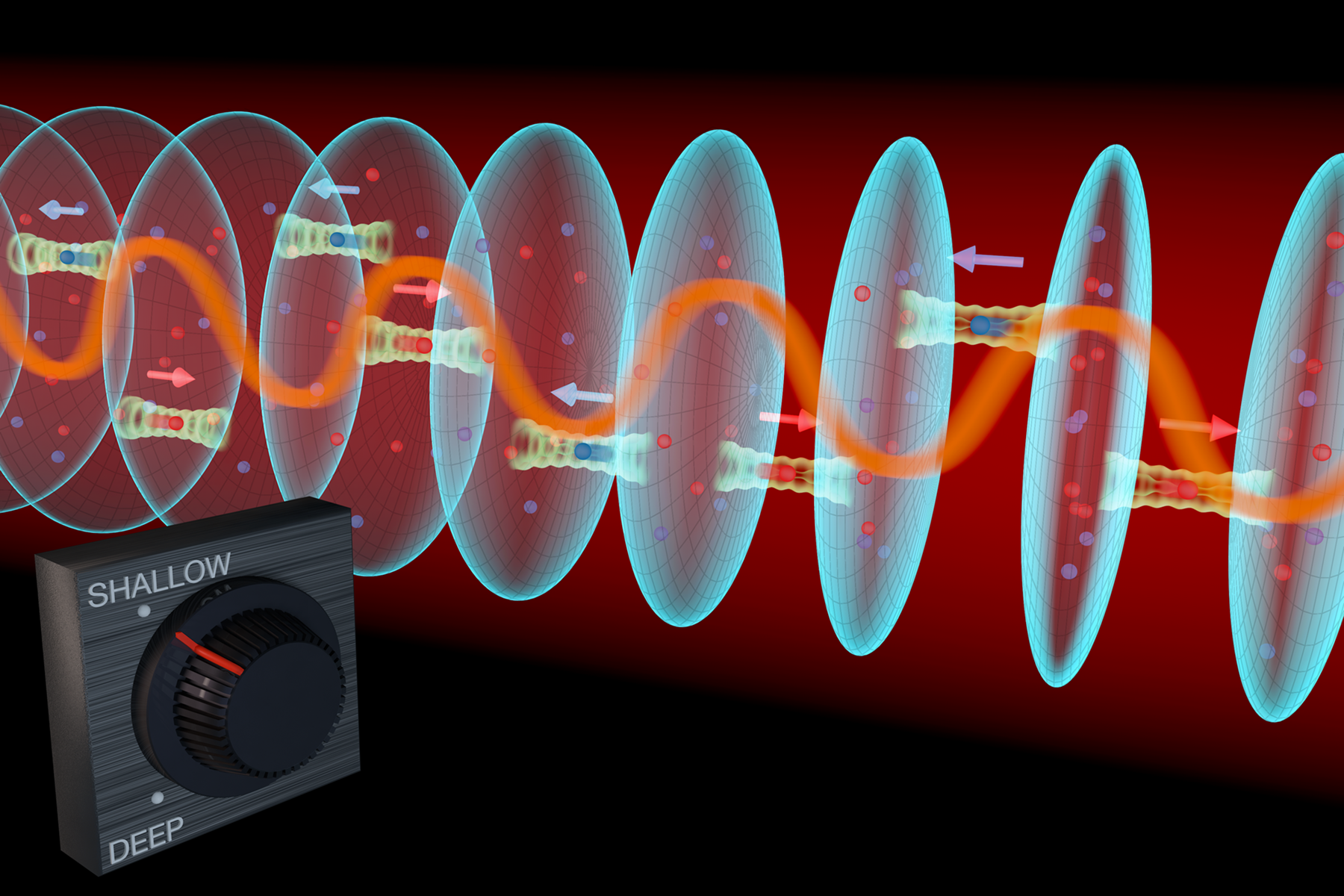
HAC Pumps Up NIST Research On Emerging Tech
House Appropriators add millions of dollars to the National Institute of Standards & Technology's work on AI, cybersecurity, quantum computing, 3D printing, and 5G telecommunications.
House Appropriators add millions of dollars to the National Institute of Standards & Technology's work on AI, cybersecurity, quantum computing, 3D printing, and 5G telecommunications.

House appropriators rejected Trump's plan to put satellite regulation under the Commerce Department and chide Secretary Wilbur Ross for his refusal to testify on the 2020 budget request.

Hybrid communications requirements will shape the Army’s data infrastructure of the future.
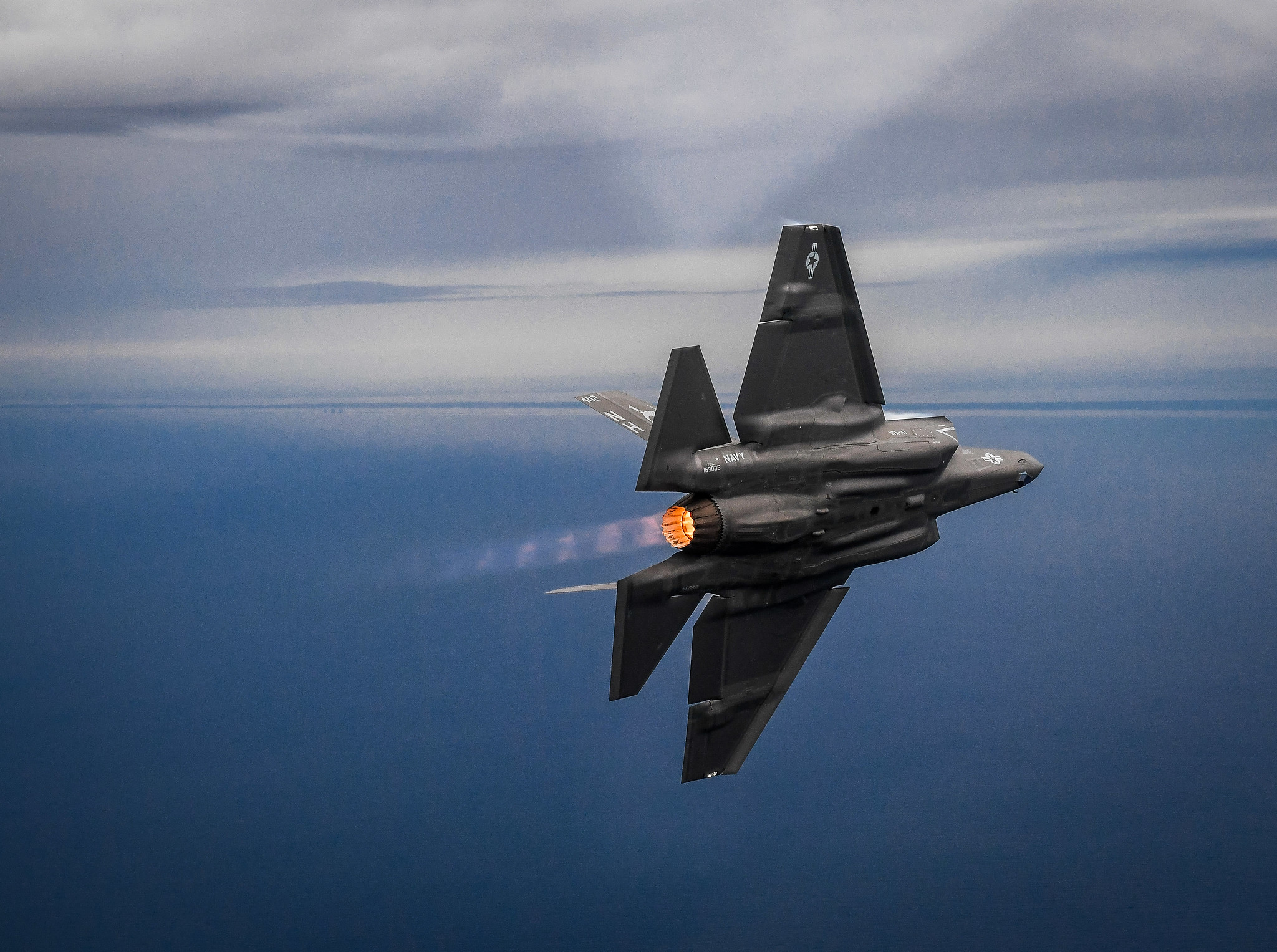
The Pentagon says a new F-35 deal is coming this summer, and promises more costs savings even as the program struggles to get needed spare parts.
The Army must take risks to modernize, the Futures Command chief said, and the modernization effort will survive the inevitable failures along the way.

While Congress wrestles with CH-47 cuts, Army leaders are already looking ahead to hard decisions on high tech.
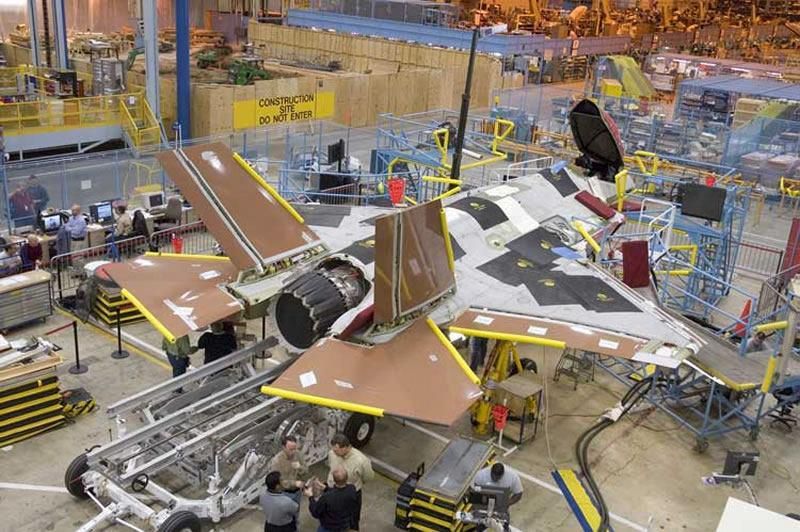
F-35 Program Executive Officer Vice Adm. Mat Winter today told the HASC tactical air and land subcommittee that Lockheed was guilty of just that, adding that this had helped lead to a shortage of an average of 600 parts each month, causing production line slowdowns and cost increases.


CAE and General Atomics use AI to enhance warfighter readiness, refine aerospace platforms, and learn from simulations.

Addressing topics from modernization to millennials, Trump's pick for Army Chief of Staff sailed through his confirmation hearing -- except for six bitter minutes.
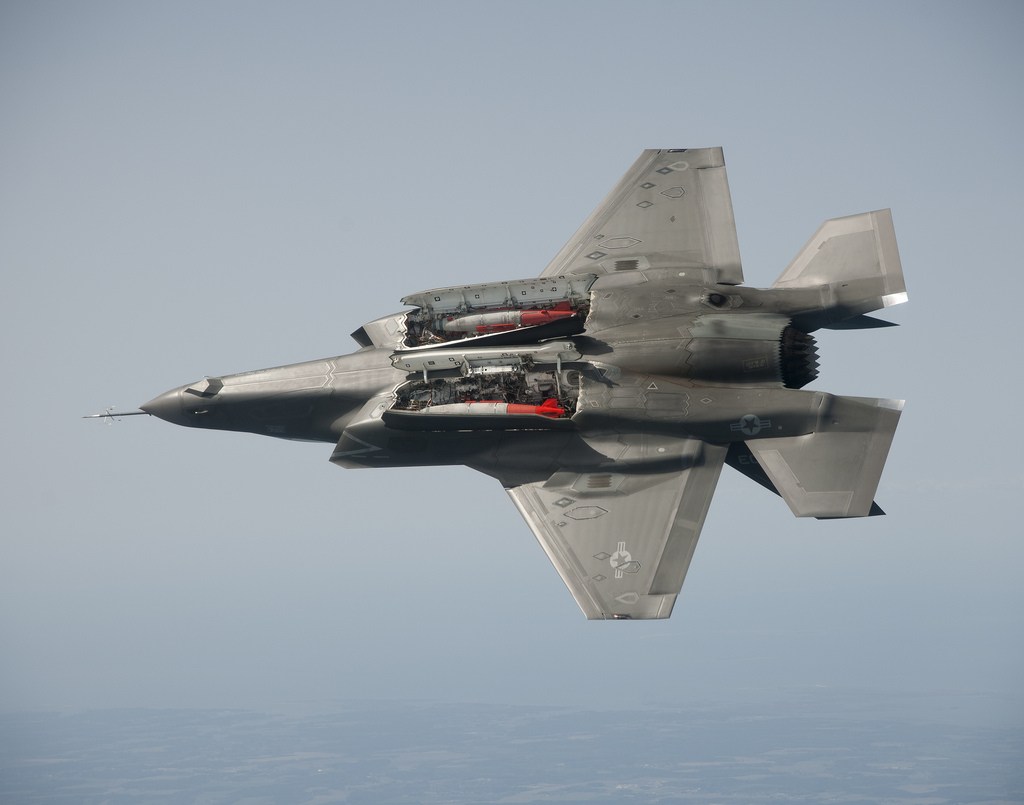
Adding extra firepower to the F-35 shows how loudly Lockheed hears the footsteps of Boeing's F-15X approaching.
If the Army wants to get its Big Six right, it must talk, and talk and talk with Congress and the press and industry. And be ready to drop failures.

A light scout and a mid-size transport remain Army aviation’s top two priorities, Secretary Mark Esper said, but industry needs to start thinking about the next heavy-lift aircraft and stop fighting against cuts to the venerable CH-47.


In an age defined by rapid technological evolution and operational complexity, GA-ASI’s Modernized Gray Eagle® ER and Gray Eagle® STOL remain the gold standard.

A White House 180-degree turn on nuclear arms control inflicts whiplash on experts. What is real here?
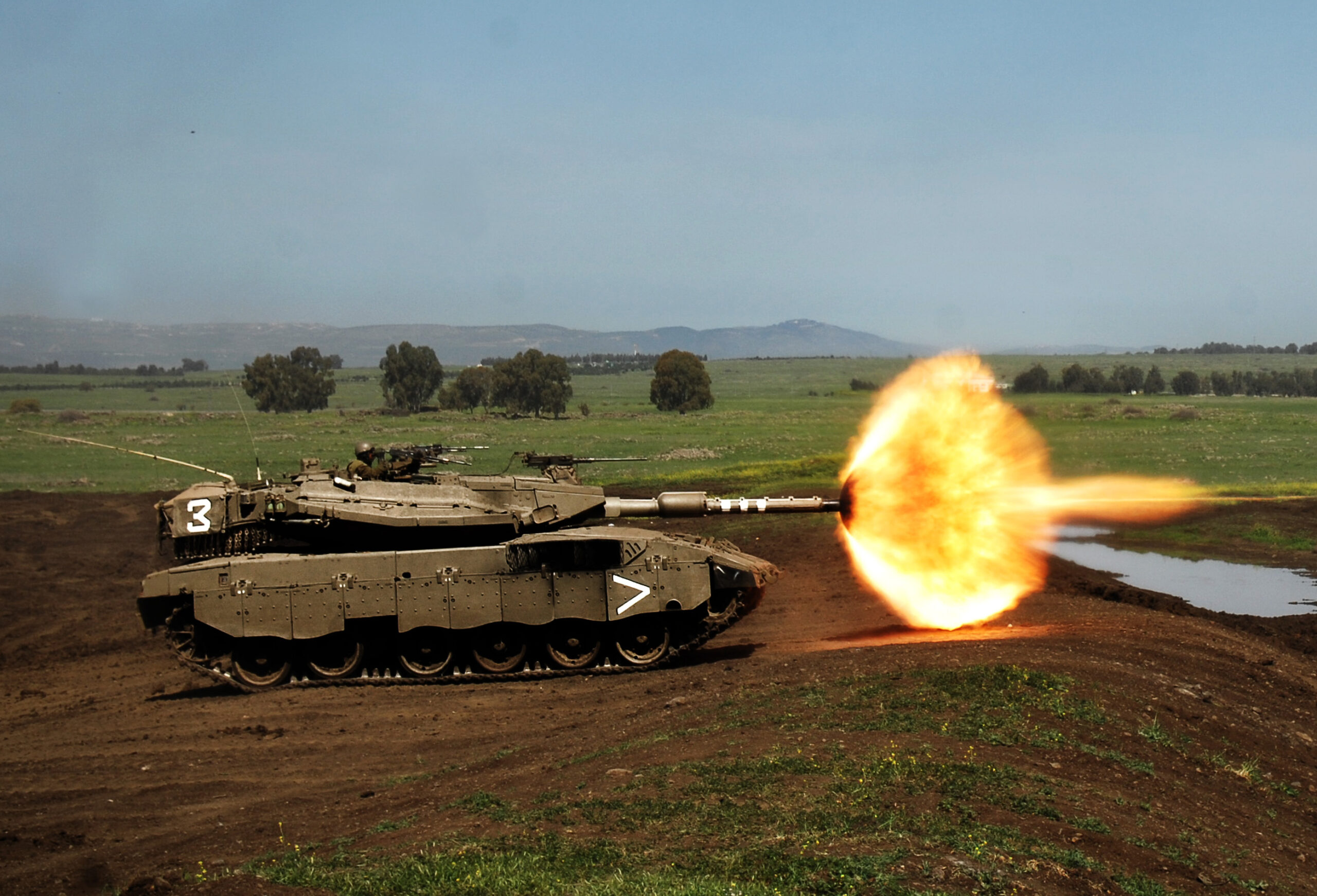
The IDF chief of staff says his fraying forces urgently need a $2.76 billion boost.

Large networks of small, cheap satellites derived from commercial technology would be harder for China or Russia to kill than a handful of expensive, exquisite military-unique birds. But who gets to build it?
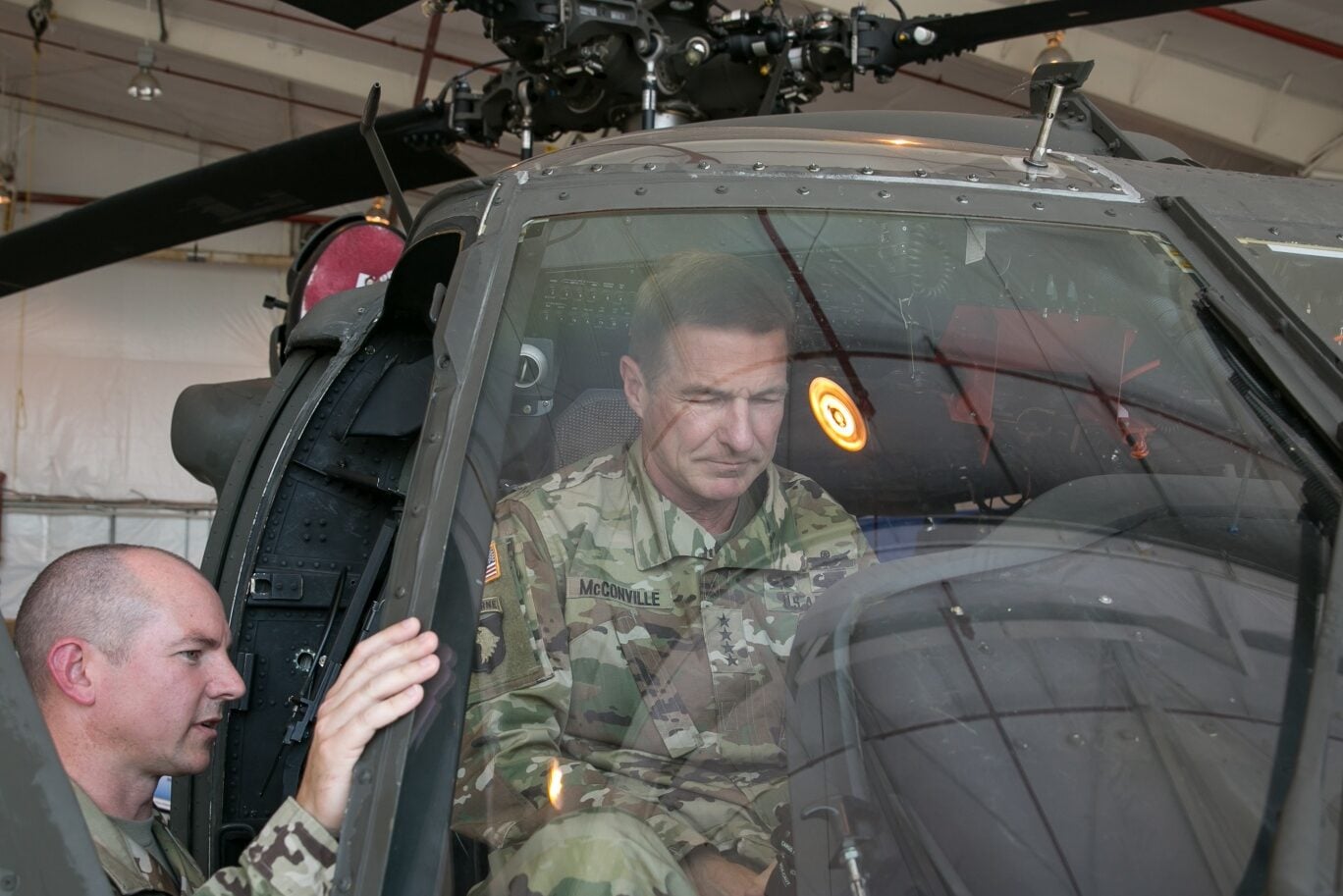
FLRAA will go to select Guard units ahead of most of the regular Army, Gen. McConville said. That's a far cry from past conflicts over helicopters.