The Army’s prioritized so ruthlessly that the top 11 percent of programs will get 50 percent of the funding. The other 89 percent can’t take any more cuts without it killing them.
By Sydney J. Freedberg Jr.Sign up and get the latest news in your inbox.
We will never sell or share your information without your consent. See our privacy policy.The nominee for Army Secretary also aims to end “friction” between civilian acquisition officials and Army Futures Command, she told the Senate Armed Services Committee.
By Sydney J. Freedberg Jr.Some 22 of the Army’s 35 top programs are supposed to field some kind of capability in the next four years, even as budgets drop.
By Sydney J. Freedberg Jr.“She brings a wealth of experience in national security [that] will help her in the inevitable Pentagon brawls for funding,” retired Lt. Gen. Tom Spoehr told me.
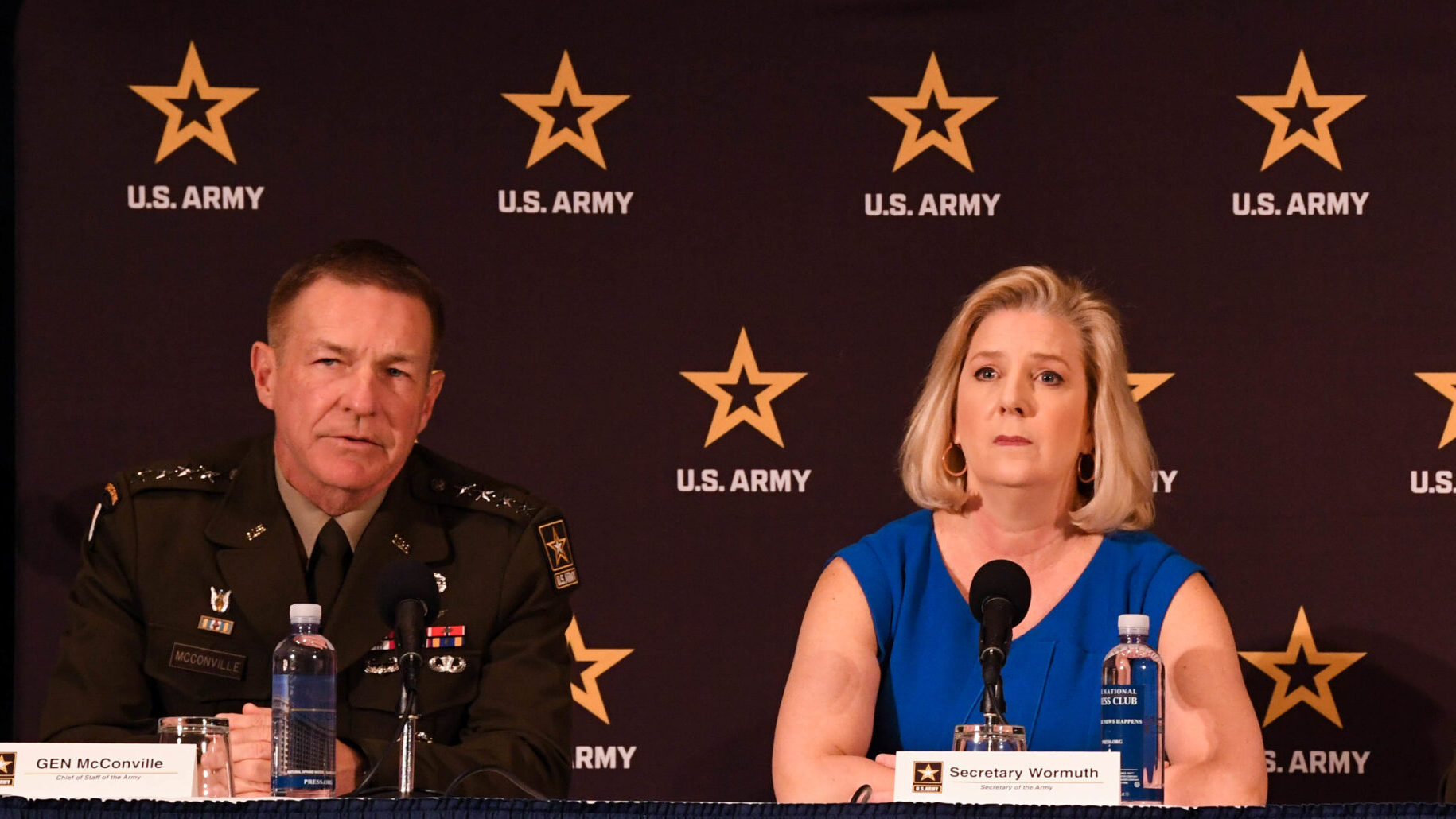
By Sydney J. Freedberg Jr.“We probably need about two or three more years of good solid budgets” for modernization, Gen. James McConville said, so he’ll seek economies in readiness and personnel – but modestly and on the margins. Will that be enough?
By Sydney J. Freedberg Jr.“In my career, certainly this is the most amount of modernization I’ve seen,” Brig. Gen. Brian Gibson says. Can multiple Army programs make their 2023 deadline?
By Sydney J. Freedberg Jr.As the Army braces for a post-COVID budget crunch, Gen. John Murray told Breaking Defense, his Army Futures Command is studying conflict scenarios to decide which new weapons could be kept or cut.
By Sydney J. Freedberg Jr.The goal is to give the 6,200-strong Cyber Mission Force a common, compatible set of tools so they can act in cyberspace as a coordinated military unit.
By Sydney J. Freedberg Jr.