
Top cover and clear metrics: How to make the new PAE structure work
Two moves, made in the right order, will break portfolios — and eventually the acquisition system as a whole — out of the compliance trap, writes Timothy Cooke in this op-ed.
Two moves, made in the right order, will break portfolios — and eventually the acquisition system as a whole — out of the compliance trap, writes Timothy Cooke in this op-ed.

The bill forces the Pentagon to adopt a "portfolio acquisition executive model" for managing programs and makes it easier for commercial firms to do business with the department.

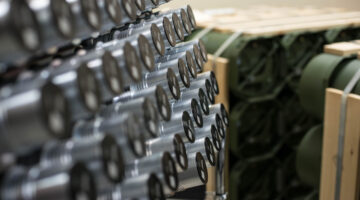
APKWS® laser‑guidance kit provides reliable precision‑guided munitions across missions and platforms, delivered quickly to meet evolving operational demands.

“My interpretation of that law is that we won't let a service procure something that doesn't perform and if they want to, JIATF-401 gets to say no,” said Col. Jonathan Beha, chief of requirements for the Joint Inter-Agency Task Force.

Rep. Adam Smith, the House Armed Services Committee's ranking Democrat, said Congress is aiming to release a compromise defense authorization bill in the next 24 hours.
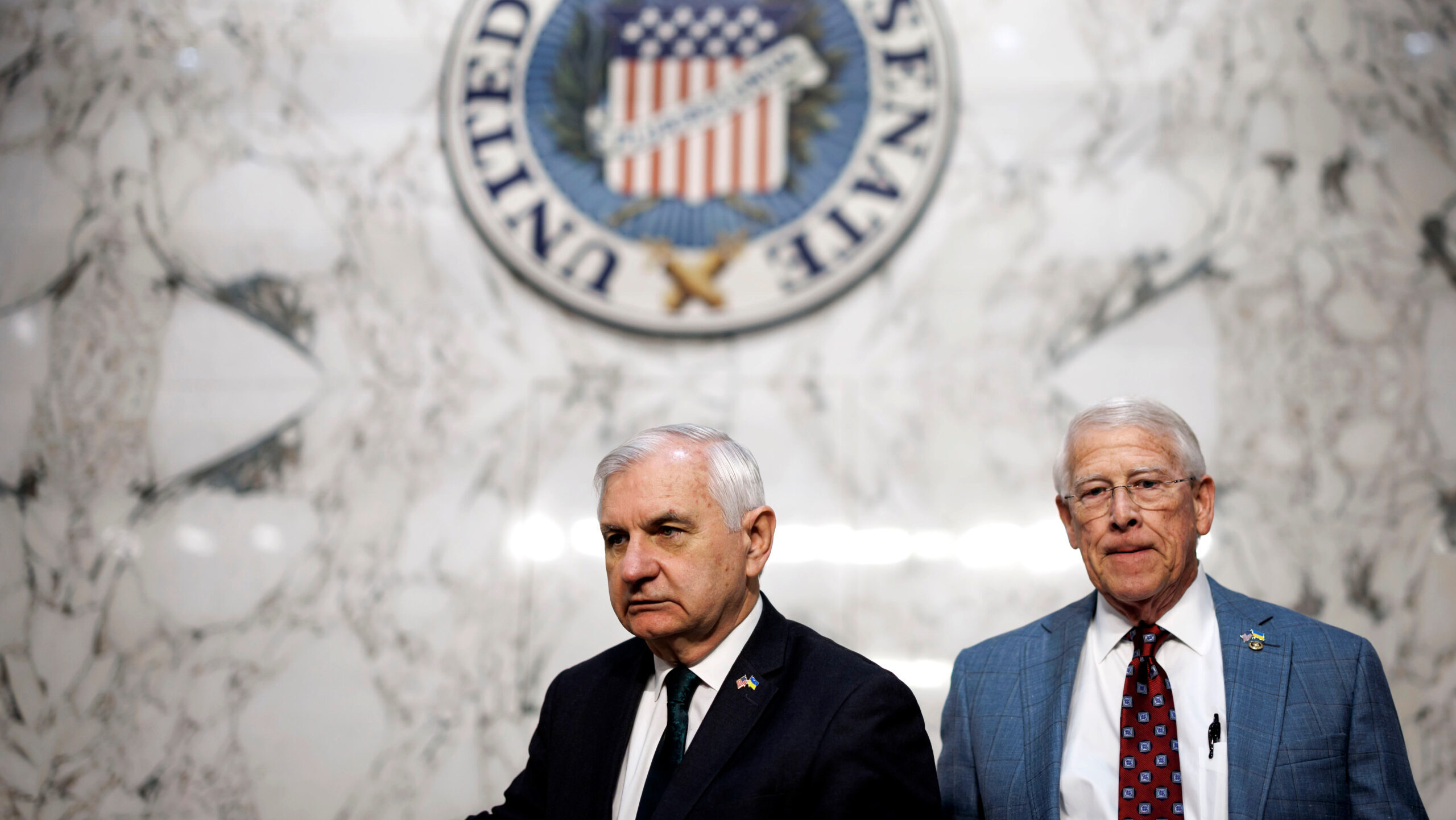
Senators voted 77-20 to approve the National Defense Authorization Act, moving the bill forward on a largely bipartisan basis.

Democrats by and large voted against the typically bipartisan measure due to the addition of several culture war amendments.


One commander, many robots: Fully autonomous ground vehicles are reshaping the battlefield.
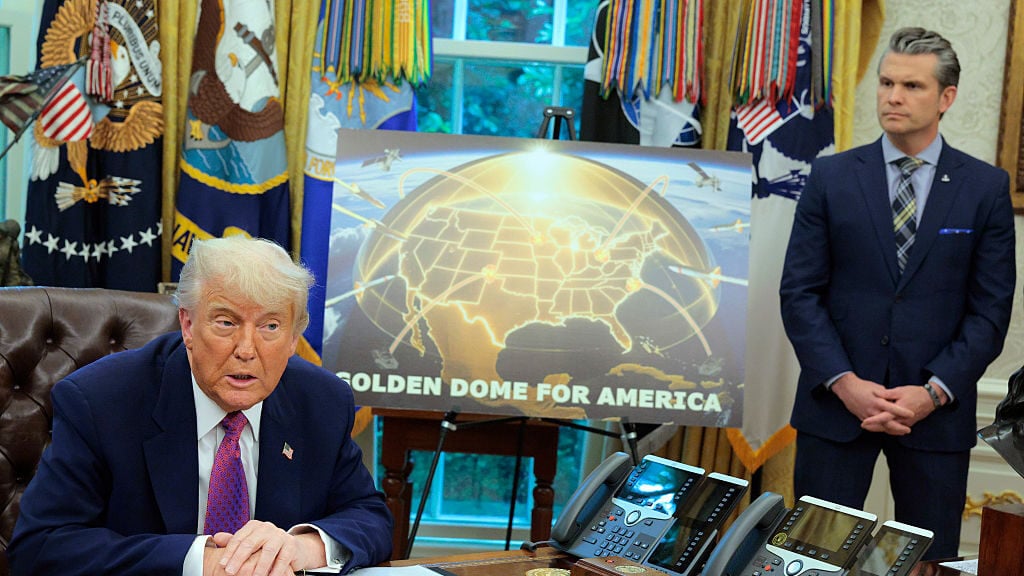
As Congress returns from August recess, Breaking Defense examined how each defense committee is looking at a dozen major programs, from Golden Dome to F/A-XX to the cancellation of the E-7 Wedgetail.

Unlike a traditional budget, military funds from the One Big Beautiful Bill come with fewer legal strings attached for how the money is spent, prompting lawmakers to collect public pledges.

Both the House and Senate Armed Services Committees voted to streamline Pentagon procurement of biologically-derived materials, from first aid treatments to novel explosives.

In this exclusive op-ed, Rep. Ken Calvert, the head of the House Appropriations defense subcommittee, calls for bolstering defense innovation in Congress.


Lithium-metal batteries are one way to break the weight and endurance limits of today’s unmanned systems.

Republicans successfully batted down a number of Democratic amendments during the 14-hour markup session.

Shipbuilding and munitions were the major beneficiaries of the $32.1 billion added to the defense topline, with about $8.5 billion added for shipbuilding and about $6 billion added for munitions, according to a senior congressional official.
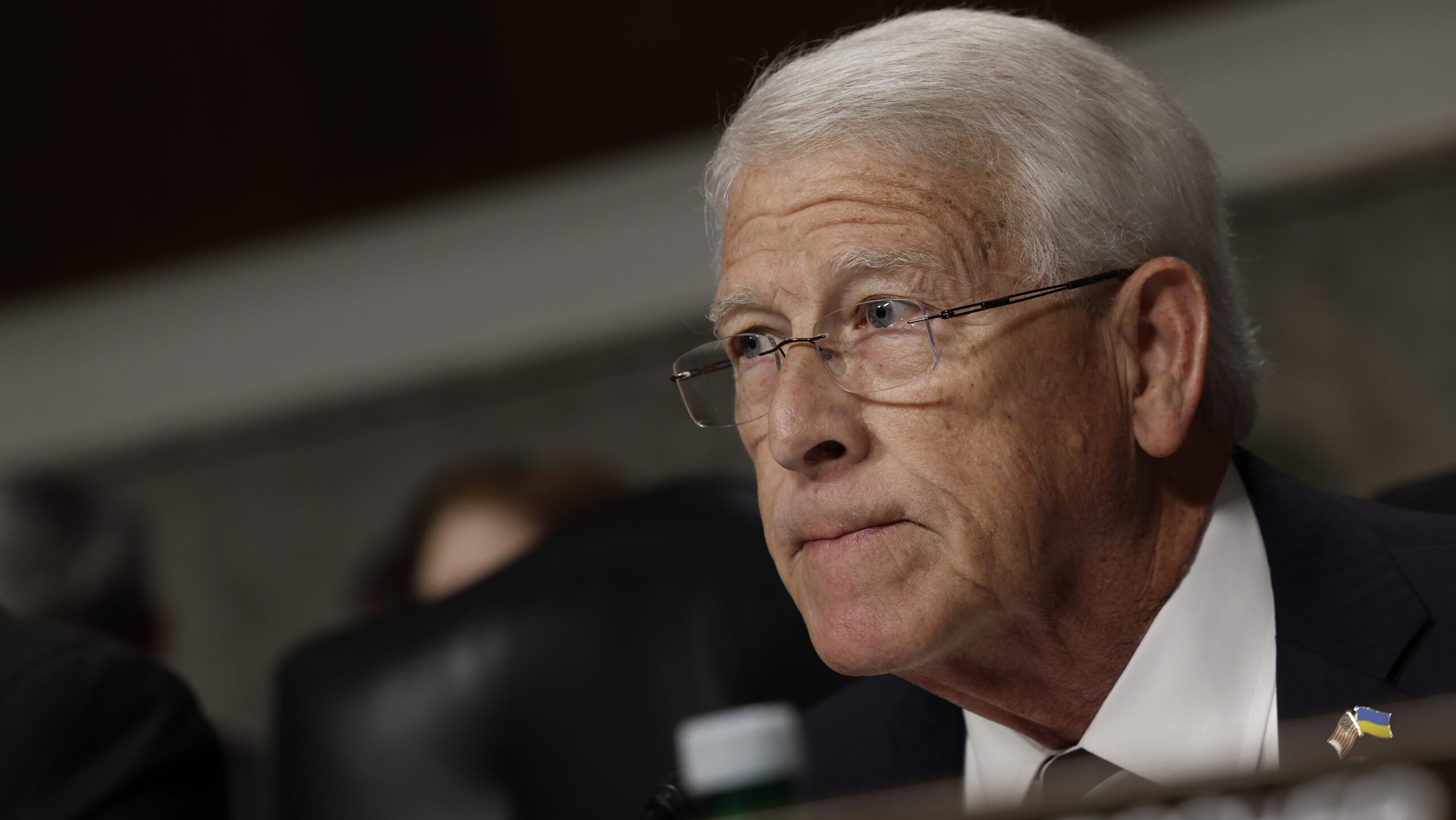
Sen. Roger Wicker aims to fold the FORGED Act into the NDAA, but with some changes meant to ease the concerns of major defense primes.

HASC’s version of the NDAA sticks closely to the Pentagon’s own FY26 budget — a departure from a typical year where lawmakers divert funding to bolster high-priority programs.