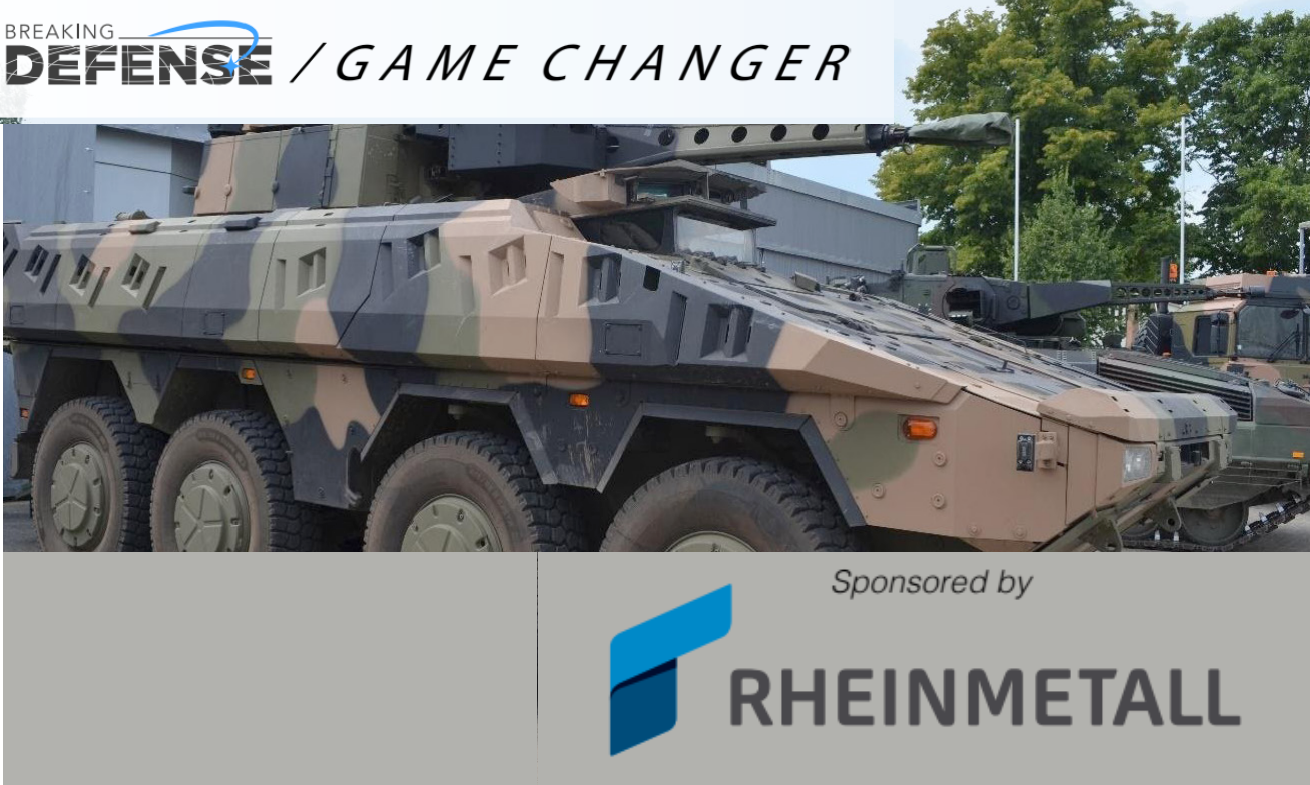
StrikeShield APS: Game Changing Modular Protection With Lower Risk Of Detection
Rheinmetall’s hybrid solution integrates next-generation active and passive technologies for effective layered defense in a weight and power portfolio that works.

Rheinmetall’s hybrid solution integrates next-generation active and passive technologies for effective layered defense in a weight and power portfolio that works.
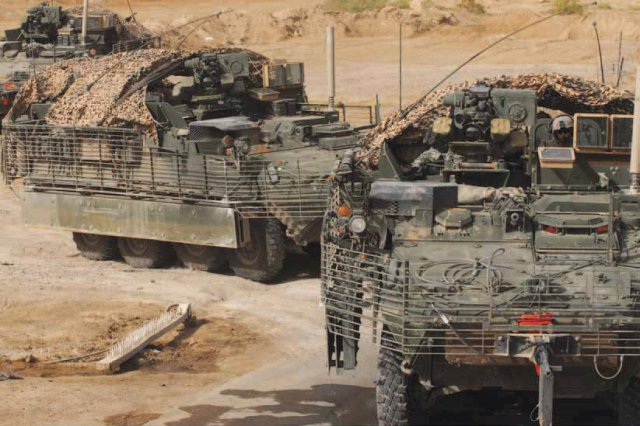
Israeli manufacturer Rafael claims it’s worked with the Army to get the weight of the anti-missile system down below a ton – and it’ll still protect the lightly armored Stryker as effectively as the full-size system protects the massive M1 Abrams.

Reducing cognitive overload on warfighters while improving “time to trust” for autonomous systems is a matter of design.
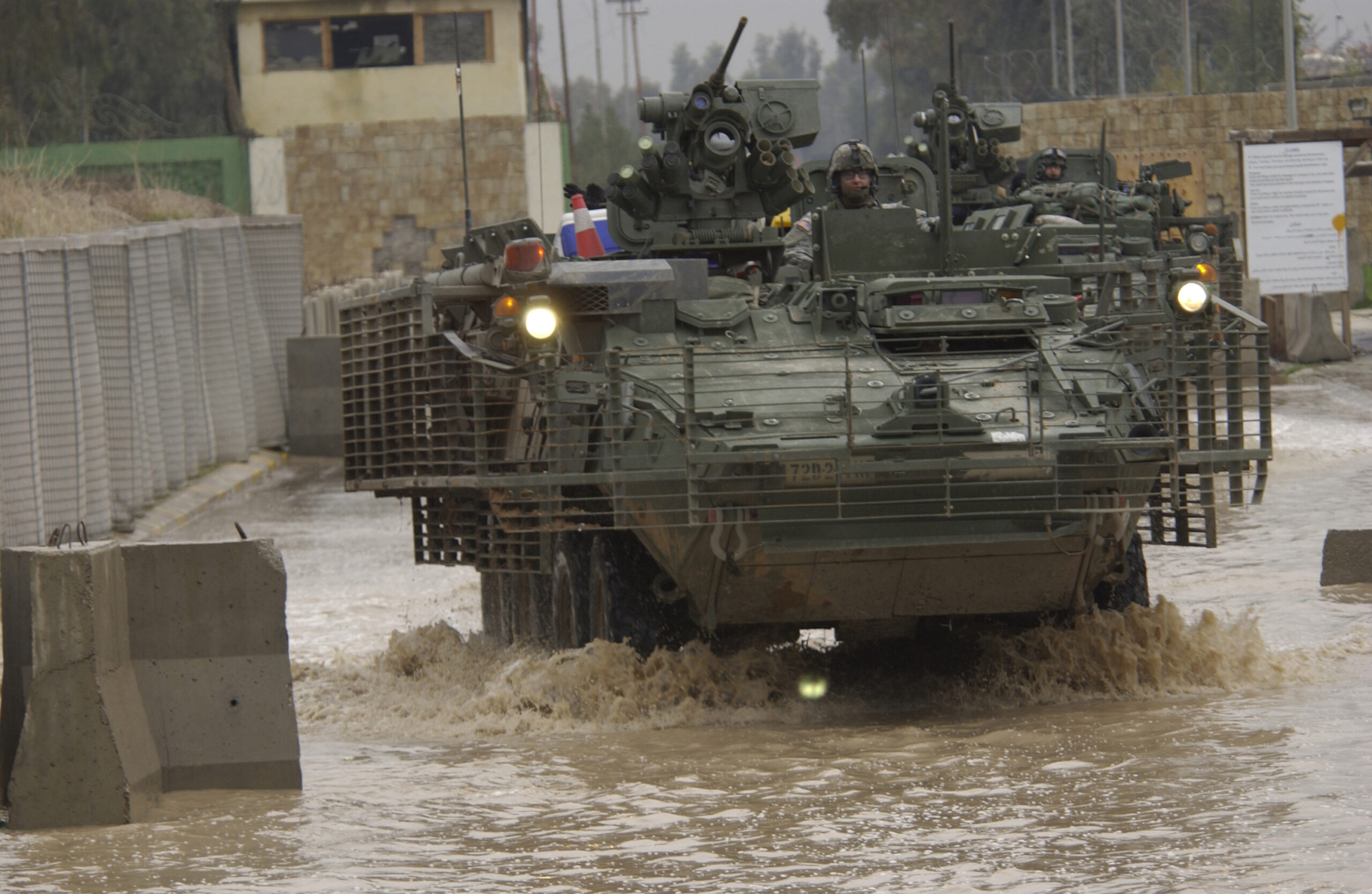
Miniaturized missile defenses work well on heavy tanks, but efforts to fit such Active Protection Systems on light vehicles like Stryker have failed – so far. Now the Army will test two lightweight options: Rafael’s Trophy VPS and Rheinmetall’s ADS.
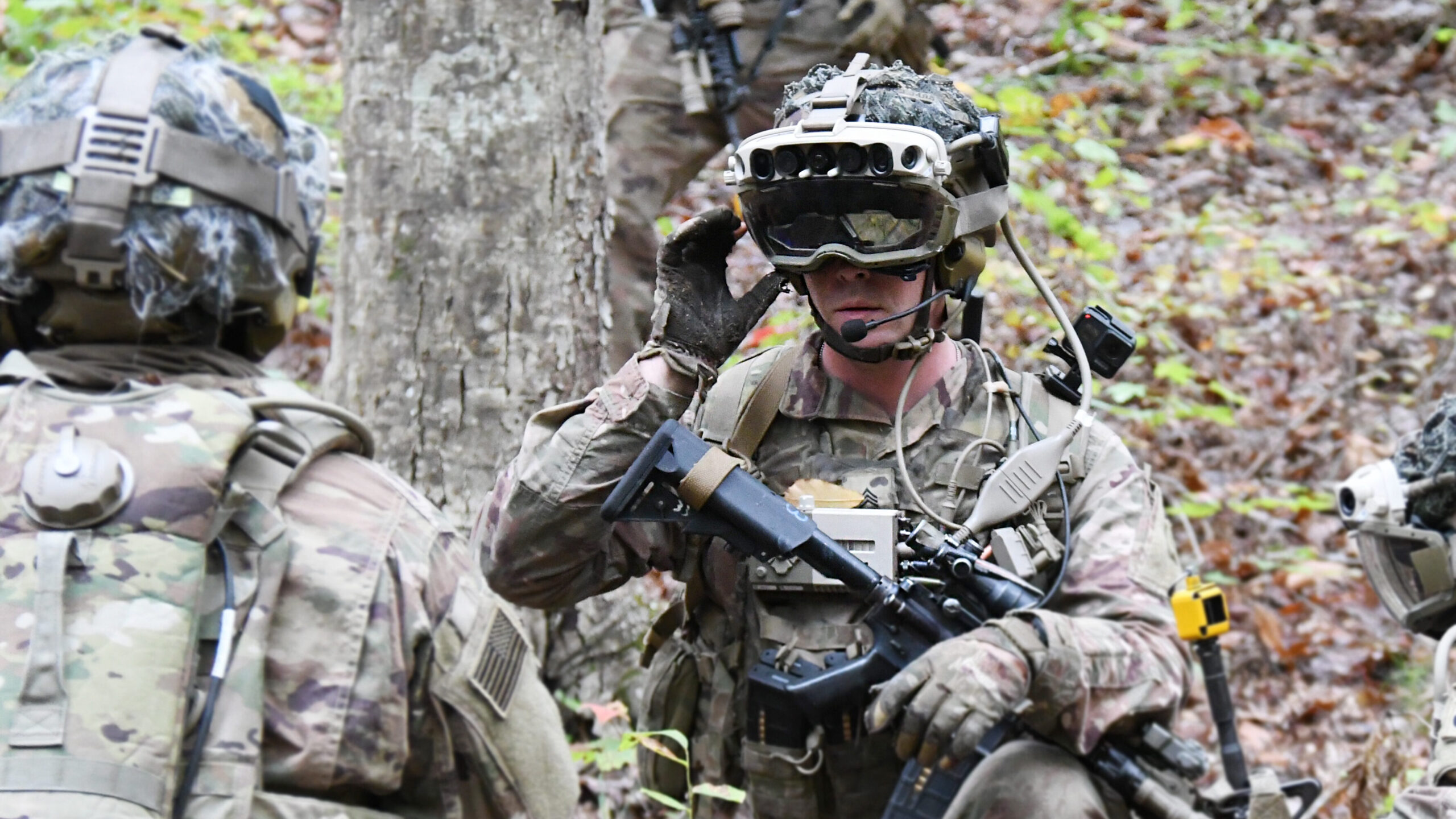
The cutting-edge IVAS targeting goggles took a $230 million hit, while the latest upgrade to the venerable CH-47 Chinook – which the Army doesn’t actually want – got a $165 million boost.
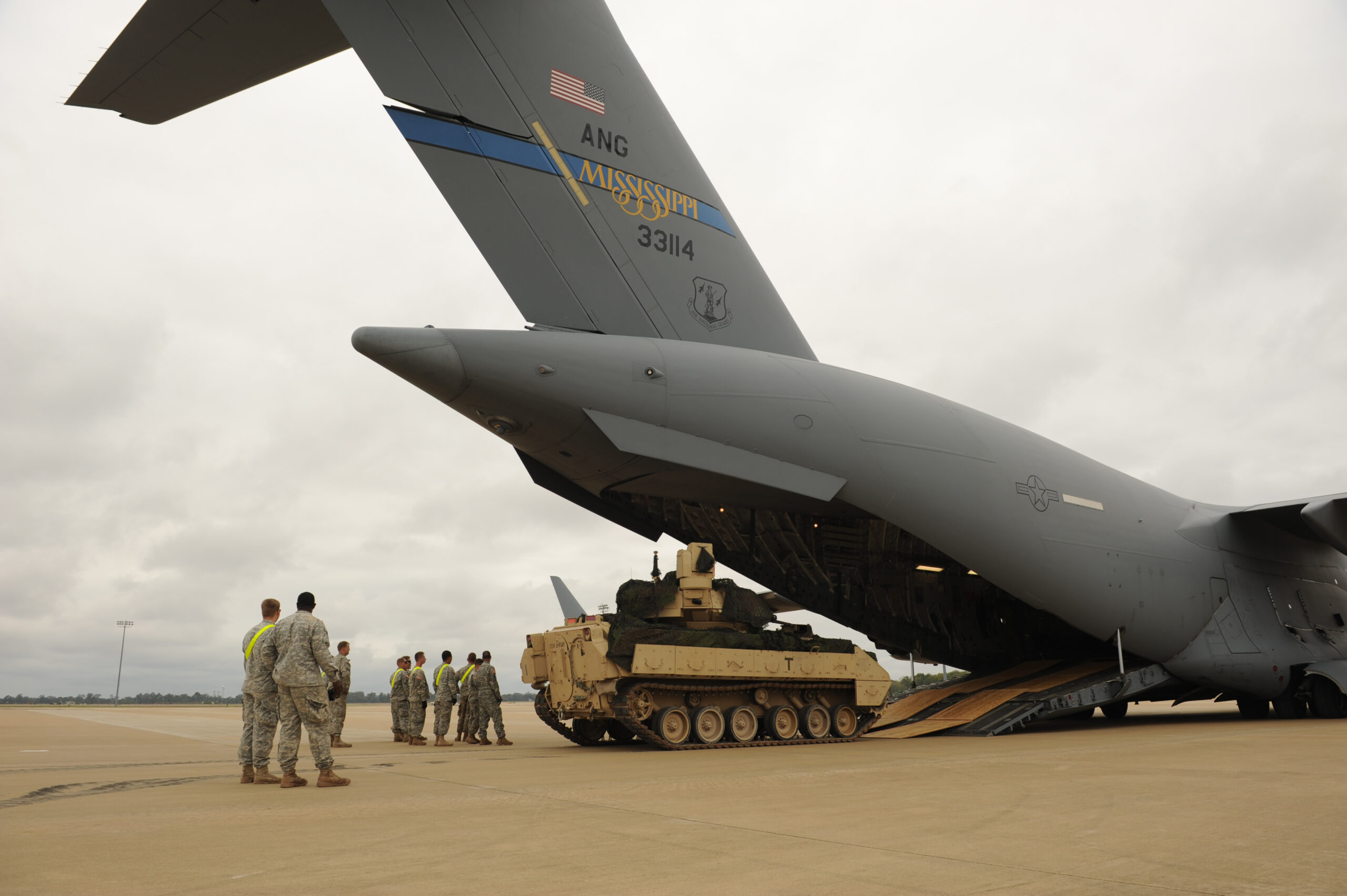
General Dynamics’ cancelled OMFV prototype could only meet the requirement for armor protection by growing too heavy to meet the requirement for air transport, sources say. So which will the Army give up?

The armored ground vehicles of the future will allow soldiers to do things their predecessors only dreamed about.


Why edge and endpoint security can’t be an afterthought.

Why did an obscure Army program inspire headlines about "killer robots"?
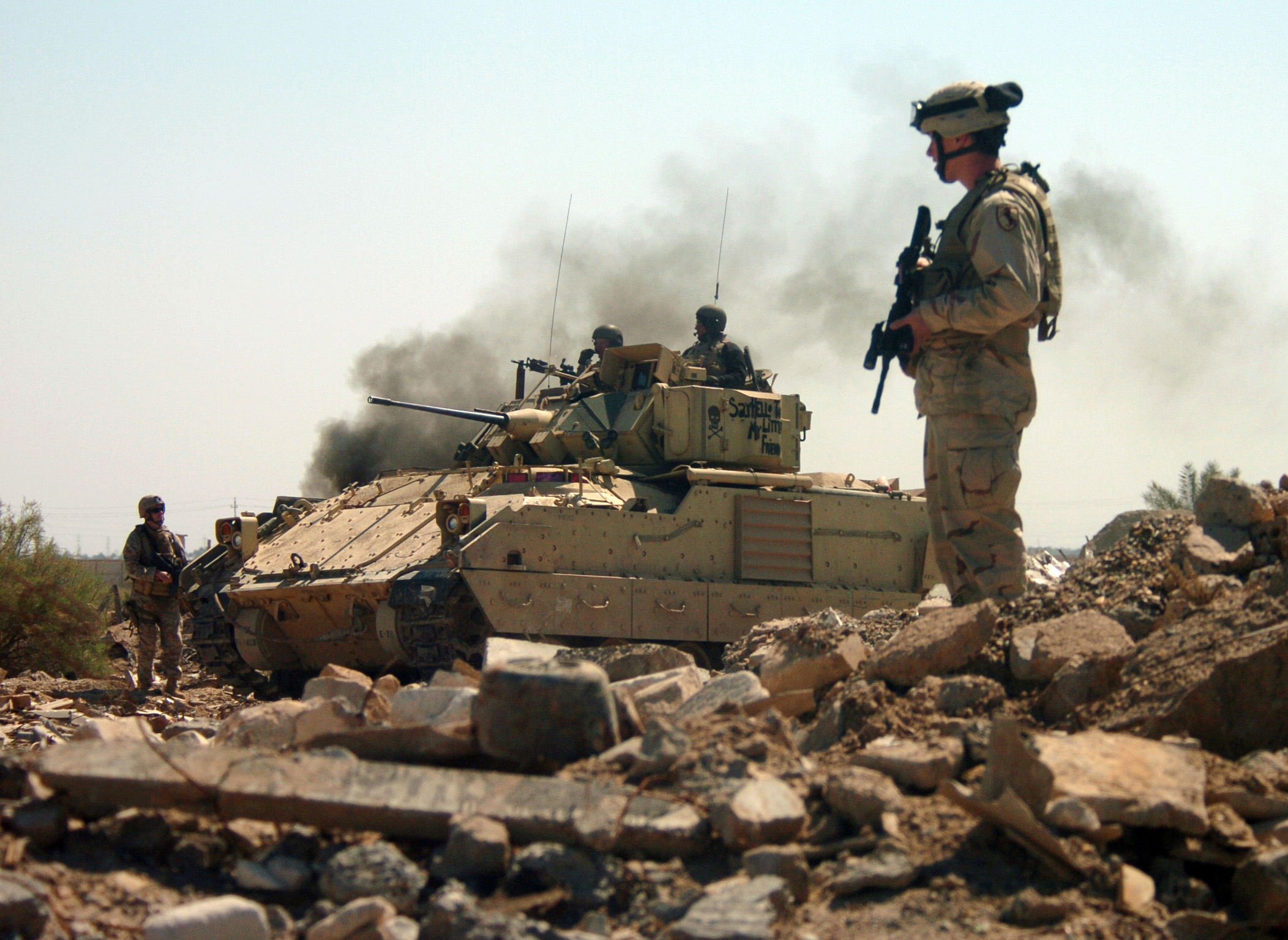
If RAVEN succeeds in the next, more challenging round of tests, the BAE jammer will ultimately go on the 1980s-vintage M2 Bradley. That's a big part of the Army’s urgent push to protect American armored vehicles against Russian-made anti-tank missiles in widespread use around the world.

WASHINGTON: At least a dozen major Army weapons programs face big decisions in 2019. The service will launch a competition for new armored vehicles; award development contracts for scout aircraft and helicopter engines; conduct key tests of long-range missiles, anti-aircraft defenses, rifles, targeting goggles, and multiple battlefield networks; and field new electronics for command posts.
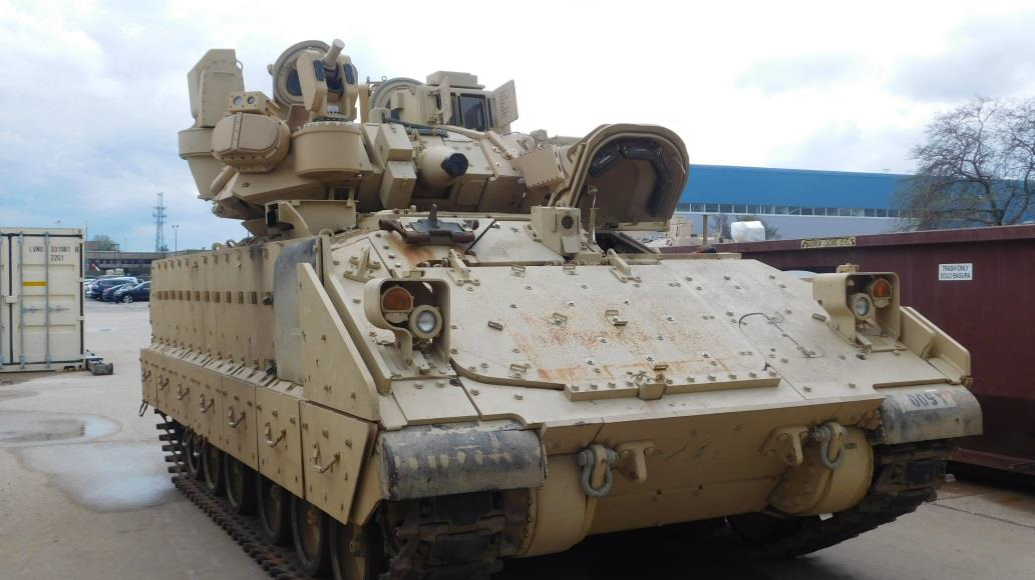
Last month, the Army committed to buying an initial brigade's-worth of the Iron Fist Active Protection System for the M2 Bradley. Meanwhile, with Tuesday morning's announcement, the US is spending over $200 million to install the rival Trophy APS on not only Army but Marine Corps M1 Abrams tanks.


Knowing when to build on commercial systems and when to develop something new can be the difference between parity and information dominance.

"Before I took office," IAI chairman Harel Locker said at a recent conference, "(I) realized that if the company did not change, it could collapse within a few years."
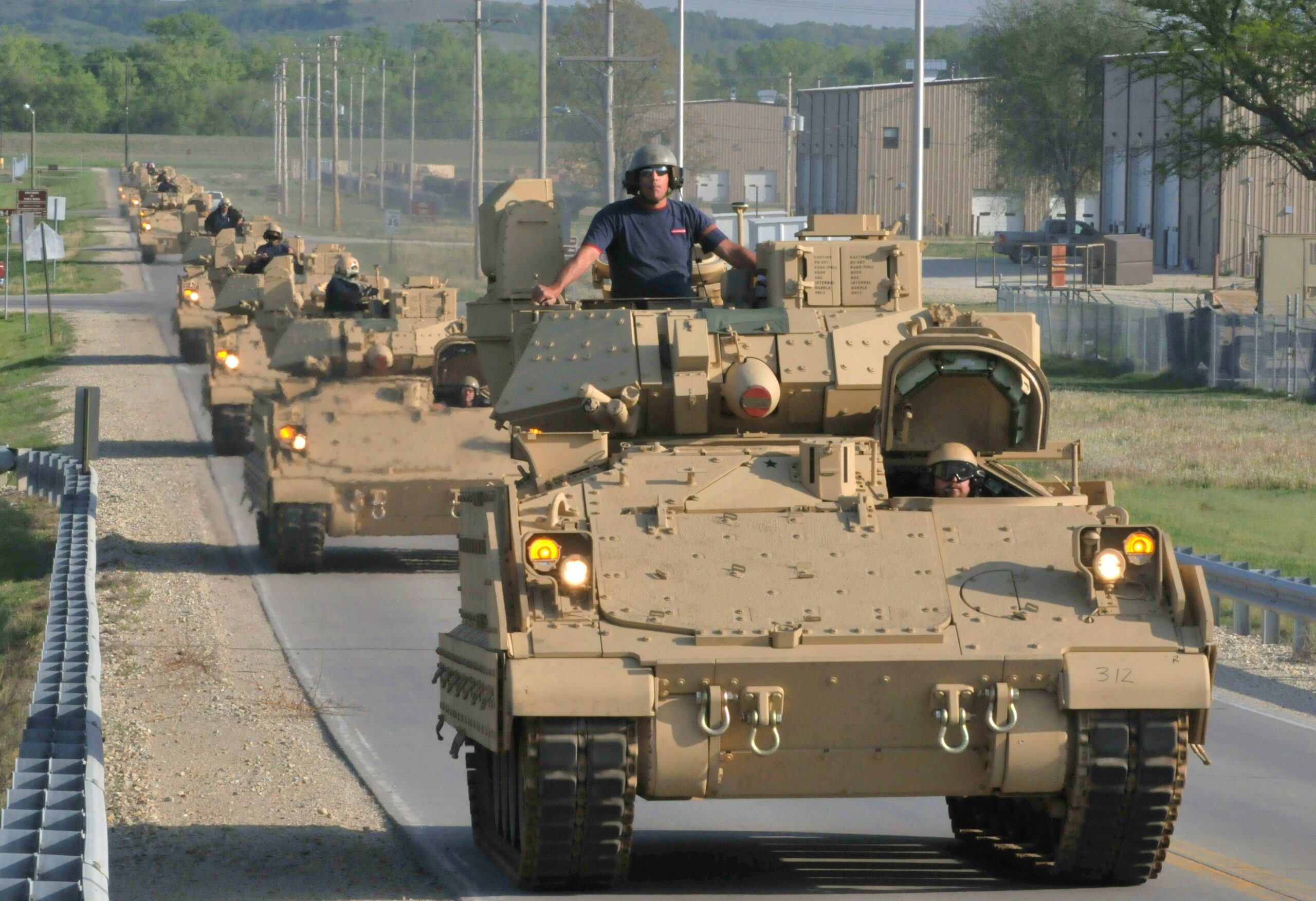
WASHINGTON: Seeking to stop Russian-made anti-tank missiles, the US Army will buy Israel’s Iron Fist Active Protection System for a brigade of its M2 Bradley armored vehicles, Breaking Defense has learned. The decision comes after weeks of confusing statements by Army officials and months of delays fitting the high-tech active protection on a Cold War-vintage […]

Israel’s new Eitan armored personnel carrier is in final field testing with the celebrated Nahal infantry brigade, with series production to begin in 2021. Once the Israelis have enough Eitans to replace the last of their decades-old M113s, they plan to offer the new APC for export — and already foreign armies have sent observers […]
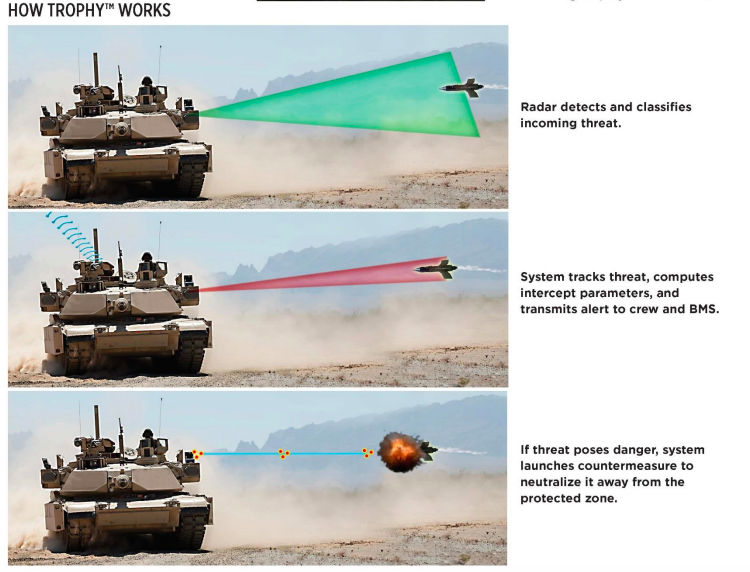
The latest version of Israel's Trophy defense system stopped more than 95 percent of roughly 300 missiles and rockets shot at it in Israeli tests this summer, laying the groundwork for US Army testing this fall on the 8x8 Stryker armored vehicle.