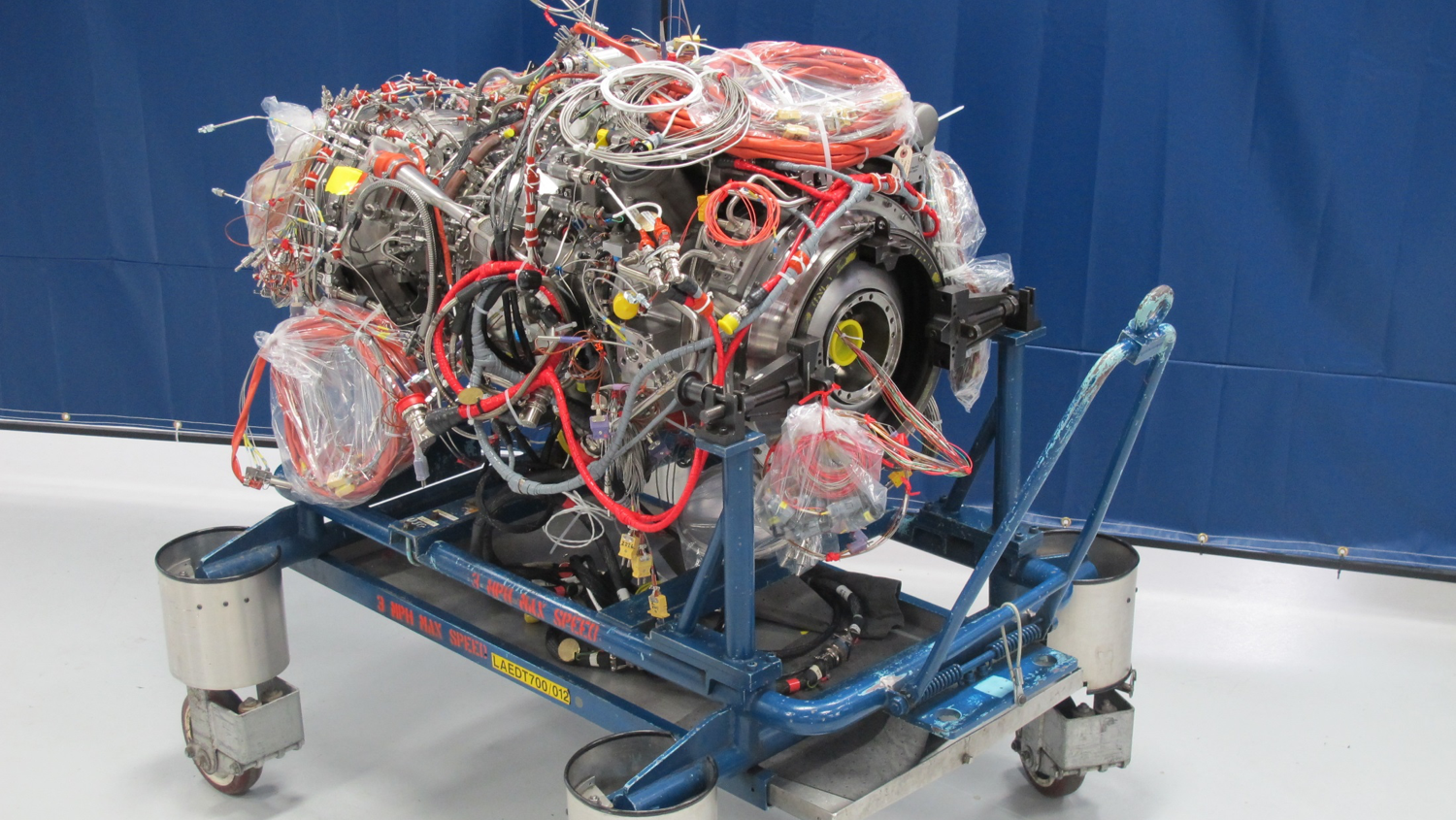
GE pushes for faster fielding of Army’s ITEP, Air Force’s NGAP engines
GE executive Mark Rettig said the company’s recent foray into hypersonic technology has opened a new range of opportunities for the engine maker.
GE executive Mark Rettig said the company’s recent foray into hypersonic technology has opened a new range of opportunities for the engine maker.

The two companies are facing off under the Next Generation Adaptive Propulsion program, which is developing a powerplant for an Air Force next-generation fighter — assuming one comes to pass.

Government can’t stop to update systems, so modernization has to happen without interruptions.

“Like all programs, the continuing resolution has the potential to have an impact. We have not worked through all the details if we had a sequestration scenario,” Pratt & Whitney's Jennifer Latka said about a stalled budget on Capitol Hill. “What I know now is that our schedule is on track, that we have identified funding to continue, and that’s not to say that that situation cannot change.”

"How in the hell do you lose an F-35?"

"[R]ight now with the way we're funded, we think we can carry both [companies] through prototype, and both are leaning in fully. And so then we’ll let the prototype and test do the evaluation,” Air Force propulsion chief John Sneden said.
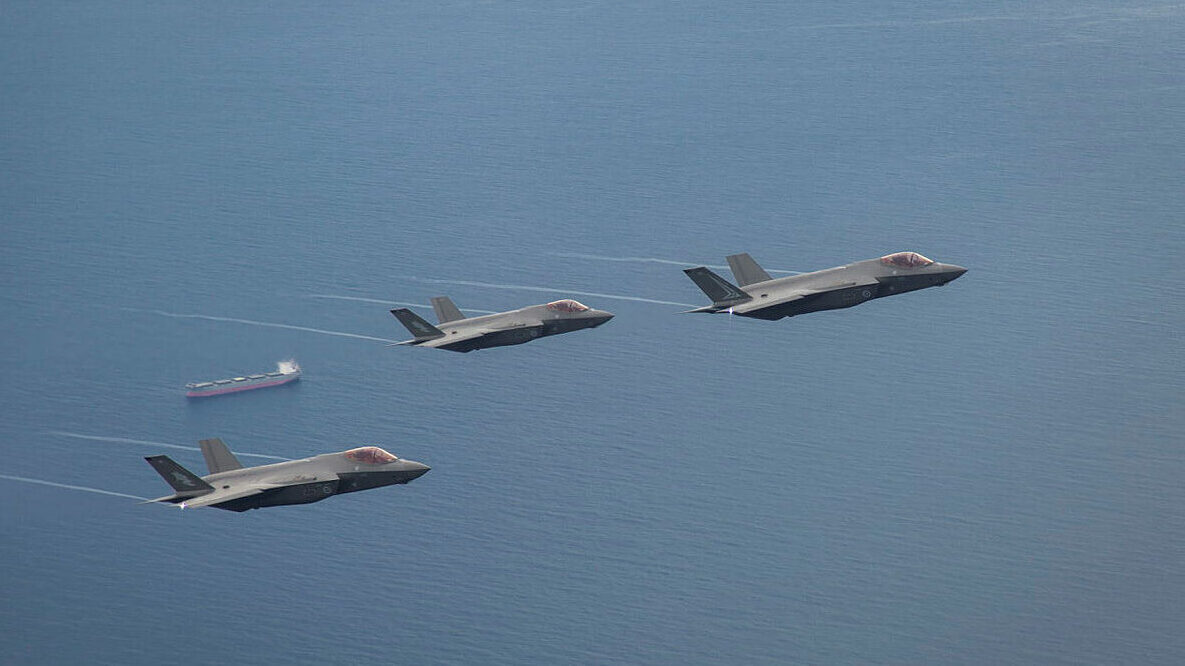
House appropriators do give money to the AETP program in their draft of fiscal 2024's defense appropriations bill, but another lawmaker says that it's just a "backup" and for research purposes.

As threats rapidly evolve, digital engineering, manufacturing capacity and robust supply chains are critical to meeting challenges.

In a high-profile public spat with little precedence between the airframe and engine giants, Pratt & Whitney executives are formally accusing Lockheed Martin of prioritizing its own bottom line by seeking an adaptive engine solution for the Joint Strike Fighter.

“I’m going to advocate, and I do advocate, for [the Adaptive Engine Transition Program, or AETP],” said Lockheed Martin aeronautics chief Greg Ulmer, who labeled “some” current approaches to the fighter's engine modernization as “short-sighted.”
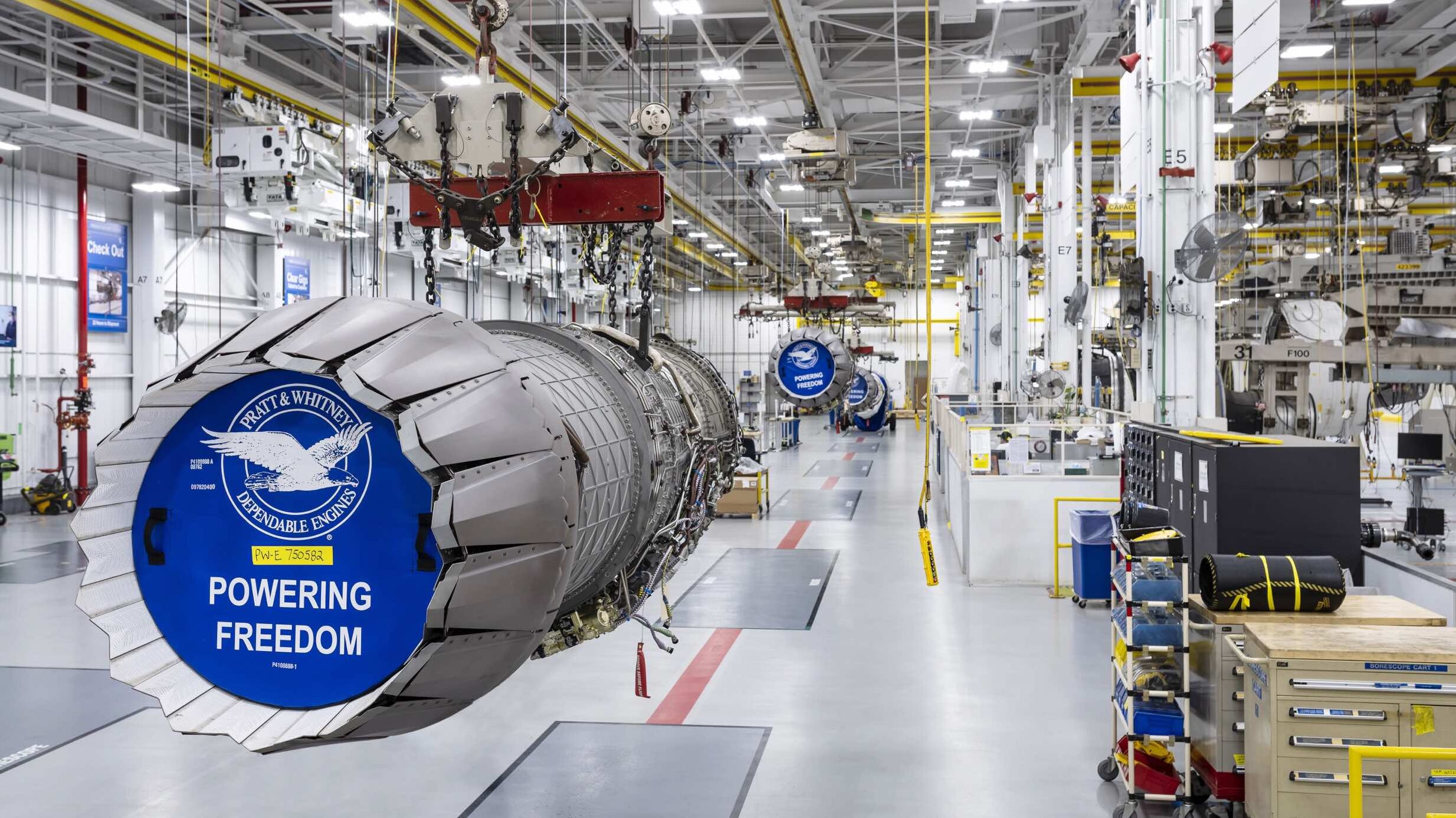
“We did the AETP line to keep that technology going as we head into sixth-generation aircraft that the Air Force and Navy are hoping to field in the 2030s,” a senior congressional aide said of the decision to seek continued funding for AETP.
A Pratt executive pushed back on a Government Accountability Office report that warned of production delays due to an inventory of engines being cleared out, and stated the company’s engine upgrade for the Joint Strike Fighter can support the jet's needs through Block 4.

Do more with less: streamline workflows, reduce duplication, invest upfront to save long-term.

Following the Air Force’s decision to forego a new engine for the F-35, General Electric is taking its fight to Capitol Hill to keep the Adaptive Engine Transition Program alive.

"I can tell you, this is going to get re-litigated in the committee and on the floor. And I just want to make sure people have the full scope of information to make the decision," said Wittman on the F-35's next engine.
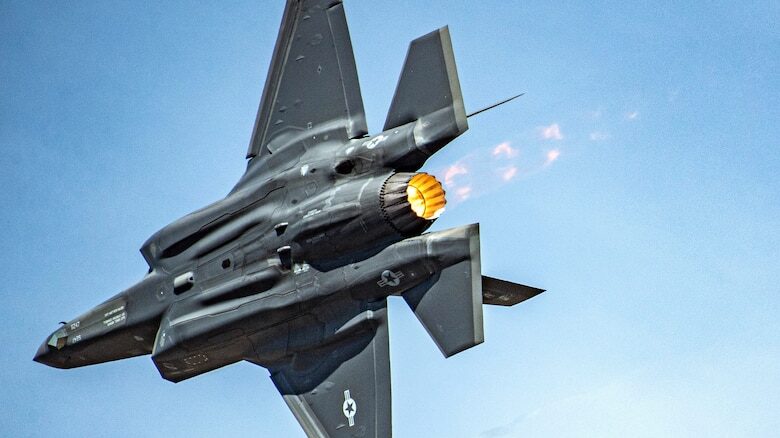
Asked whether the Air Force would be willing to try again on pursuing an adaptive engine if Congress provided more funding, service Secretary Frank Kendall said, "No, we've made our decision."
“The perception I think that's out there is that we're maintaining, if not advancing, our military advantage in propulsion," said John Sneden, director of the Air Force's propulsion directorate. “But the reality is ... we're essentially stagnating, and we're starting to lose.”