
US Army successfully tests Iron Dome at White Sands Missile Range
The Israeli-made system successfully knocked down cruise missile threats during the testing run by the US Army.
The Israeli-made system successfully knocked down cruise missile threats during the testing run by the US Army.
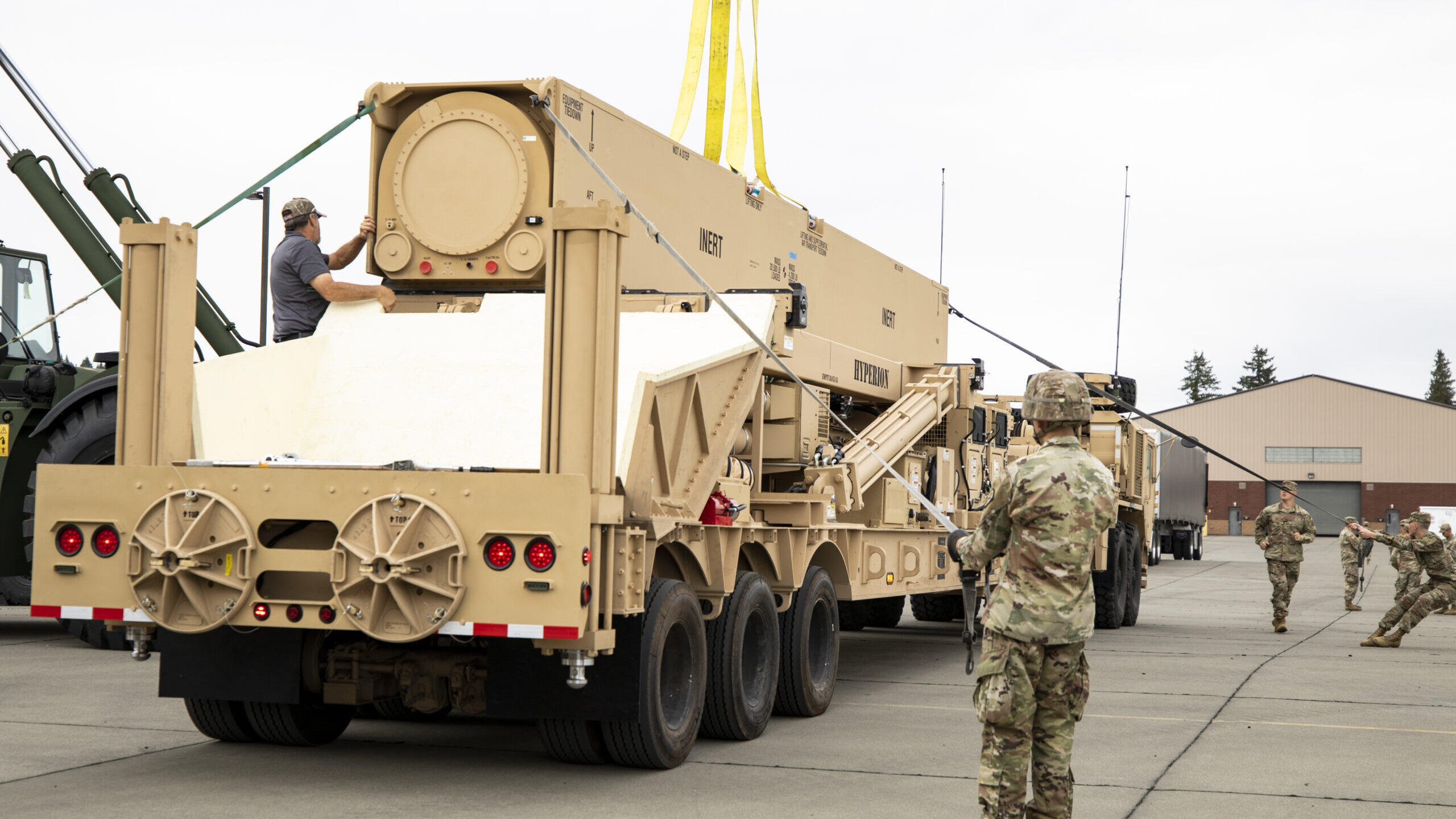
The Army boasts that about two-thirds of its modernization priority programs will be in various stages of prototyping by fiscal 2023.

Discover how unmanned systems and emerging technologies are shaping the future of U.S. naval power in Breaking Defense’s new eBook.

In August, the Army will pick a single vendor to build the Indirect Fire Protection Capability (IFPC), focused on countering cruise missiles and larger drones. Later upgrades will add lasers and counter-rocket capability.

“In my career, certainly this is the most amount of modernization I’ve seen,” Brig. Gen. Brian Gibson says. Can multiple Army programs make their 2023 deadline?

General Dynamics Land Systems can now order materials to start building the first 28 vehicles, worth a total of $230 million, in 2021.

Thursday's near-simultaneous intercept of a cruise missile and a ballistic missile was far from the hardest thing the IBCS battalion has done.

Government can’t stop to update systems, so modernization has to happen without interruptions.

Even with a relay taken down by jamming, the new IBCS network was able to fuse targeting data from Patriot and Sentinel radars, then shoot down two cruise missile surrogates with a single PAC-3 interceptor apiece.

Israel’s Rafael will soon ship the first missile defense battery to the US and wants to build a factory here. The really hard part: connecting Iron Dome to US Army command networks.

Postponed seven weeks by the pandemic, the high-stakes field test of the IBCS missile defense network is now back on, with elaborate precautions against COVID-19.
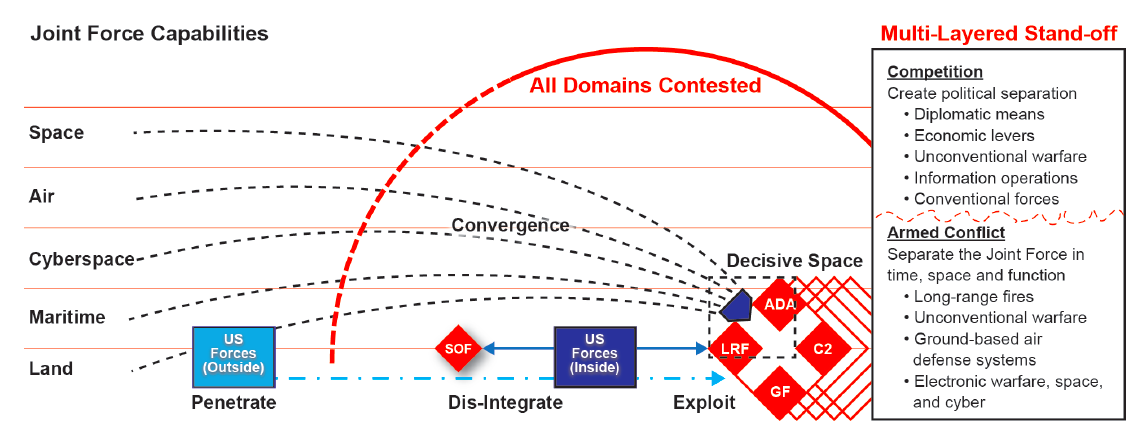
This fall’s experiment will study how the Army’s own weapons can share target data, Gen. Murray said, but in 2021 he wants to add the Air Force’s ABMS network.


As global navies adapt to evolving underwater threats, ASELSAN’s integrated sonar, countermeasure, and sonobuoy solutions offer a scalable, future-ready approach.

The Army wants to do a tech demonstration in the southwestern desert – COVID permitting – of how the new weapons systems it’s developing can share data.
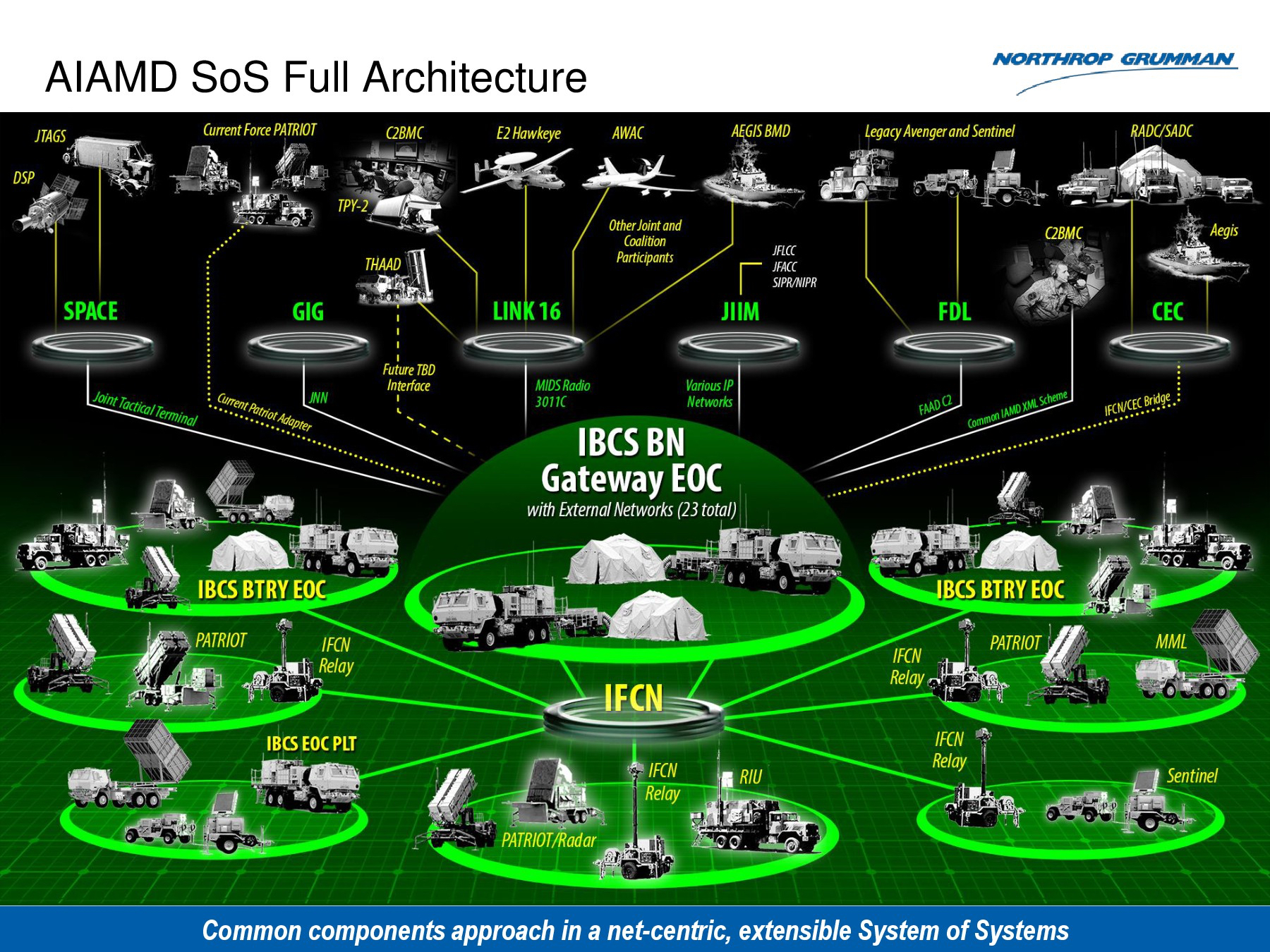
The Army’s eager to link its missile defense C2 network to the Air Force, Navy, and Marines – as long as that doesn’t slow the millisecond timing required to hit high-speed targets.
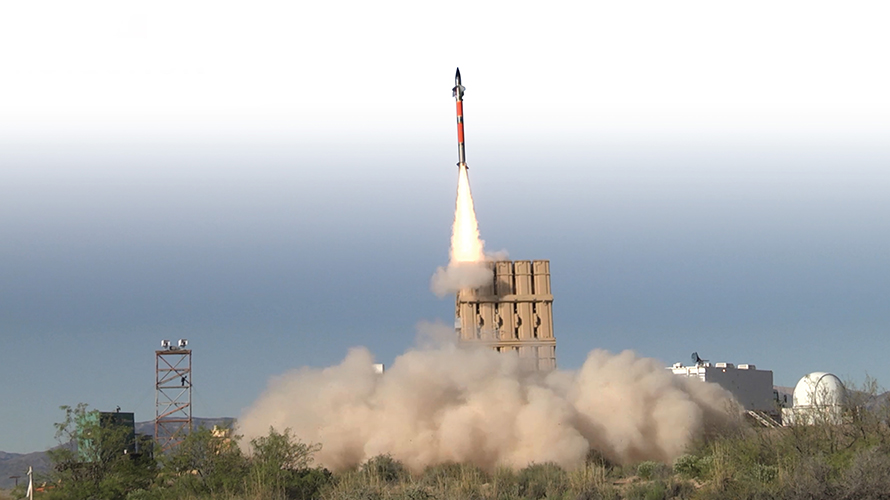
The Israeli-made system is incompatible with the US Army’s missile defense network, the head of Army Futures Command told us. So instead of buying more Iron Domes, he aims to hold a missile defense “shoot off” open to all comers.

“It was developed for a very specific threat and it does incredible things...we intend to operate it differently -- in support of an Army on the move. It’s not just going to be static.”