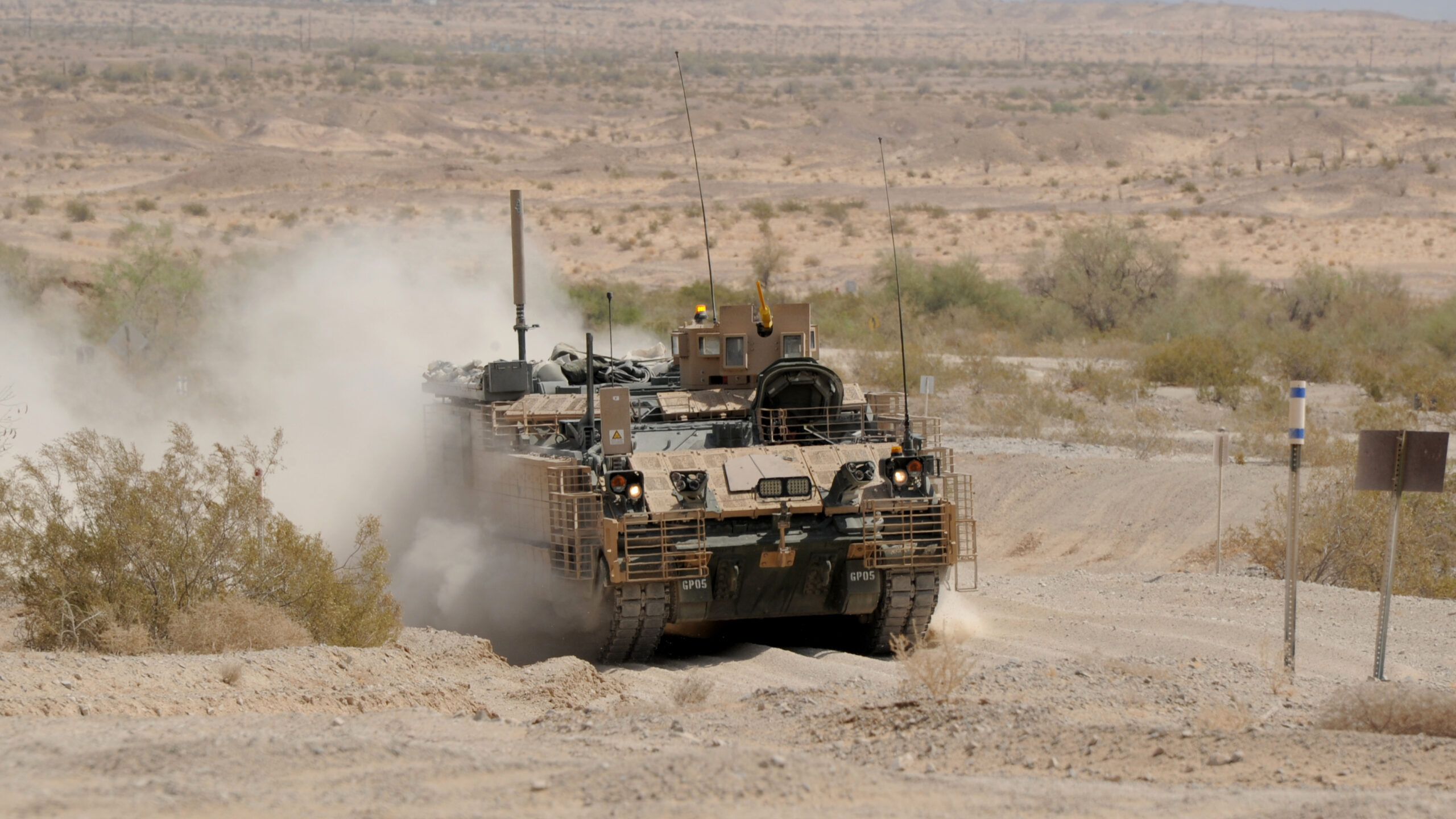
AMPVs and ACVs spur changes for BAE Systems’ York production line
Assembly of the Army’s new self-propelled howitzer program is moving out of the York facility to make way for an AMPV and ACV “Center of Excellence.”
Assembly of the Army’s new self-propelled howitzer program is moving out of the York facility to make way for an AMPV and ACV “Center of Excellence.”
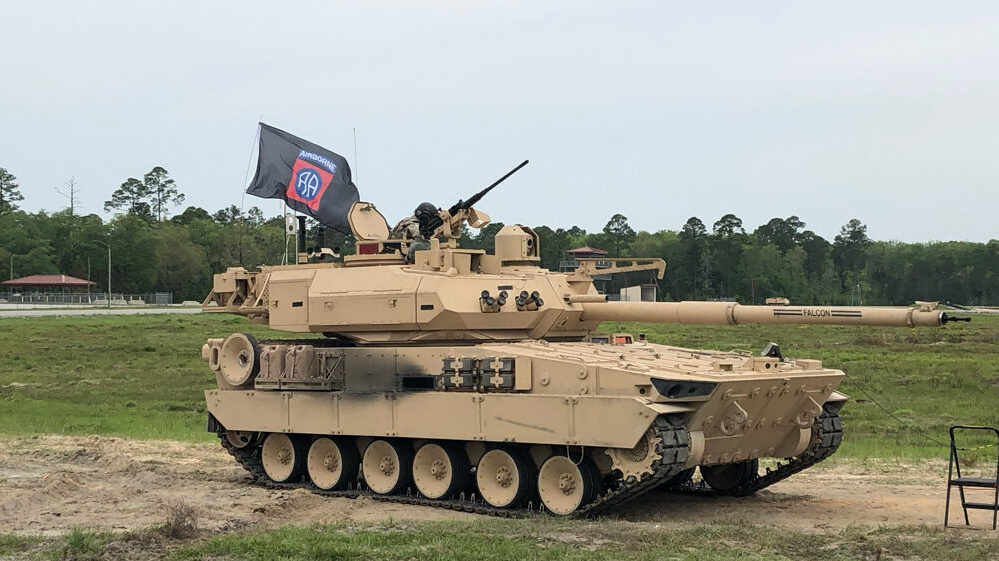
Service FY24 budget documents unveil plans to buy fewer “light tanks,” M88 recovery vehicles, and halt upgunned Stryker procurement in the outyears.


On today’s battlefield, mobility isn’t optional - it’s mission-critical.
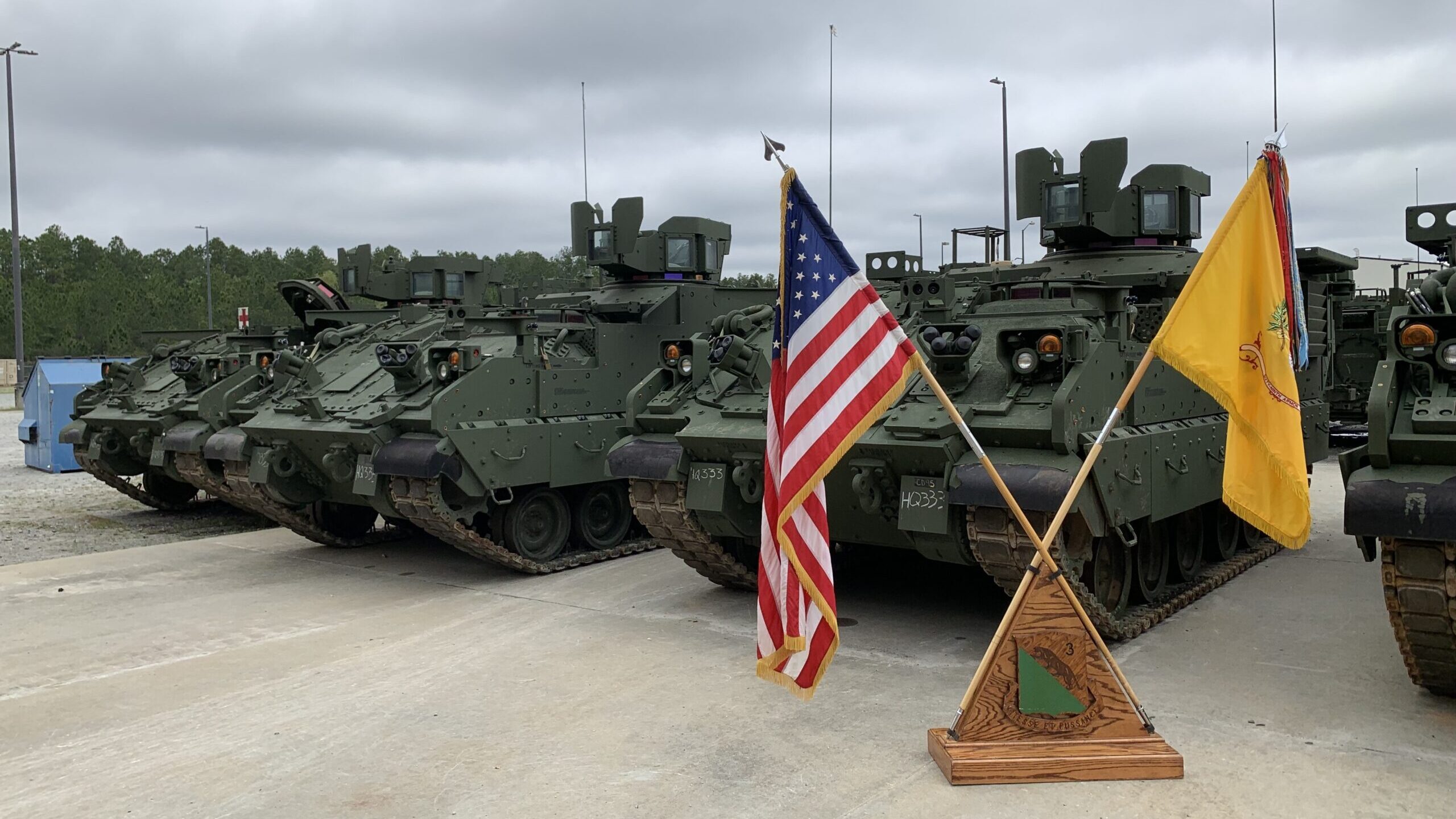
If approved, the US Army will lean on BAE Systems to ramp up production from 12 vehicles per month to 16 over the next two years.
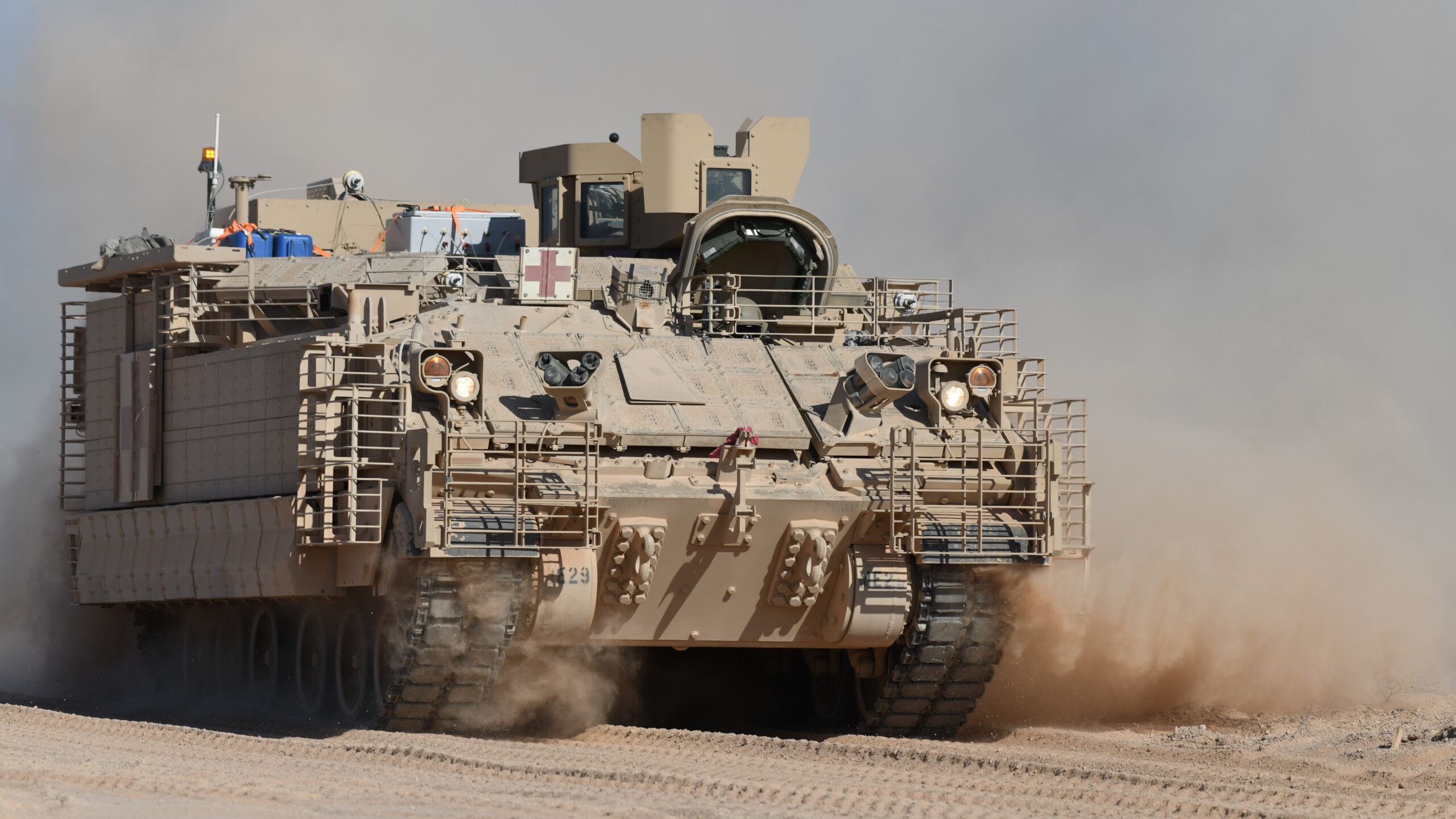
The once-embattled programs has been building AMPV at full-rate production for the last four months, Bill Sheehy, the company's AMPV program manager, told Breaking Defense.

BAE’s press release features a shadowy silhouette of a previously unseen vehicle. Could this be BAE’s proposal for the Optionally Manned Fighting Vehicle?
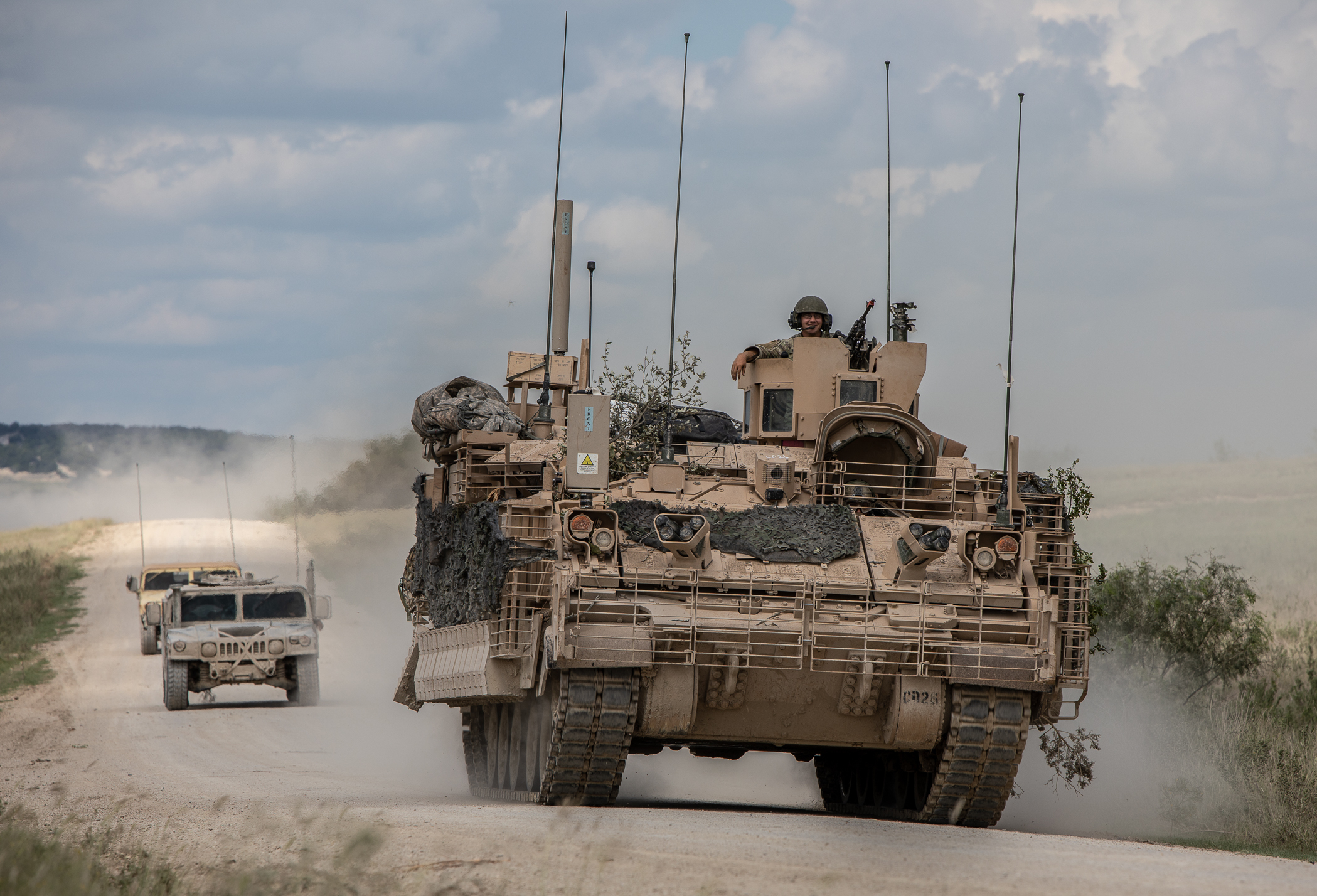
Adding robot scouts and replacing vintage vehicles – the M113, the M2 Bradley, and potentially even the M1 Abrams – will make heavy brigades much more mobile, lethal, and aware of threats, Maj. Gen. Richard Ross Coffman says.

Partnerships with outside industry are a cornerstone of the kingdom’s ambitious growth strategy.
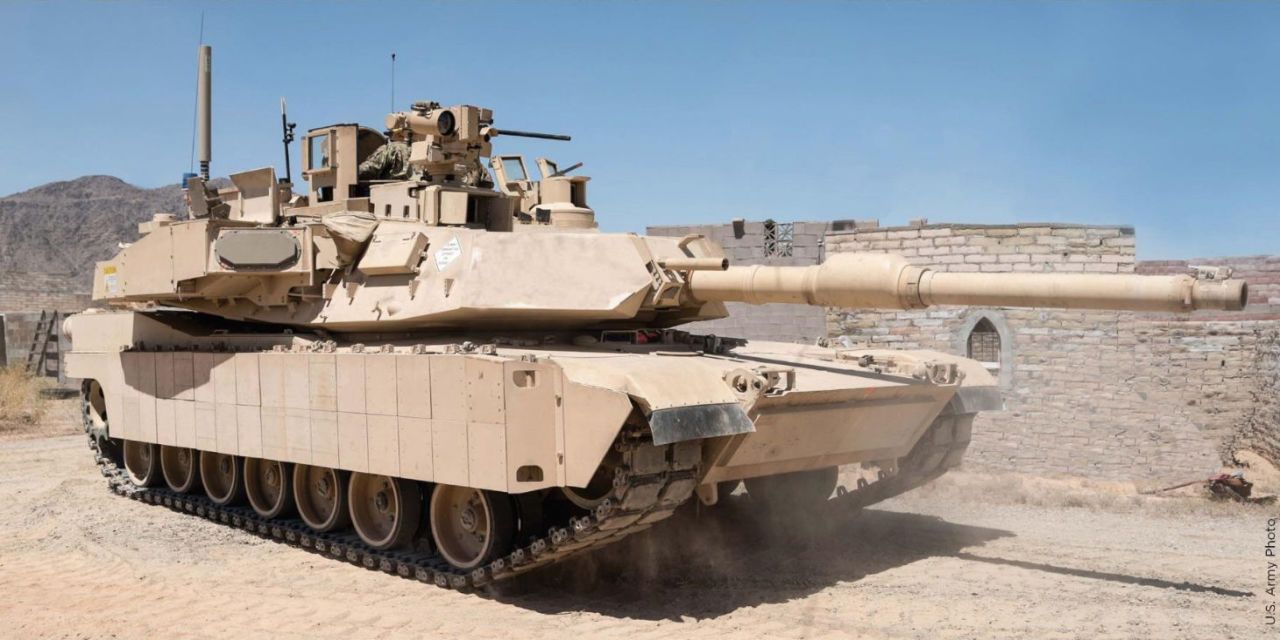
The Army’s already installed off-the-shelf Israeli anti-missile systems on its M1 Abrams and tried similar tech on Bradley and Stryker. But what it really wants is a standardized yet customizable Modular Active Protection System (MAPS) it can install on a wide range of vehicles.
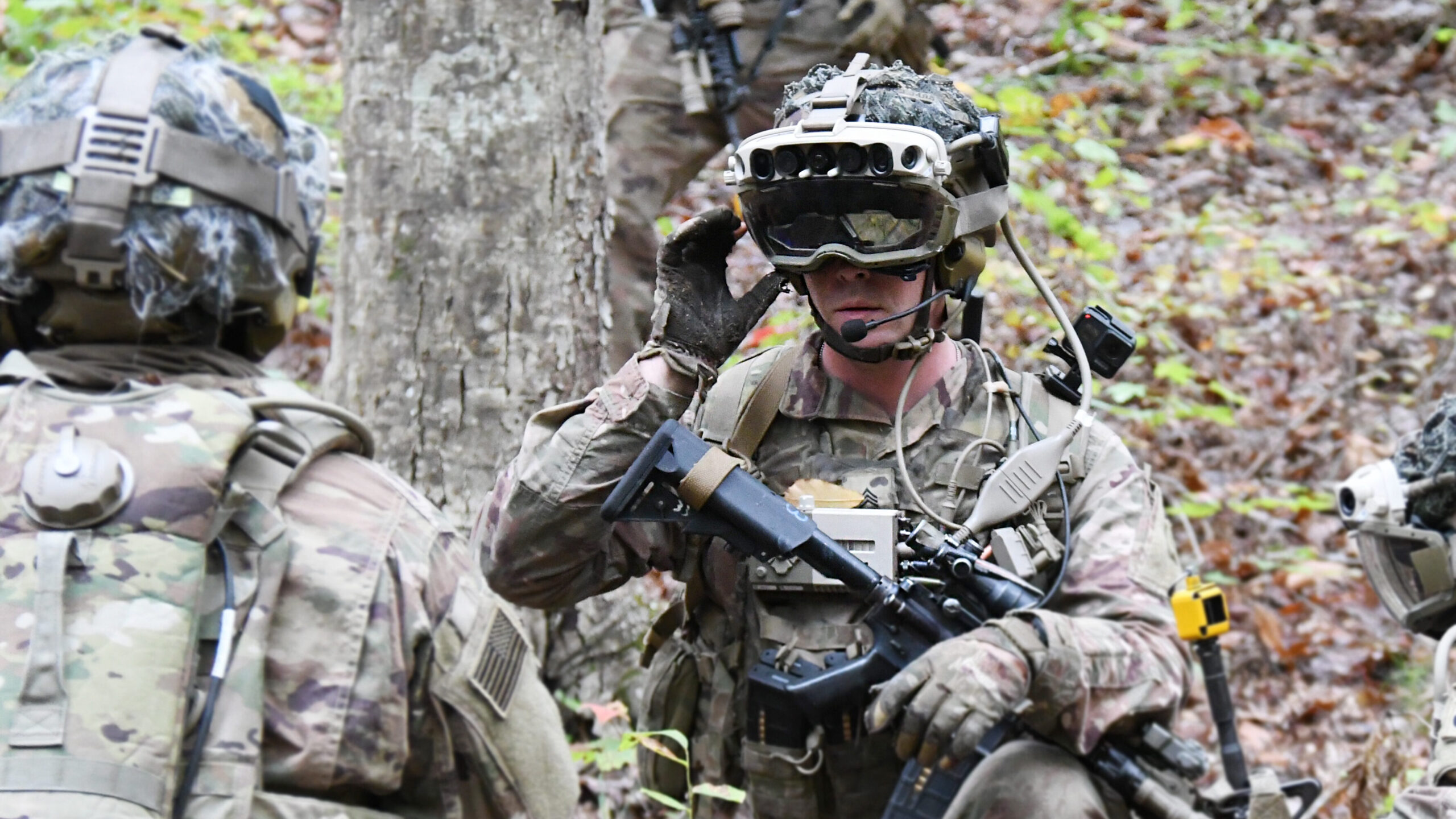
The cutting-edge IVAS targeting goggles took a $230 million hit, while the latest upgrade to the venerable CH-47 Chinook – which the Army doesn’t actually want – got a $165 million boost.
BAE Systems' York, Penn. plant has overcome COVID and quality-control problems to get the Armored Multi-Purpose Vehicle and the Paladin howitzer back on track, Army officials told Breaking Defense.

COVID-19 and quality control problems at BAE’s York, Penn. plant had slowed the replacement of the Vietnam-vintage M113 armored vehicle.


Balancing security and access to data are critical to providing users with trustworthy, reliable data for real-time decisions.
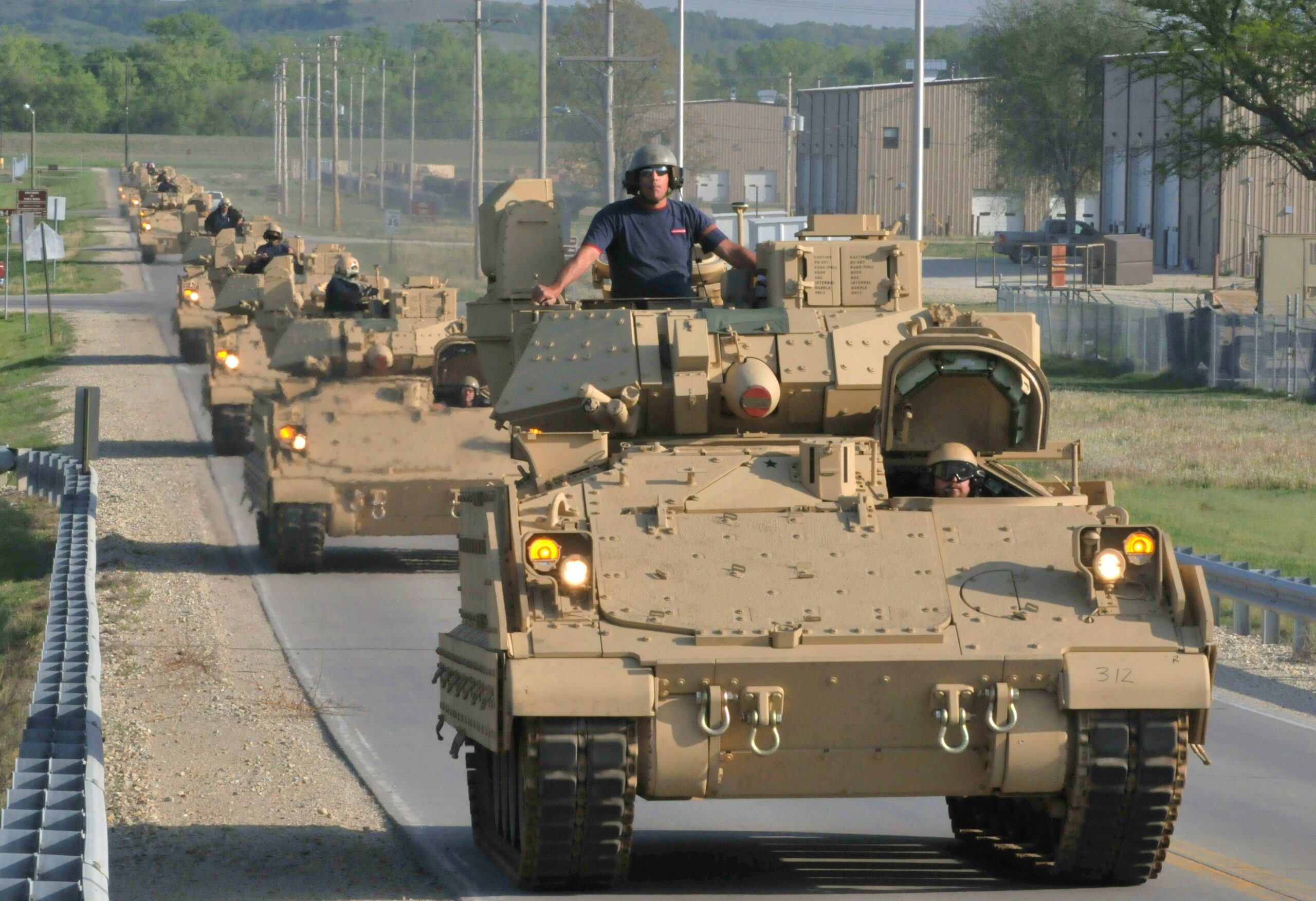
The 1,000-horsepower Advanced Powertrain Demonstrator could upgrade the M2 Bradley or drive new kinds of manned and robotic vehicles.

Even with faster medevac aircraft, uparmored ambulances, and more medical personnel at the front, will casualties get to life-saving care within the "golden hour"?

All told, the Army's investing $57 billion in modernization over five years -- but it wants to take time to test new technologies before it commits to them.
In Iraq, M113 variants were deemed too vulnerable to roadside bombs and confined to base. But in a fast-moving mechanized war in Eastern Europe, the armored brigades would need support vehicles that stand a chance against Russian firepower.