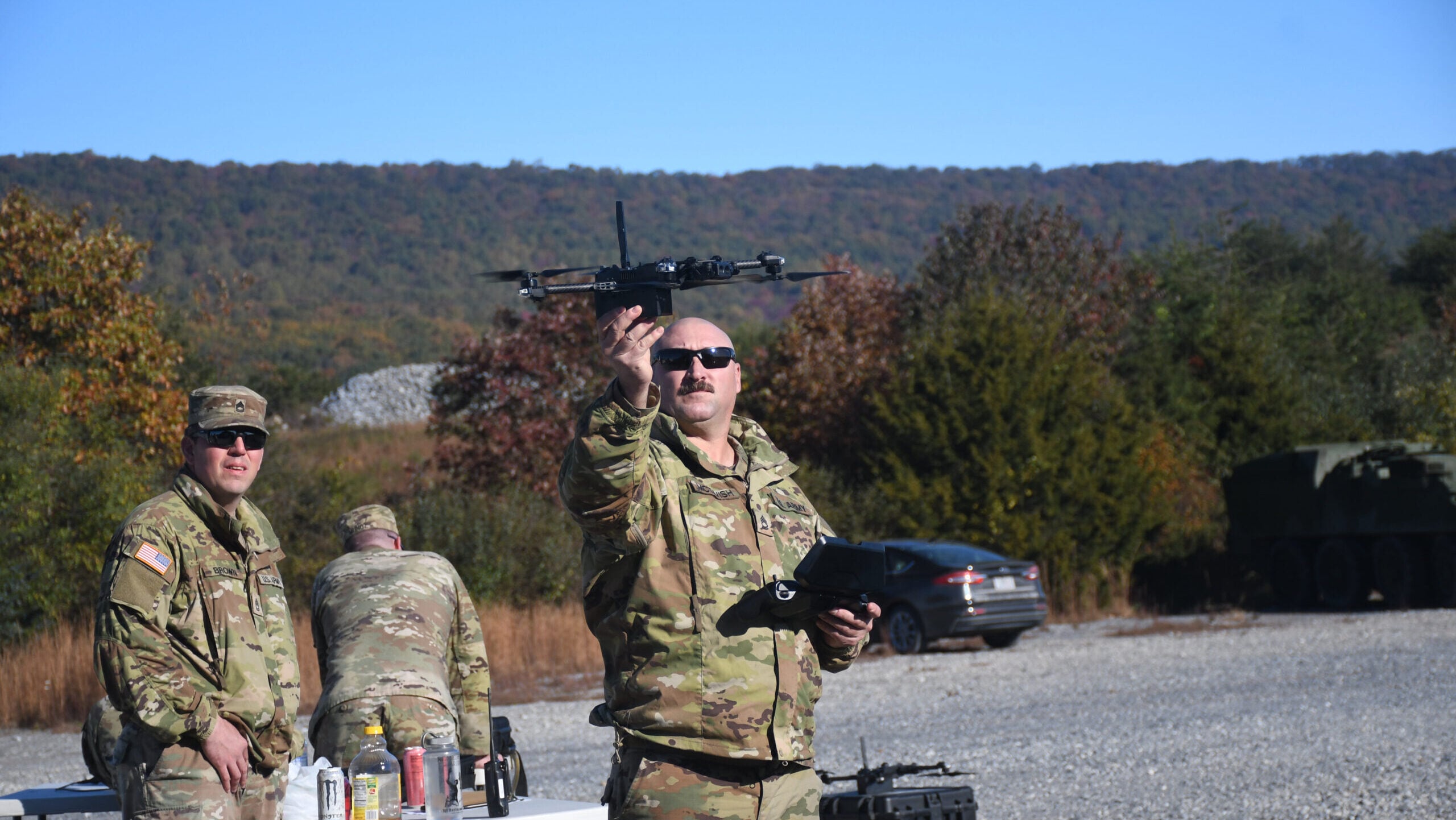
Pentagon chiefs eye Ukraine’s surprise drone strike with anxiety – and envy
Service leaders worry about base defense, but Gen. David Allvin also asked, "Why don't we think about including that in our Air Force and doing like the Ukrainians do?”
Service leaders worry about base defense, but Gen. David Allvin also asked, "Why don't we think about including that in our Air Force and doing like the Ukrainians do?”
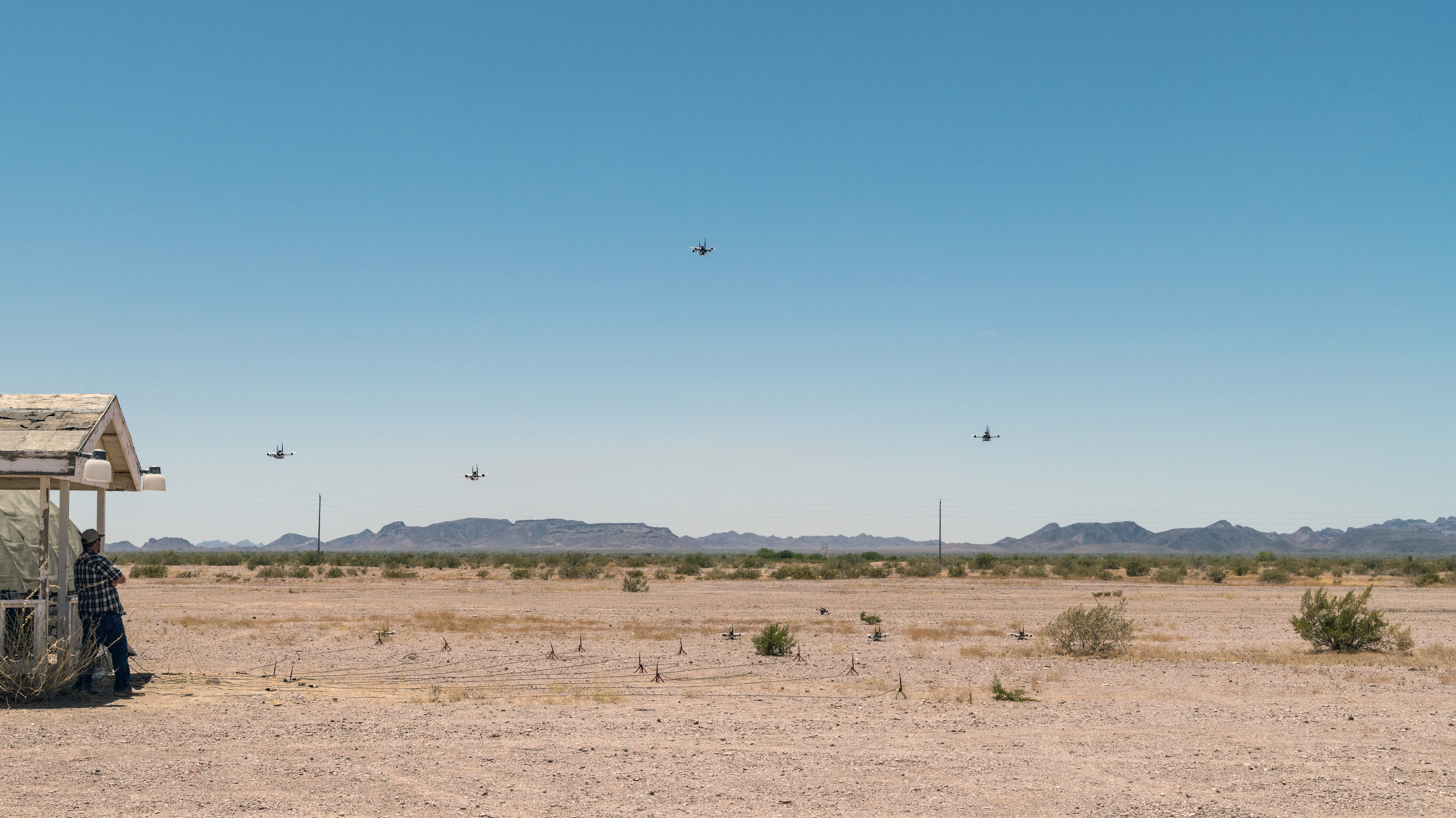
Eight counter-UAS systems — wielding a mix of radars, machineguns, missiles, jammers, and more — were tested against swarms of up to 50 drones of different types attacking simultaneously from different directions and speeds.


Why edge and endpoint security can’t be an afterthought.

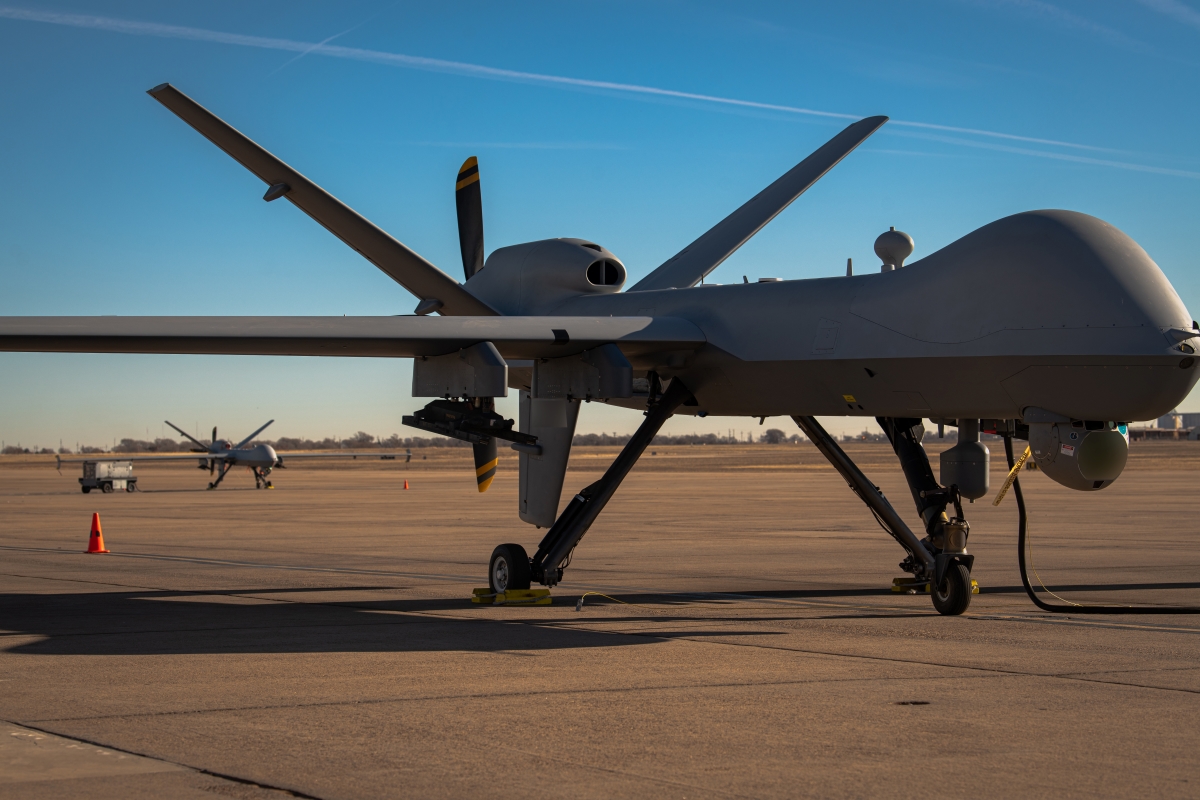
These upgrades will play a central role in the way American and allied forces fight, and are destined to keep them at the vanguard for a long time.

Over the last 11 months, the US has made major progress in defining “Responsible Military Use of Artificial Intelligence” and even getting other nations to sign on the idea — without ever actually precluding the kind of automated “killer robots” activists want to ban.

"I think it's September you'll see us open up up the aperture, looking at other capabilities besides low collateral effects," said Stan Darbro, Army RCCTO deputy.

Crucial to the promise of MORFIUS is its ability to zap many drones at once in mid-air, far from the friendly vehicles, buildings, or people actively being defended.

The network transport architecture for NGC2 could be a hybrid approach that combines high assurance communications with 5G, WiFi, and multi-orbit satellites.
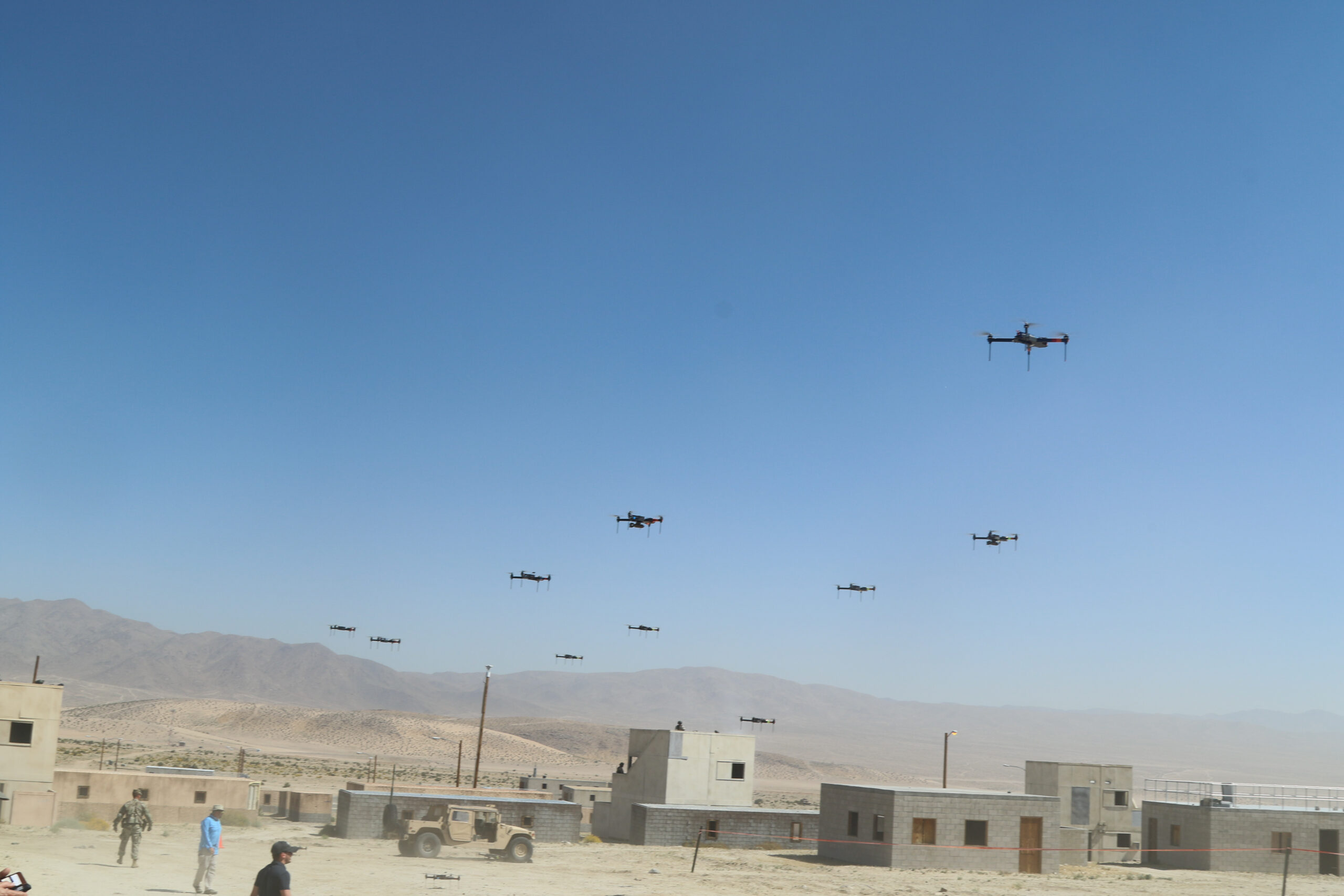
In April, the Yuma, Ariz. test range will host a competition of “low collateral damage” countermeasures designed to stop mini-drones without firing a shot. But can such a restrained approach stop the drone swarms Russia and others are developing?
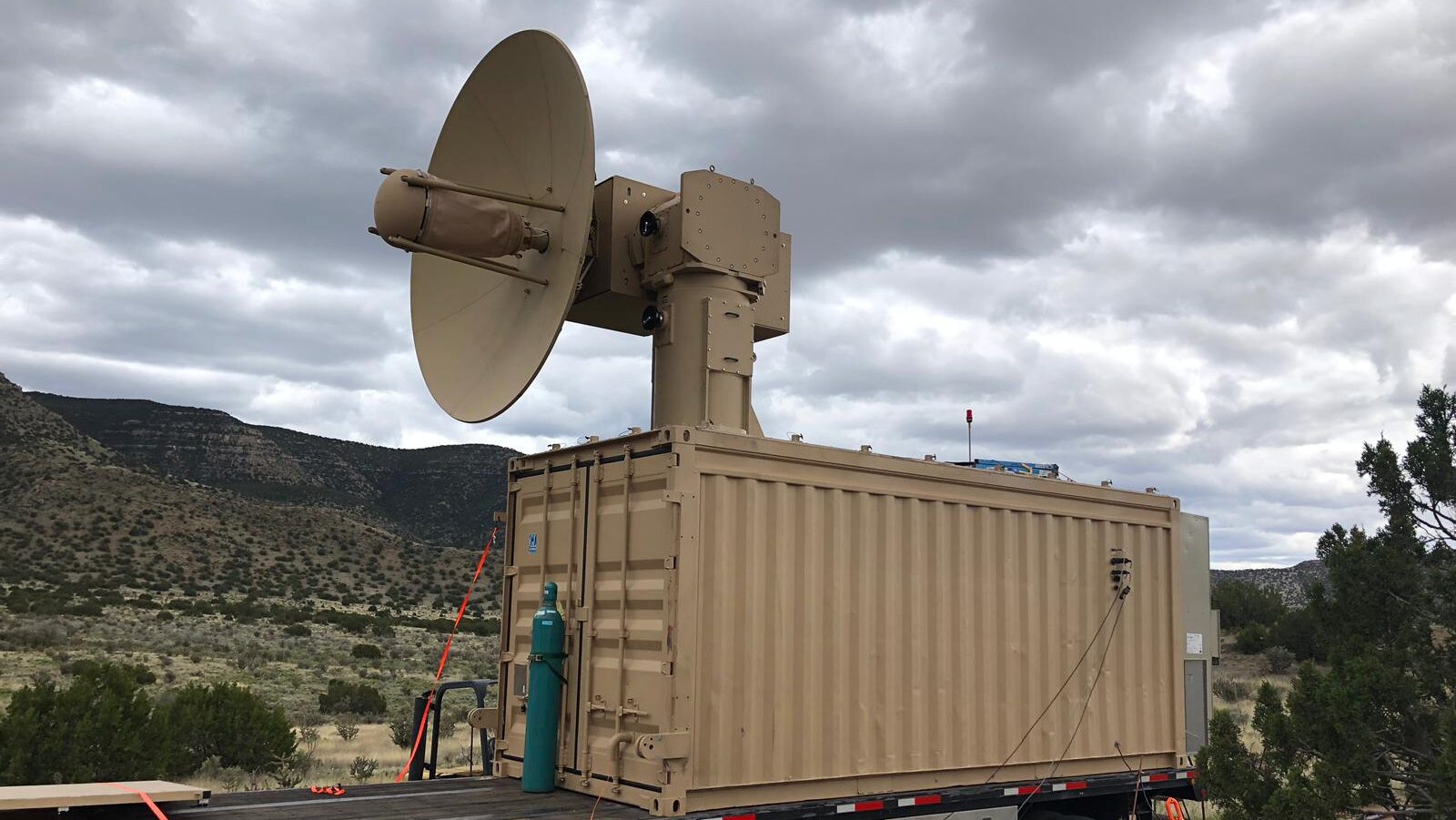
"I've watched it in action and its really quite impressive," says Air Force Chief Scientist Richard Joseph.
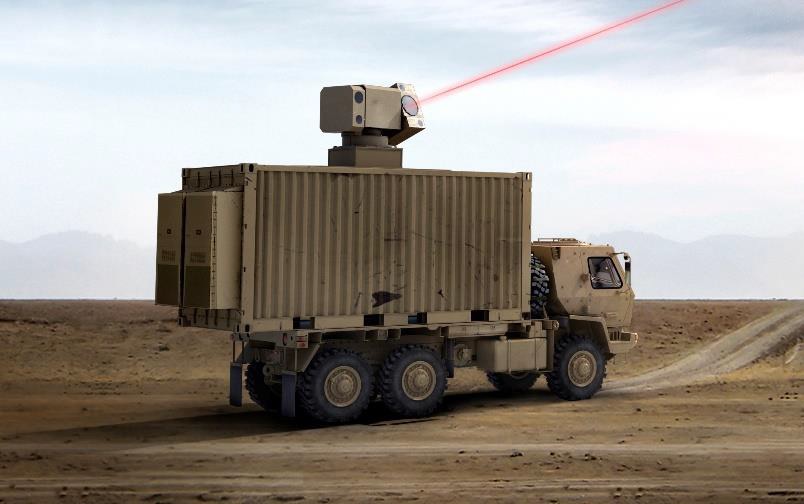
GA is building a prototype 300-kW missile defense laser for the Pentagon and a 250-kW airborne version with Boeing.
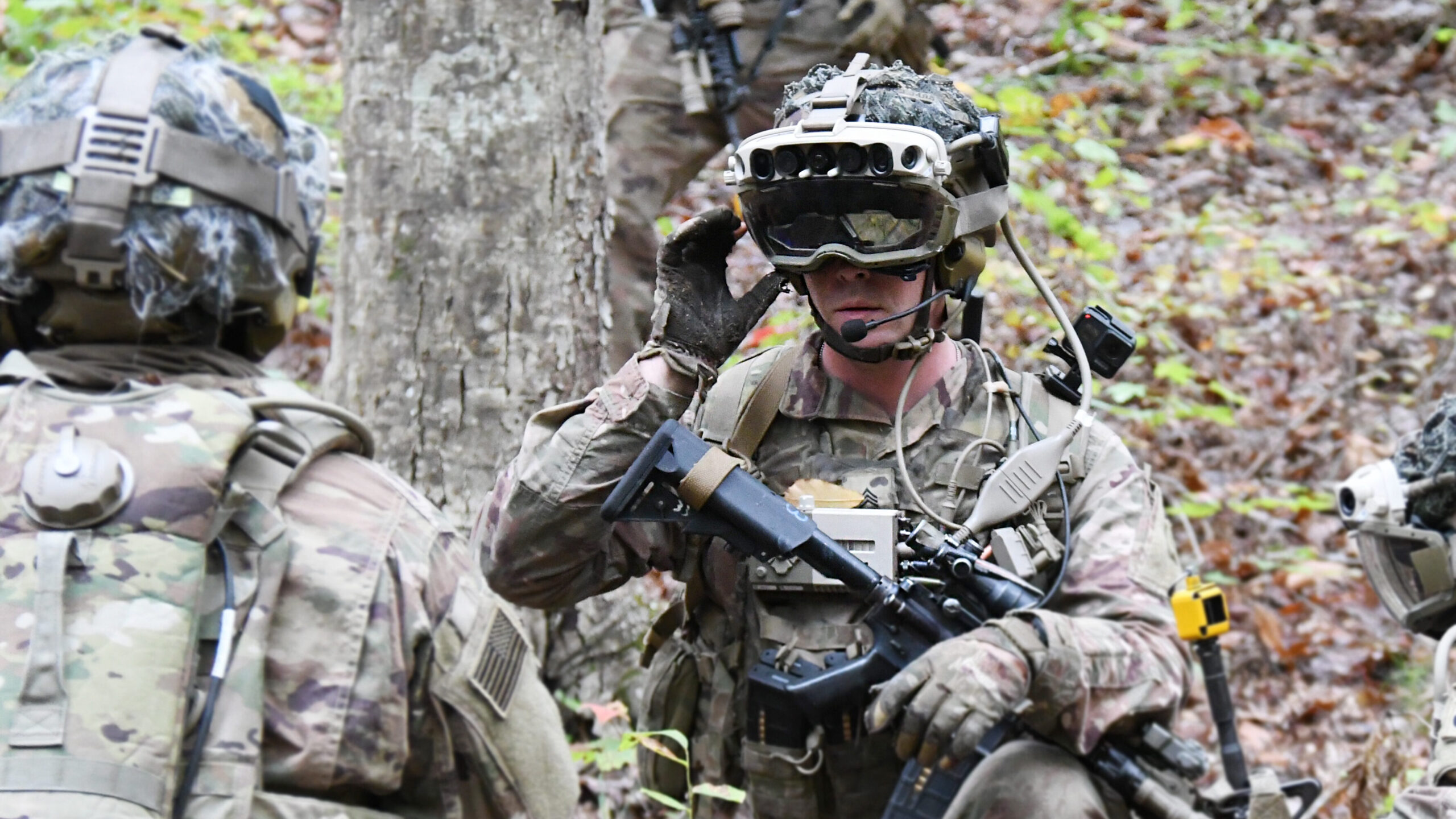
The cutting-edge IVAS targeting goggles took a $230 million hit, while the latest upgrade to the venerable CH-47 Chinook – which the Army doesn’t actually want – got a $165 million boost.

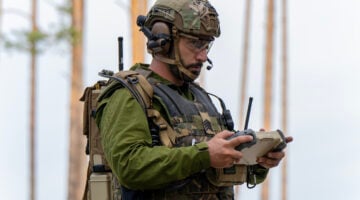
Reducing cognitive overload on warfighters while improving “time to trust” for autonomous systems is a matter of design.
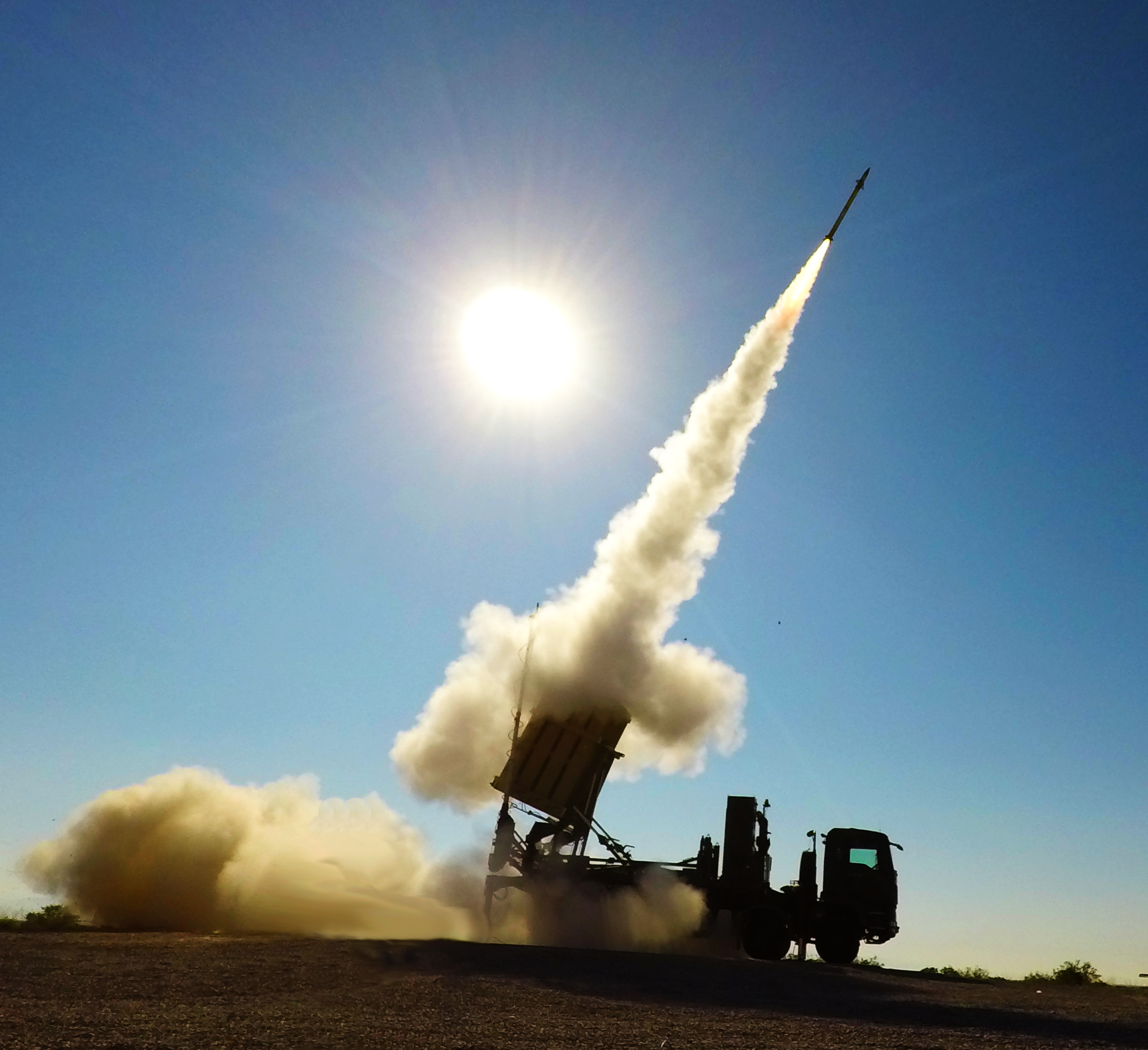
The two air & missile defense batteries will be based at Fort Bliss, Texas, with the first Iron Dome weapons systems arriving from Israeli manufacturer Rafael by the end of the year.

General Dynamics Land Systems can now order materials to start building the first 28 vehicles, worth a total of $230 million, in 2021.
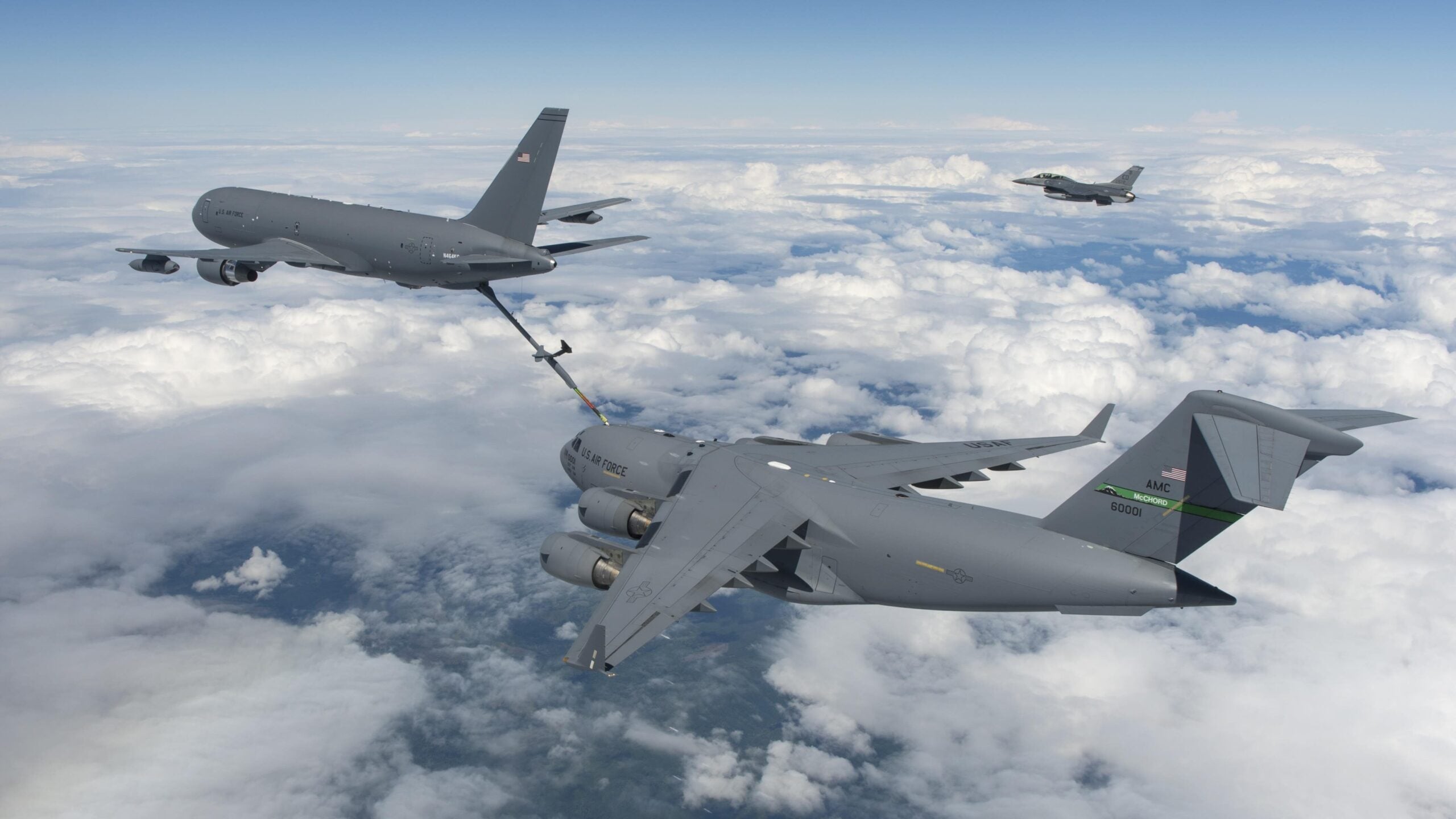
As Air Mobility Command looks to connect its aircraft to high-speed battle networks like ABMS, it is still struggling to get its KC-46 tankers working properly.

An unprecedentedly quick 15-week review identified 100 mHZ of spectrum, now heavily used by military radars, that will be auctioned off in December 2021.