
OMFV: Korea’s Hanwha Is Officially In
The Korean company is partnering with US-based Oshkosh. That means at least five teams are now competing to replace the M2 Bradley, a far stronger response than the Army’s first attempt in 2019.
The Korean company is partnering with US-based Oshkosh. That means at least five teams are now competing to replace the M2 Bradley, a far stronger response than the Army’s first attempt in 2019.

BAE’s press release features a shadowy silhouette of a previously unseen vehicle. Could this be BAE’s proposal for the Optionally Manned Fighting Vehicle?

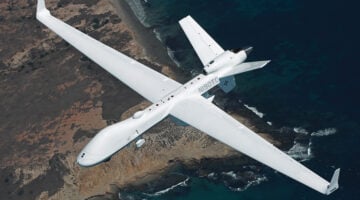
The MQ-9B and Gambit Series represent parallel capabilities that address global challenges for security head-on.
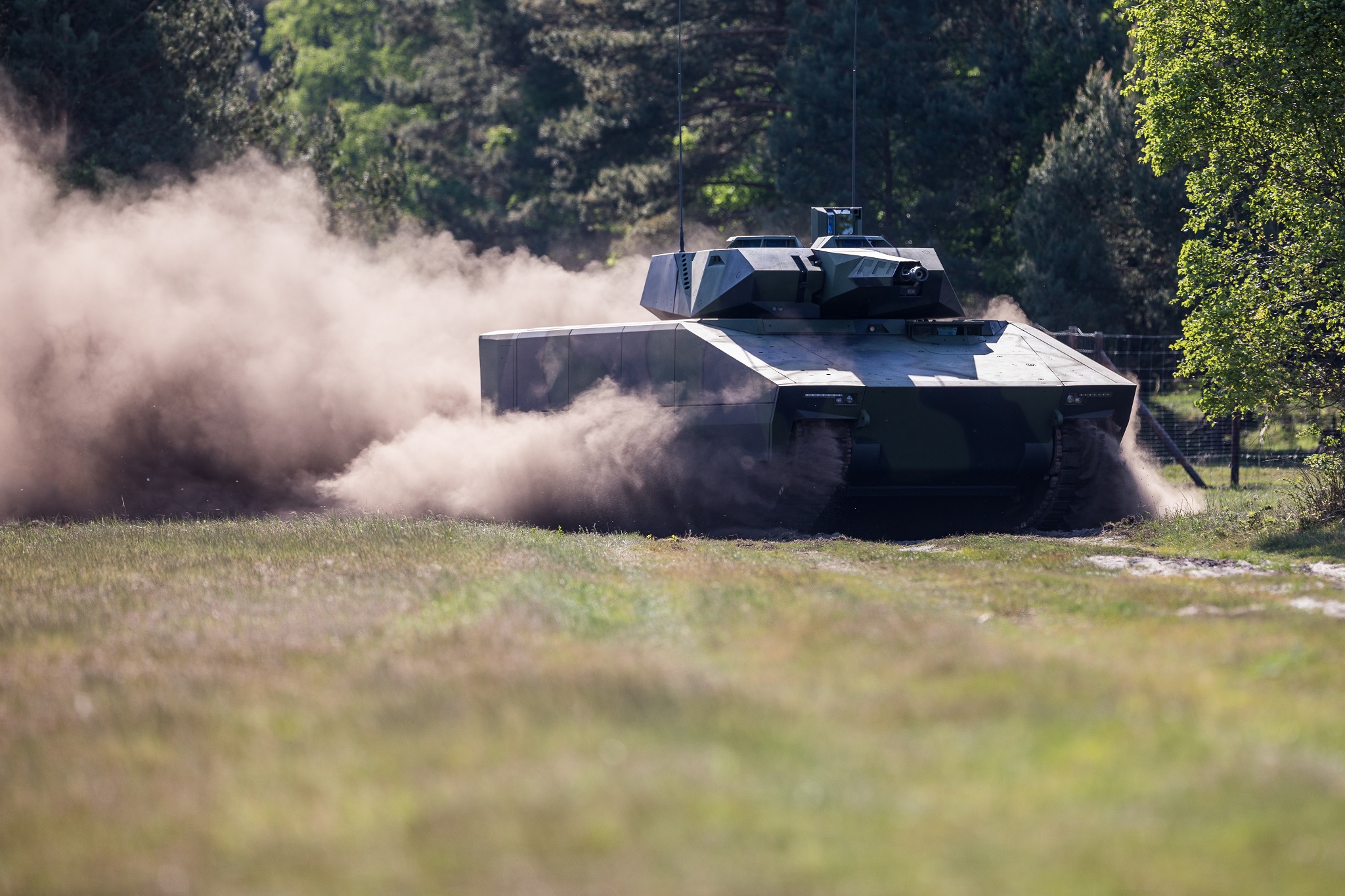
L3Harris joins Textron and Raytheon on Rheinmetall’s team to refine the heavily armored, high-tech Lynx for the Army’s Optionally Manned Fighting vehicle competition.

The Army Chief of Staff defended the service’s ambitious modernization program, particularly new armored vehicles and long-range missiles.

Manned armored vehicles will have a place even in a world of killer drones, experts agreed. But will they engage the enemy directly with big guns, or stay hidden and send out armed robots instead?
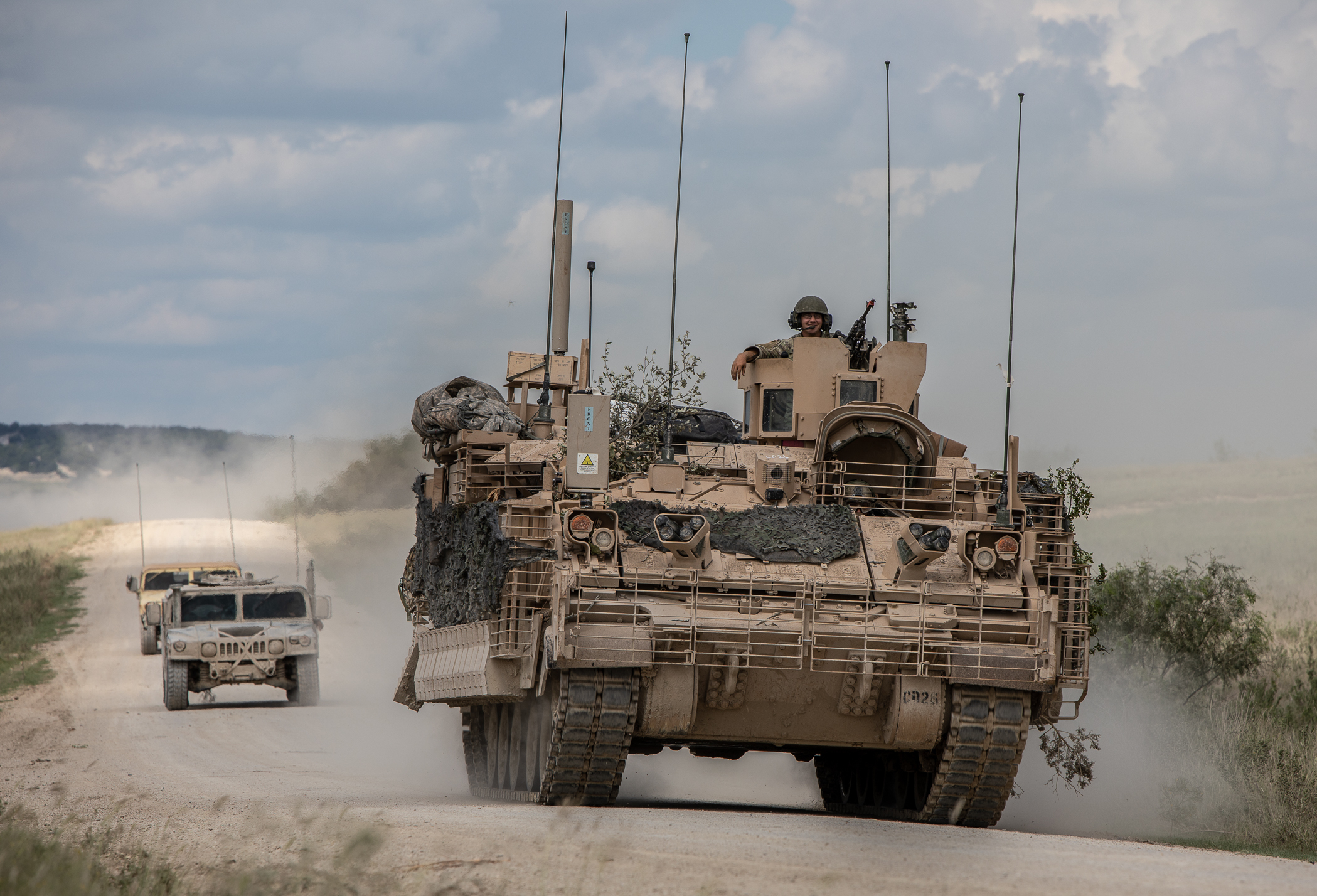
Adding robot scouts and replacing vintage vehicles – the M113, the M2 Bradley, and potentially even the M1 Abrams – will make heavy brigades much more mobile, lethal, and aware of threats, Maj. Gen. Richard Ross Coffman says.

As threats evolve, the winning model ties digital engineering to manufacturing capacity and a reindustrialized supply chain.
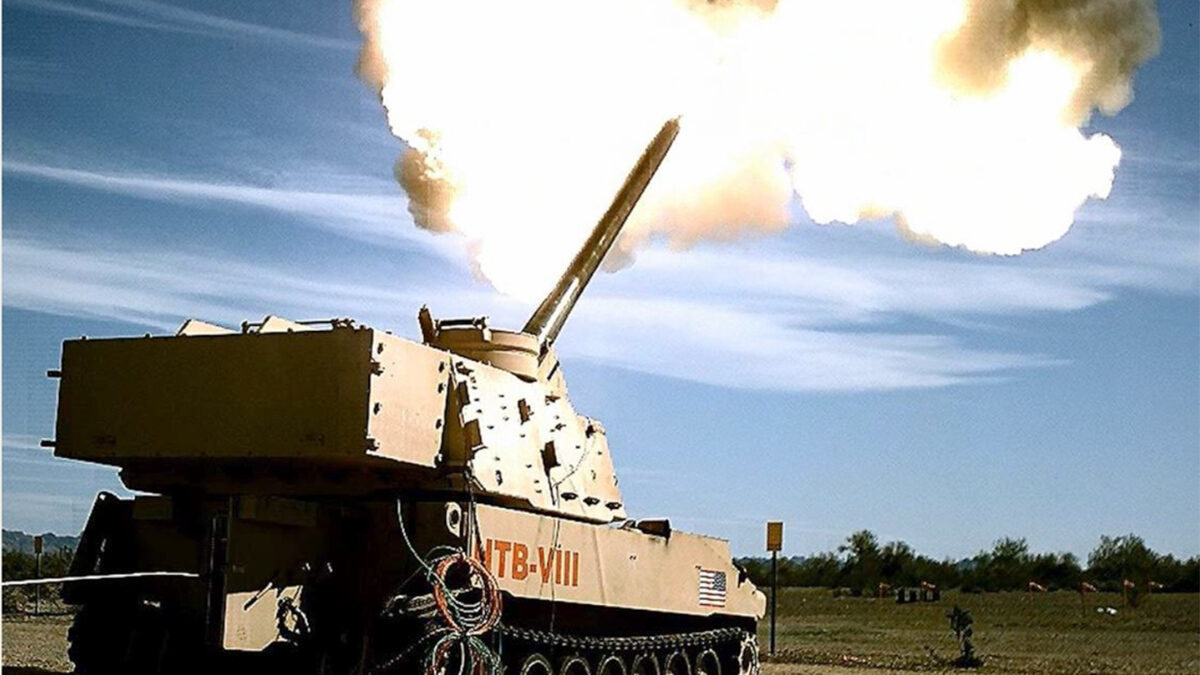
The Army is testing the MPF light tank; evaluating concepts for the OMFV troop carrier; preparing for major tests of high-tech Robotic Combat Vehicles and workhorse Armored Multi-Purpose Vehicles in 2022; and will test a full battalion of 18 ERCA howitzers in 2023.

“China’s proven it will not self-limit in competition, so we cannot expect them to self-limit in conflict,” said Maj. Gen. Richard Ross Coffman, who heads armored vehicle modernization at Army Futures Command. “We’ve got to be able to fight no matter where we are.”
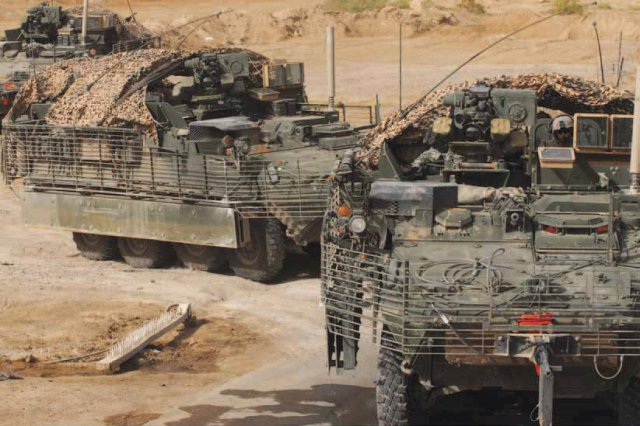
Israeli manufacturer Rafael claims it’s worked with the Army to get the weight of the anti-missile system down below a ton – and it’ll still protect the lightly armored Stryker as effectively as the full-size system protects the massive M1 Abrams.
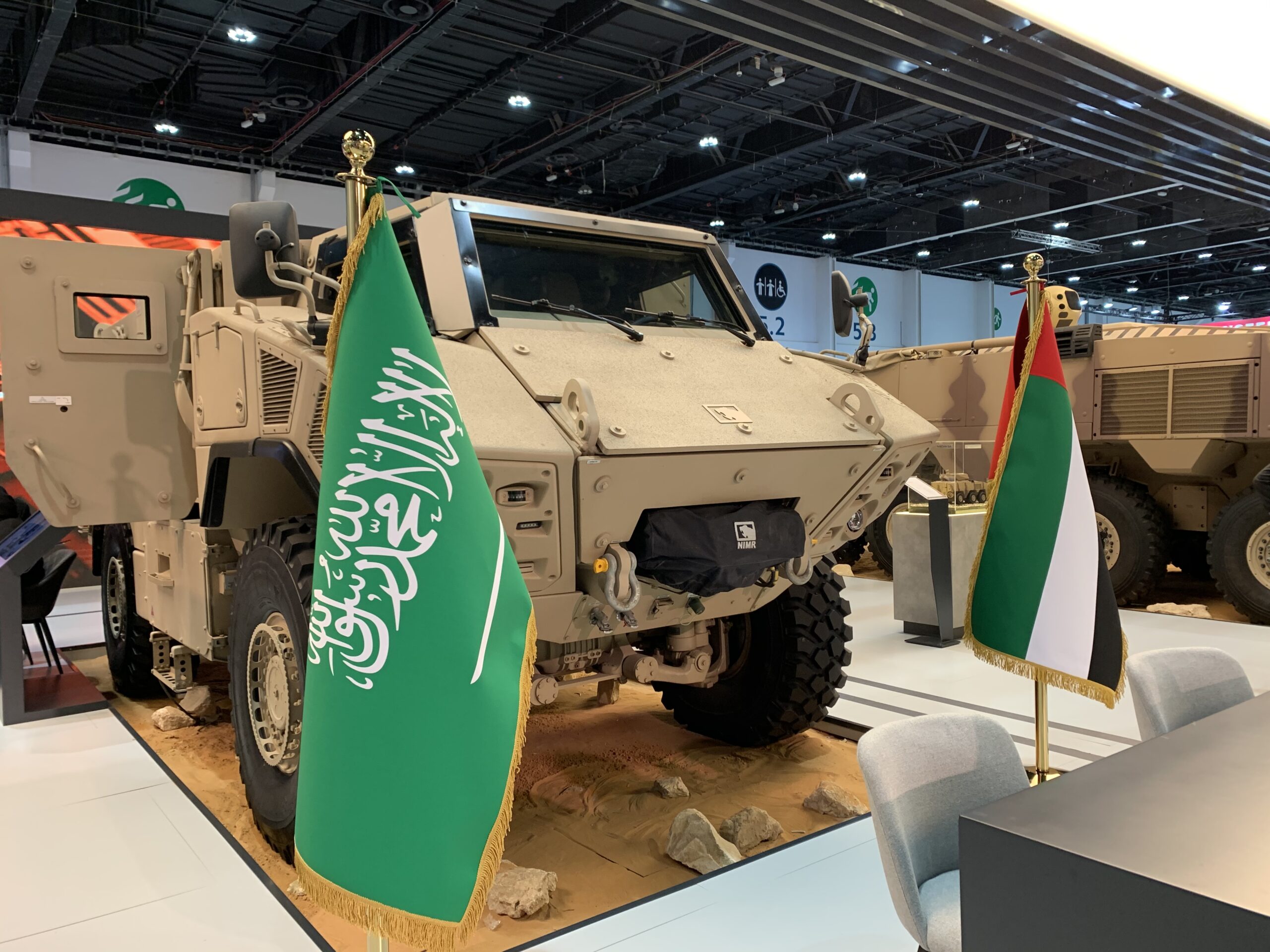
"This is a very important step that demonstrates a precedent," Khaled Al Zaabi, chief commercial officer at Nimr, told me. "We've never had such industrial military collaboration (in the region) so this definitely cements us as a major global player."

Partnerships with outside industry are a cornerstone of the kingdom’s ambitious growth strategy.
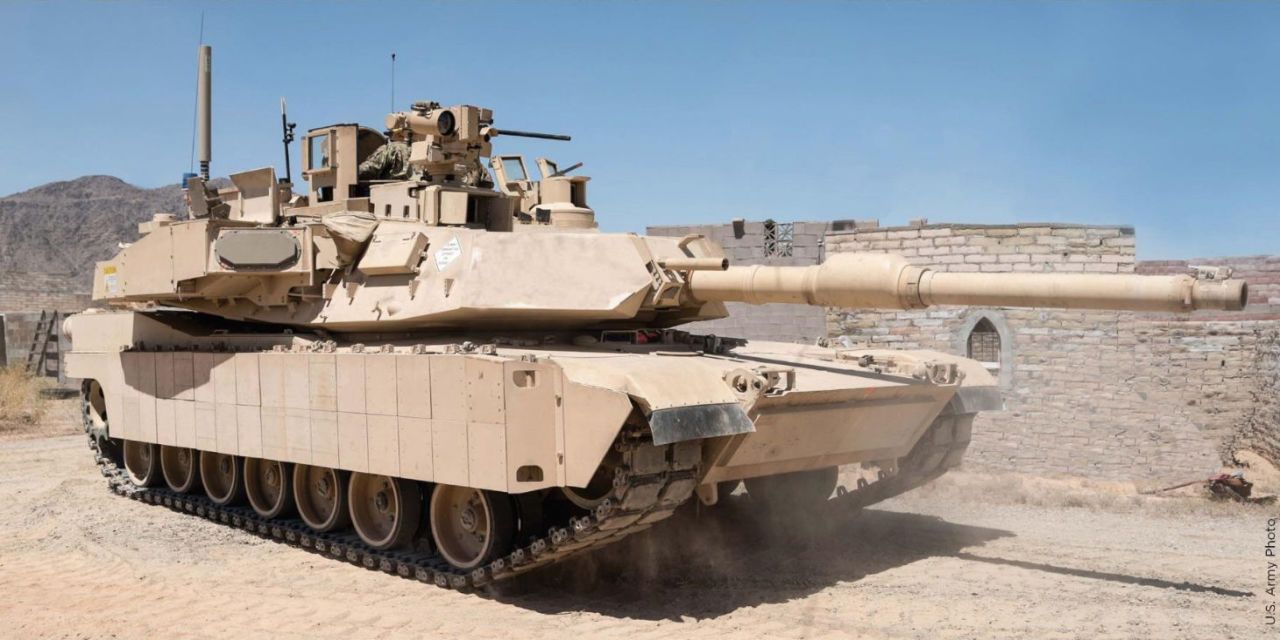
The Army’s already installed off-the-shelf Israeli anti-missile systems on its M1 Abrams and tried similar tech on Bradley and Stryker. But what it really wants is a standardized yet customizable Modular Active Protection System (MAPS) it can install on a wide range of vehicles.
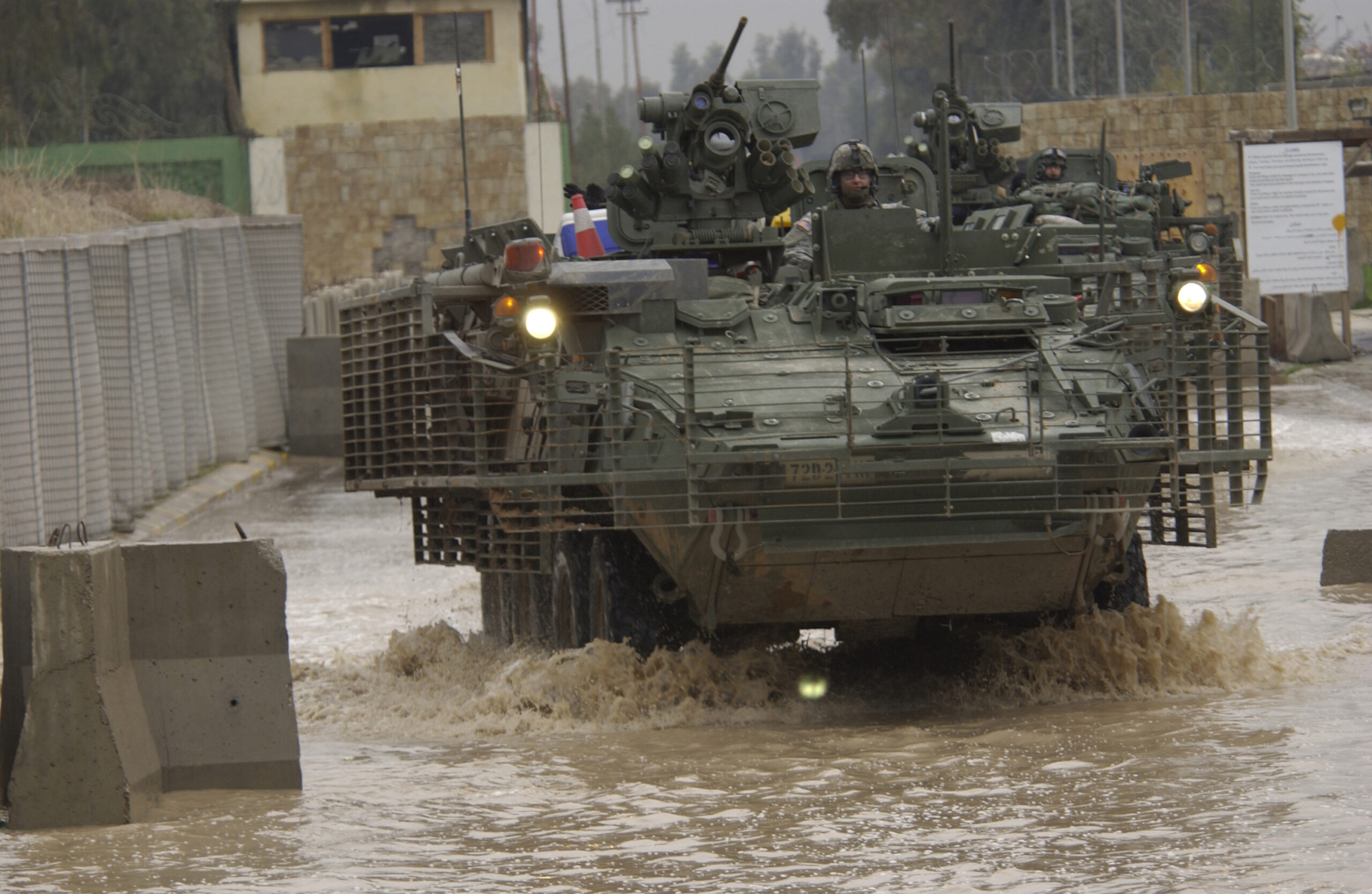
Miniaturized missile defenses work well on heavy tanks, but efforts to fit such Active Protection Systems on light vehicles like Stryker have failed – so far. Now the Army will test two lightweight options: Rafael’s Trophy VPS and Rheinmetall’s ADS.
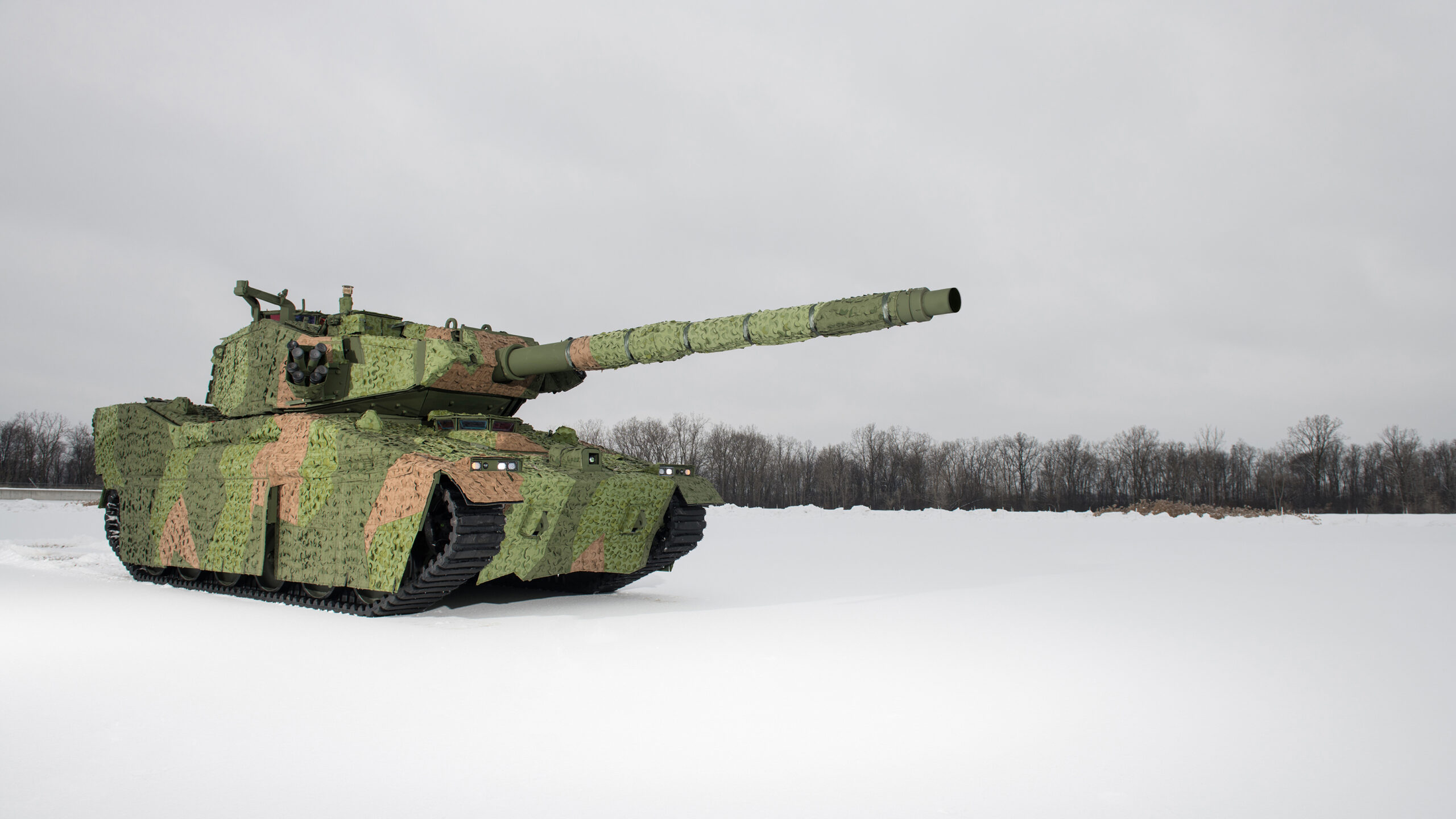
General Dynamics has already delivered at least two of its Mobile Protected Firepower prototypes to Fort Bragg, but BAE is lagging behind – although it says its MPFs will make the Army’s Jan. 4 deadline to start testing.

The Army will give companies more time to refine their designs for the Bradley replacement, but there’s a four-month gap in funding in fiscal 2023.