
Electronic warfare and drone swarms: Here’s the Army’s plan for EDGE 22
"We'll basically be scrimmaging with our partners and allies," Maj. Gen. Walter Rugen.
"We'll basically be scrimmaging with our partners and allies," Maj. Gen. Walter Rugen.

"The electromagnetic spectrum is not officially a domain, but operations on the electromagnetic spectrum are critical in order to realize the different phases of the multi-domain operations," said one Army researcher.

Do more with less: streamline workflows, reduce duplication, invest upfront to save long-term.

The MFEW-AL program, designed to mount a jammer on MQ-1C Grey Eagles, was one of several EW programs recently discussed by a senior Army program officer.

The partnership will initially integrate onto Strykers, but as has an eye on future autonomous platforms.
“We have a lot of people programs and we tried to protect those. Secondly, we tried to protect readiness. Third, we tried to protect modernization,” acting secretary John Whitley says.

The Army Requirements Oversight Council will meet to approve the TLS-EAB program on July 9.


The Sixth Domain is not defined by geography. It’s a new kind of conflict in which autonomy and networked systems allow thousand-dollar consumer electronics to destroy multi-million-dollar conventional weapons systems.

Since March, the OSCE’s “long-range UAVs have been experiencing increased levels of GPS signal interference on take-off and landing, affecting both of their GPS receivers,” the group said in a statement.
Artificial intelligence can’t prepare an in-depth assessment of de-escalation options or build relationships with foreign allies who have sources Americans don’t, said the Army’s deputy chief of staff for intel.

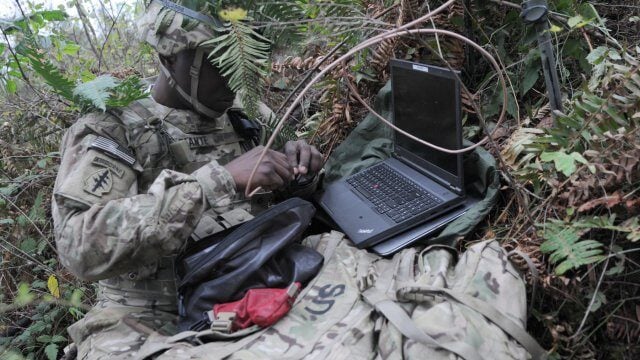
In wargames at Fort Benning, troops used radio sensors to detect “enemy” forces long before patrols stumbled across them.

New drones – launched by helicopters in flight and built by the Pentagon's Strategic Capabilities Office – will reach out “hundreds of kilometers.” Marine F-35s, 82nd Airborne troops, and Special Ops will also participate in exercise EDGE21.

Breaking Defense Europe will launch May 4 with Tim Martin and Elisabeth Gosselin-Malo as co-editors.
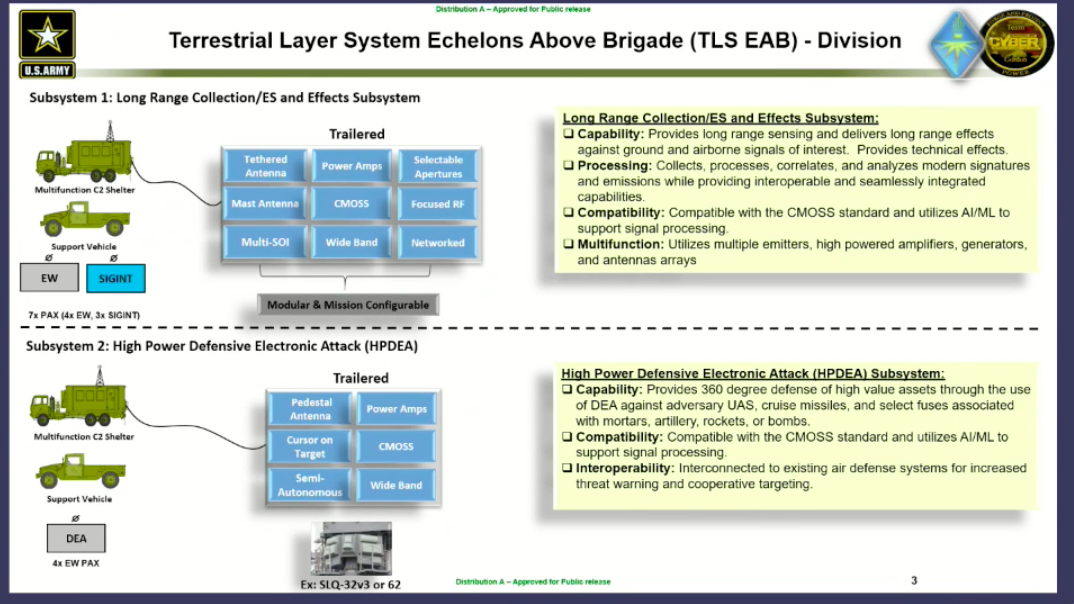
Mounted on a pair of heavy trucks, the Terrestrial Layer System – Echelons Above Brigade (TLS-EAB) will do long-range jamming for high-level HQs – and fry the circuits of incoming enemy missiles as well.

A host of high-tech specialties will have to work together, Lt. Gen. Stephen Fogarty said, so “stop fighting and start figuring out how to integrate the capability.”
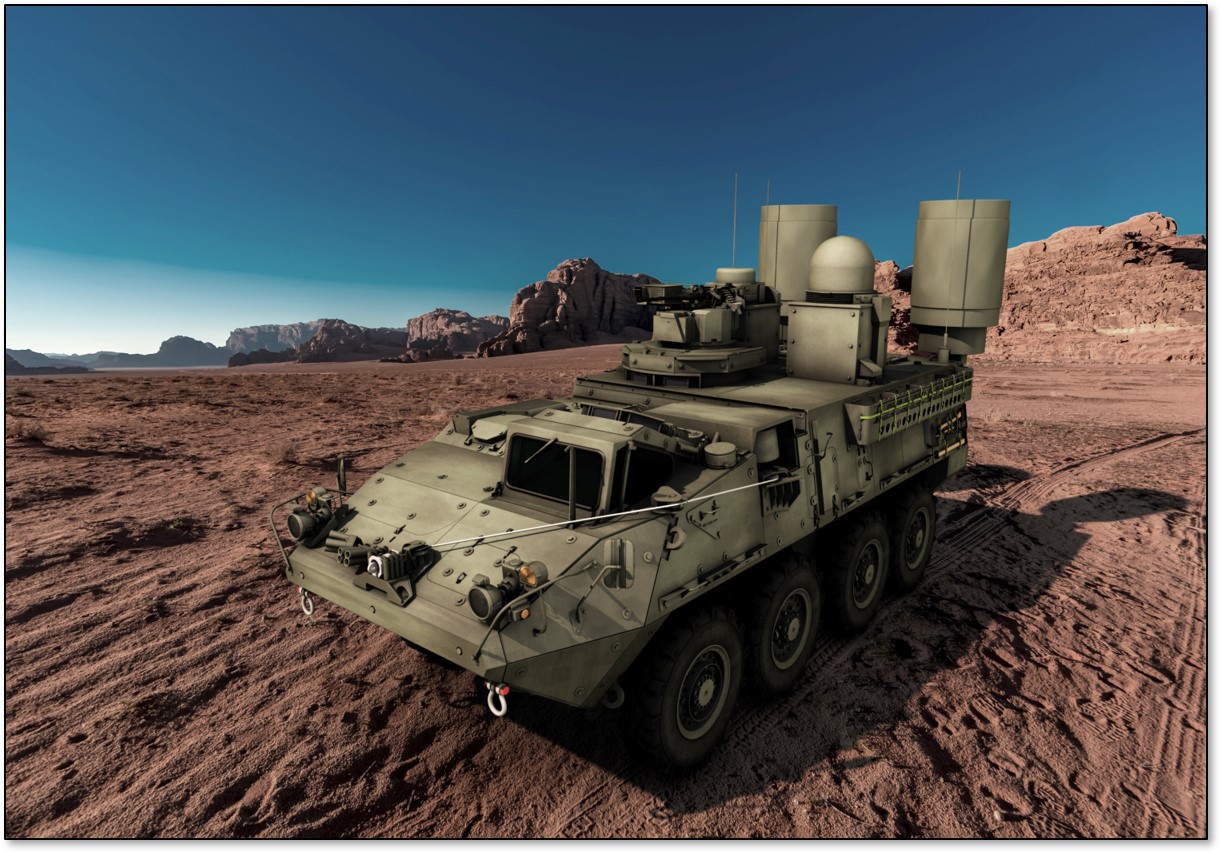
The Army has big ambitions for the Terrestrial Layer System, meant to detect, decrypt, and disrupt enemy communications. We spoke to the companies that actually have to build it.

The Stryker-mounted TLS and drone-borne MFEW are the first two nodes in a networked arsenal of sensors and jammers to combat high-tech foes.