
Army’s new acquisition structure, a new tank prototype and more drones: 2026 preview
Many pledges were made about changing how the Army does things in 2025. Will 2026 see them happen?
Many pledges were made about changing how the Army does things in 2025. Will 2026 see them happen?

In 2025, the Army experienced some of its biggest changes in decades, and with this came new programs and new attitudes toward acquisition at large.


After manifesting 1,400 payloads aboard the ISS, Voyager is applying its mission management expertise to the next generation of space stations, ensuring uninterrupted mission readiness and success from the ground to space.
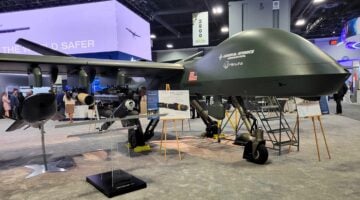
Service leaders are looking to find industry solutions for short/vertical takeoff and landing (S/VOTL) drones, ones that don’t require a runway, in the Group 4 or above category.
“This integration delivers uninterrupted readiness, rapid force generation and expertise in homeland defense and civil support,” the service wrote. “This enables the U.S. Army to respond more rapidly to crises and continue building strong military alliances.”
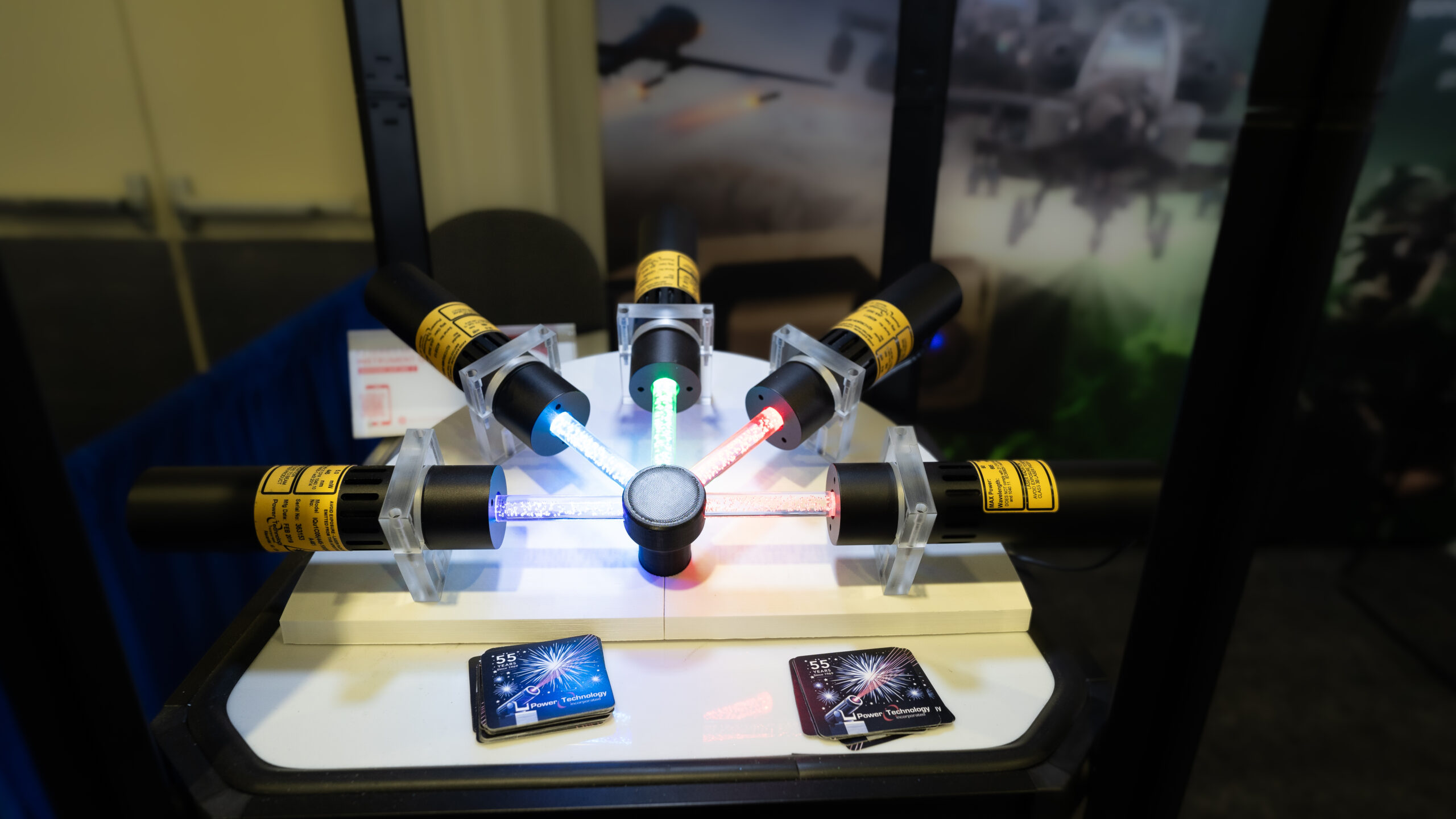
The Enduring-High Energy Laser (E-HEL) program is the Army’s first program of record for a new family of high-energy lasers.
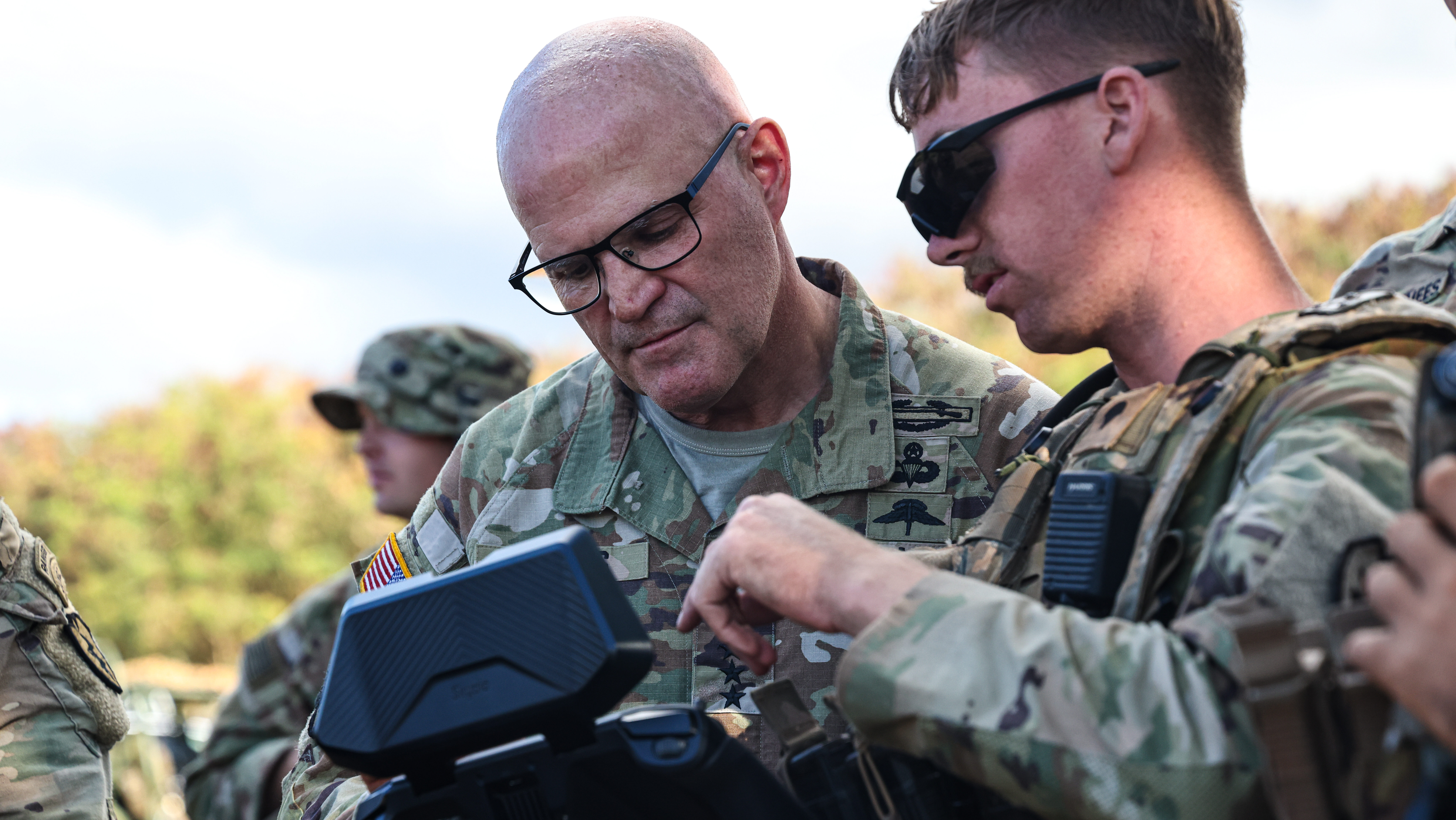
Gen. Mingus “always intended” for this to be “his last job,” adding that “it is a little early, sure but not significant," an Army source told Breaking Defense.


Knowing when to build on commercial systems and when to develop something new can be the difference between parity and information dominance.

Brent Ingraham told Breaking Defense that the service’s ongoing Transformation in Contact exercises will help inform leadership on what weapons and platforms it will and won’t go forward with as part of the ATI.
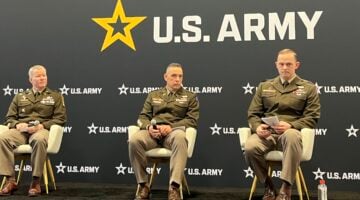
Brig. Gen. Donald Brooks, deputy commander of Army Space and Missile Defense Command (SMDC), said the command's plan to stand up a new Space Branch is now "in the approval process" at the senior service level.
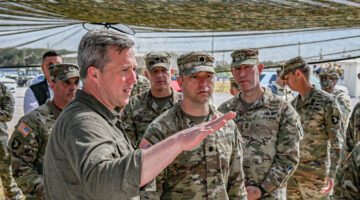
Dan Driscoll told reporters that there will be a “consolidation and streamlining of how we buy things in the Army,” criticizing the current 12 PEOs as being too "siloed."
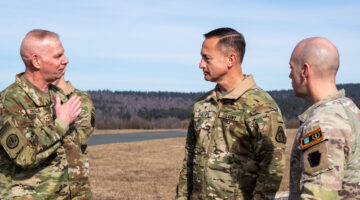
“What has changed is that we’ve doubled down on the Army’s priorities, and I believe our Army senior leaders and Congress are helping us remove some of the barriers to acceleration," PEO Aviation Brig. Gen. David Phillips told Breaking Defense.

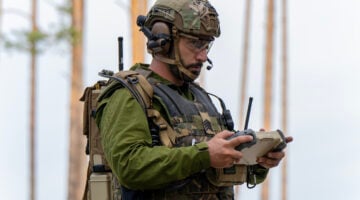
Reducing cognitive overload on warfighters while improving “time to trust” for autonomous systems is a matter of design.

The service has previously said that the next buy of the UH-60Ms will be its last, but Brig. Gen. David Phillips said he foresees the fleet operating in the Army through the 2040s and 50s.
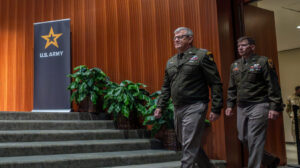
Lt. Gen. David Hodne, previously the deputy commanding general for futures and concepts at AFC, will lead the new T2COM, which will operate mostly out of Austin, Texas, where AFC was.

Though the Army said “the scope and organization of a soldier experiment for self-propelled artillery is still being defined,” the RFI suggests that the service is primarily looking for US-made and -manufactured solutions.

Those in charge of outfitting EW capabilities are on the hook for finding a modular solution with little to no details about what it may be placed on.