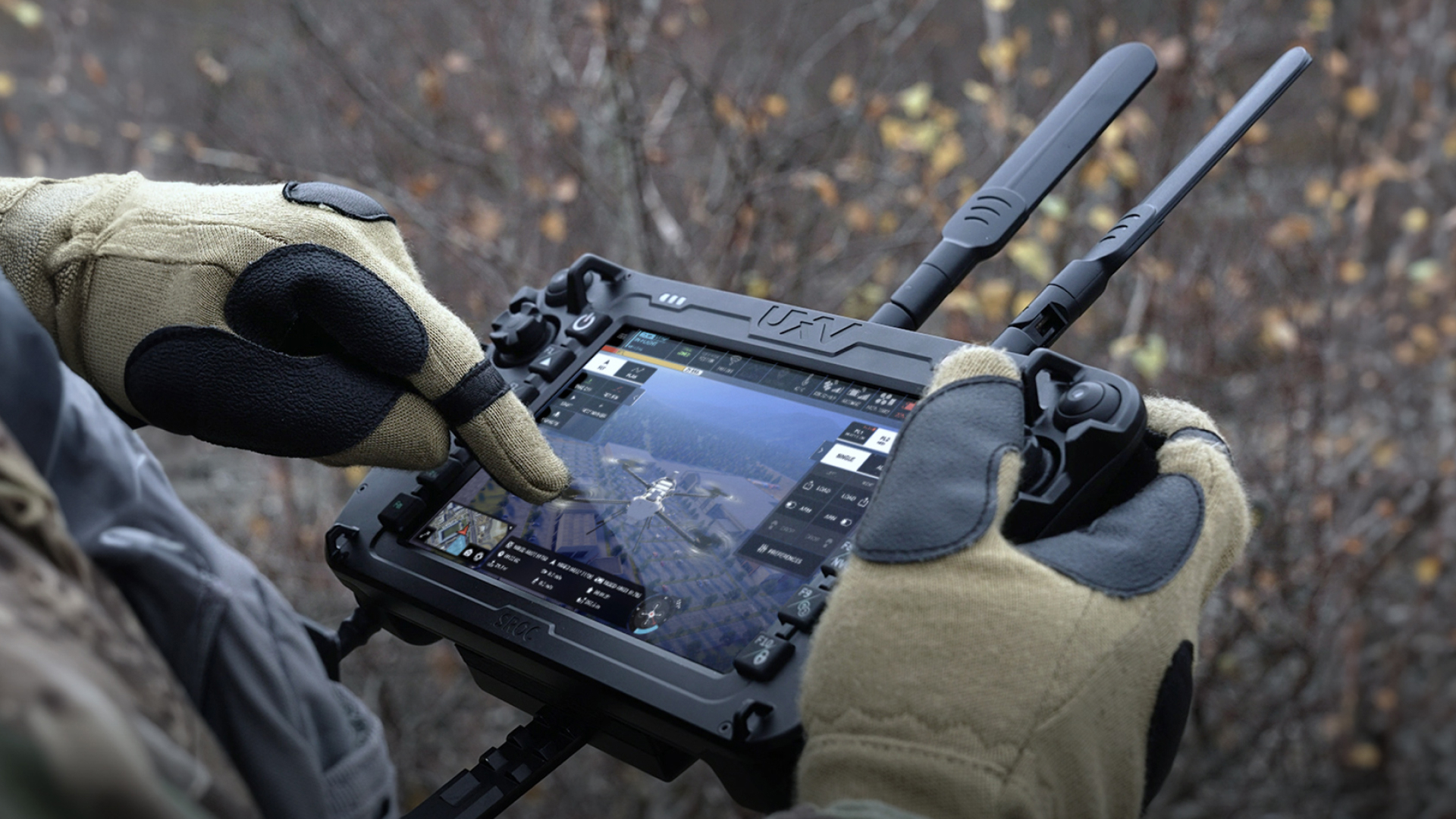
Advances in drone simulation bring mission training to quadcopters
The open QGroundControl software for drone control was improved with a fusion engine to integrate sensors and controls.

The open QGroundControl software for drone control was improved with a fusion engine to integrate sensors and controls.

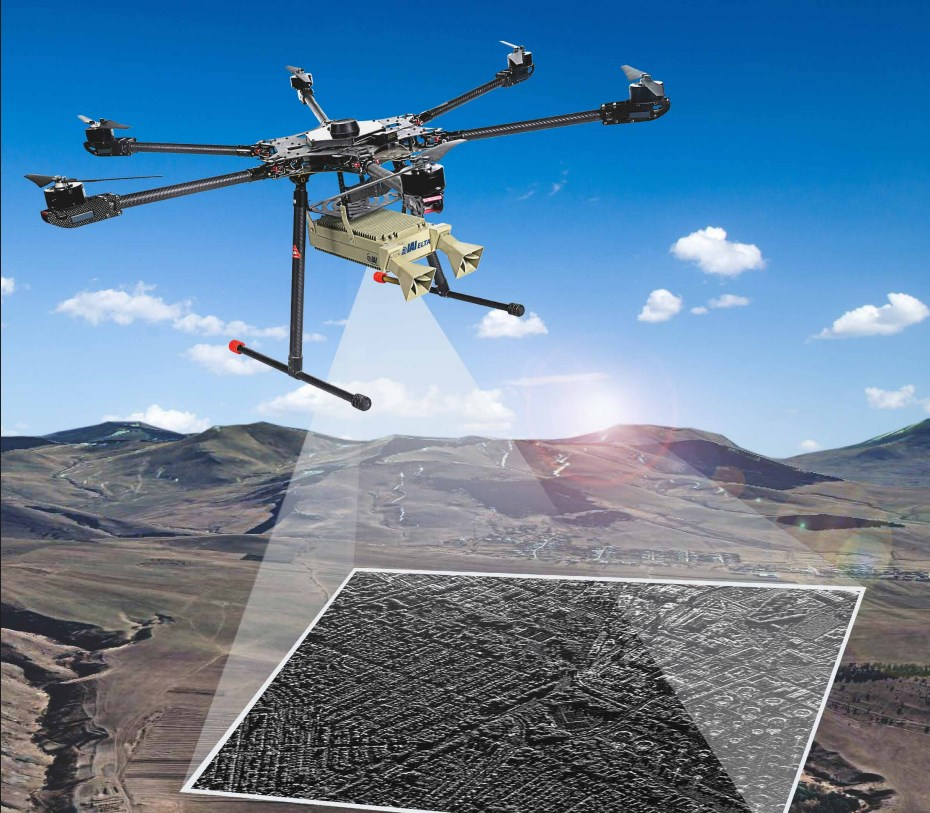
From the battlefields of history to cutting-edge drone technology, explore how the ELM-2058 Ultralight SAR is revolutionizing tactical aerial intelligence.
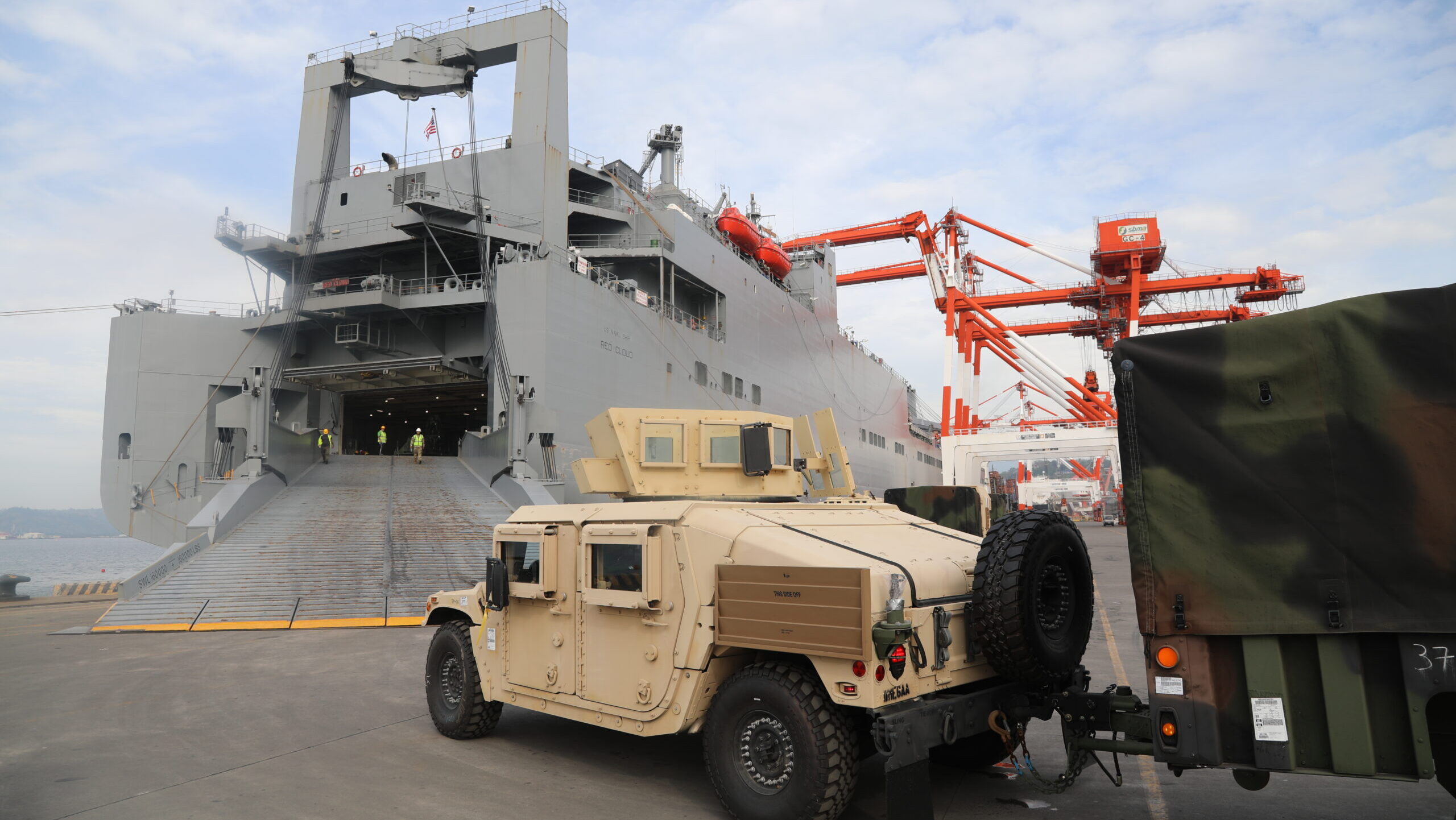
Army Materiel Command Lt. Gen. Christopher Mohan said the service could disband a floating, mobile cache of weapons and equipment and instead distribute them in friendly territory.
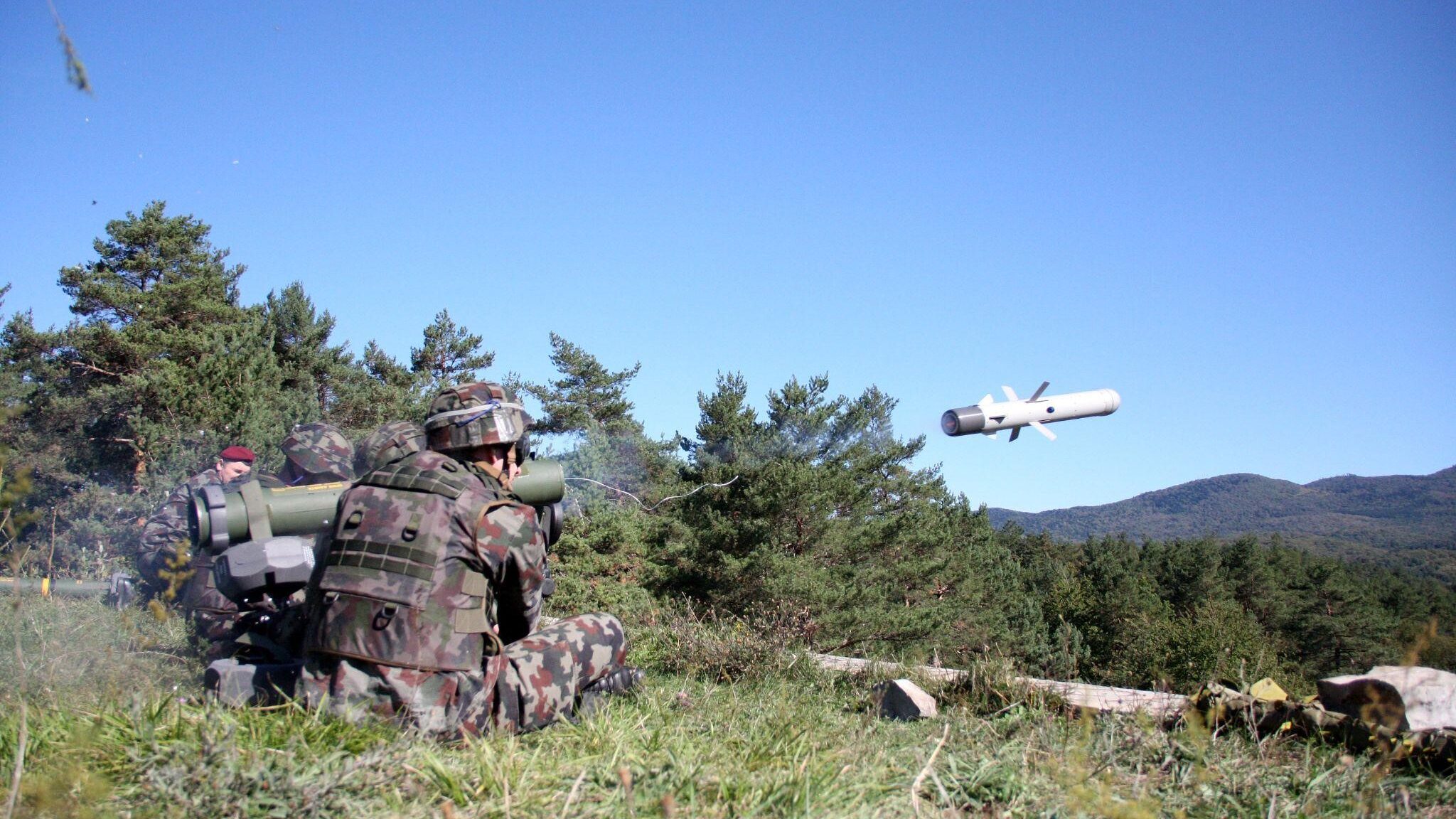
“This collaboration is expected to accelerate the development of advanced missile technologies, enhance the capabilities of the SPIKE missile system, and ensure its compatibility with the [US] Army’s requirement," Rafael said.

Maj. Gen. Christopher Schneider told Breaking Defense that the service got "really great feedback from soldiers on IVAS 1.2," but big decisions haven't been signed out yet.

The US State Department agreed to a potential sale of up to 18 of these helicopters to Israel in 2021, and Israel eventually went ahead with a deal for an initial 12 estimated at around $2 billion in 2022.

“We continue to move down the path we were on. But as far as decisions on, when do we field, when IOC will be, etcetera, those have to be vetted,” Lt. Gen. Robert Rasch told Breaking Defense.

The weapon is envisioned to protect Army bases and vehicles from small- to medium-sized drones.
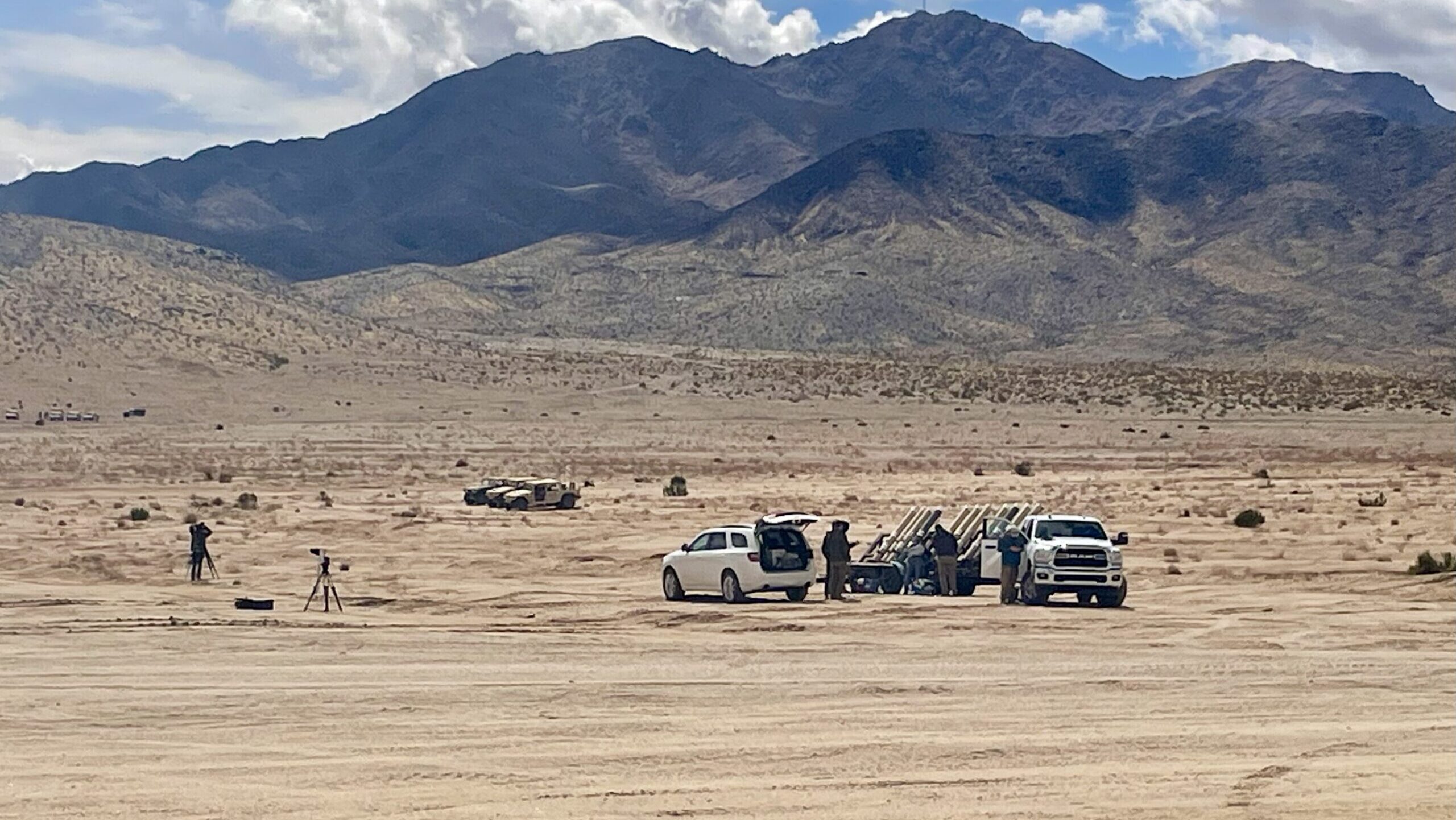
“The beauty of that is they can mass produce it but also give specifications about the [launched effects] going inside,” one DEVCOM official said.

The team, which includes Forterra and Oshkosh, used the Project Convergence Capstone 5 experiment to fire a Joint Reduced Range Rocket training round that is currently in source selection.
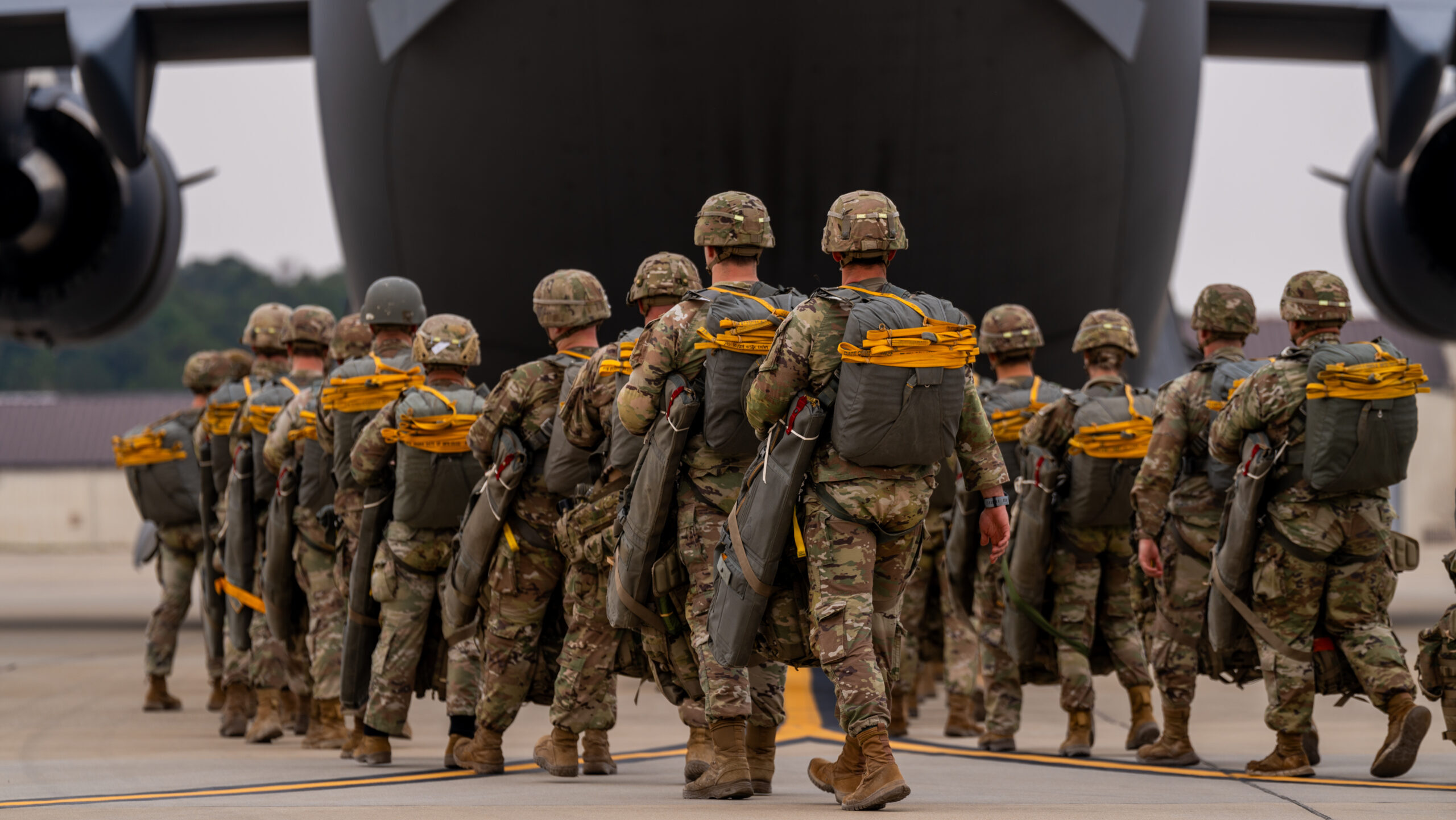
AUSA President and CEO Gen. Robert Brown (Ret.) argues in this op-ed that critics are wrong to discount the Army's key role in any Pacific fight.

Moog’s Reconfigurable Integrated-weapons Platform turret was added to the 6x6 vehicle following a US Army pre-solicitation last year.