Why sustainment is the key to Marine Corps readiness, and how it’s changing
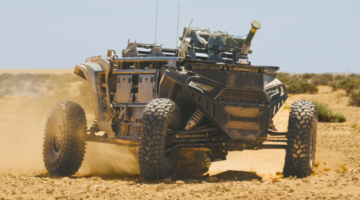
From service-life upgrades to safety enhancements, readiness depends on sustaining the vehicles now carrying the mission.
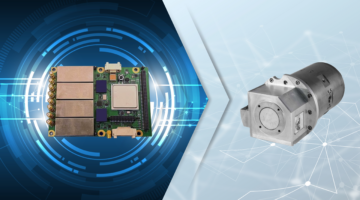
“The future of modern defence systems lies in the intelligent and networked interplay of sensor technology and artificial intelligence,” HENDSOLT CEO Oliver Dörre said in the statement.
From emerging data networks to missile tracking and cyber resilience, Breaking Defense’s latest eBook brings together essential reporting on the evolving role of satellites in national security.
Both companies told Breaking Defense that they have responded to the service's recent “request for solutions brief” but remain tightlipped on the path forward.
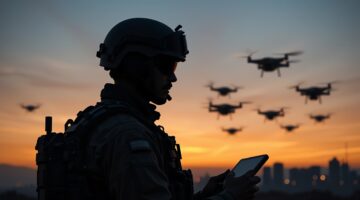
The six companies will partner with Northrop to develop and scale autonomous flight capabilities during flight demos later this year.
“The beauty of that is they can mass produce it but also give specifications about the [launched effects] going inside,” one DEVCOM official said.
If the service's previous RCV plans hold true, the company will begin finalizing designs ahead of additional prototype deliveries next year.
DIU and the service want to make a final downselect by mid-2026 but ongoing budget uncertainty could derail that plan, says Maj Gen Michelle Donahue.
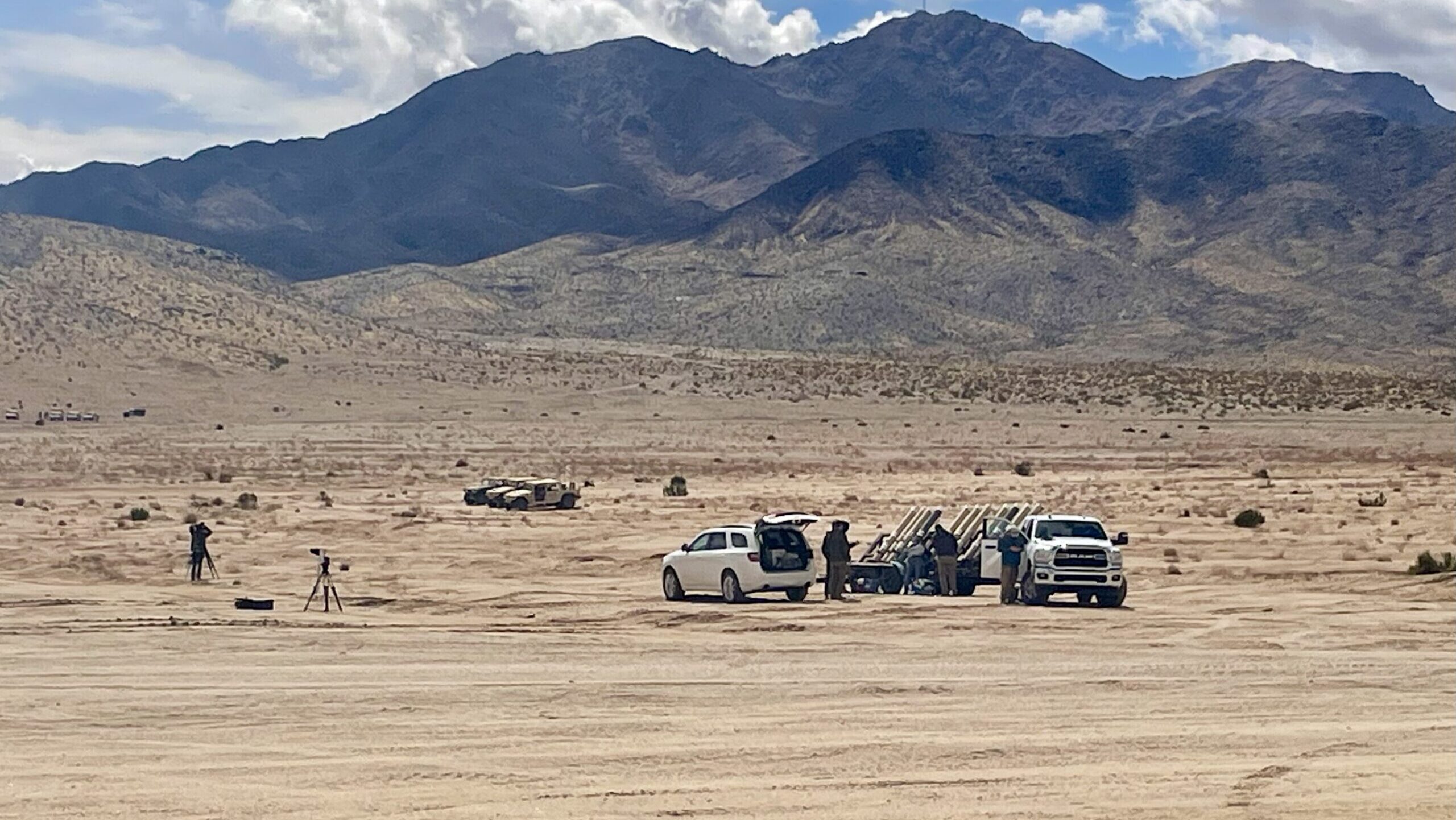
At least two companies are showing off their unmanned launchers for the service, while a one-star general says he is closely following the USMC’s ROGUE Fires program.
The service is funneling nearly $30 million into the program to add in Forterra’s AutoDrive system into the JLTV-based launcher.