
For the Space Force, terrestrial turf wars and rising budgets await: 2025 preview
Other than that, for a number of reasons, including the transition to a new administration, our crystal ball for the Space Force in 2025 is pretty darn cloudy.
Other than that, for a number of reasons, including the transition to a new administration, our crystal ball for the Space Force in 2025 is pretty darn cloudy.

The report, shared with Breaking Defense, recommends Congress consider funding systems against Chinese "counter-intelligence, surveillance, and reconnaissance (ISR) systems, electronic attack and cyber capabilities, antiradiation ordnance, base hardening, close-in weapons systems, and air defense capabilities."


The Sixth Domain is not defined by geography. It’s a new kind of conflict in which autonomy and networked systems allow thousand-dollar consumer electronics to destroy multi-million-dollar conventional weapons systems.

The new Stage III contracts are expected by industry officials to be the last of the short term, relatively small dollar awards under the SCC BAA — with senior NRO officials pushing to create a longer term program of record in the fiscal 2026 budget.
The five new CIC companies are BlackSky, Kratos, Leolabs, ICEYE and Telesat; Hawkeye 360 and Exoanalytic will join soon, a Space Force spokesperson told Breaking Defense today.
"[W]e won't be able to sell the premium technology, which means we'll be out competed by [Finland's] ICEYE and other competitors in the global market," Umbra's Jason Mallare told Breaking Defense.
Meanwhile, Meink said the spy agency is sticking to what it sees as its primary lane in the interagency division of labor for commercial acquisition: "procuring pixels."

Do more with less: streamline workflows, reduce duplication, invest upfront to save long-term.

"The three new rules ... recalibrate our approach to export controls," a senior Commerce Department official said. "These changes will offer relief to US companies and they'll increase innovation without compromising the critical technologies that keep our nation safe."
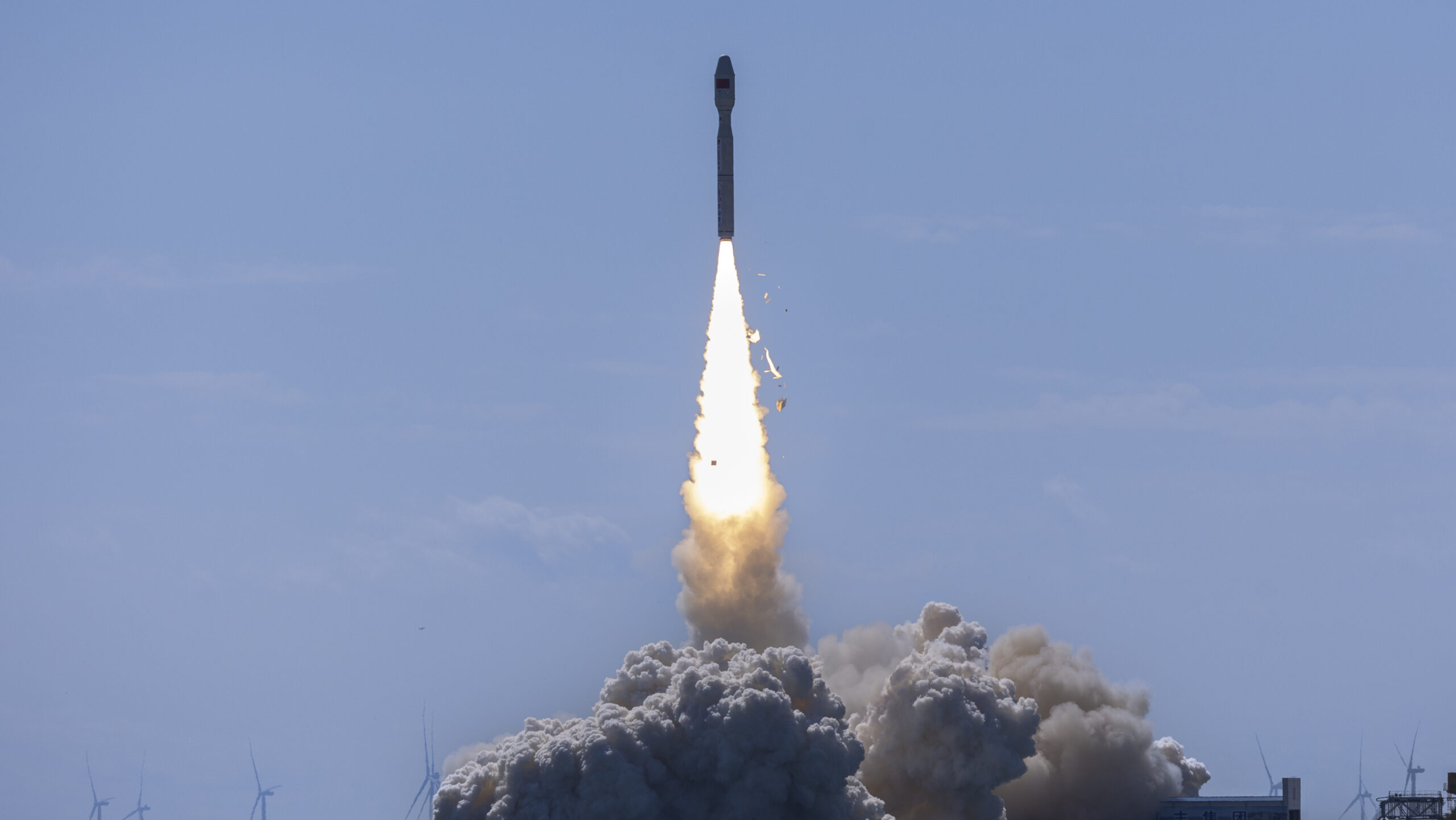
"The stakes are high. Should any one country dominate the commercial remote sensing market, not only could it gain economic advantages, but it would also control the information narrative about the entire planet, from the environment to natural resources to human conflict," the report concluded.

One of the JCO's new missions will be gathering what the Space Force calls tactical surveillance, reconnaissance and tracking data from commercial remote sensing satellite operators, said JCO head Barbara Golf.
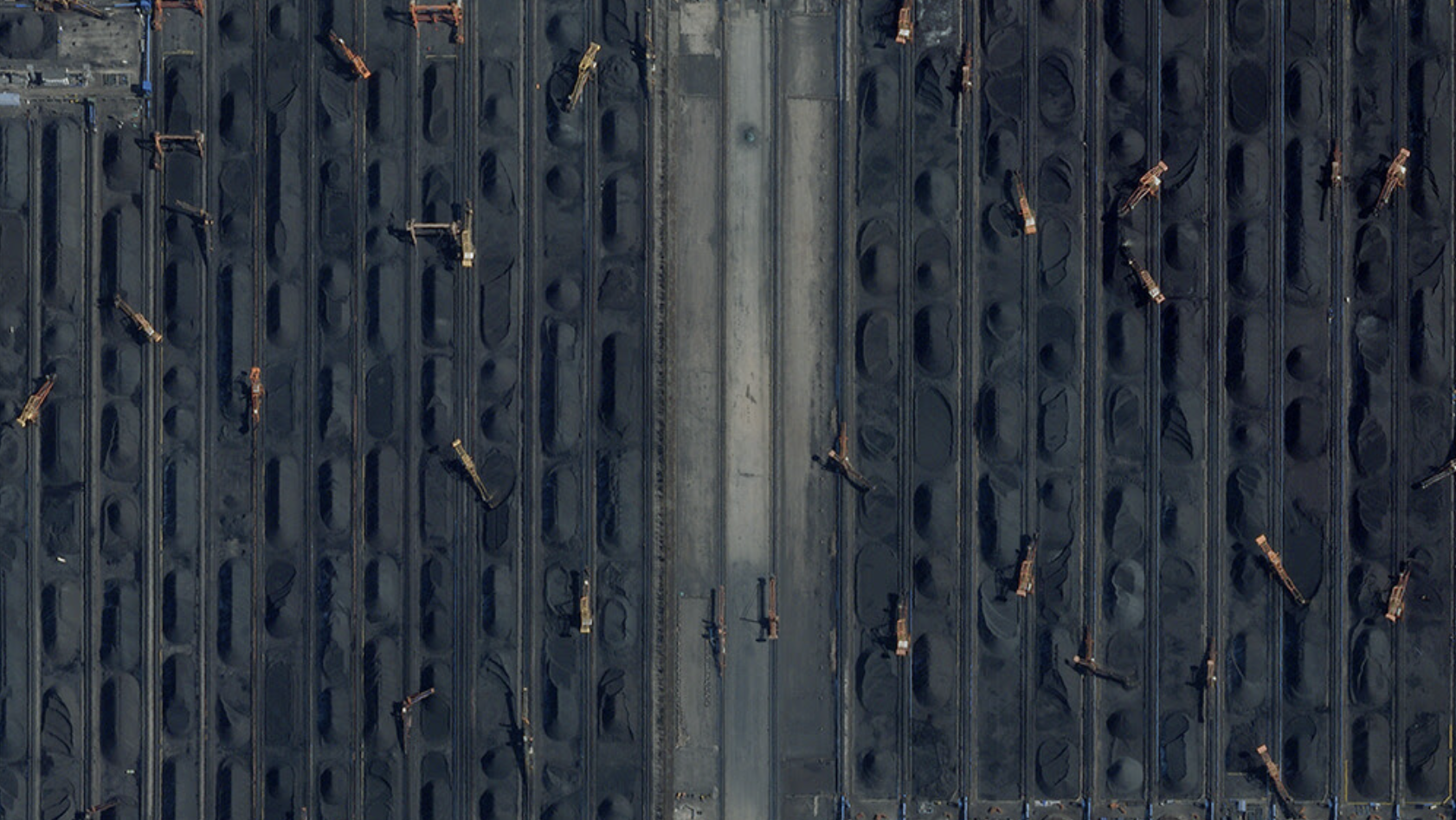
An NGA spokesperson told Breaking Defense that the agency has yet to issue any individual task orders under the Luno A program.
Government can’t stop to update systems, so modernization has to happen without interruptions.

The company's capability to precisely measure land surface temperatures — using data from a wide variety or Earth monitoring satellites and a software suite for data fusion — has potential military and national security applications.

When completed, the six-satellite WorldView Legion constellation will "be able to revisit certain areas of the world up to 15 times a day," Susanne Hake, general manager of Maxar Intelligence, told Breaking Defense.
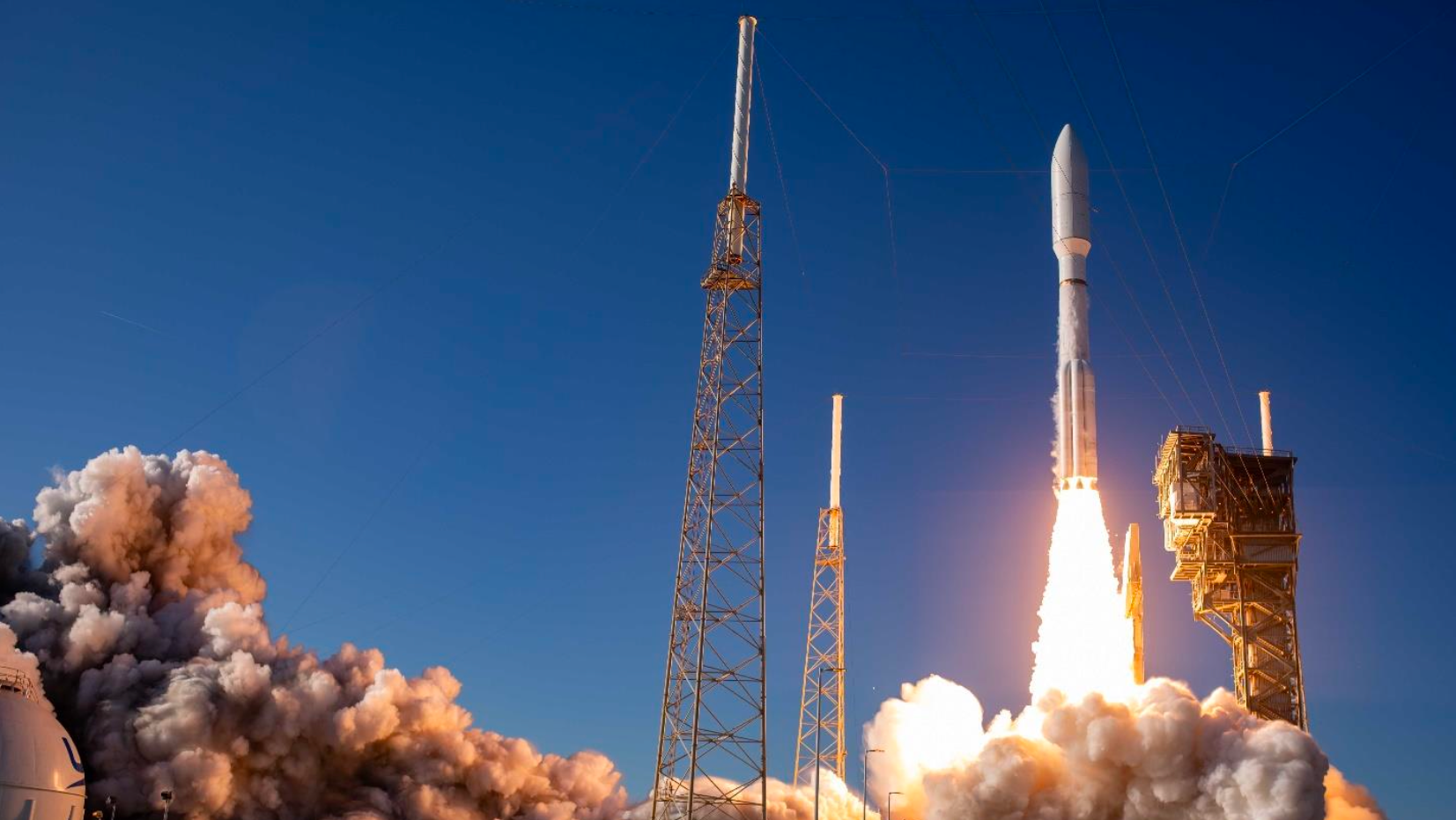
Perhaps most intriguing is legislative language that calls into question Pentagon and IC plans to declassify data from classified remote sensing satellites that are part of a newly developed joint architecture called the "High-Capacity, Find, Fix, Track, Target and Engage and Assess Constellation," or "HCF" for short.
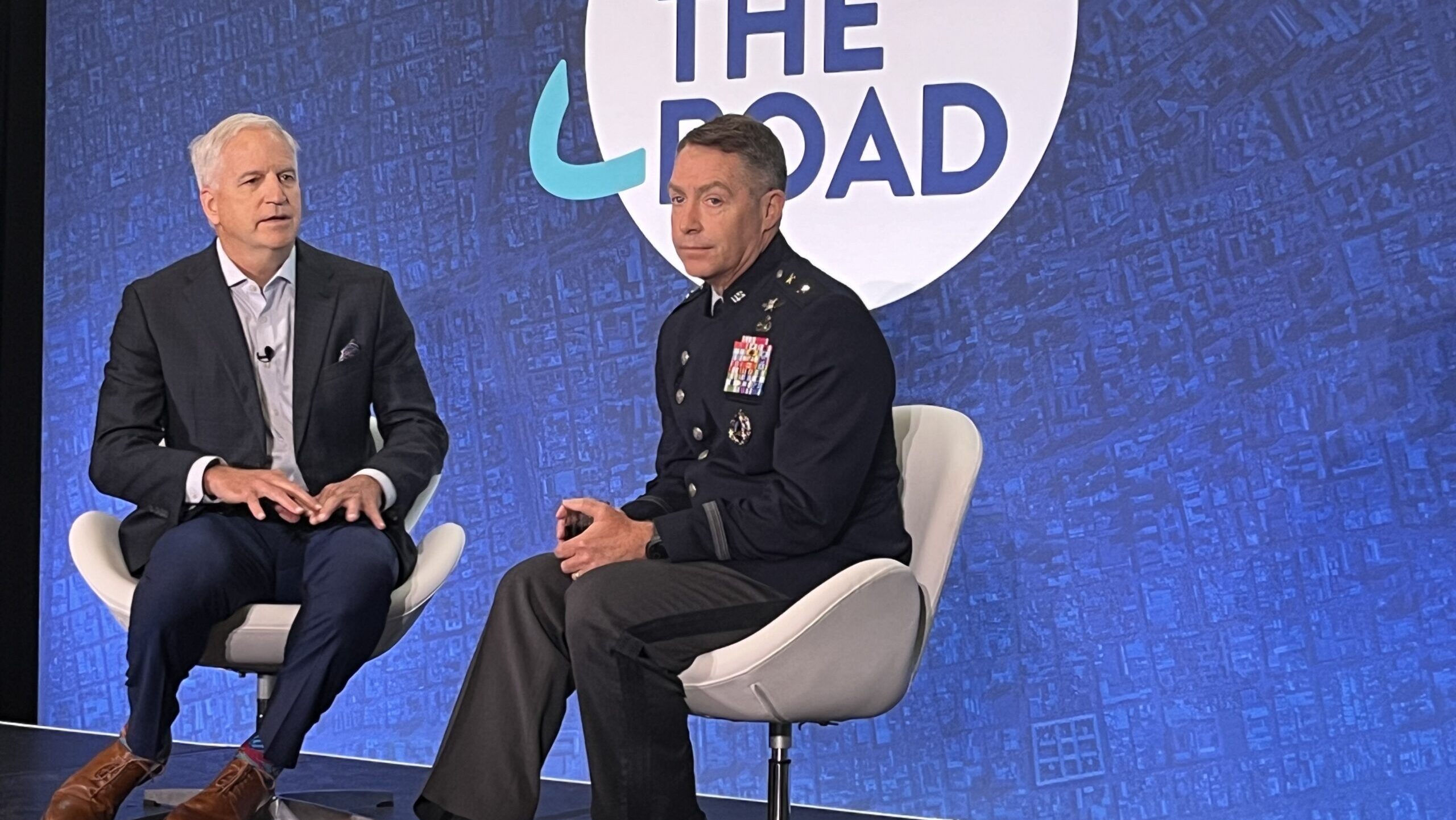
"The next pivot for looking up is to look in outer space from outer space. There's no reason you only need to observe satellite maneuvers from the ground. You can do it from space," Maj. Gen. Gregory Gagnon, Space Force deputy chief of space operations for intelligence, said today.