
Army plans to award next gen C2 prototype contracts in May
The service reiterated that its envisioned future command and control program will not have a lead systems integrator as “no one company can provide a total solution for NGC2.”
The service reiterated that its envisioned future command and control program will not have a lead systems integrator as “no one company can provide a total solution for NGC2.”
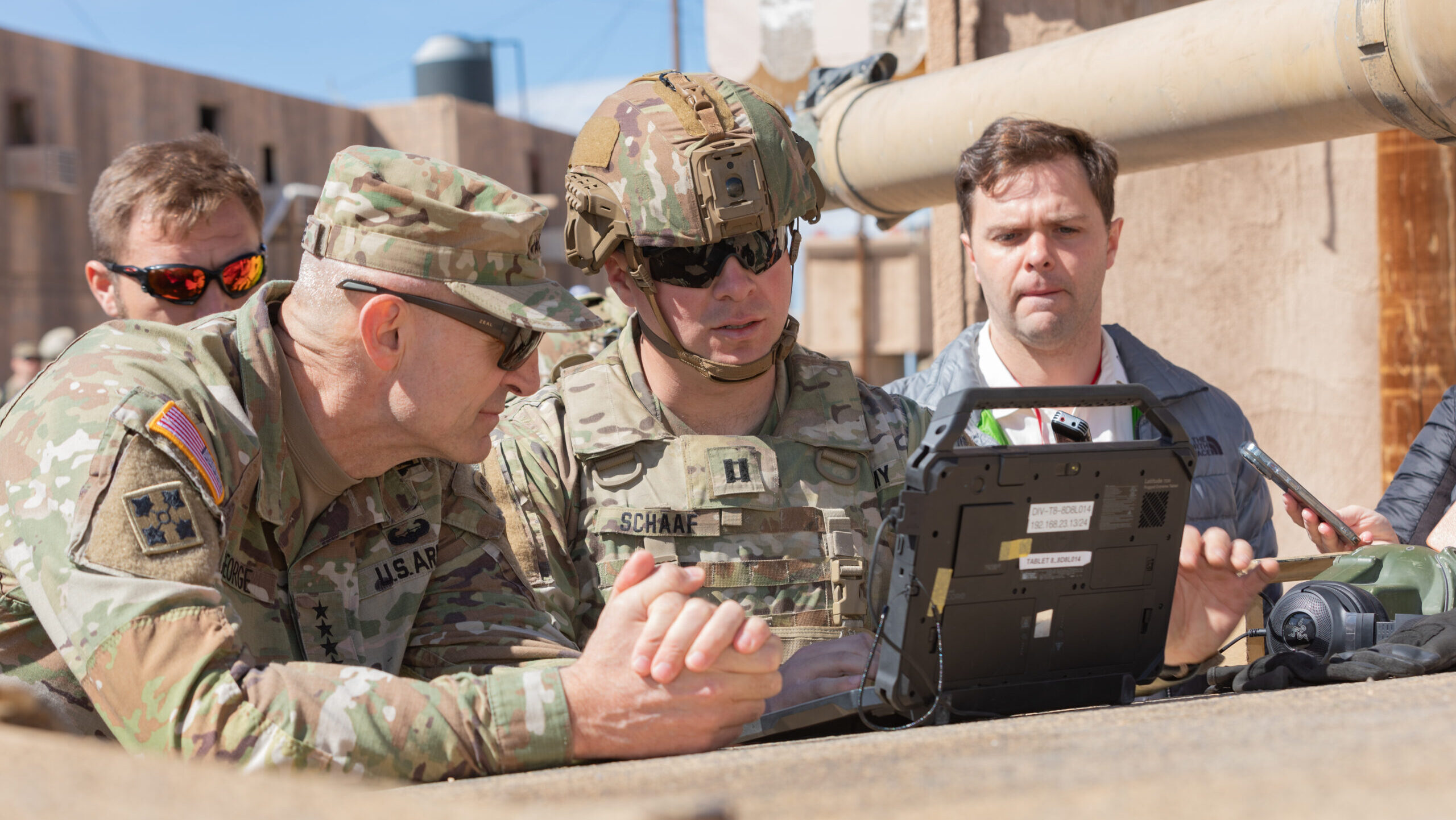
This week Army officials revealed new details about its plans for a new command and control capability, and how industry can keep up.

AI, autonomous systems, cyber, and EW converge as industry targets faster battlefield effects.
This fall’s experiment will study how the Army’s own weapons can share target data, Gen. Murray said, but in 2021 he wants to add the Air Force’s ABMS network.

“It was developed for a very specific threat and it does incredible things...we intend to operate it differently -- in support of an Army on the move. It’s not just going to be static.”

At issue is not just this particular program, but the much wider question of how a Pentagon testing apparatus designed for big industrial age programs can keep up with the much faster and more fluid upgrade cycles of information technology.
The Army must take risks to modernize, the Futures Command chief said, and the modernization effort will survive the inevitable failures along the way.
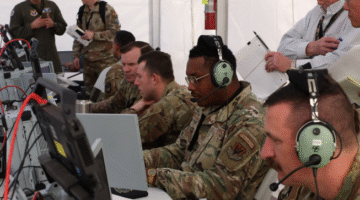
As threats rapidly evolve, digital engineering, manufacturing capacity and robust supply chains are critical to meeting challenges.
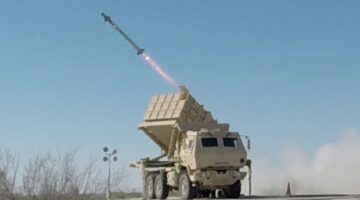
The new approach will focus on an urgent but largely unmet threat: Russian and Chinese cruise missiles.

For Maj. Gen. Cedric Wins, when the organization he’s led for 31 months changed its name, its mission, and the four-star headquarters it works for, it finally found the answer to a question it – and the entire Army – have been struggling with for at least 16 years.

WASHINGTON: At least a dozen major Army weapons programs face big decisions in 2019. The service will launch a competition for new armored vehicles; award development contracts for scout aircraft and helicopter engines; conduct key tests of long-range missiles, anti-aircraft defenses, rifles, targeting goggles, and multiple battlefield networks; and field new electronics for command posts.

AUSA: The Army is investing more and more money in lasers to defeat incoming rockets and enemy drones. Across the Air & Missile Defense (AMD) portfolio, “we put over 50 percent of our S&T (Science and Technology) money going towards directed energy projects,” up from about a third previously, said the AMD modernization director, Brig. Gen. […]

Government can’t stop to update systems, so modernization has to happen without interruptions.

AUSA: The Marines want their Armored Reconnaissance Vehicle to carry a scout drone that can look for threats and target them with loitering strike missiles or drones. Now General Dynamics Land Systems and drone maker AeroVironment are teaming up to offer the same built-in drone for future Army vehicles. The two companies announced here today that they’ve […]
The Future Attack Reconnaissance Aircraft (FARA) must have enough artificial intelligence to fly unmanned at least part of the time, a secure network to control drones, and combination of speed and range that's impossible for traditional helicopters.
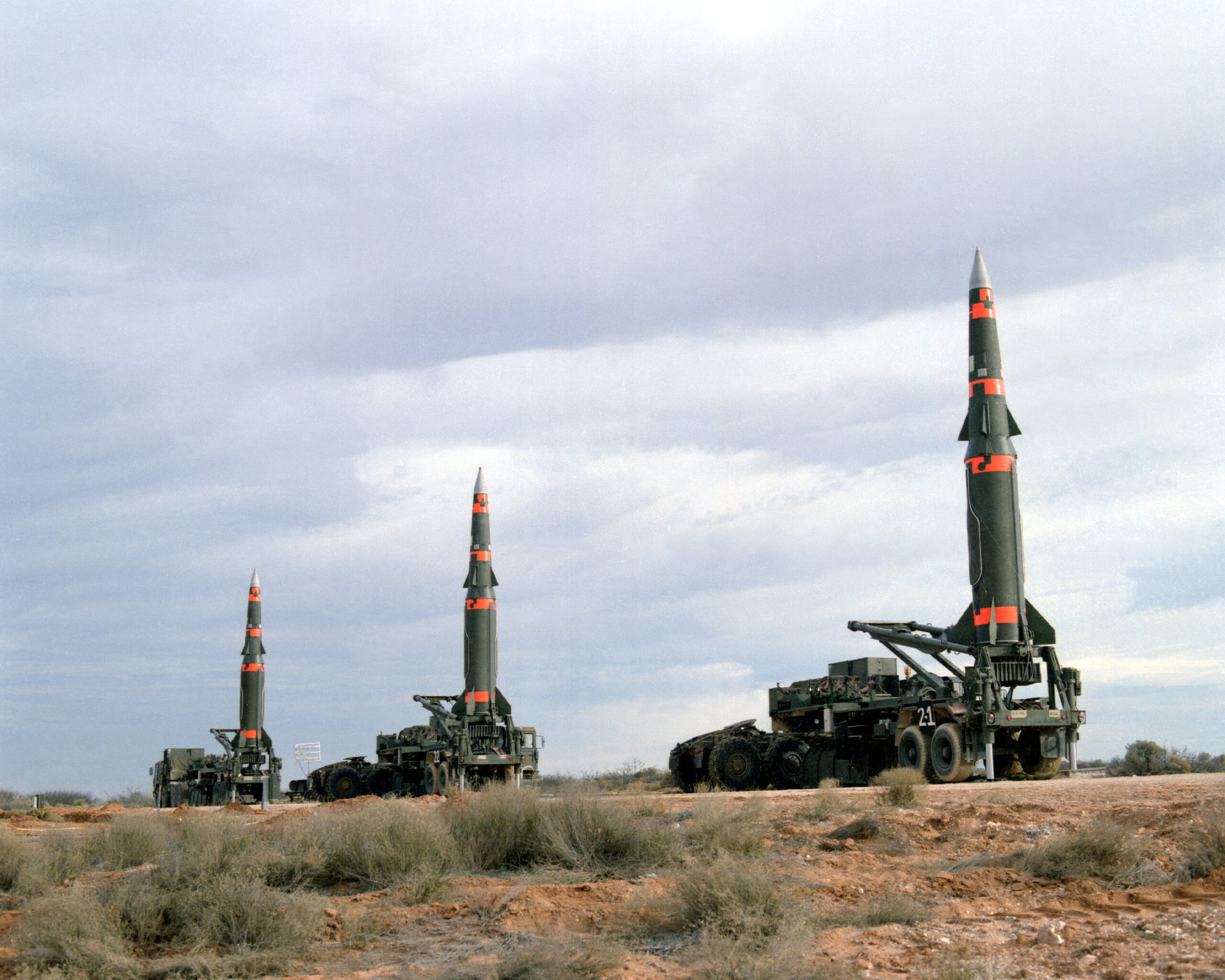
One Army weapon would be a hypersonic missile, tearing through missile defenses at Mach 5-plus to kill critical hardened targets such as command bunkers. The other would use a gun barrel to launch cheaper, slower missiles at larger numbers of softer targets like radars and missile launchers.

“CFTs (Cross Functional Teams) and Army Futures Command will always have a place on my schedule and the chief’s schedule," Esper said. Over time, he said, "it becomes a routine… the expectation not just for AFC and the CFTs, but for future service secretaries and future chiefs of staff."