
Some ‘Quick Wins,’ But Air Force Struggles With AI
"We need to move away from these single point demos to true scalability," Jean-Charles Ledé, AFRL's advisor on autonomy tech, says.
"We need to move away from these single point demos to true scalability," Jean-Charles Ledé, AFRL's advisor on autonomy tech, says.
The list is an impressive marker of the breadth of topics we cover as we chronicle the strategy, policy and politics that decide the weapons America and its allies buy, and how we use them.

Onshoring and investment in military-specific semiconductors anchor a cornerstone of the defense industrial base.

The Observe and Orient steps of the OODA Loop are the heart and soul of dogfighting—the two most critical elements in the OODA sequence. No system in the world can touch a human’s ability to capture and process those tasks.

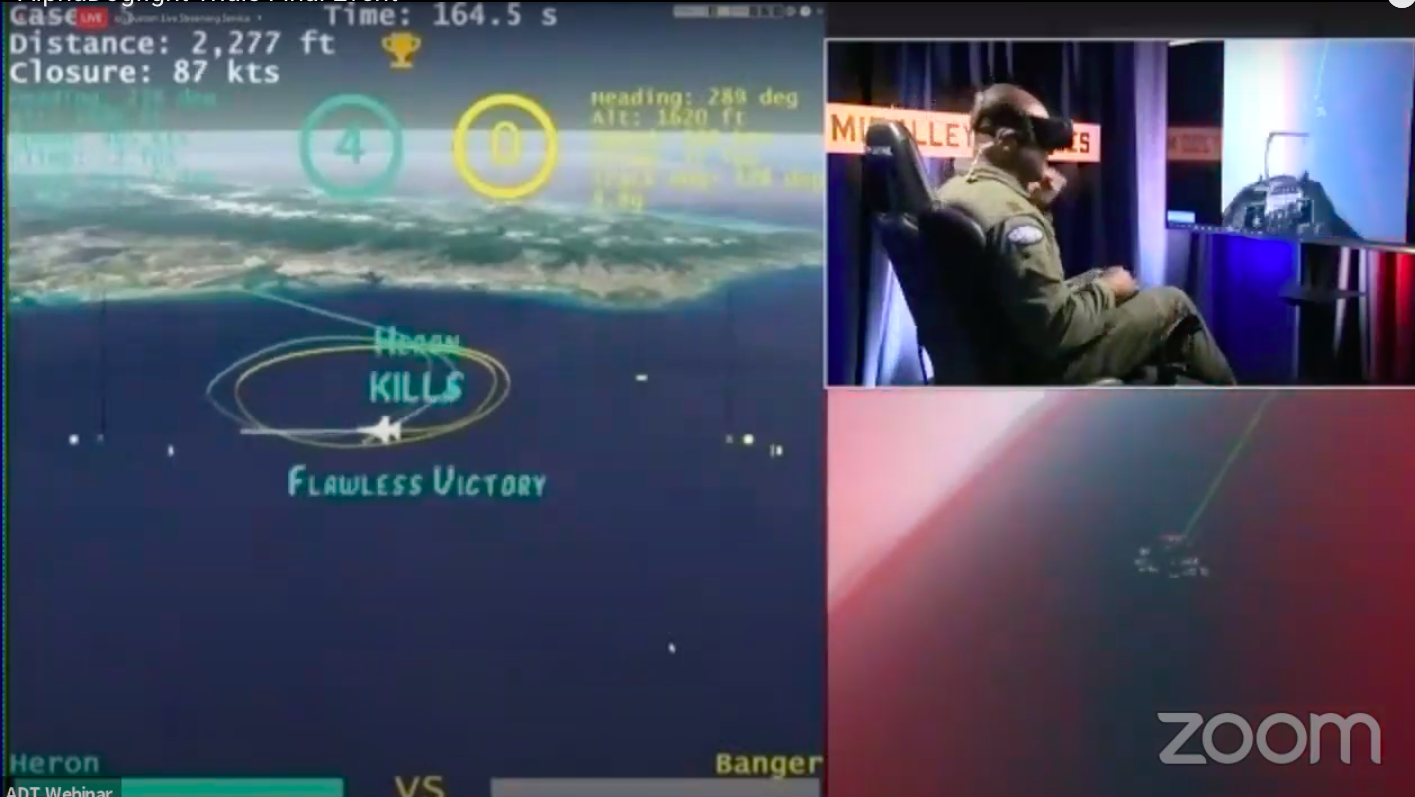
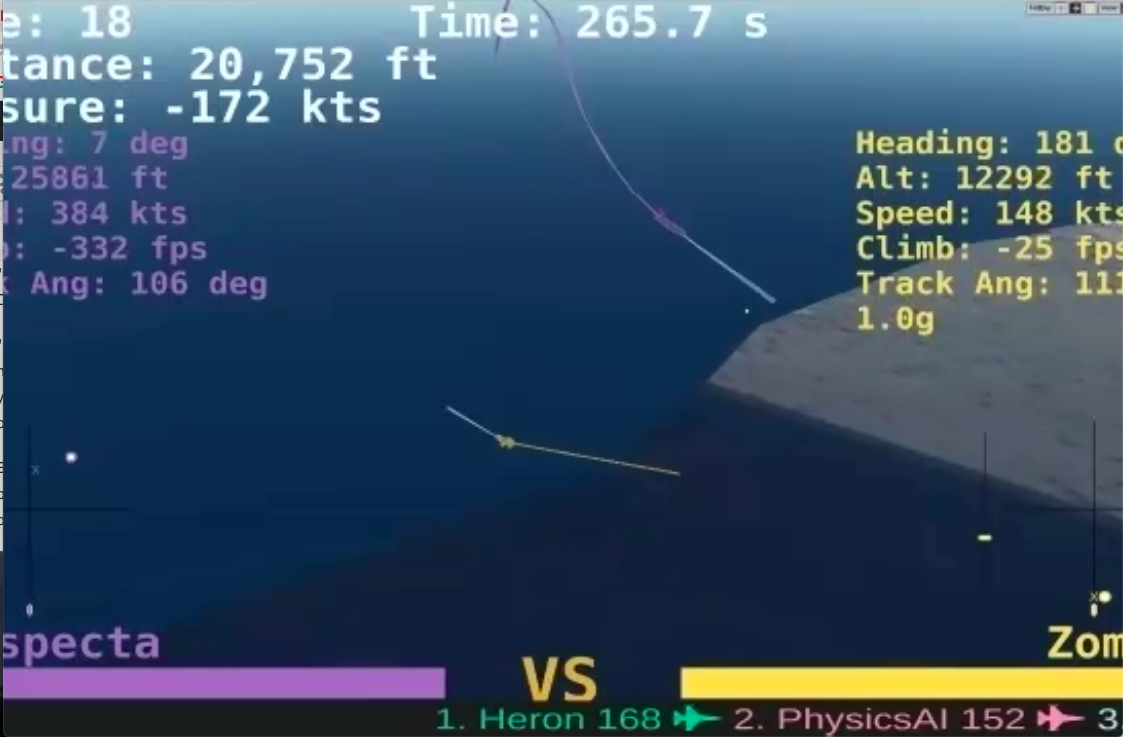
DARPA used the collaborative to find and contract the industry competitors in the AlphaDogfight which resulted in an AI 'pilot' built by Heron Systems beat a top Air Force F-16 pilot in a simulated WWII-style aerial battle.

After an AI beat humans 5-0 in AlphaDogfight simulations this summer, Mark Esper announced, a future version will be installed in actual airplanes for “a real-world competition.” But military AI will adhere to strict ethical limits, he said.
"It's a giant leap," said DARPA's Justin (call sign "Glock") Mock.

Cyber resilience has become a frontline mission for the US military. Breaking Defense’s new eBook rounds up key reporting from the 2025 Alamo ACE conference with the latest developments in cyber offense and defense.
"Before AI can find its place, really, in the cockpit in a formation, it kind of has to earn its wings first," DARPA Deputy Director David Honey says.