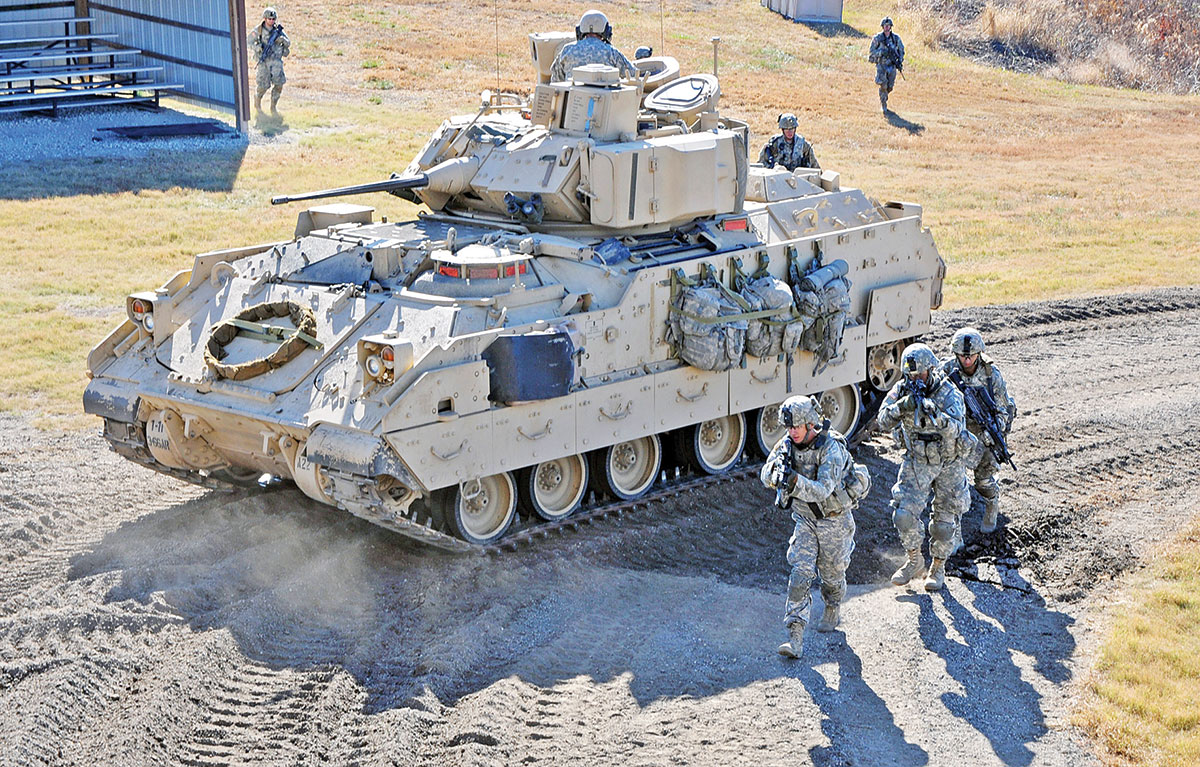
OMFV: Army Team Won’t Compete For Bradley Replacement
Industry and Congress were deeply skeptical of the Army’s suggestion to enter a government design team in the OMFV competition. Now the Army has backed off.
Industry and Congress were deeply skeptical of the Army’s suggestion to enter a government design team in the OMFV competition. Now the Army has backed off.
Instead of a single centralized Skynet trying to mastermind (or micromanage) operations, the Army is looking at a federation of more specialized, less ambitious AIs, each assisting humans in different ways.

Government can’t stop to update systems, so modernization has to happen without interruptions.

Experimental Robotic Combat Vehicles are outperforming Army expectations. But soldiers are finding plenty of quirks to fix.
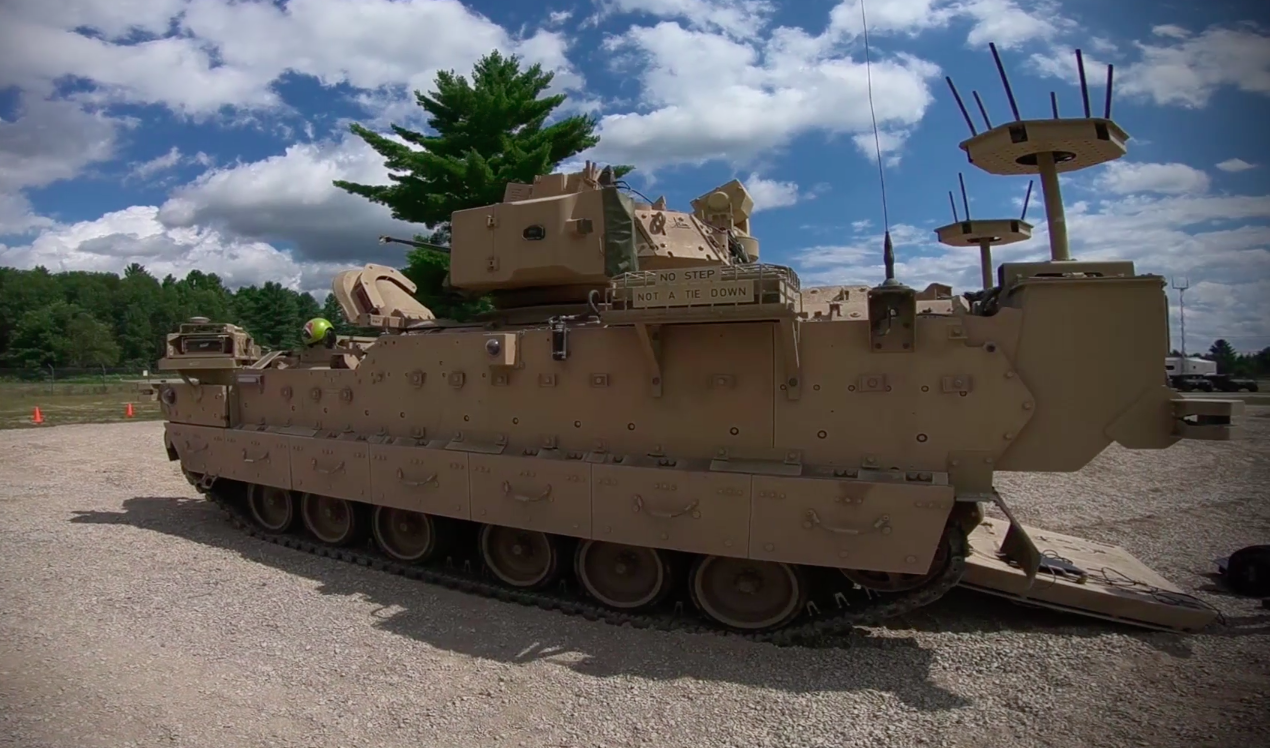
Instead of a traditional three-man crew, Brig. Gen. Coffman told Breaking Defense, “you have two humans with a virtual crew member, [sharing] the functions of gunning, driving, and commanding.”
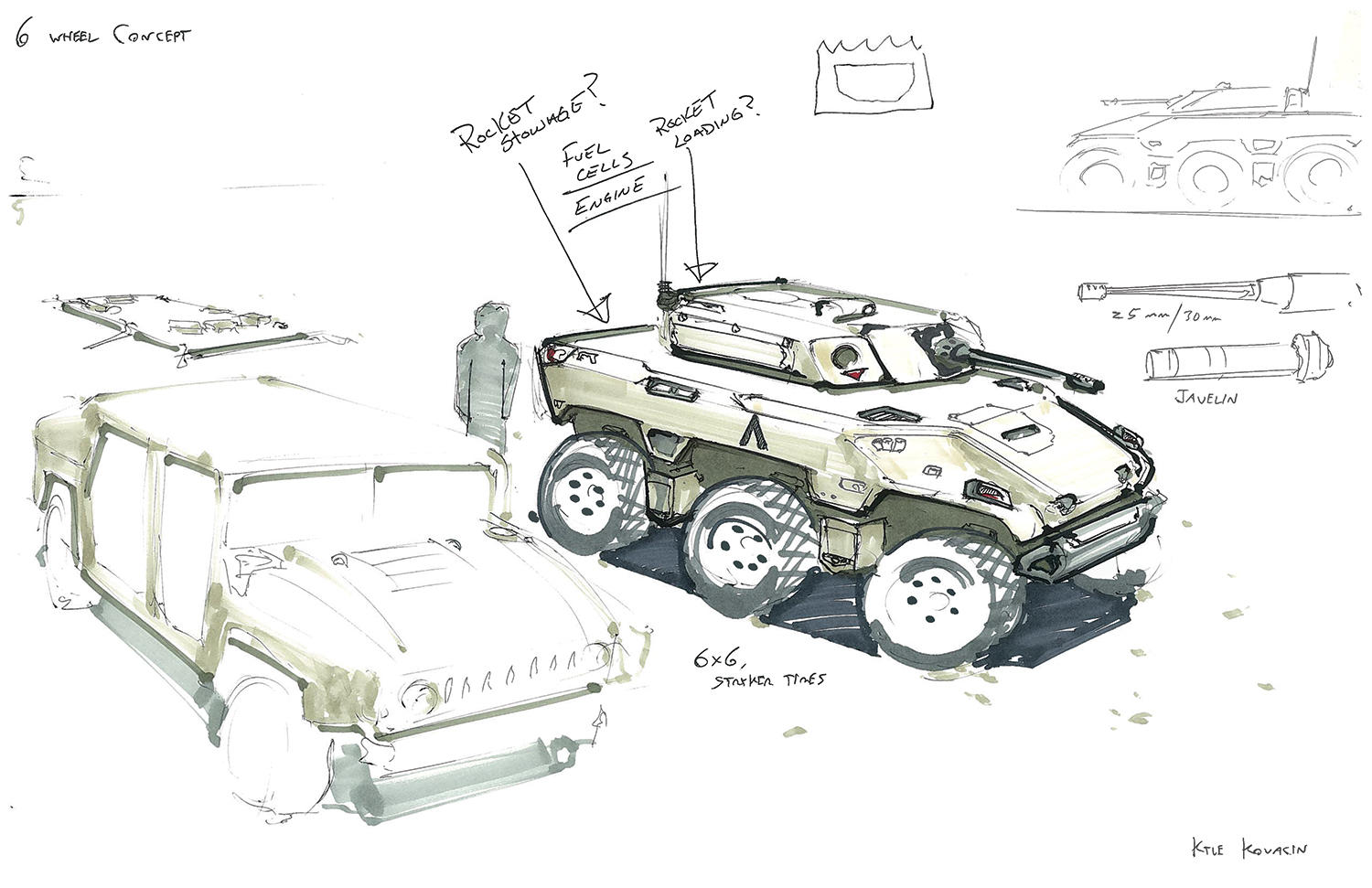
Industry sources say the Army shouldn’t enter its own in-house design team in the race to replace the M2 Bradley. Top Army officials told us why it would work.
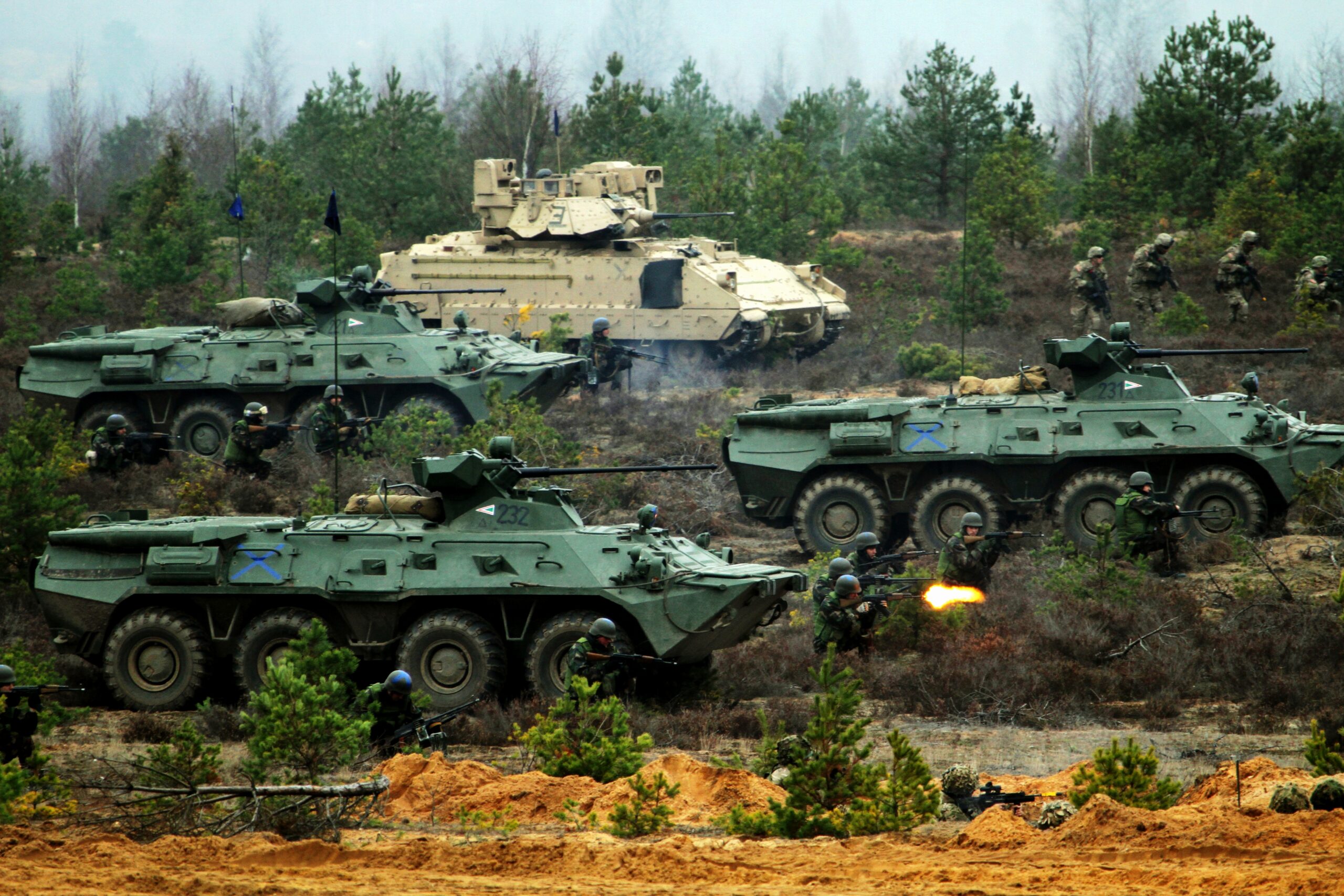
Survivability in battle is priority No. 1. Transportability by aircraft? It’s been demoted to a subitem under priority No. 7. Designs are due in 2023, physical prototypes in 2025, and operational vehicles by 2028.

Do more with less: streamline workflows, reduce duplication, invest upfront to save long-term.

Future commanders will need to know how to use artificial intelligence to make decisions—including when not to trust it. But how do you decide?

The Army’s Next Generation Combat Vehicle (NGCV) program has ambitious goals that will require development of new technological capability that ranges from autonomous operations to advanced materials.
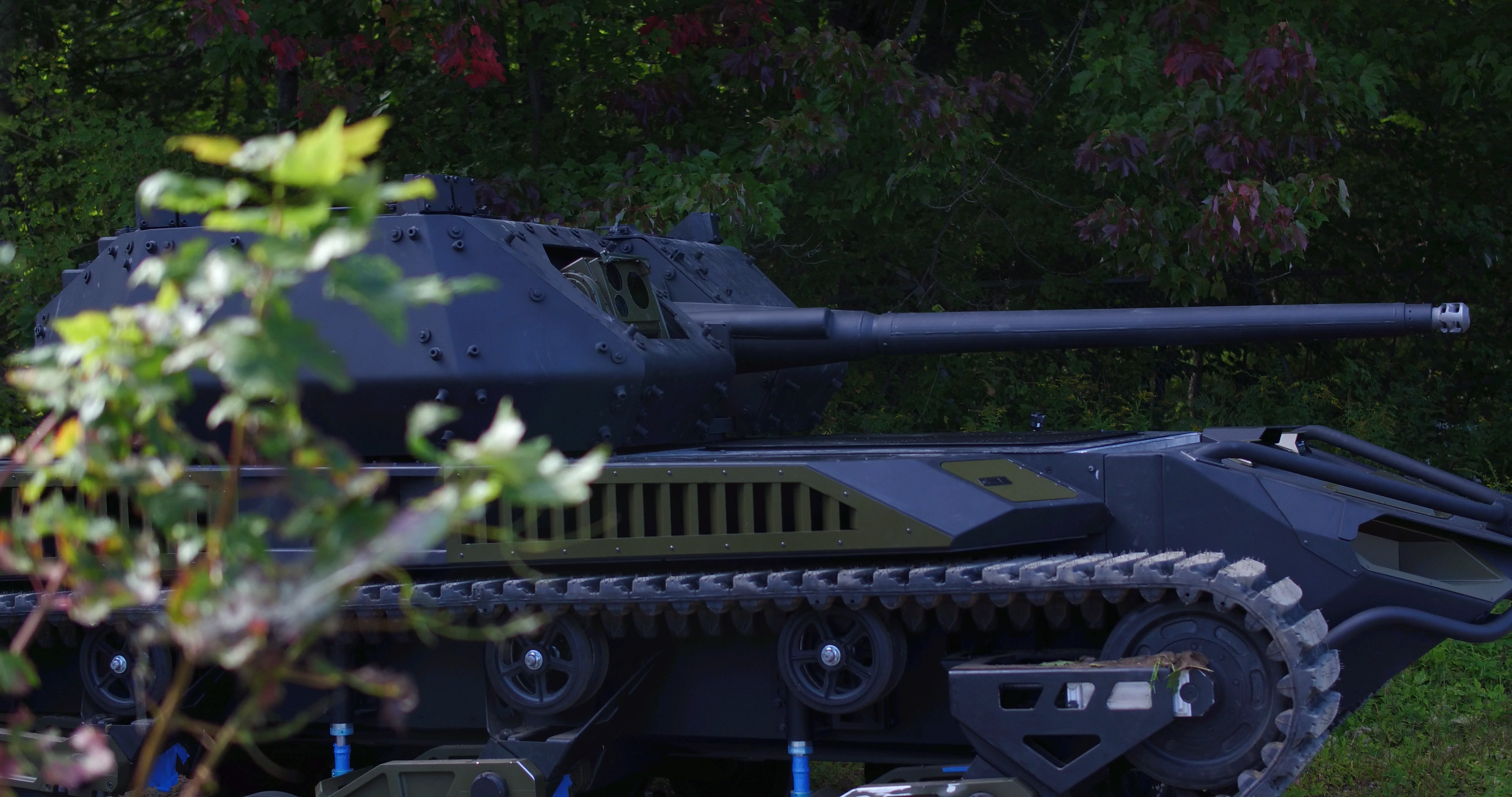
The Ripsaw design is so flexible, the company claims, it can scale up and down for different missions.
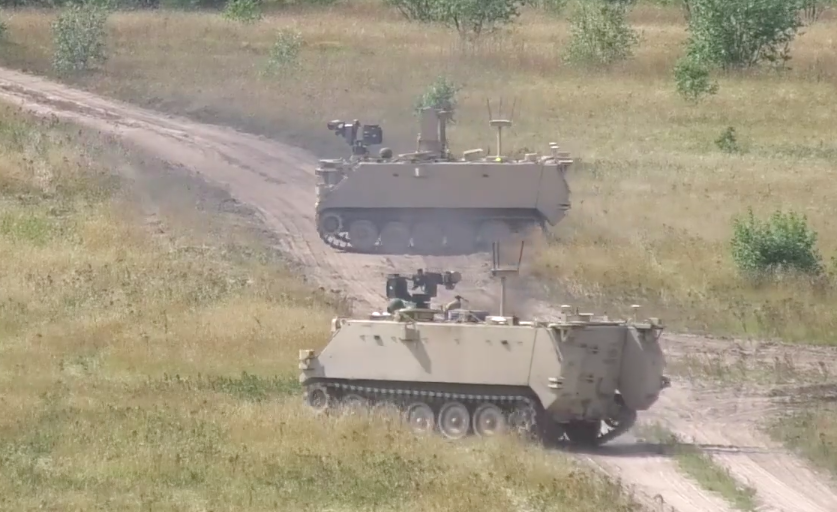
Industry’s prototype Robotic Combat Vehicles are proving more capable than the Army expected, Brig. Gen. Richard Ross Coffman told me: “It is really exciting.”

Breaking Defense Europe will launch May 4 with Tim Martin and Elisabeth Gosselin-Malo as co-editors.
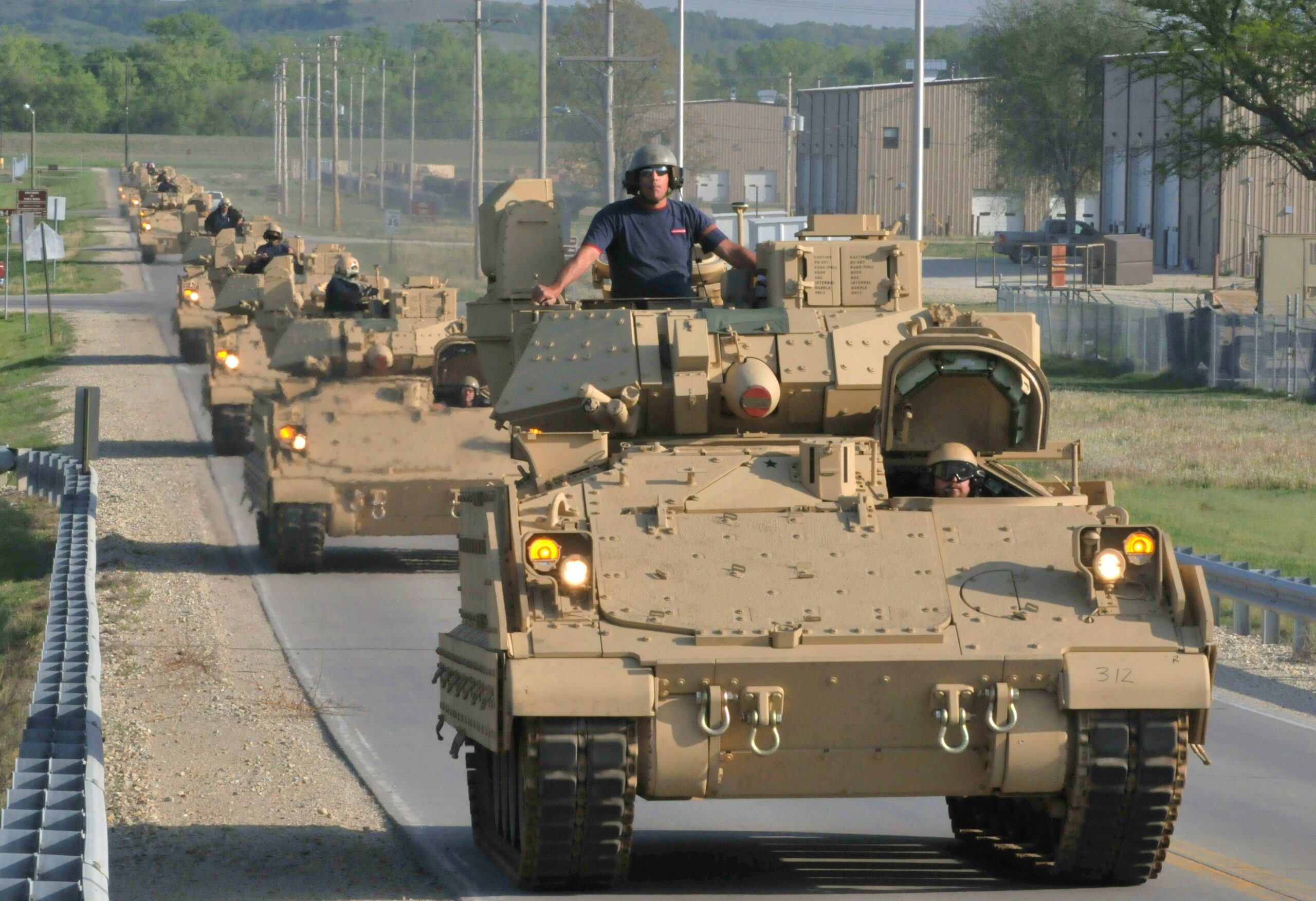
With the surprise disqualification of the Raytheon-Rheinmetall Lynx, the Army has effectively left itself with one competitor for the Optionally Manned Fighting Vehicle, General Dynamics -- unless the Pentagon or Congress intervene.

It’s one small test for a robot, one tactical leap for robot-kind.
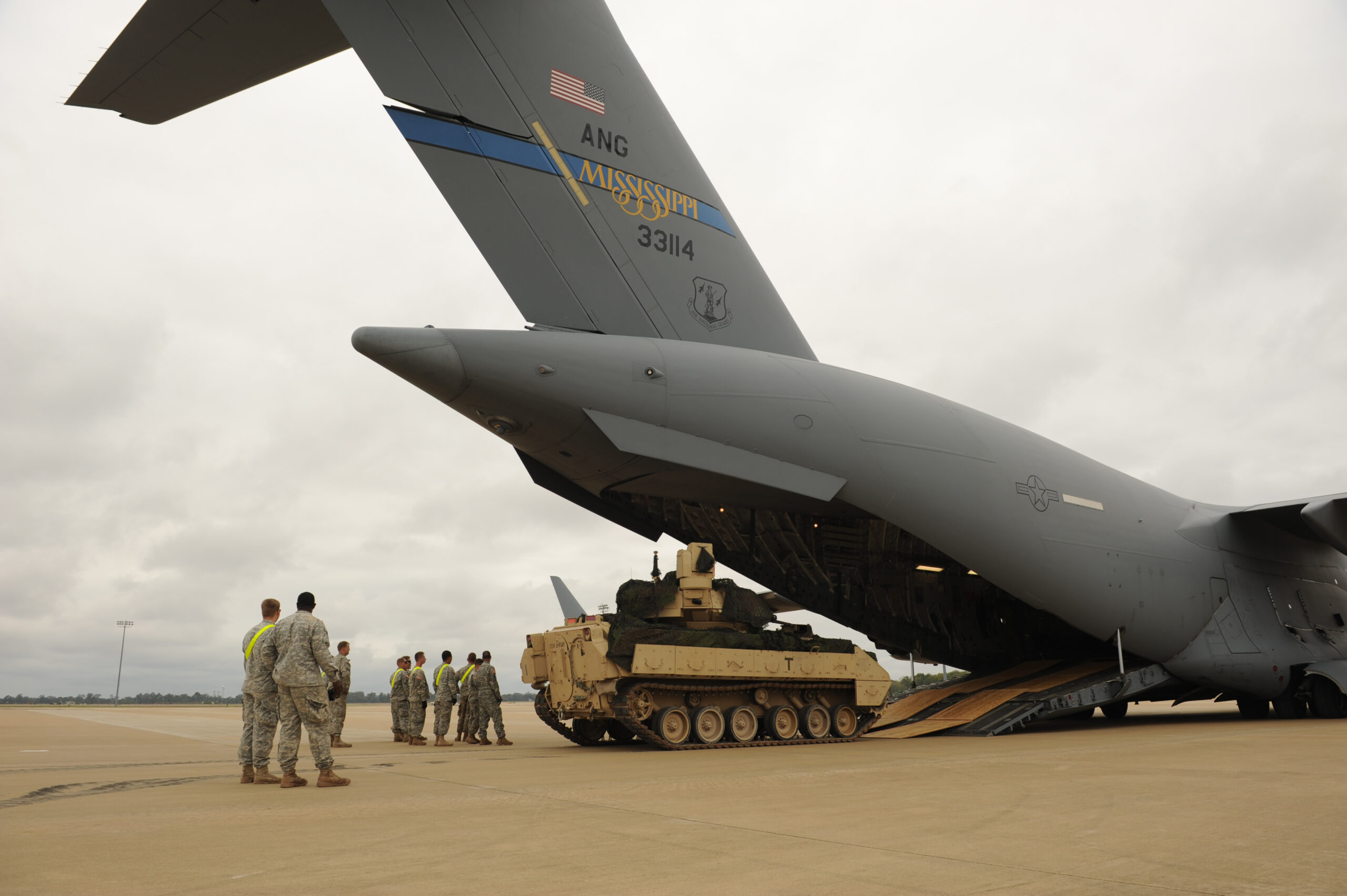
The Army will sacrifice some protection to fit two NGCVs on one Air Force C-17.
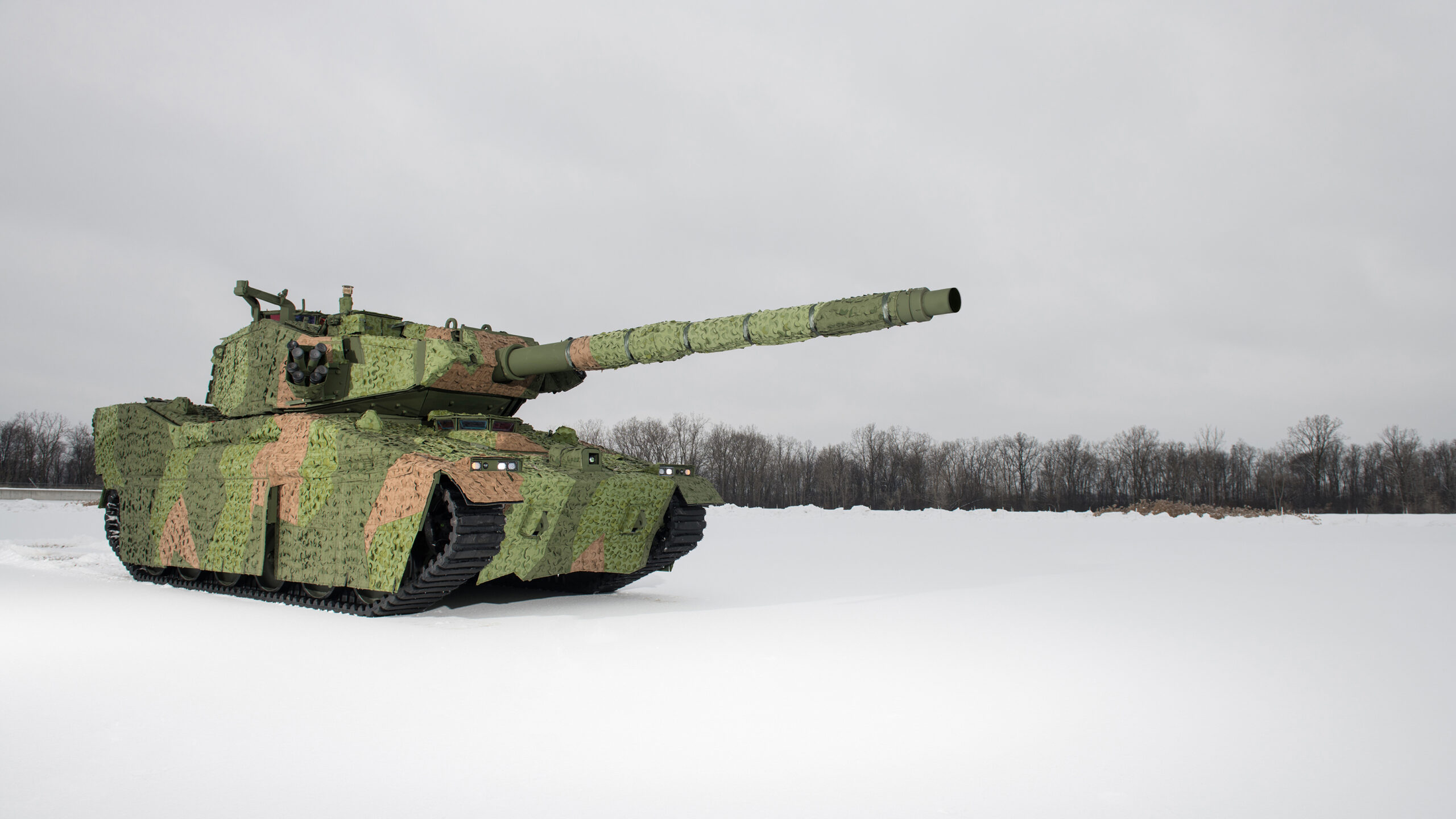
Yes, MPF is much lighter and less heavily armored than the M1 Abrams or even Russian tanks like the T-90. But MPF is going to light infantry units that currently have no armored vehicles at all, just a handful of Humvees, towed M777 howitzers, and whatever weapons the men can carry on their backs.