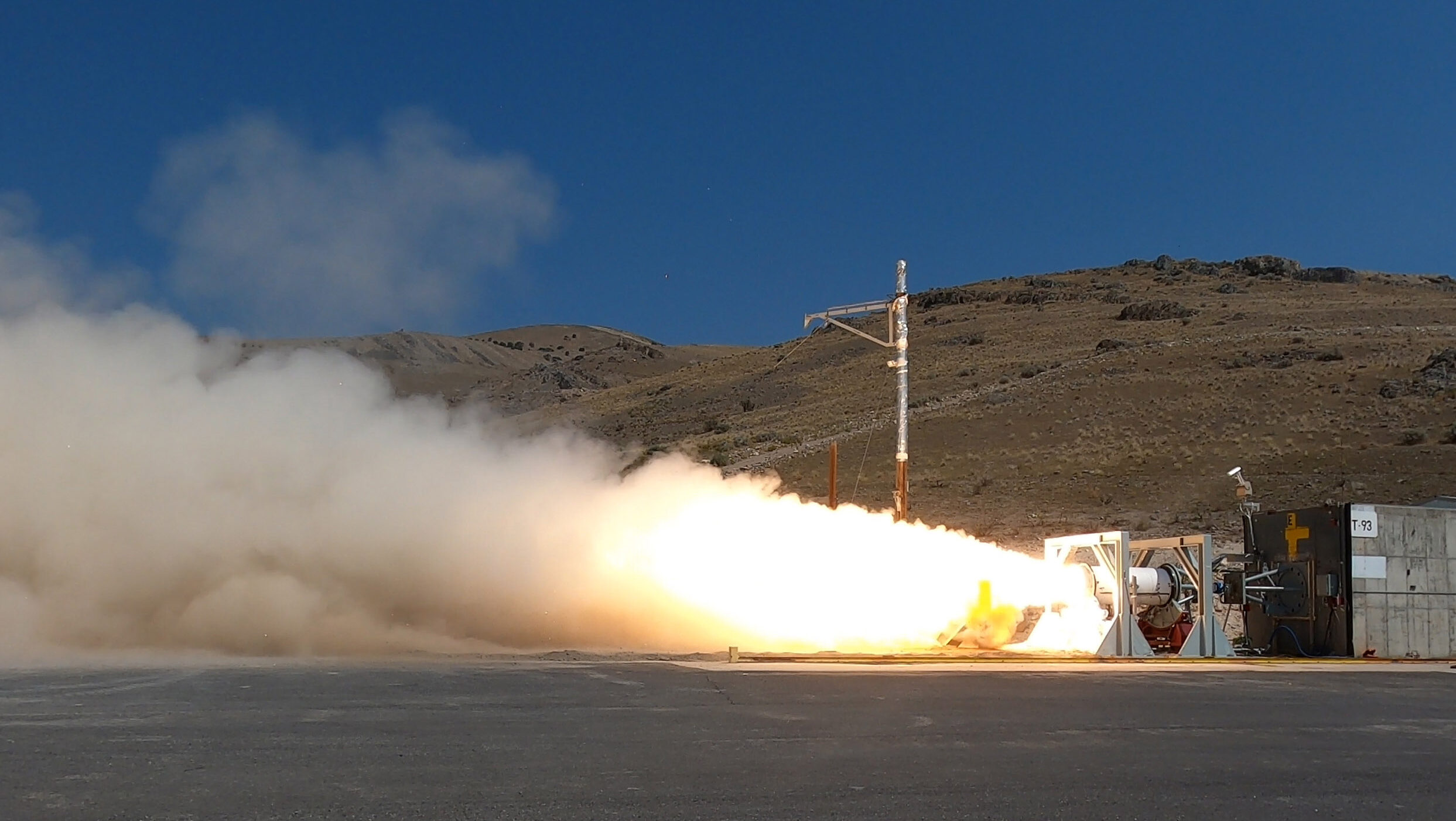
AUKUS nations ink new hypersonic tech sharing agreement
The three countries are planning "up to six" flight campaigns by 2028.
The three countries are planning "up to six" flight campaigns by 2028.

The Rapid Defense Experimentation Reserve, brainchild of Pentagon CTO Heidi Shyu, has funded low-profile but high-value niche technologies the services couldn’t or wouldn’t, from robot boats to a multi-domain targeting node.


Knowing when to build on commercial systems and when to develop something new can be the difference between parity and information dominance.

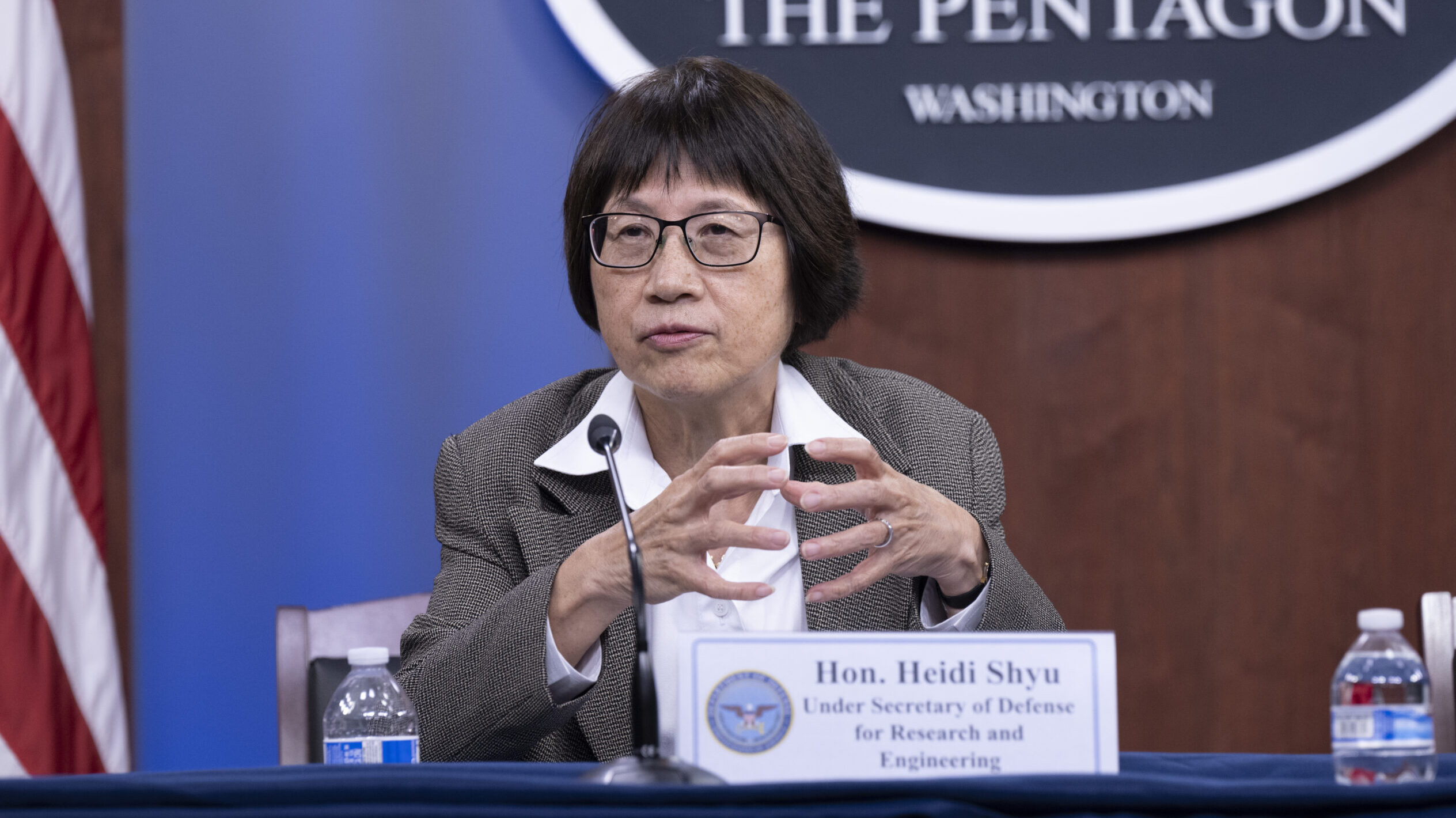
"Every single undersecretary, every single service, every COCOM … they all concurred, thumbs up, on the first four sets of prototypes, that these are mature enough to get into production and rapid fielding," Under Secretary Heidi Shyu told Breaking Defense in an exclusive interview on the progress of her Rapid Defense Experimentation Reserve.

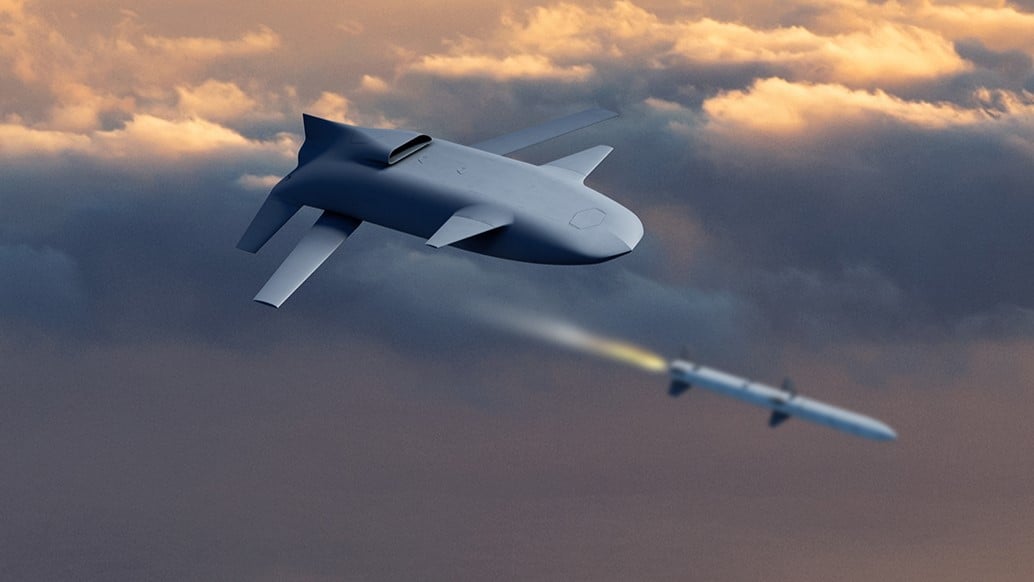
MDA Chief Lt. Gen. Heath Collins said more maneuverable missiles and drones have changed the missile defense game: Instead of just preparing to hit “fastballs,” he said, “now we’re hitting sliders and curveballs.”
The biggest pot of money sought is for a program whose details are listed as “Description withheld. Classified topic. Materials available at higher level.”

“On an annual basis, we have a CR, half the year’s gone,” the undersecretary for Research & Engineering said. “Our adversary doesn’t have the same constraints."


Reducing cognitive overload on warfighters while improving “time to trust” for autonomous systems is a matter of design.
Although slim on details, Heidi Shyu told reporters today that DoD will conduct a Technology Readiness Experimentation event sometime this year with its Australian counterparts and will conduct a new sprint of RDER with them next year.
“So the decision at the DMAG will be, should that be a single service, or [does] every service just buy what they want, right?” Heidi Shyu told reporters about the Rapid Defense Experimentation Reserve.

"A path that I proposed is linking that together to show a portfolio of capabilities," Heidi Shyu said about a new AUKUS announcement. "So that will be coming out soon.”
“The establishment of these roles within Research & Engineering better positions our team to execute upon our mission of preserving our nation’s technological edge, now and into the future,” Heidi Shyu, under secretary of defense for research and engineering, said.

The military space sector is evolving fast. Get the latest from Space Force and industry officials on what’s next for acquisition, policy and training in a new Breaking Defense eBook.
In addition to Heidi Shyu's expanded role, lawmakers have tasked the undersecretary of research and engineering to develop a strategy on how the Pentagon can leverage intellectual property to "enhance" its ability to procure emerging technologies and outpace adversaries.
A portion of the experiment will include opportunities for industry to showcase their technologies through a prototype technology display.
The plan lays out three lines of efforts: accelerating the development of joint warfighting capabilities, fielding capabilities at speed and scale, and ensuring the foundations for research and development through workforce development and upgrading physical and digital infrastructure.

"Industry has told us that they they think they can go faster, and we're hopeful that we can accelerate the program," said Laura DeSimone, Missile Defense Agency executive director.