
Nevada National Security Sites: 75 years. One mission.
NNSS advances U.S. security with science, training, and stewardship to protect the nation.

NNSS advances U.S. security with science, training, and stewardship to protect the nation.

In this fireside chat, Honeywell Aerospace executive Matthew Milas tells Breaking Defense how the firm is positioning itself in hopes of joining one of the biggest defense projects in a generation.


Knowing when to build on commercial systems and when to develop something new can be the difference between parity and information dominance.

Modular sensors, AI-driven response, and swarm defeat technologies are redefining how militaries confront one of today’s fastest-evolving threats: low-cost, high-impact drones.
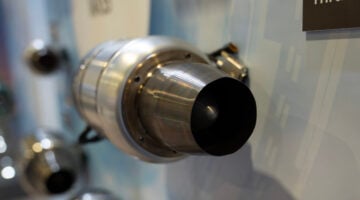
“This is certainly a growth market. It’s gonna take awhile to get there, but you could easily see hundreds of air vehicles built per year in this market sometime in the early 2030s,” Richard Aboulafia, managing director at AeroDynamic Advisory, told Breaking Defense.

It’s about improving existing platforms with autonomy, and applying AI, edge computing, quantum encryption, and sensor fusion.
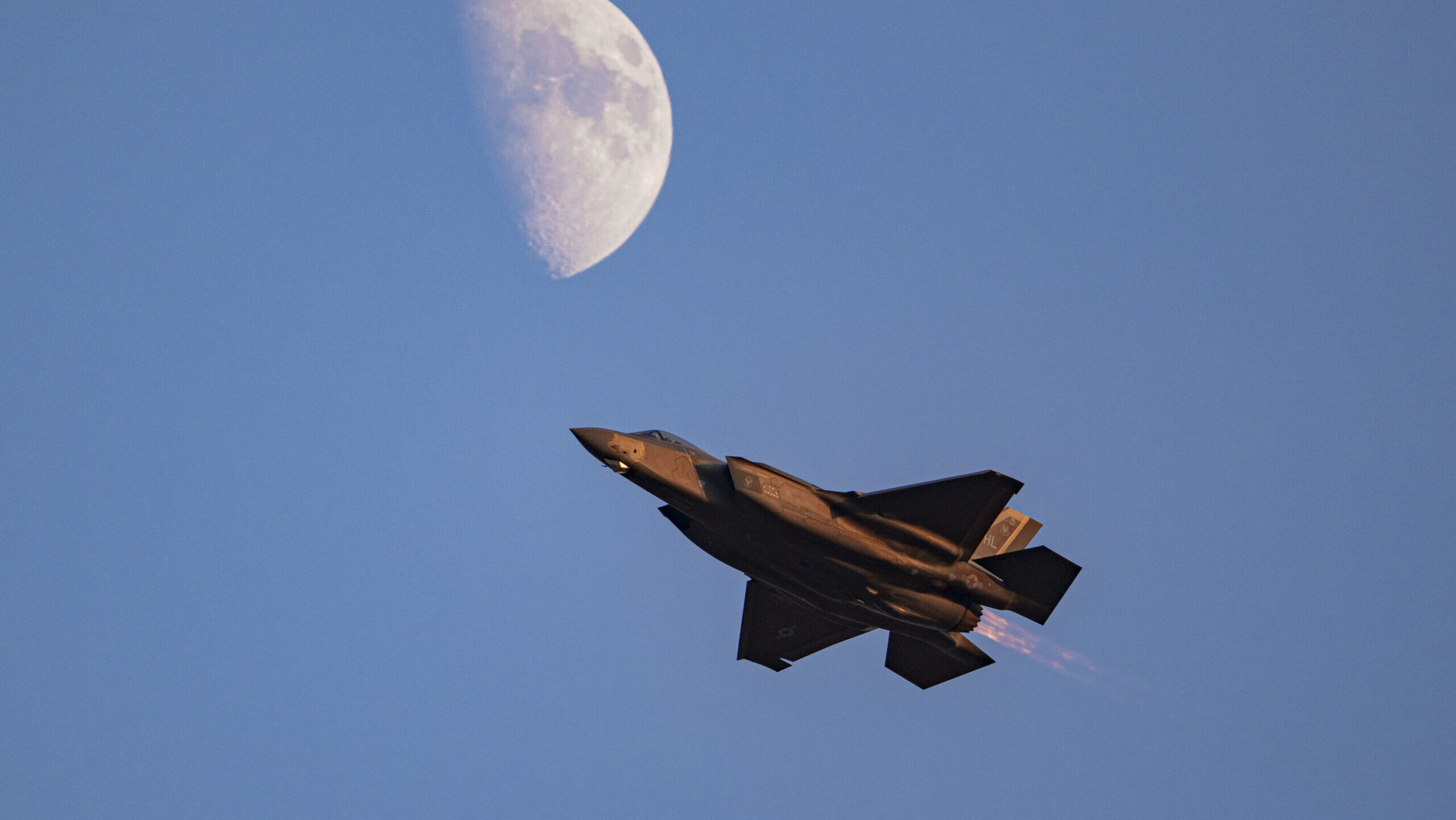
In part two of our F-35 roundtable video series, Breaking Defense takes a look at why the PTMU is so important and gets into how the competition looks going forward.

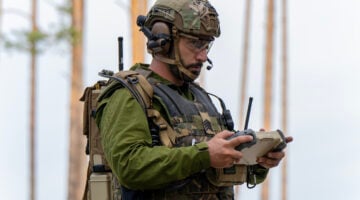
Reducing cognitive overload on warfighters while improving “time to trust” for autonomous systems is a matter of design.

“The long-term play for Honeywell is we want to be able to expand our capacity and meet demand with increased and resilient supply chains,” Honeywell executive Lee Davis told Breaking Defense. “The organization sees Australia as a good place to invest in a secure, like-minded nation.”
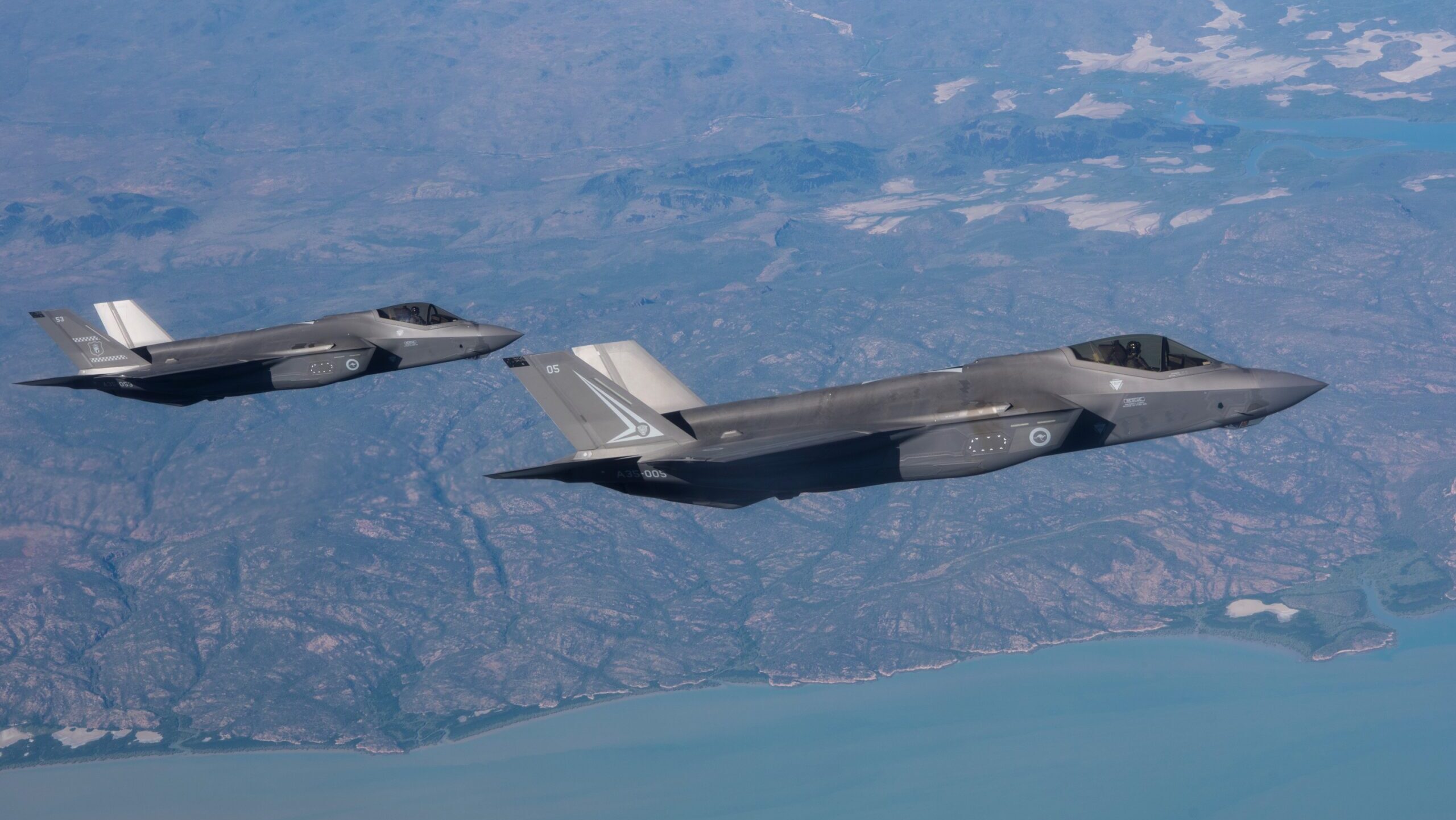
Australia is transforming its defense industrial base, focusing on submarine and missile production to solidify its role in US and UK defense supply chains under AUKUS.

The company is examining “all offers that’re out on the market today to make that decision, so it’s not going to be a quick choice,” Lockheed’s F-35 program manager Chauncey McIntosh told Breaking Defense.

“Unprecedented demand” in both commercial and defense aerospace sectors led to the company’s decision to break off that division as a standalone, public company, Honeywell CEO Vimal Kapur said in a statement.

Balancing security and access to data are critical to providing users with trustworthy, reliable data for real-time decisions.

“This system’s multi-layered defensive capabilities set it apart in the industry and enable it to not only track and detect, but also defeat multiple threats,” said Matt Milas.

Honeywell’s systems are integral to Australian defense, supporting AUKUS, GWEO, and expanding local capability across air, land, and sea.

The acquisition would bolster Honeywell’s current scope of work on platforms like the F-35, EA-18 Growler, AMRAAM air-to-air missile and GMLERS guided missiles, as well as expand Honeywell’s portfolio to add work on the SPY-6 naval radar, drone and counter-drone technologies.
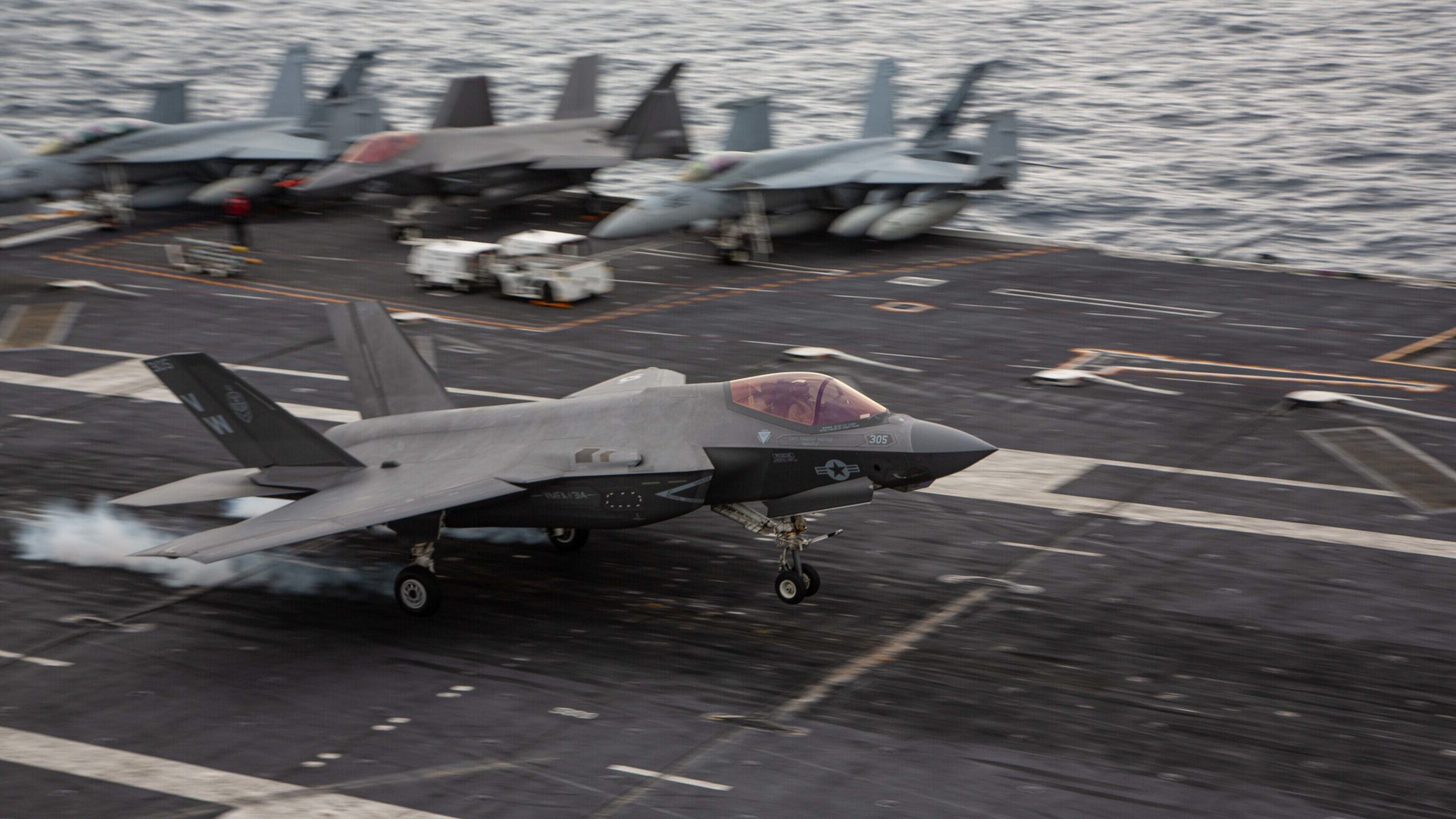
Cooling needs for the Joint Strike Fighter have taxed the F-35’s engine beyond its design specifications, prompting a need for separate upgrades to its powerplant and cooling system that Raytheon sees as an opening.