
Australia’s largest-ever industrial mobilization is driven by submarines and missiles
Honeywell’s systems are integral to Australian defense, supporting AUKUS, GWEO, and expanding local capability across air, land, and sea.

Honeywell’s systems are integral to Australian defense, supporting AUKUS, GWEO, and expanding local capability across air, land, and sea.

The acquisition would bolster Honeywell’s current scope of work on platforms like the F-35, EA-18 Growler, AMRAAM air-to-air missile and GMLERS guided missiles, as well as expand Honeywell’s portfolio to add work on the SPY-6 naval radar, drone and counter-drone technologies.


The Sixth Domain is not defined by geography. It’s a new kind of conflict in which autonomy and networked systems allow thousand-dollar consumer electronics to destroy multi-million-dollar conventional weapons systems.
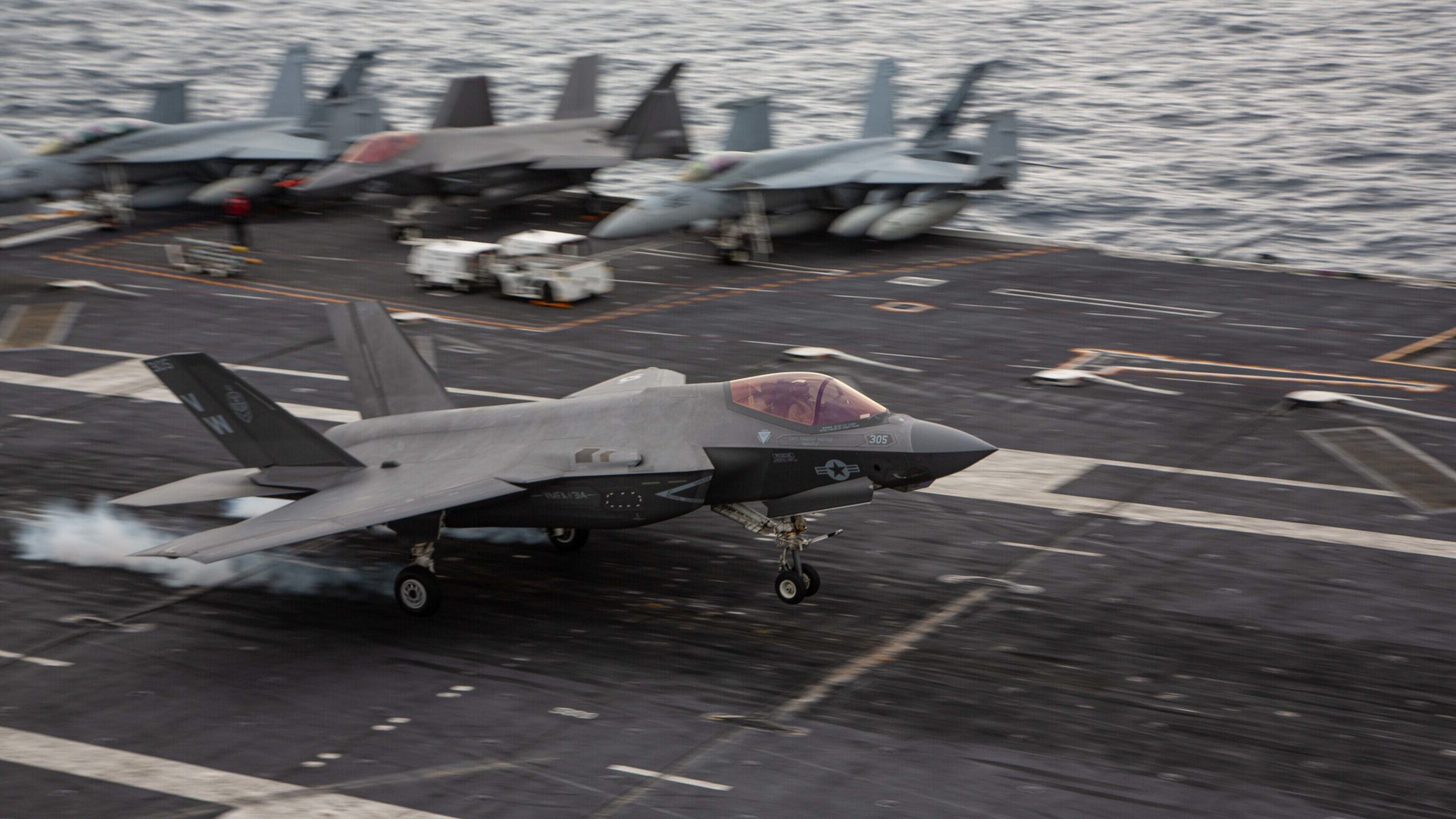
Cooling needs for the Joint Strike Fighter have taxed the F-35’s engine beyond its design specifications, prompting a need for separate upgrades to its powerplant and cooling system that Raytheon sees as an opening.
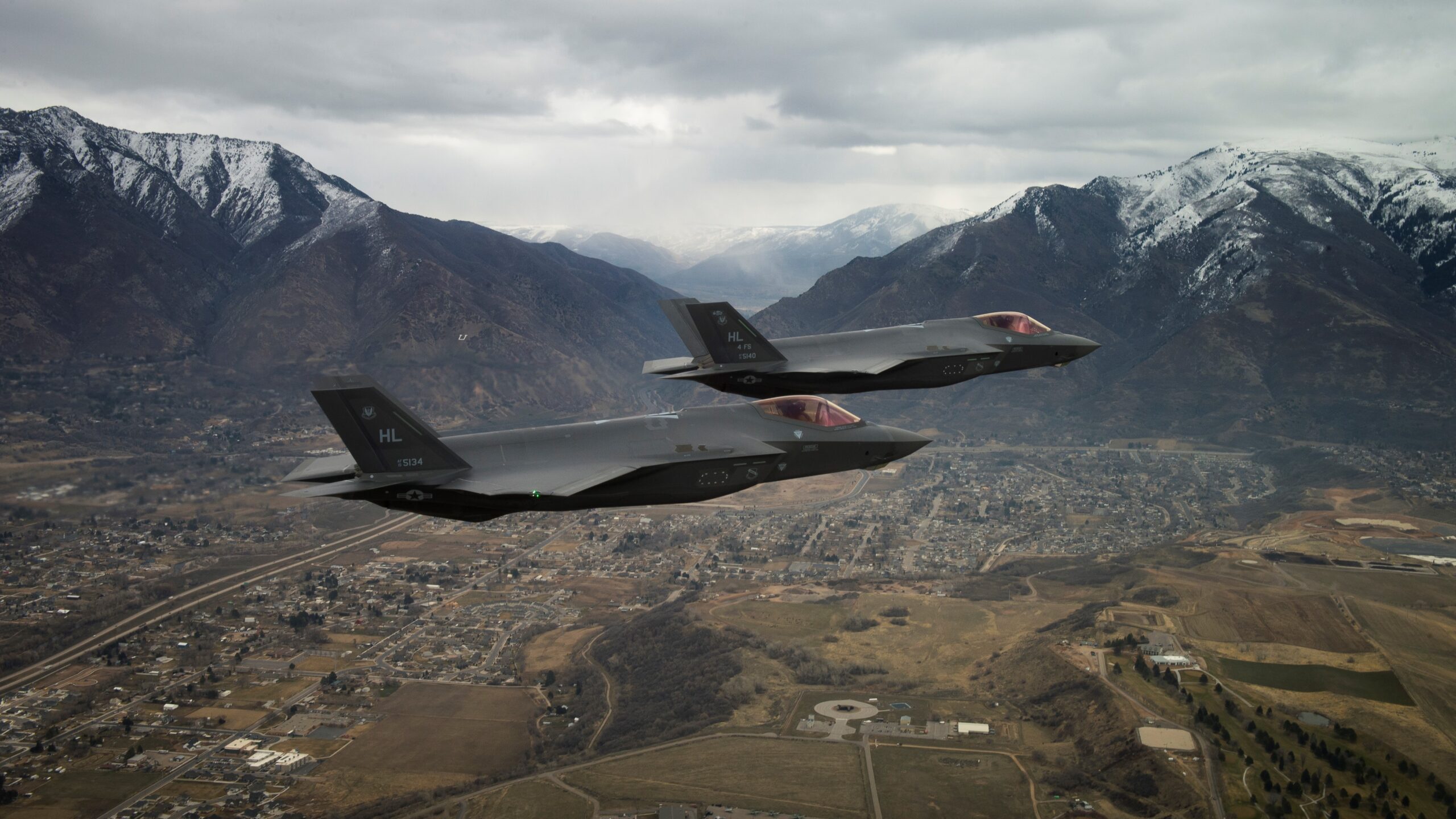
F-35 deliveries were suspended on Aug. 31 due to findings of a Chinese alloy in the supply chain.

Earlier this week, the Pentagon acknowledged that it had stopped accepting deliveries of the F-35 due to Chinese alloys used in magnets inside the F-35 turbomachine.
It is unclear when F-35s with magnets made from the new alloy will begin rolling off the production line, and if the Chinese alloy is found to violate defense acquisition regulations, it would take a national defense waiver for deliveries to resume.

Government can’t stop to update systems, so modernization has to happen without interruptions.

The news comes months after Sikorsky-Boeing announced it would be using Honeywell’s HTS7500 turboshaft engine for its FLRAA offering, the DEFIANT X.
The Army's contract award will come later this year.
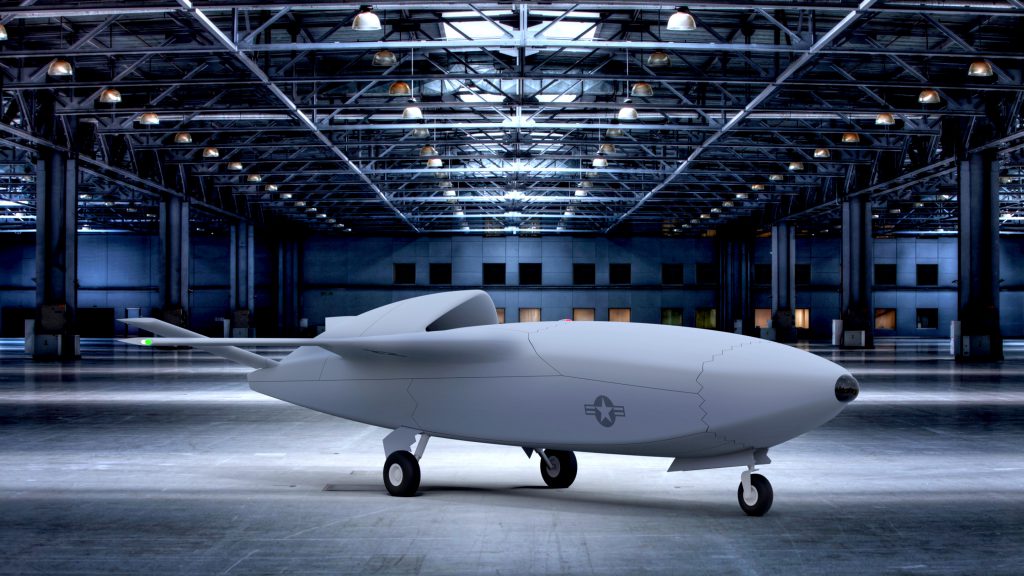
The Air Force is "driving toward" 2023 for initial operating capability for Skyborg, says AFRL Director Brig. Gen. Heather Pringle.
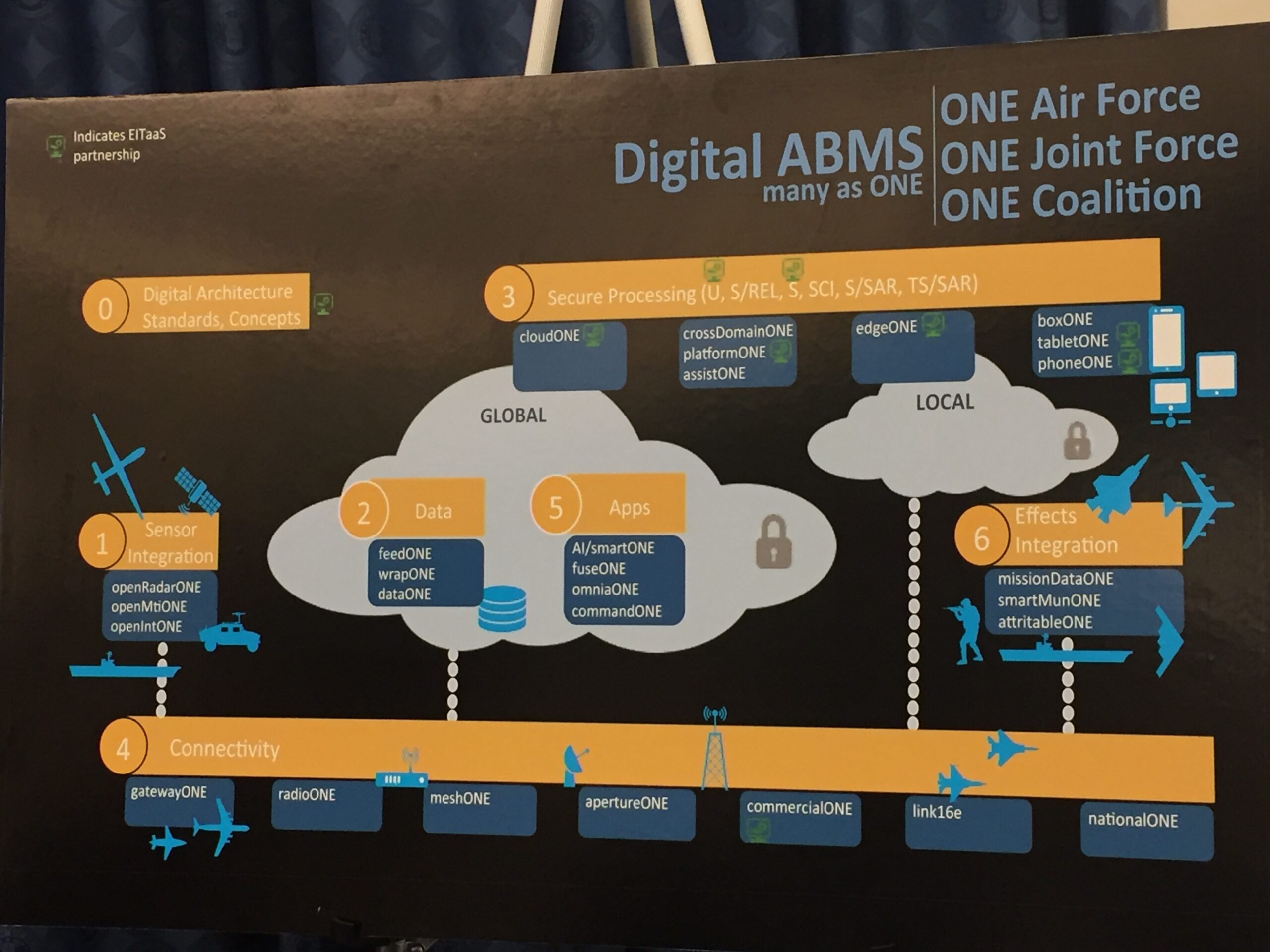
ABMS is essentially the first effort by the Defense Department to "build the Internet of Things for the military," Will Roper, head of Air Force acquisition, says.

Breaking Defense Europe will launch May 4 with Tim Martin and Elisabeth Gosselin-Malo as co-editors.

"We think clearly it's time for the Air Force and other governmental entities to engage and direct the right solution. Northrop has chosen not to do that," Frank McCall, Boeing’s director of strategic deterrence systems, said.

Rebuffed by the Army and GAO in its bid to re-engine aging helicopters, ATEC has gone over their heads to Congress and asked legislators for a second chance.
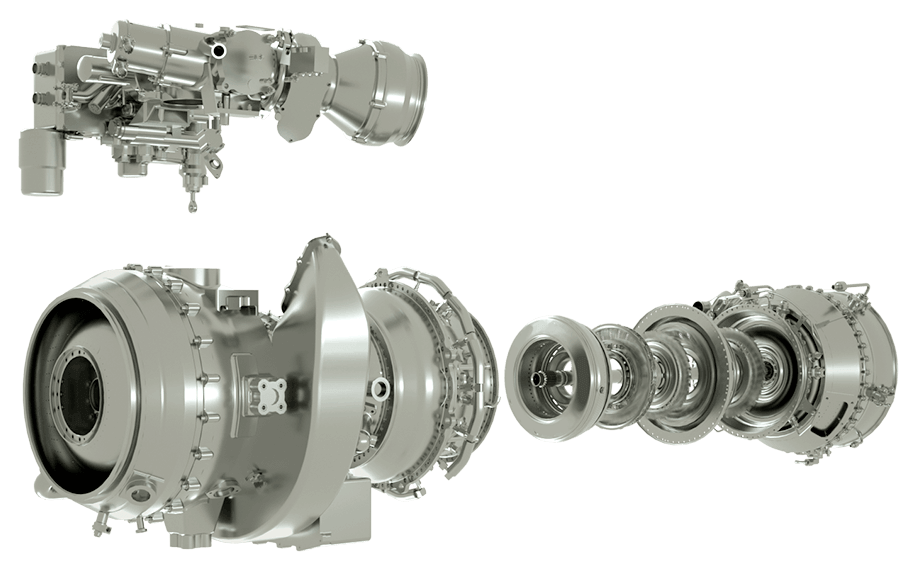
Having wasted tens of billions and almost 30 years since the end of the Cold War, the Army is out of time. But after decades of incremental improvements, its existing weapons — including the UH-60 Black Hawk helicopter that GE’s new engine will upgrade – are overweight, underpowered, and running out of room to grow. Meanwhile, the Army’s attempts at a high-tech great leap forward kept getting cancelled as unaffordable, unfeasible, or both.

Critics say the Army could end up wasting billions by developing a better engine for its Sikorsky UH-60 Black Hawk and Boeing AH-64 Apache helicopters even as the joint Future Vertical Lift (FVL) initiative gets underway to replace those aircraft. The critics are wrong, program officials assure us. But the critics still disagree. A new Army […]