
Who’s Who in Defense: Scott DesJarlais, Chairman, House Armed Services (HASC) Strategic Forces Subcommittee
DesJarlais leads a subcommittee that oversees critical DoD operations.
DesJarlais leads a subcommittee that oversees critical DoD operations.

During a HASC strategic forces subcommittee meeting Wednesday, Ranking Member Rep. Seth Moulton, D-Mass., expressed concern that OMB has "slashed" NRO's budget for acquiring commercial imagery.

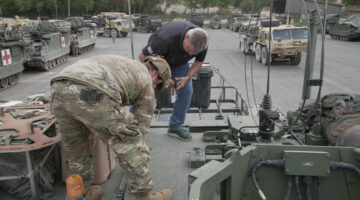
The network transport architecture for NGC2 could be a hybrid approach that combines high assurance communications with 5G, WiFi, and multi-orbit satellites.
The draft National Space Authorization Act would also push Space Force on integrating commercial data and on over-classification of space programs.

If contractors are put on the Contractor Responsibility Watch List for failure to meet cost and schedule performance goals, the Space Force has "the ability at that point not to award them any new contracts."
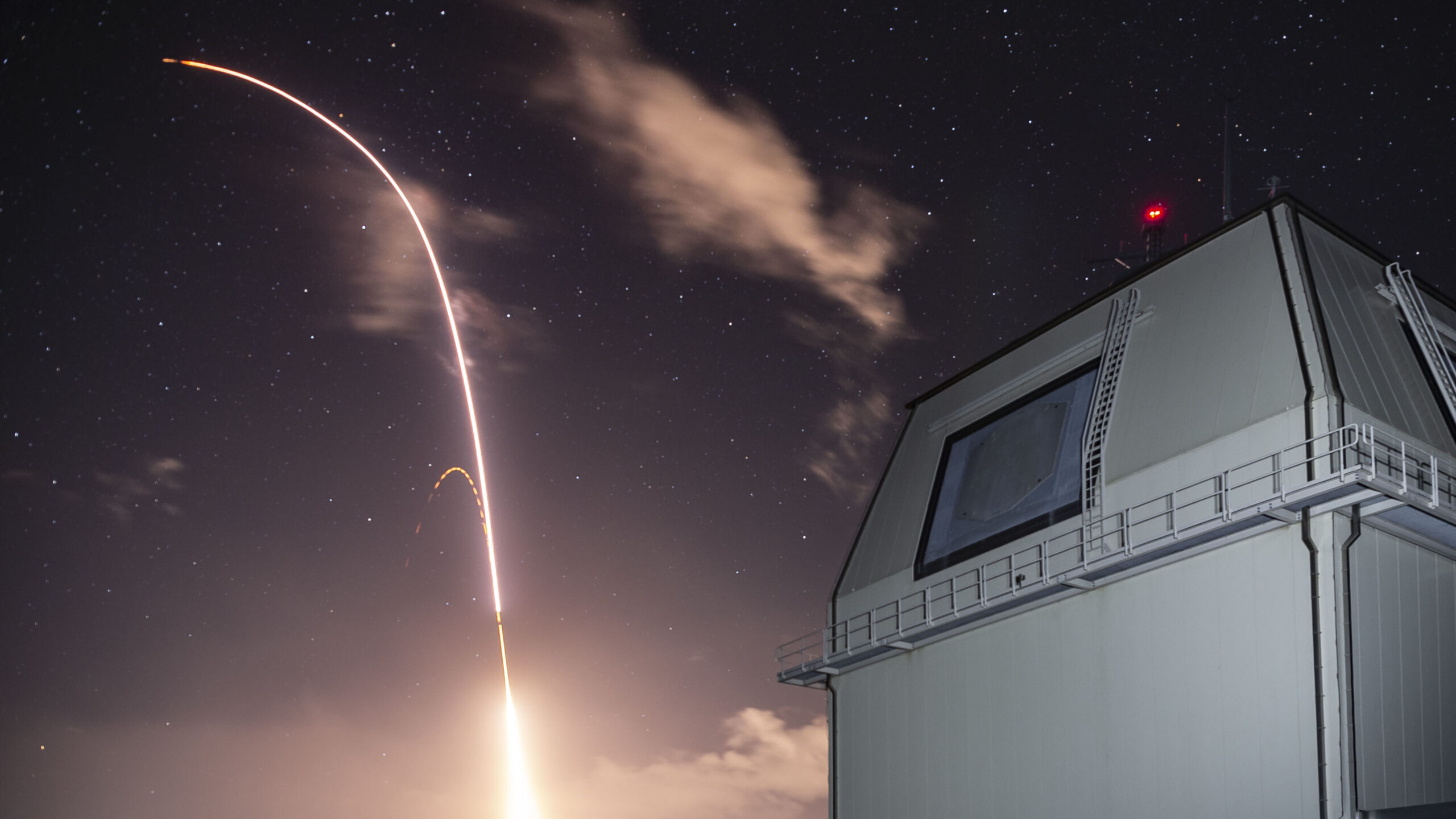
"Industry has told us that they they think they can go faster, and we're hopeful that we can accelerate the program," said Laura DeSimone, Missile Defense Agency executive director.

The House subcommittee's markup of the fiscal 2023 defense policy bill also calls upon GAO to review the effectiveness of the NC3 Enterprise Center run by STRATCOM.


Why edge and endpoint security can’t be an afterthought.

The markup also calls for a comprehensive report on how DoD plans to leverage ISR data from commercial radio frequency (RF) satellites, noting that lawmakers have been "encouraged" by the successful use of RF geolocation in exercises, including by European Command.
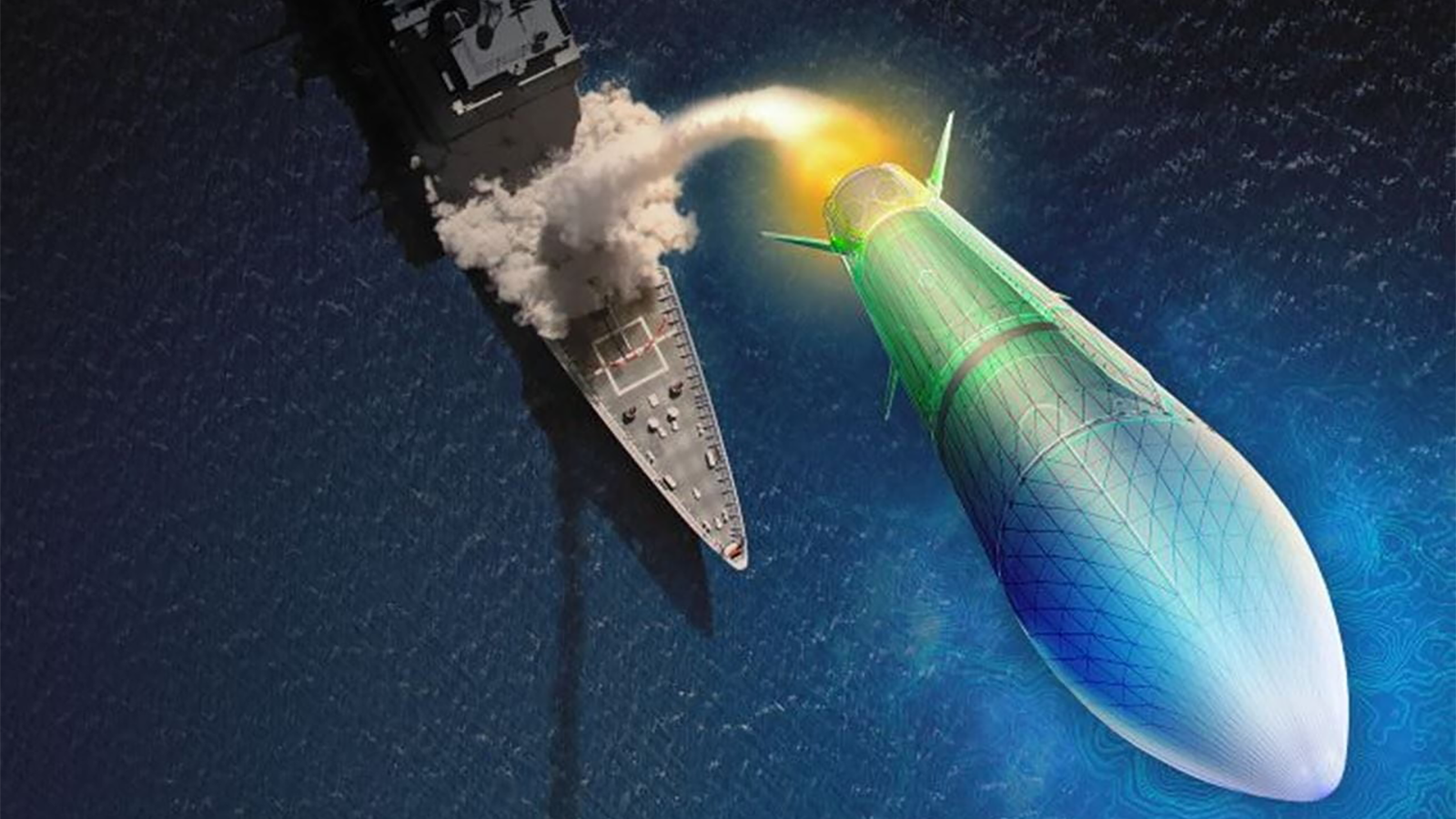
The Missile Defense Agency's request for funds above the 2023 budget for the Glide Phase Interceptor will go towards reducing risks for critical technologies, including seekers, propulsion systems and thermal protection, says Director Vice Adm. Jon Hill.
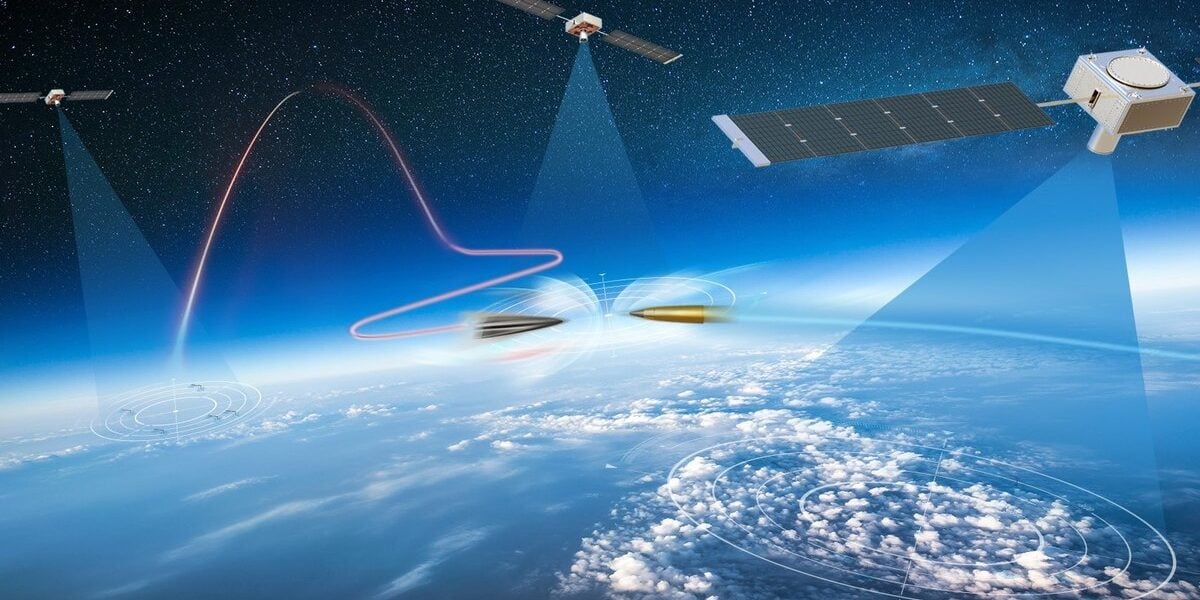
"What we don't want to do is launch a weapon that then opens a seeker and there's nothing there, because the target has maneuvered," Vice Adm. Jon Hill, said.
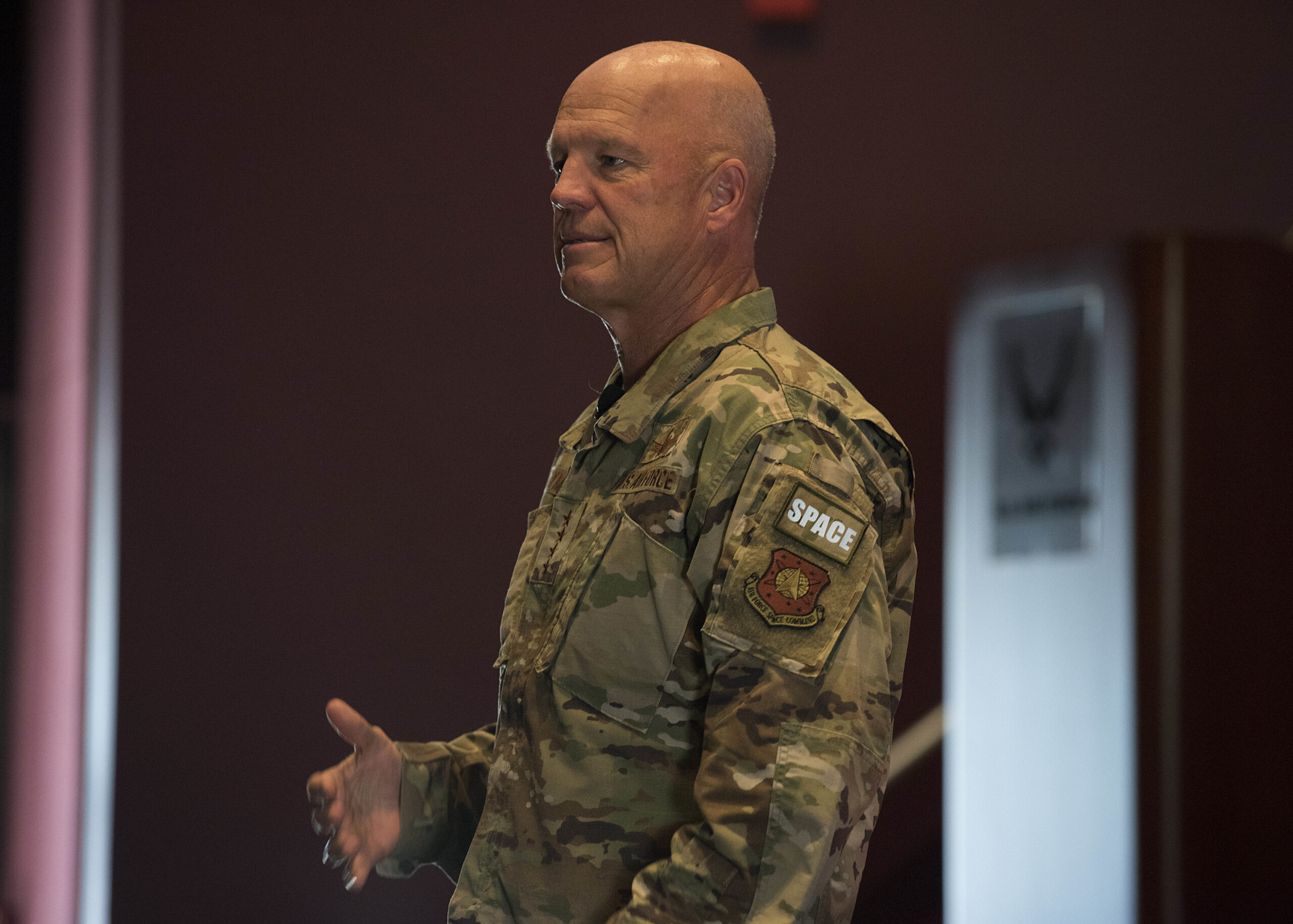
"I don't see another obvious explanation other than it was a weapons test," said Brian Weeden of the Secure World Foundation.


Knowing when to build on commercial systems and when to develop something new can be the difference between parity and information dominance.
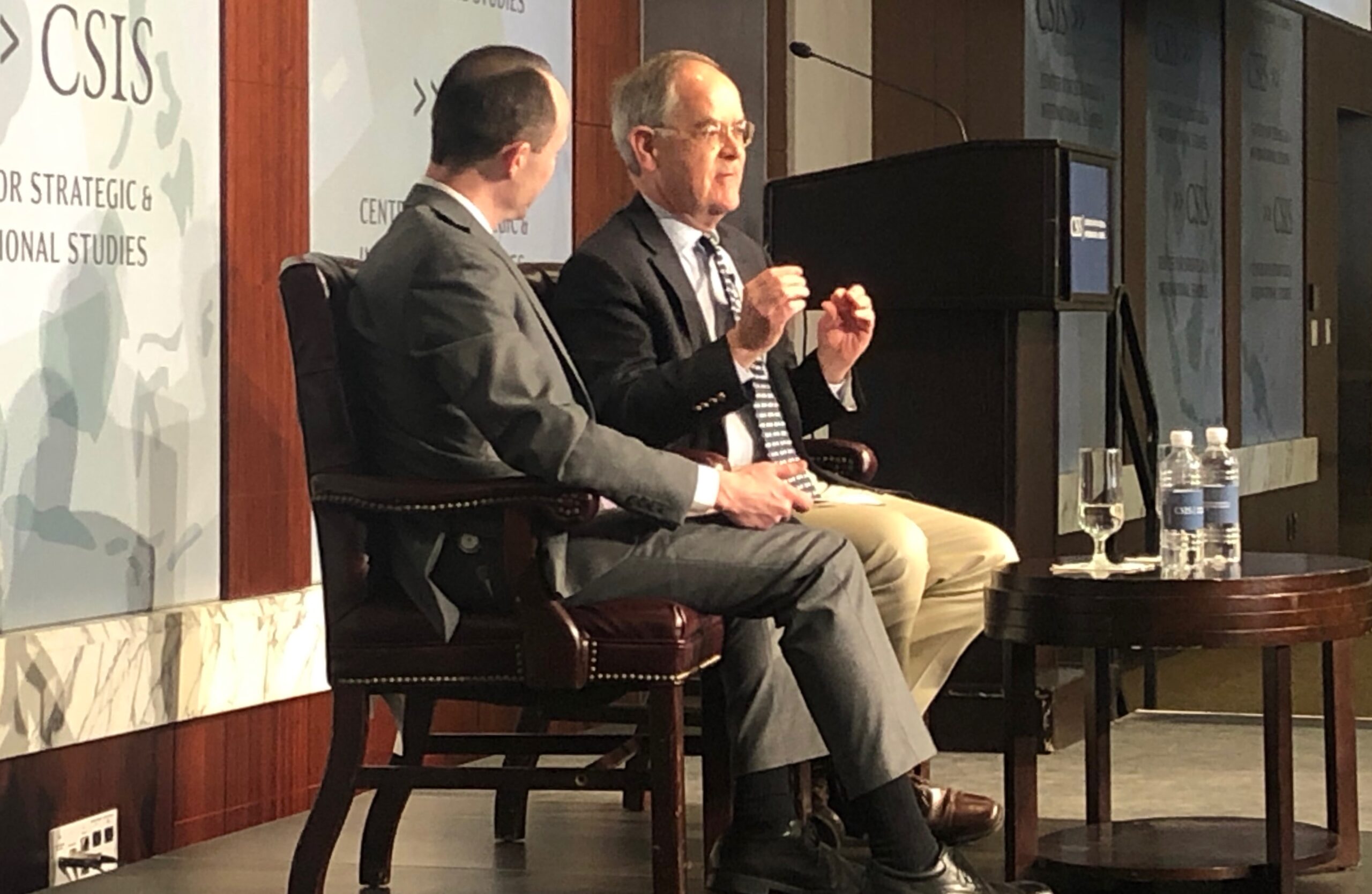
Military space programs have to navigate a maze of 60 agencies. Creating a Space Force may not make things simpler.

The "separate but equal" sixth service (don't forget the Coast Guard) will be created in stages, because, as Pence finally admitted publicly, it "requires Congressional action." And, as the vice chairman of the Joint Chiefs of Staff, Gen. Paul Selva, admitted today, if Congress passed the relevant laws in a year that would "unprecedented."

Pentagon planners aren't only worried about North Korean ICBMs, but Chinese hypersonics and medium-range missiles. That means, according to analysts, that an array of distributed systems are needed to meet a wide range of potential threats.
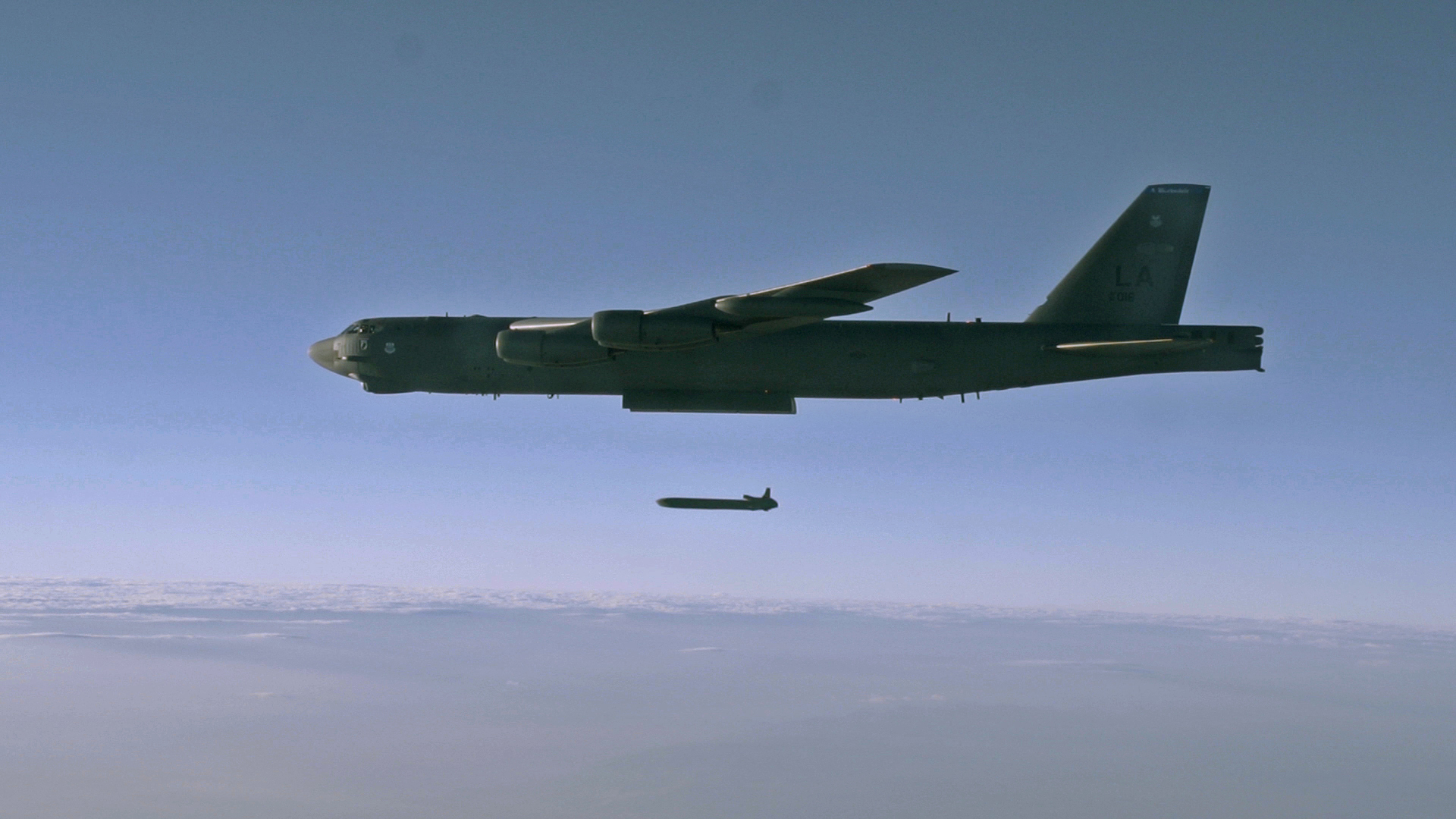
The push from Capitol Hill follows a year of the Pentagon promising to do more, and do it quickly, when it comes to developing and buying next-generation technologies.