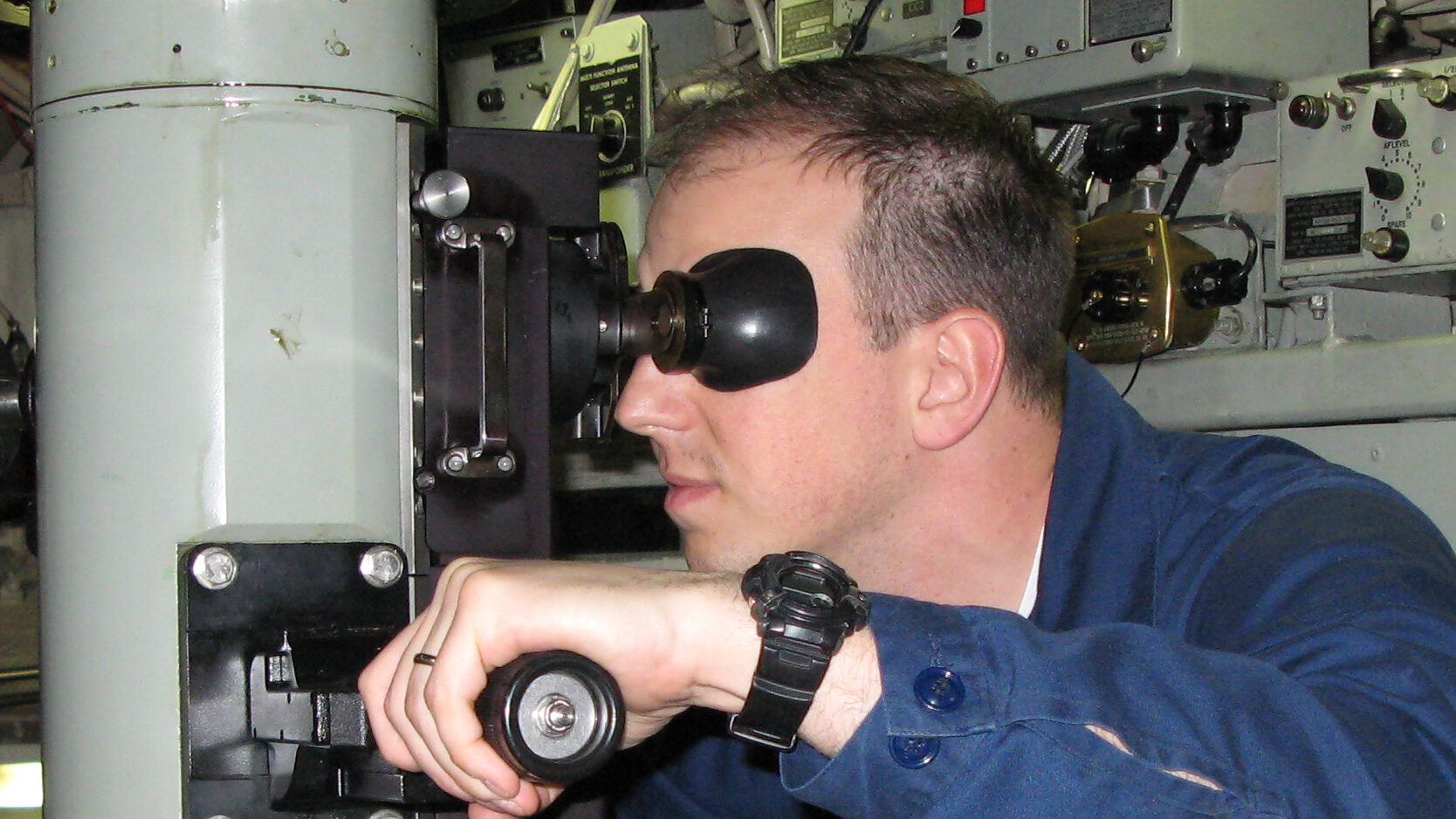
Navy’s info warfare boss wants IW officers on subs, ARGs
Vice Adm. Kelly Aeschbach, the IW type commander, says the move comes as the Navy's operating environment is increasingly complex and competitive.
Vice Adm. Kelly Aeschbach, the IW type commander, says the move comes as the Navy's operating environment is increasingly complex and competitive.

The intent is to generate conversation within the community and a more broad audience about potential threats and what the service can do to prepare for the future.

Do more with less: streamline workflows, reduce duplication, invest upfront to save long-term.

One senior official said he wants his agency to have the urgency about China the way the US had urgency about counterterrorism after 9/11.
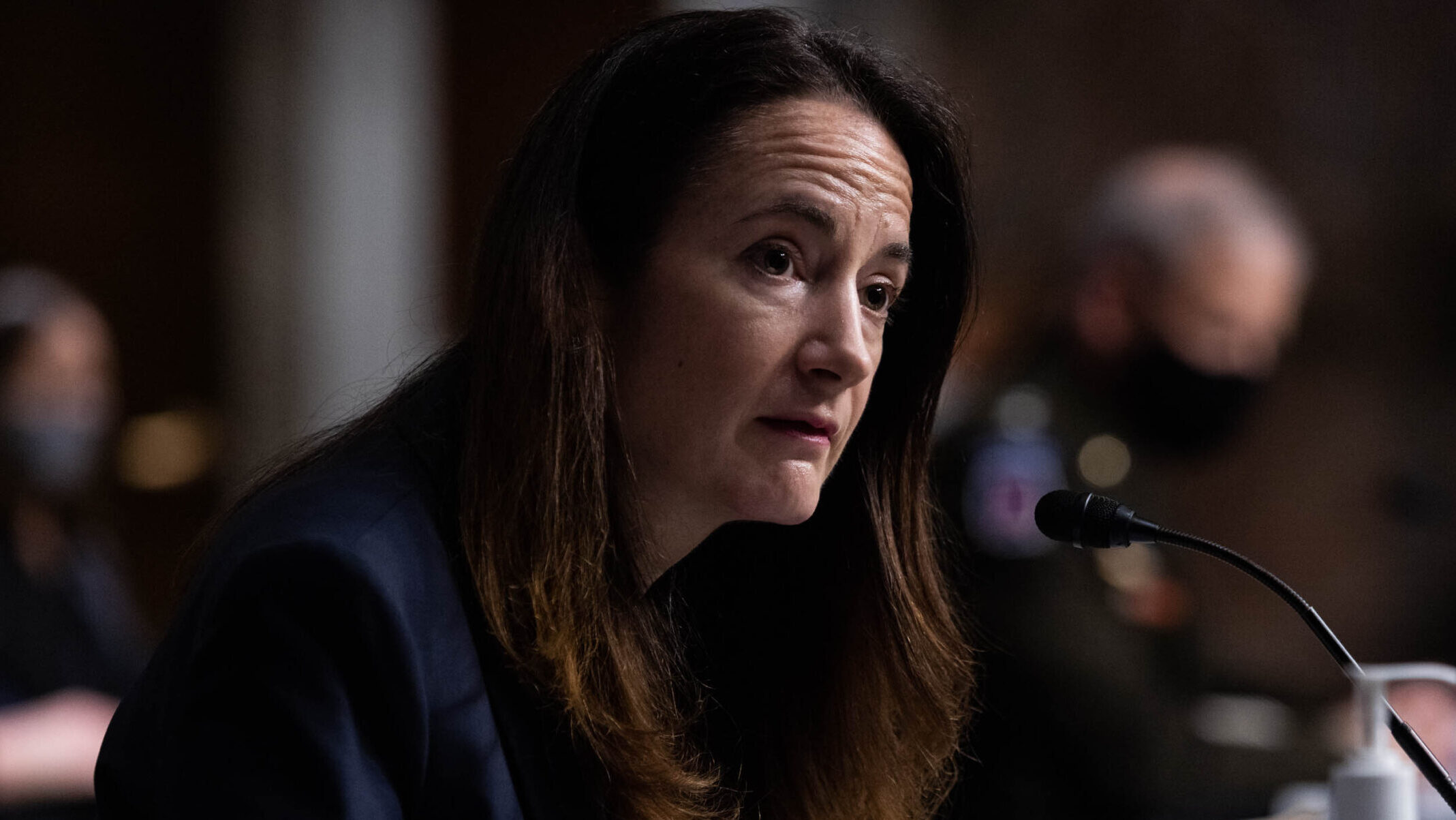
"There's no question that as you pull out... our intelligence collection is diminished," Haines said. "In Afghanistan, we will want to monitor any reconstitution of terrorist groups."

"This direct call for physical mobilization is a significant development compared to prior activity, potentially indicative of an emerging intent to motivate real-world activity outside of China’s territories," Mandiant researchers noted.
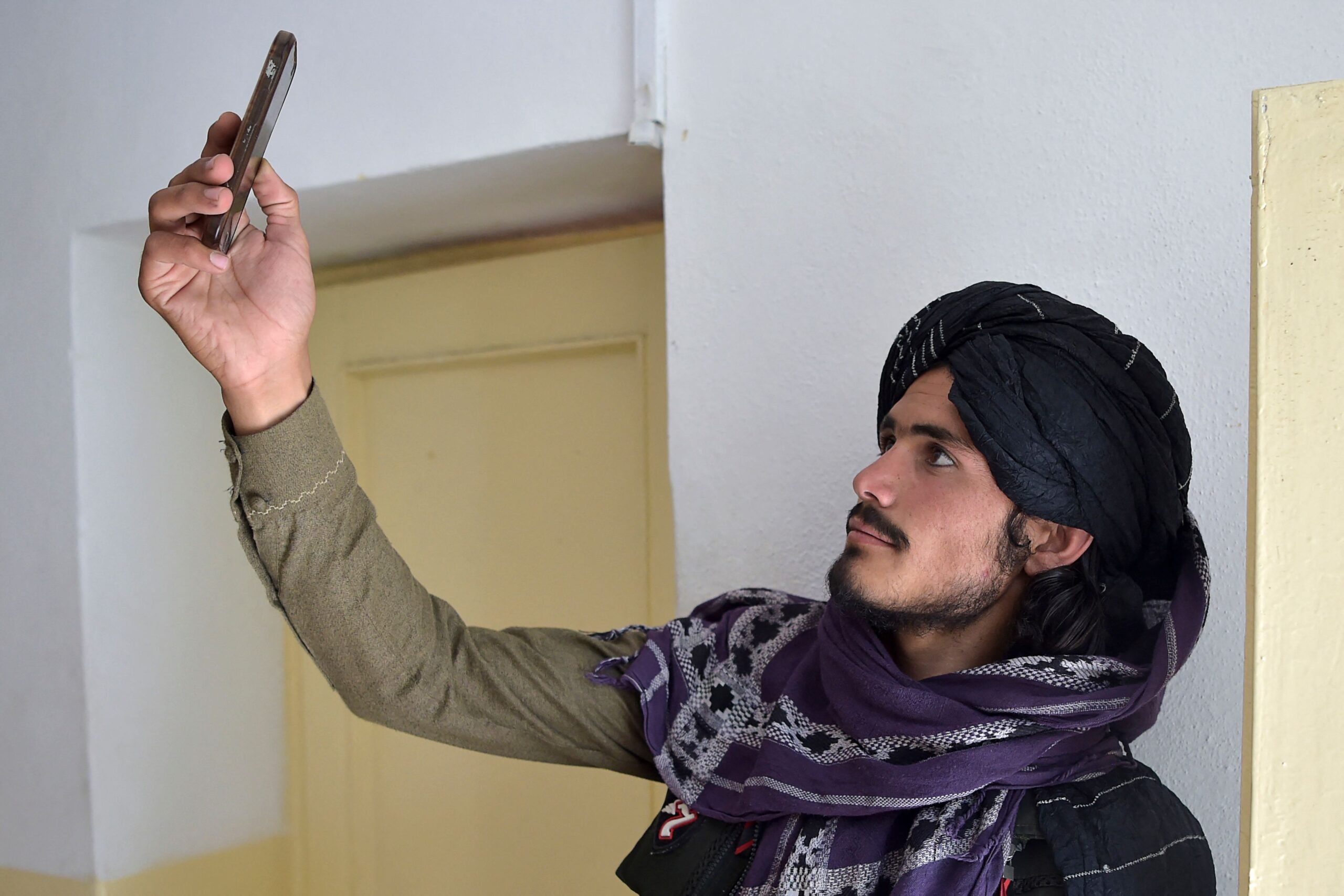
The Taliban now faces a decision: Ban the internet as the group did during its first rule, while hindering its propaganda windfall and other online activities, or leave the country's networks intact, allowing an avenue for continued US electronic surveillance.

The Sixth Domain is not defined by geography. It’s a new kind of conflict in which autonomy and networked systems allow thousand-dollar consumer electronics to destroy multi-million-dollar conventional weapons systems.

Drones aren’t decisive, said the head of Army Cyber Command, without a command system that can rapidly pull together all the data and order a strike before the enemy disappears again.
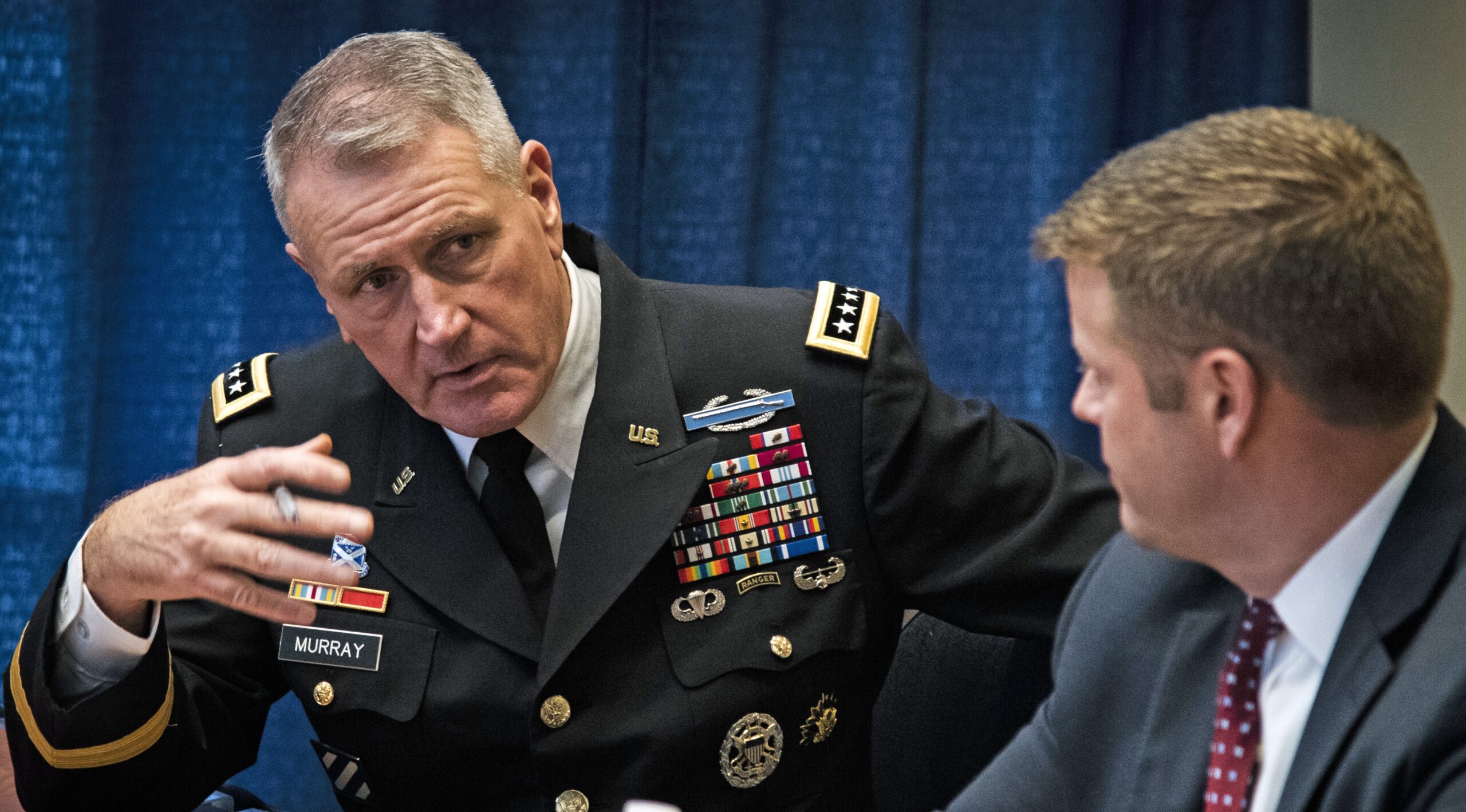
“The Chinese see competition as a whole of government effort [and] they're actually pretty good at it,” the Army Futures Command Chief told us. “We’re way out of practice.”

Everything from social media to military advisors to open war is a potential tool of great power competition, Gen. James McConville writes — and the Army plays a vital role across that entire spectrum.
"Adversary use of disinformation, misinformation and propaganda poses one of today's greatest challenges to the United States, not just to the Department of Defense," said Pentagon official Chris Maier.

As threats rapidly evolve, digital engineering, manufacturing capacity and robust supply chains are critical to meeting challenges.

A host of high-tech specialties will have to work together, Lt. Gen. Stephen Fogarty said, so “stop fighting and start figuring out how to integrate the capability.”
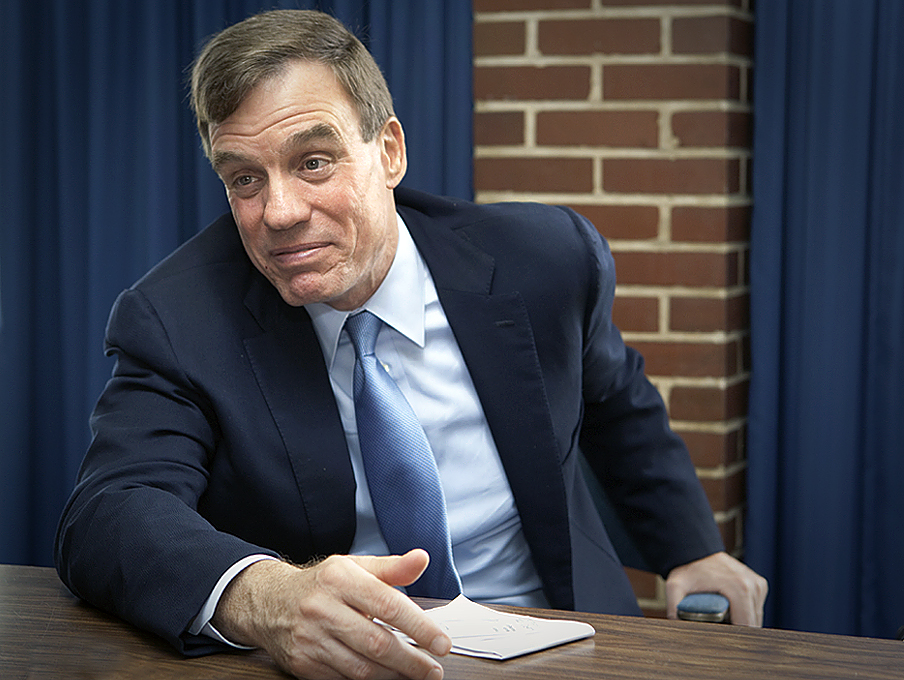
“Even though there's been a great deal of bipartisan legislation proposed, the majority leader [Sen. Mitch McConnell] has not let any of these bills come to the floor,” the Virginia Democrat said.

The new high-tech operations center at Fort Gordon lets Army Cyber Command spend less time defending US networks and more time attacking adversaries.

Wars and pandemics, great destroyers of the status quo, often generate enormous societal change. An outbreak of hoof-and-mouth disease in the early 20th century, for example, gave the internal combustion engine a permanent lead over steam-powered automobiles. The First World War saw more improvements in aeronautical engineering and airplane manufacturing than the previous decade. The […]