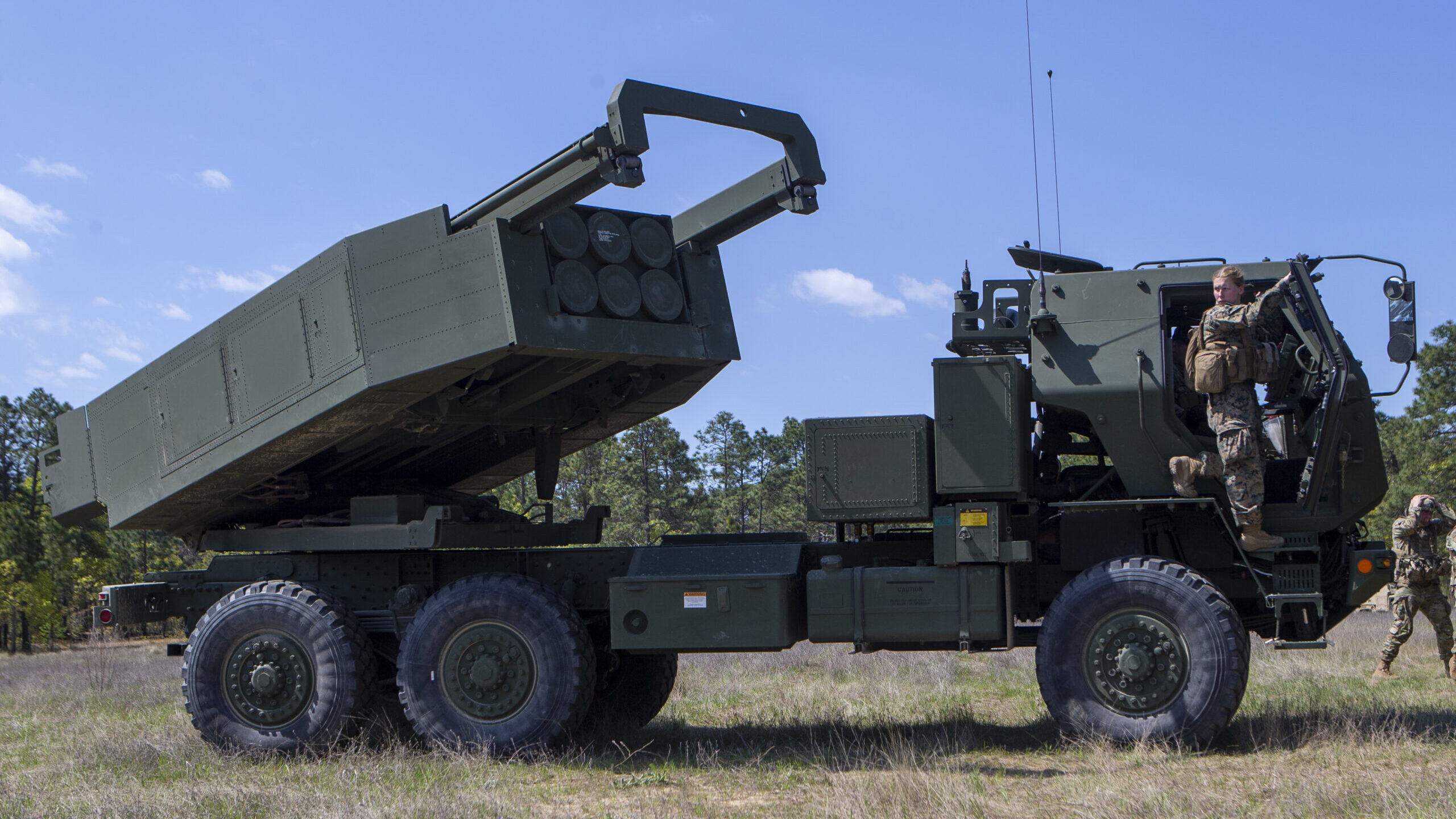
US to provide 4 HIMARS systems to Ukraine in latest $700M arms package
President Joe Biden first announced the transfer, writing that the system “will enable [Ukrainian forces] to more precisely strike key targets on the battlefield in Ukraine.”
President Joe Biden first announced the transfer, writing that the system “will enable [Ukrainian forces] to more precisely strike key targets on the battlefield in Ukraine.”

The US has provided more than 5,500 Javelin shoulder-mounted anti-armor systems to Ukraine since the beginning of the Biden administration.

Do more with less: streamline workflows, reduce duplication, invest upfront to save long-term.
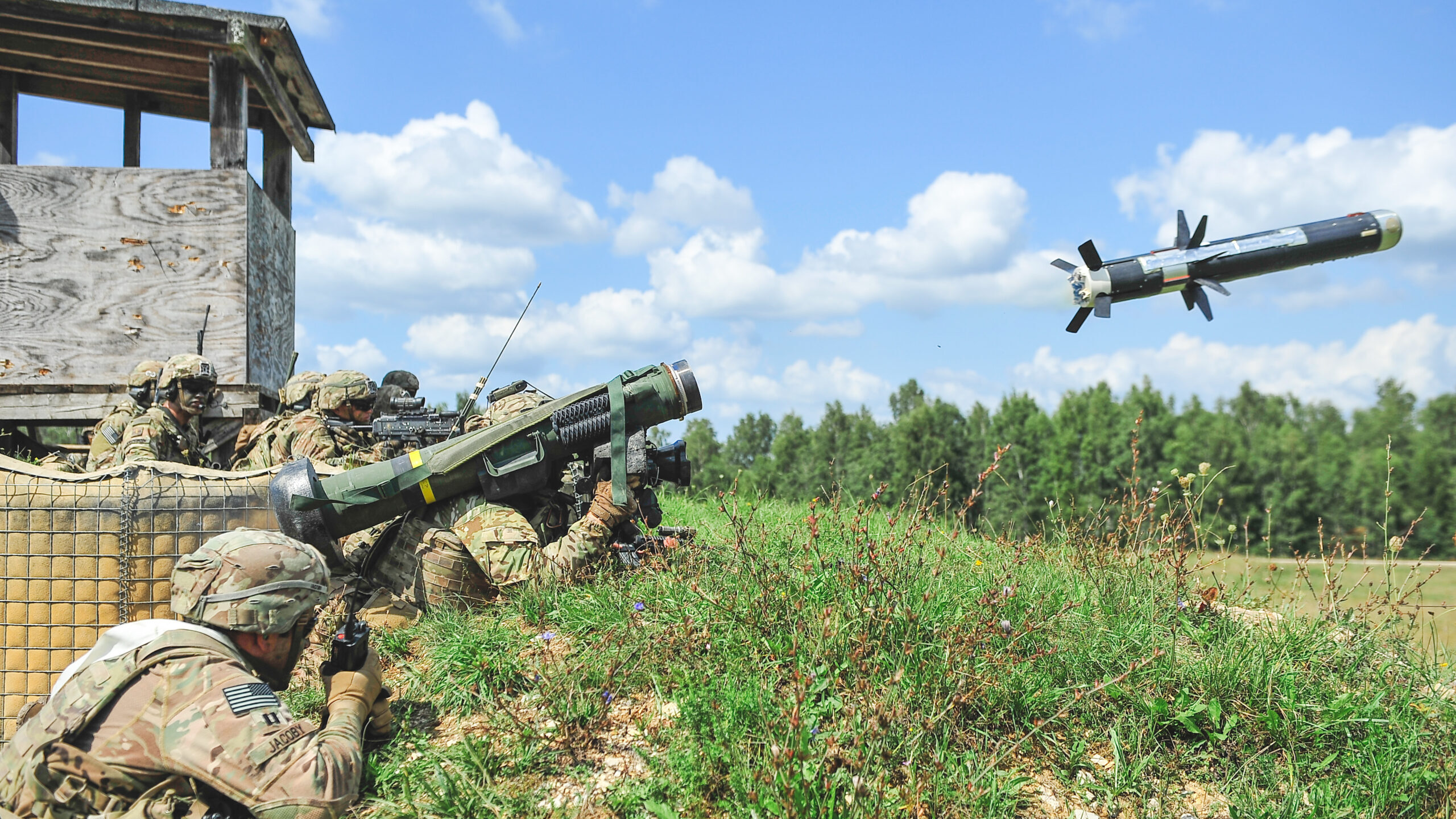
“We are actively negotiating right now — the Army is — for Stinger and related components, and that's ongoing,” said Bill LaPlante, the Pentagon's top acquisition official, in wake of US sending thousands of weapons to Ukraine.

US investments, from scout robots to anti-drone and anti-missile defenses, look remarkably smart after Russian forces ran into repeated ambushes in Ukraine.

“This new package of assistance will contain many of the highly effective weapons systems we have already provided and new capabilities tailored to the wider assault we expect Russia to launch in eastern Ukraine,” President Joe Biden said.

“There are some very specific issues with regard to Stinger and some obsolescence issues that we have to overcome,” Deputy Defense Secretary Kathleen Hicks said Tuesday. “That's because we in the US, we're focusing ourselves forward on new capability."

Government can’t stop to update systems, so modernization has to happen without interruptions.

Doug Bush, assistant secretary of the Army for acquisition, logistics and technology, also called Congressional funding reductions on the Army's IVAS "frankly just good oversight."
Estonia will provide Javelin anti-armor missiles, while Lithuania and Latvia will provide Stinger anti-aircraft missiles and adjacent equipment.
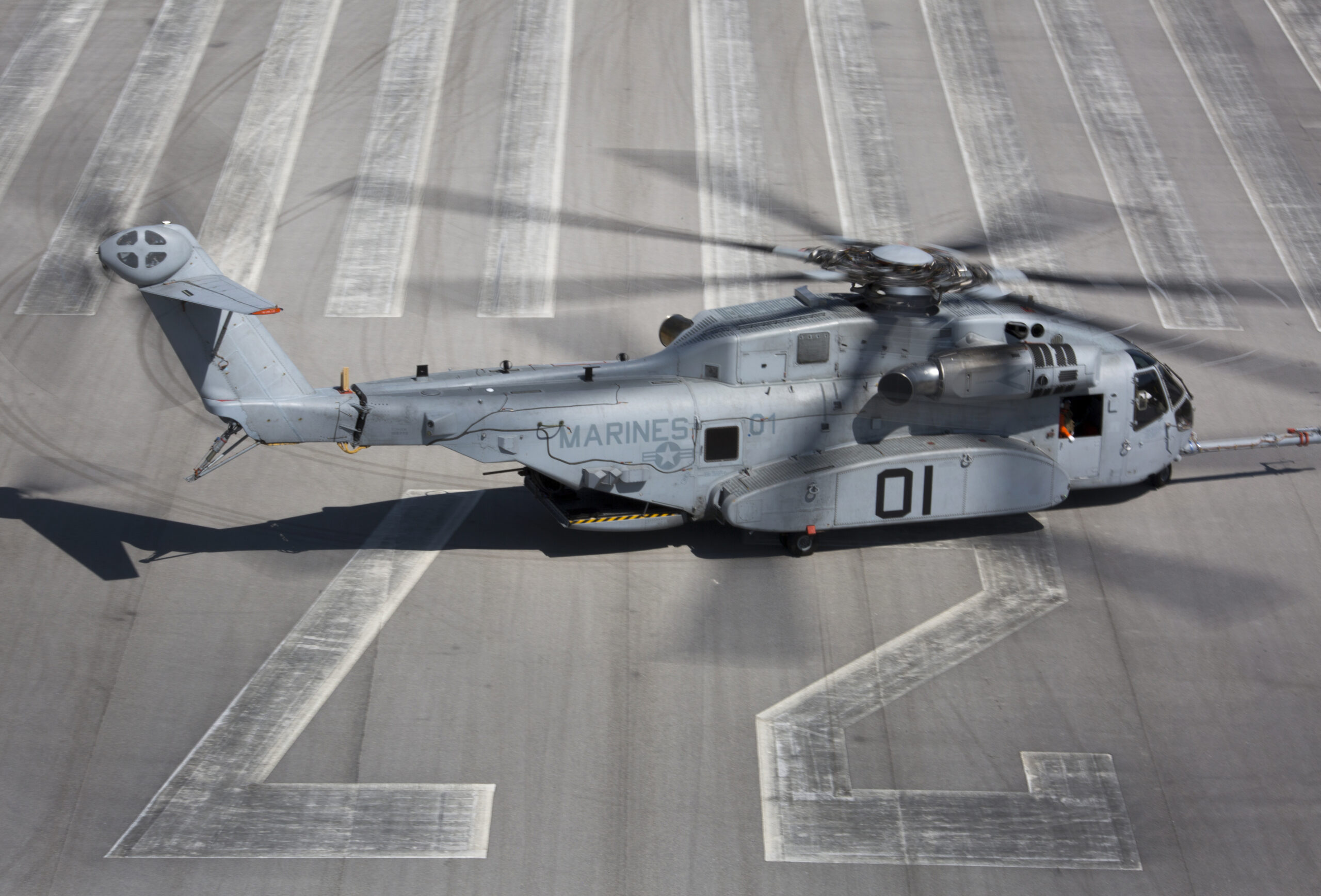
The announcement of the potential sale come as the Israeli government is sending signals to Washington that any renewed deal with Iran should come with more arms for Israel, including items not normally sold to allies.

The multi-million-dollar move will help Army Futures Command focus on new technology while Army Materiel Command focuses on sustaining the current force, Gen. Gus Perna told us.


The Sixth Domain is not defined by geography. It’s a new kind of conflict in which autonomy and networked systems allow thousand-dollar consumer electronics to destroy multi-million-dollar conventional weapons systems.

General Counsel Paul Nay directed DoD officials to “preserve all documents, records, and writings, and any associated attachments, in any format,” that relate to the Ukraine Security Assistance Initiative.

The president's personal intervention was "highly improper," one arms export expert says, concluding that the Foreign Corrupt Practices Act "appears to have been criminally violated here."

It’s one small test for a robot, one tactical leap for robot-kind.


The growing threat from potential near-peer adversaries, such as Russia and China, has propelled the Army into an all-out drive to rapidly modernize with an array of weapons ranging from technologically enhanced ground combat vehicles to long-range precision-guided missiles. The Army showed its commitment to that quest in its recently released fiscal 2020 budget that […]