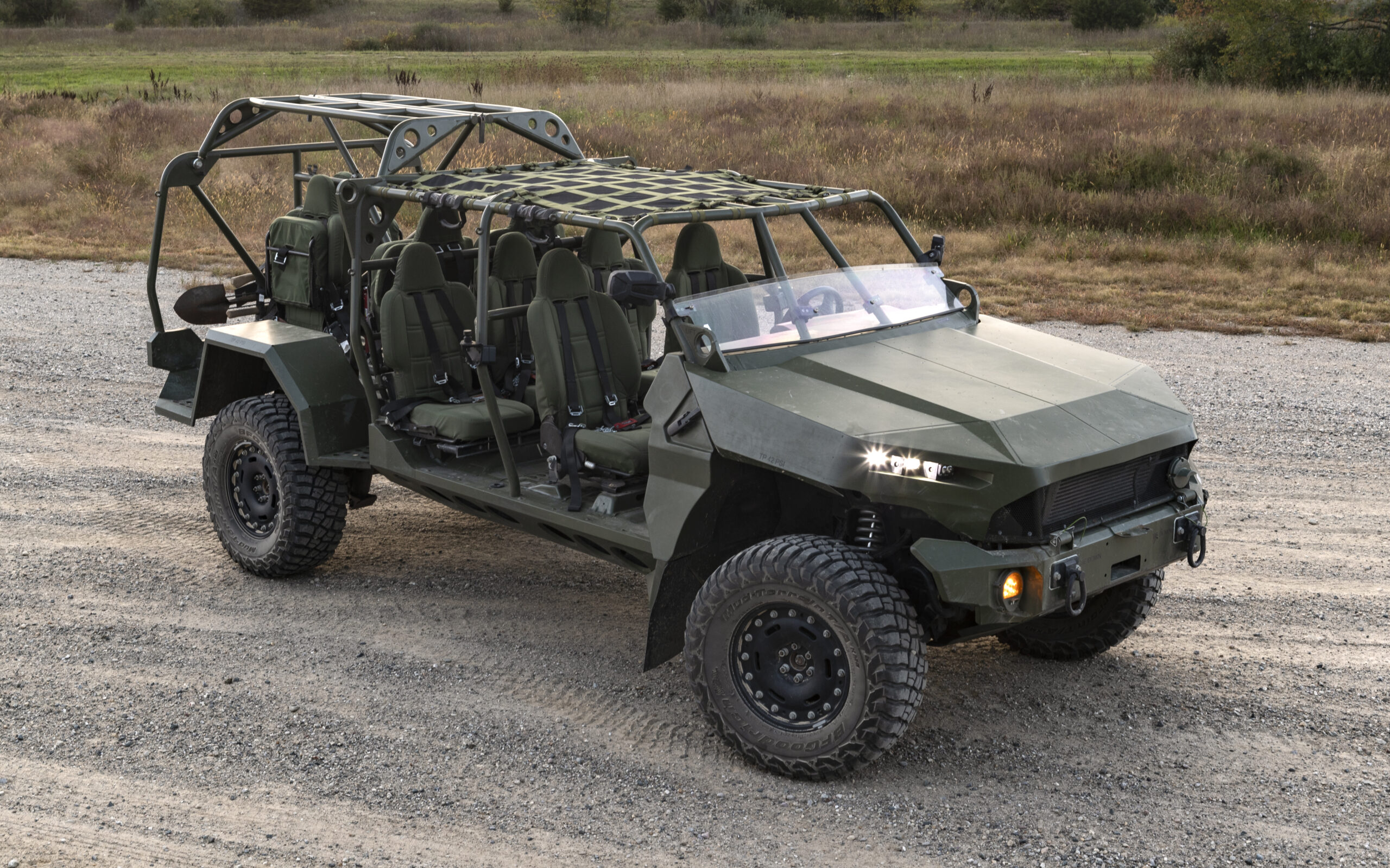
Fast-To-Field Battlefield Mobility
The Army is looking to field better tactical vehicles by pulling forward the best commercial technologies.

The Army is looking to field better tactical vehicles by pulling forward the best commercial technologies.
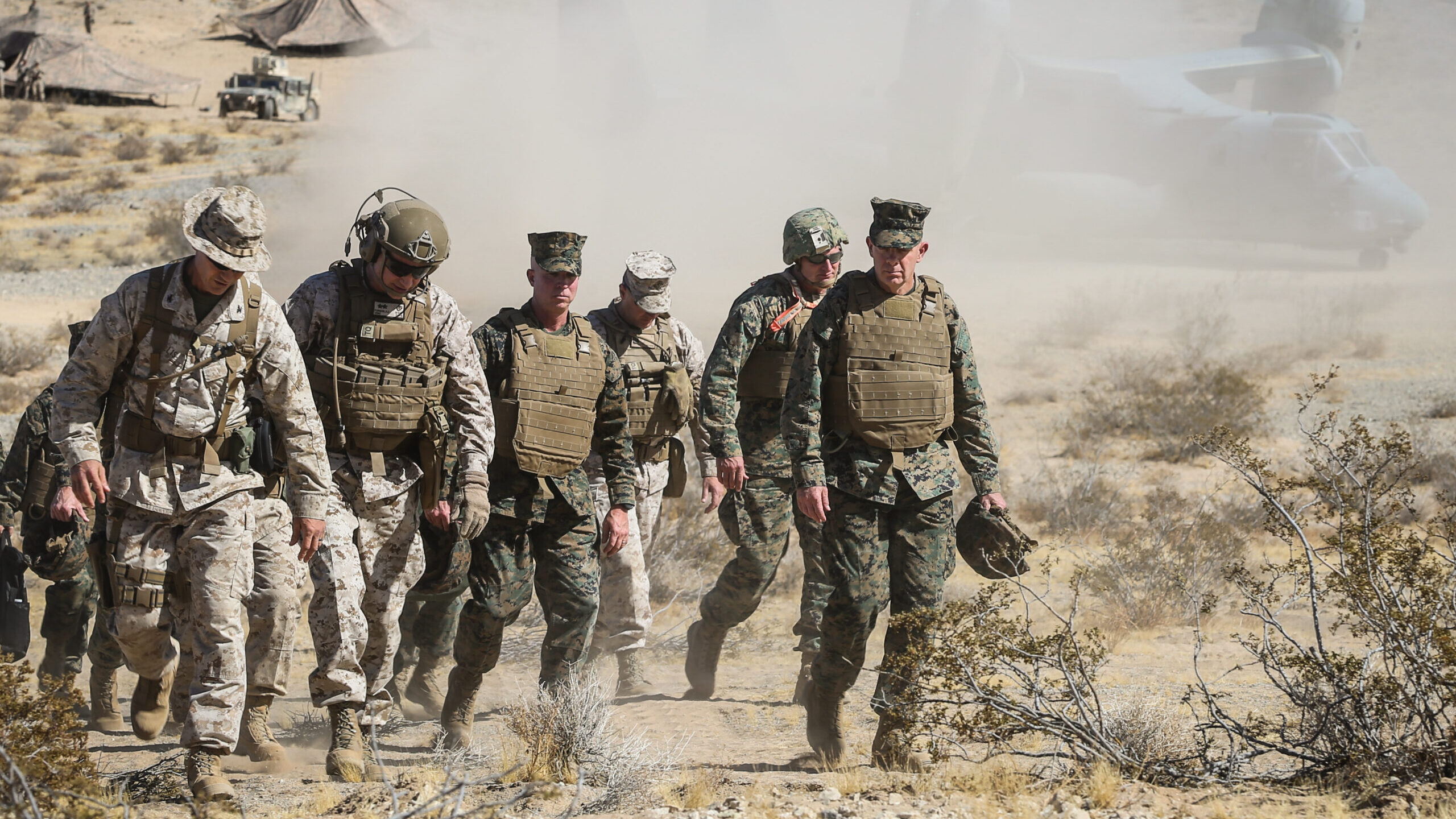
The document outlines an evolving effort to stand up a series of small, agile units tasked with air defense, anti-ship and submarine warfare, and seizing, holding and resupplying ad hoc bases to support an island-hopping campaign in the Pacific.
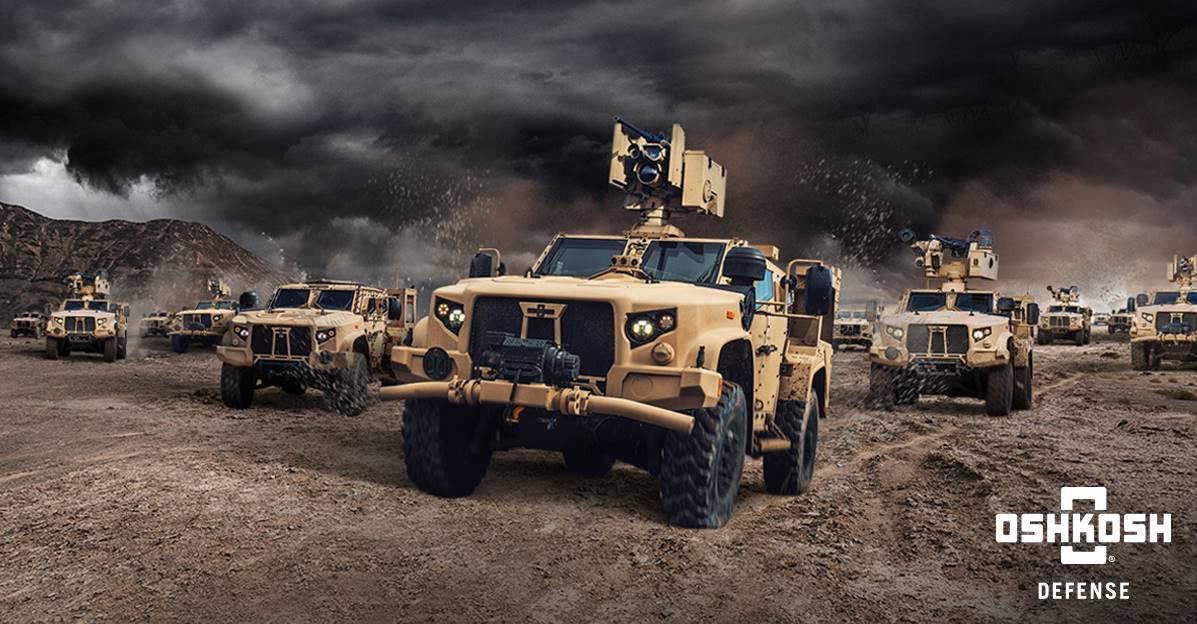
Building 10,000 Joint Light Tactical Vehicles in five years – at less than the original projected price – improves Oshkosh’s odds to win a re-competition for the program next year.

With 9,500 Joint Light Tactical Vehicles already delivered, the Army was running out of room on its existing contracts, so it just ordered another 2,738 from Oshkosh. That’ll keep production going through a re-competition scheduled for 2022.

The Joint Light Tactical Vehicle is currently built by Oshkosh but the Army is seeking alternative manufacturers, who will get the government-owned Technical Data Package required to build it. The Army’s also reviewing how many JLTVs it really needs, Secretary Ryan McCarthy says.

The 2021 budget request also makes major reductions in the tracked M2 Bradley and the wheeled Joint Light Tactical Vehicle, as well as counter-IED programs.

Discover how unmanned systems and emerging technologies are shaping the future of U.S. naval power in Breaking Defense’s new eBook.
The service is already slowing production of Oshkosh’s Joint Light Tactical Vehicle and now wants to find an alternative manufacturer —which could create logistical or legal headaches. Other Oshkosh programs are also ramping down.

"We have to get rid of legacy things, ... to go on a diet," says Marine Corps Commandant Gen. David Berger.

The sale to Montenegro might be small, but the US push into the Balkans will not make Moscow happy.
Army Secretary Mark Esper has publicly said the armored off-road truck was designed to defeat guerrillas, at a time when the Army is refocusing on great powers. But the Army still plans to buy about 50,000 Joint Light Tactical Vehicles and has even added JLTV to its elite list of 31 top-priority programs.

On today’s battlefield, mobility isn’t optional - it’s mission-critical.
If the Army wants to get its Big Six right, it must talk, and talk and talk with Congress and the press and industry. And be ready to drop failures.

A light scout and a mid-size transport remain Army aviation’s top two priorities, Secretary Mark Esper said, but industry needs to start thinking about the next heavy-lift aircraft and stop fighting against cuts to the venerable CH-47.
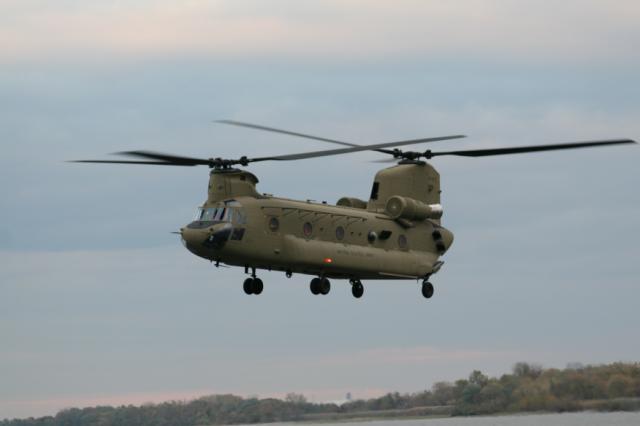
The Army wants to keep its options open on upgrading its heaviest cargo helicopter. Boeing is worried the window of opportunity -- and its factory -- will close before the Army makes up its mind.
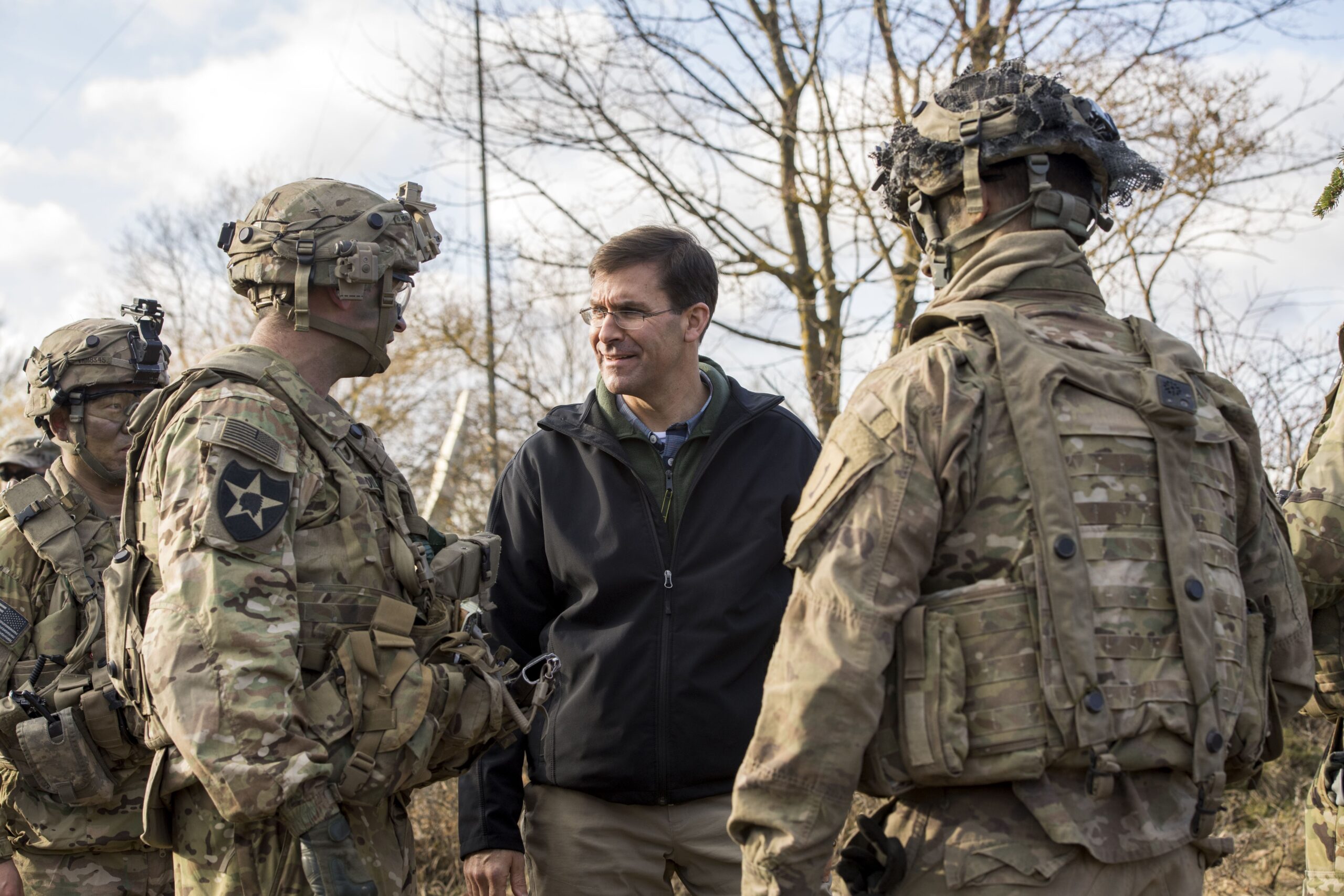
The Army's rebuilding to face China and Russia. That may leave programs designed over the past decade for COIN operations in the dust.