
Boeing defense business narrows losses as company battles MAX crisis
The aerospace giant chose to forego overall financial guidance for 2024 as it struggles with safety concerns in its commercial business.
The aerospace giant chose to forego overall financial guidance for 2024 as it struggles with safety concerns in its commercial business.

Breaking Defense toured Boeing’s Seattle-area facilities where the KC-46A is built, and company officials explained fixes in the works for six critical issues, from new cameras to better seals on fuel lines.

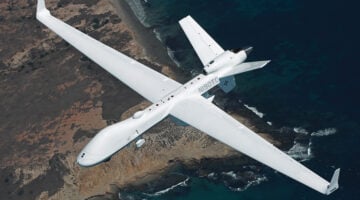
The MQ-9B and Gambit Series represent parallel capabilities that address global challenges for security head-on.
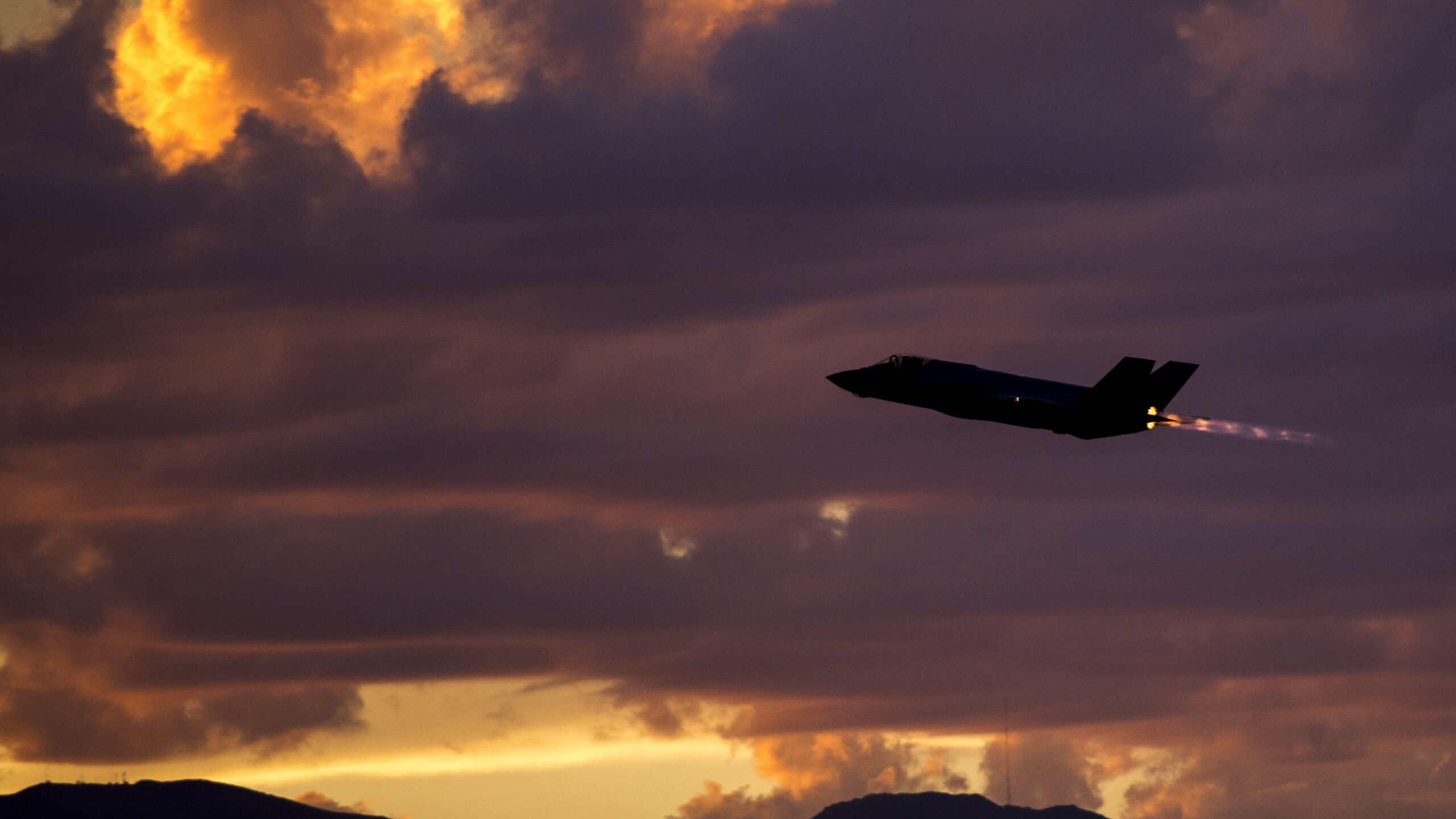
"How in the hell do you lose an F-35?"

“These are disappointing results in the quarter and year to date. This performance is below our expectations and we acknowledge that we aren't as far along in this recovery as we expected to be at this stage,” said Chief Financial Officer Brian West.
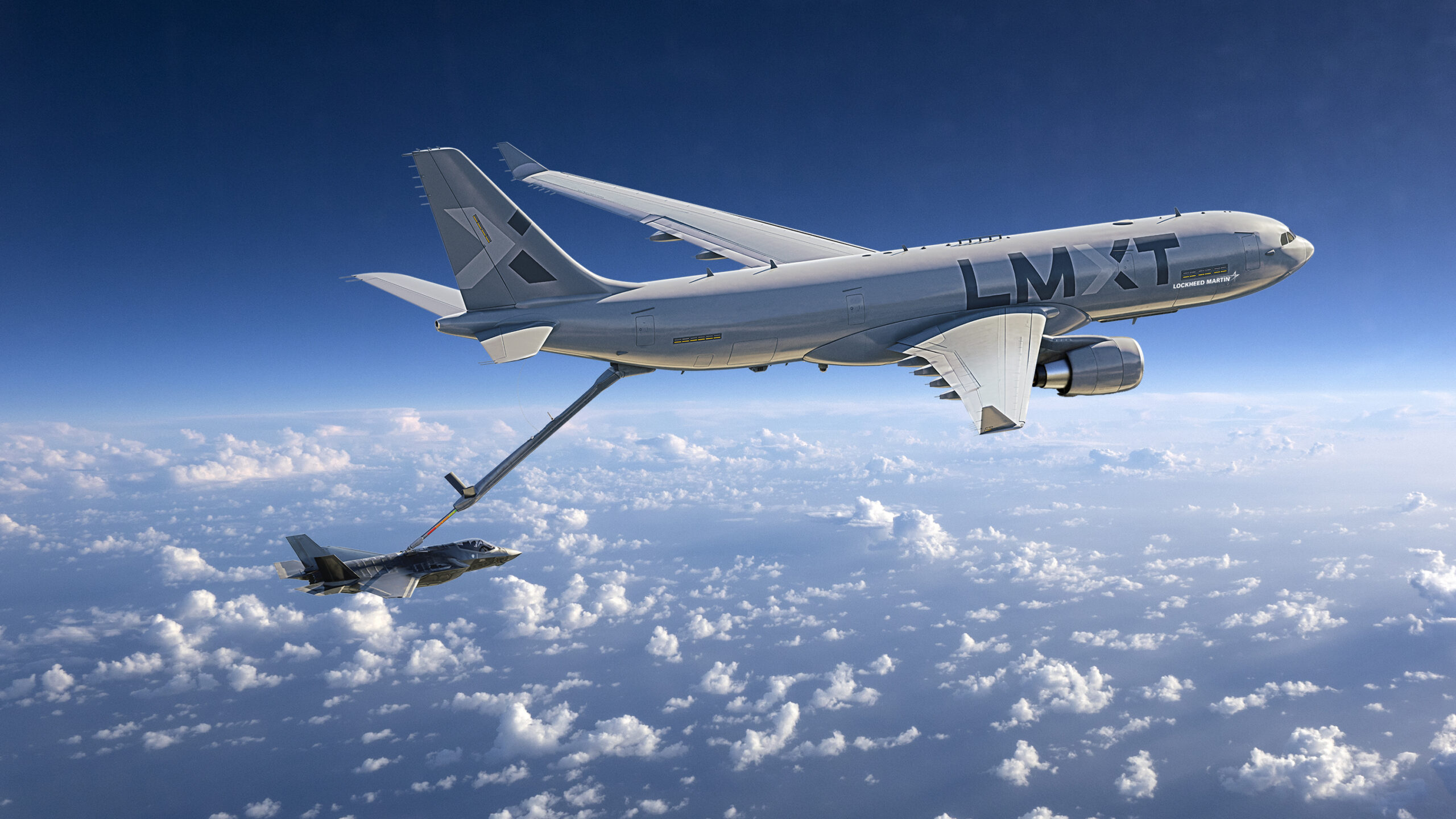
The surprise withdrawal of the aerospace giant could give Boeing a leg up as the Air Force moves toward a contract award for a new fleet of refuelers, analysts told Breaking Defense.
"We just kind of need to get their no-kidding ground truth of, ‘this is what we think we can deliver and when we think we can deliver it,'" Andrew Hunter, the service's acquisition chief, said in a Sept. 5 interview at the Pentagon.


Partnerships with outside industry are a cornerstone of the kingdom’s ambitious growth strategy.

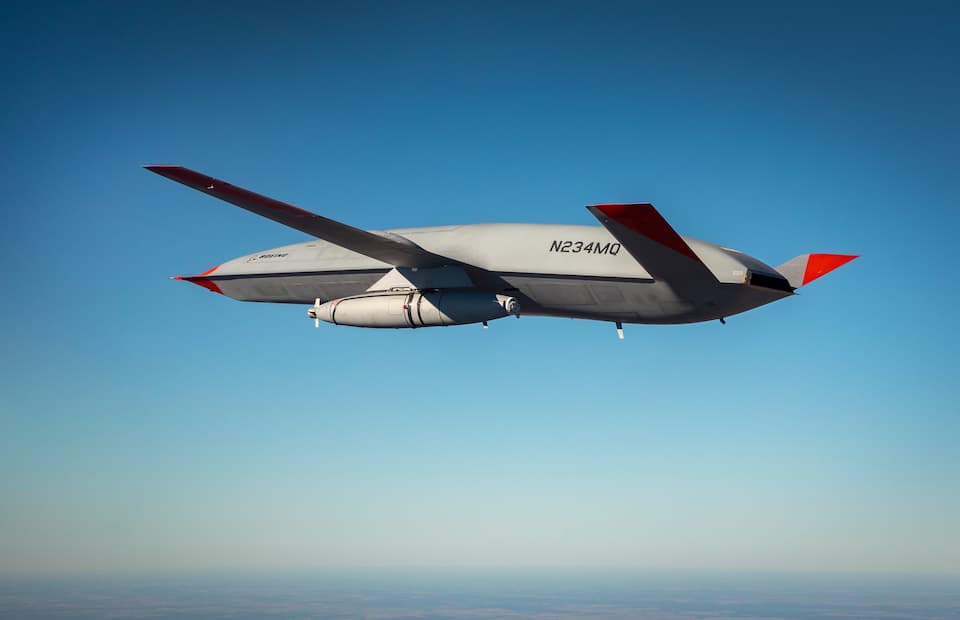
Boeing’s KC-46A and MQ-25 Stingray demonstrate next-generation capabilities that are transforming the role of the tanker.

Boeing Chief Financial Officer Brian West previously warned that it could take several years until the company’s struggling defense sector turns a profit.

Each KC-46A will take about two months to retrofit with a new vision system, according to the Air Force’s program lead, a fix that will address two of six remaining critical defects in Boeing’s Pegasus air refueling tanker.

“I think what you're hearing from individuals like Hon. Hunter and Hon. Kendall is a recognition that the requirements that went into the JCIDS process are not revolutionary," said Scott Boyd, Air Force deputy program manager for mobility aircraft.

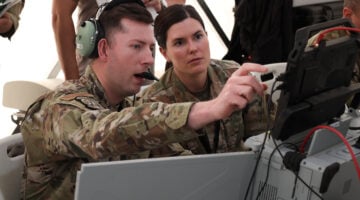
As threats evolve, the winning model ties digital engineering to manufacturing capacity and a reindustrialized supply chain.
The aerospace giant’s defense and space division recorded new charges for NASA’s Starliner shuttle, the Air Force’s T-7A training jet and the Navy’s MQ-25 Stingray drone.

After previously signaling Airbus’s A330 Multi-role Tanker Transport would best fill the role, the Canadian government formally awarded the company a contract to convert five used jets and build four new ones.
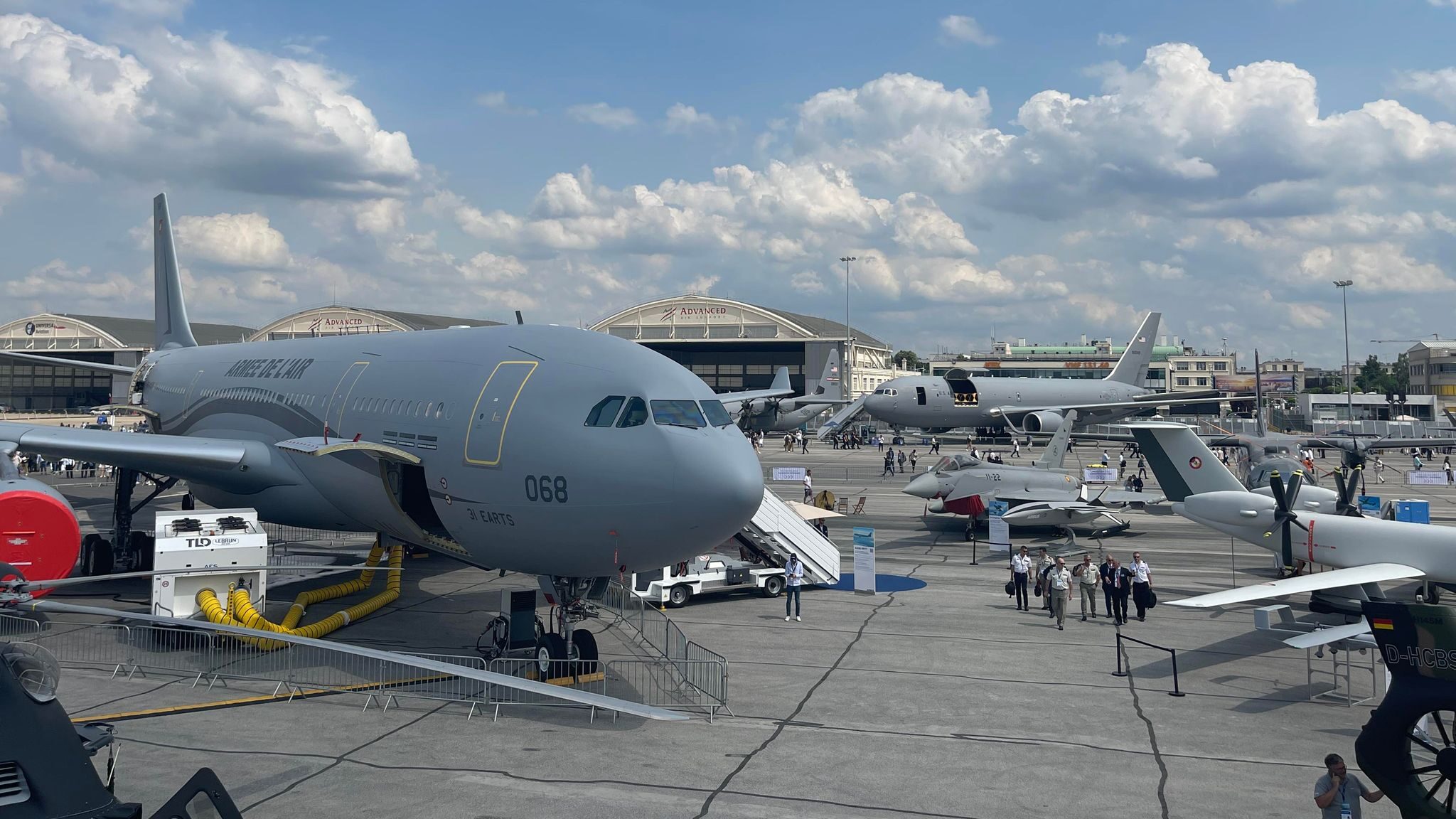
Speaking to Breaking Defense fresh off a tour of a French MRTT, a KC-46A Pegasus pilot and boom operator discussed some of the pros and cons between the plane that's the basis for Lockheed's LMXT and their own Pegasus tanker.

“We’re still assessing how the numbers are going to fall,” Ted Colbert, president and chief executive officer of Boeing’s Defense, Space & Security sector, said. “But the profile will look similar to the last quarter."